International Arctic Research Center, University of Alaska Fairbanks, Fairbanks, Alaska, United States of America.
National Audubon Society, Anchorage, Alaska, United States of America.
PLoS One. 2022 Jul 6;17(7):e0268594. doi: 10.1371/journal.pone.0268594. eCollection 2022.
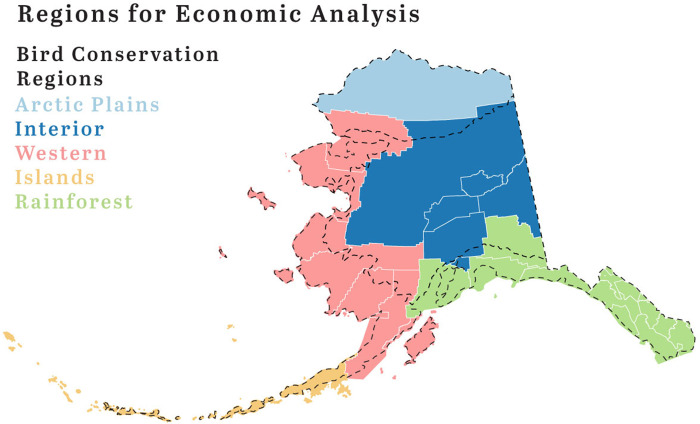
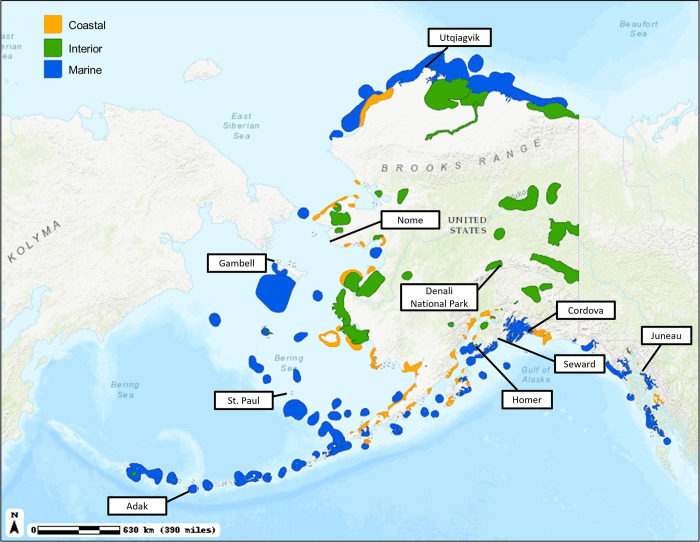
Birdwatching is considered one of the fastest growing nature-based tourism sectors in the world. Tourists who identify as birdwatchers tend to be well-educated and wealthy travellers with a specific interest in the places they visit. Birdwatchers can bring economic resources to remote communities diversifying their economies and contribute to biodiversity conservation in areas of bird habitat with global significance. Alaska plays a critical role in understanding the link between bird conservation and bird tourism as it supports the world's largest concentration of shorebirds and is a global breeding hotspot for hundreds of migratory species, including many species of conservation concern for their decline across their ranges. Alaska is also a global destination for birders due to the large congregations of birds that occur during the spring, summer and fall seasons. Despite its global importance, relatively little information exists on the significance of bird tourism in Alaska or on opportunities for community development that align with conservation. This study used ebird data to look at trends in Alaska birdwatching and applied existing information from the Alaska Visitor Statistics Program to estimate visitor expenditures and the impact of that spending on Alaska's regional economies. In 2016, nearly 300,000 birdwatchers visited Alaska and spent $378 million, supporting approximately 4,000 jobs. The study describes bird tourism's contributions to local jobs and income in remote rural and urban economies and discusses opportunities for developing and expanding the nature-based tourism sector. The study points toward the importance of partnering with rural communities and landowners to advance both economic opportunities and biodiversity conservation actions. The need for new data collection addressing niche market development and economic diversification is also discussed.
观鸟被认为是世界上发展最快的以自然为基础的旅游领域之一。将自己认定为观鸟者的游客往往是受过良好教育且富有的旅行者,他们对自己所访问的地方有着特殊的兴趣。观鸟者可以为偏远社区带来经济资源,使他们的经济多样化,并为具有全球重要意义的鸟类栖息地的生物多样性保护做出贡献。阿拉斯加在理解鸟类保护和观鸟旅游之间的联系方面起着至关重要的作用,因为它支持着世界上最大的滨鸟集中地,也是数百种候鸟的全球繁殖热点,其中包括许多因在其分布范围内数量减少而受到保护关注的物种。阿拉斯加也是鸟类爱好者的一个全球目的地,因为在春季、夏季和秋季会有大量鸟类聚集。尽管阿拉斯加具有全球重要性,但关于观鸟旅游在阿拉斯加的重要性或与保护相一致的社区发展机会的信息相对较少。本研究使用 ebird 数据来观察阿拉斯加观鸟的趋势,并应用阿拉斯加游客统计计划中的现有信息来估计游客支出以及这些支出对阿拉斯加地区经济的影响。2016 年,近 30 万名观鸟者访问了阿拉斯加,支出了 3.78 亿美元,支持了大约 4000 个工作岗位。该研究描述了观鸟旅游对偏远农村和城市经济中当地就业和收入的贡献,并讨论了发展和扩大以自然为基础的旅游部门的机会。该研究指出了与农村社区和土地所有者合作的重要性,以推进经济机会和生物多样性保护行动。还讨论了需要新的数据收集来解决利基市场发展和经济多样化的问题。