Department of Environmental Health, Boston University School of Public Health, 715 Albany St. T4W, Boston, MA, 02118, USA.
Department of Epidemiology, Boston University School of Public Health, 715 Albany St. T3E, Boston, MA, USA.
BMC Nephrol. 2022 Jul 7;23(1):238. doi: 10.1186/s12882-022-02861-0.
Mortality from chronic kidney disease of unknown etiology (CKDu) is extremely high along the Pacific coast of Central America, particularly among sugarcane workers. The Mesoamerican Nephropathy Occupational Study (MANOS) is a prospective cohort study of CKDu among agricultural and non-agricultural workers in El Salvador and Nicaragua. The objective of this manuscript is to describe the MANOS cohort recruitment, baseline data collection, and CKDu prevalence after two rounds.
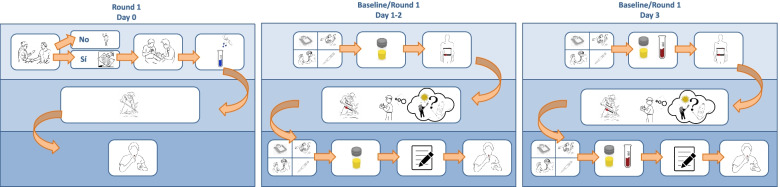
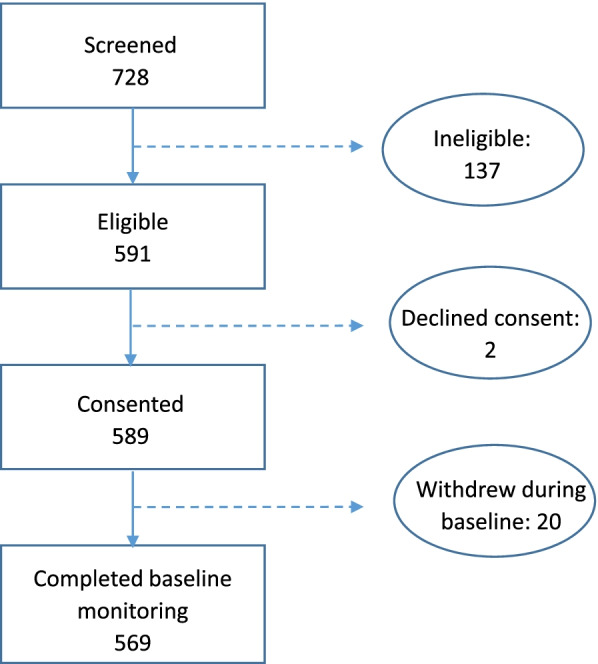
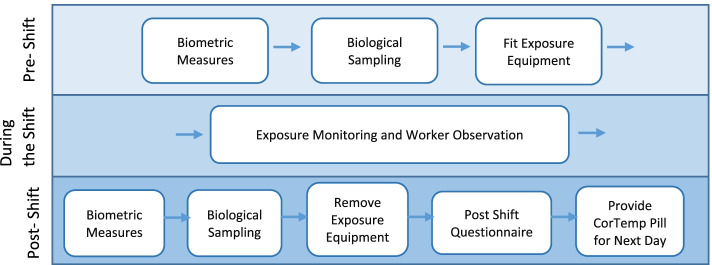
Workers with no known diabetes, hypertension, or CKD were recruited from sugarcane, corn, plantain, brickmaking, and road construction industries (n = 569). Investigators administered questionnaires, collected biological samples, and observed workers for three consecutive workdays at the worksite. Serum specimens were analyzed for kidney function parameters, and used to calculate estimated glomerular filtration rate (eGFR). At six months, serum was collected again prior to the work shift. CKD at baseline is defined as eGFR ≤ 60 ml/min/1.73m at both timepoints. Age-standardized prevalence was calculated by industry, country, and demographic measures. Kidney function parameters were compared by CKD status.
Prevalence of CKD at baseline was 7.4% (n = 42). Age-standardized prevalence was highest in Salvadoran sugarcane (14.1%), followed by Salvadoran corn (11.6%), and Nicaraguan brickmaking (8.1%). Nicaraguan sugarcane had the lowest prevalence, likely due to kidney function screenings prior to employment.
Despite efforts to enroll participants without CKD, our identification of prevalent CKD among agricultural and non-agricultural workers in the MANOS cohort indicates notable kidney disease in the region, particularly among sugarcane workers.
中美洲太平洋沿岸,尤其是甘蔗工人中,病因不明的慢性肾病(CKDu)的死亡率极高。中美洲肾脏病职业研究(MANOS)是萨尔瓦多和尼加拉瓜农业和非农业工人 CKDu 的前瞻性队列研究。本文的目的是描述 MANOS 队列的招募、基线数据收集以及两轮后的 CKDu 患病率。
从甘蔗、玉米、大蕉、制砖和道路建设行业招募无已知糖尿病、高血压或 CKD 的工人(n=569)。研究人员在工作场所对工人进行问卷调查、收集生物样本并进行连续三天的观察。血清标本用于分析肾功能参数,并计算估计肾小球滤过率(eGFR)。六个月时,在下班前再次采集血清。基线时的 CKD 定义为两个时间点的 eGFR ≤ 60ml/min/1.73m。按行业、国家和人口统计学指标计算年龄标准化患病率。按 CKD 状态比较肾功能参数。
基线时 CKD 的患病率为 7.4%(n=42)。萨尔瓦多甘蔗的年龄标准化患病率最高(14.1%),其次是萨尔瓦多玉米(11.6%)和尼加拉瓜制砖(8.1%)。尼加拉瓜甘蔗的患病率最低,可能是由于在就业前进行了肾功能筛查。
尽管努力招募无 CKD 的参与者,但我们在 MANOS 队列中发现农业和非农业工人中普遍存在的 CKD,表明该地区存在明显的肾脏疾病,尤其是在甘蔗工人中。