Institute of Neuropathology, University Medical Center, Göttingen, Germany.
Department of Geriatrics, Protestant Hospital Göttingen-Weende, An der Lutter 24, 37075, Göttingen, Germany.
J Neuroinflammation. 2022 Jul 6;19(1):174. doi: 10.1186/s12974-022-02538-3.
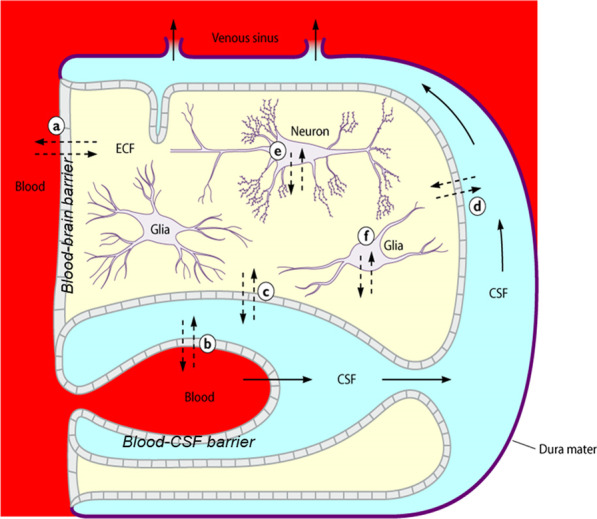
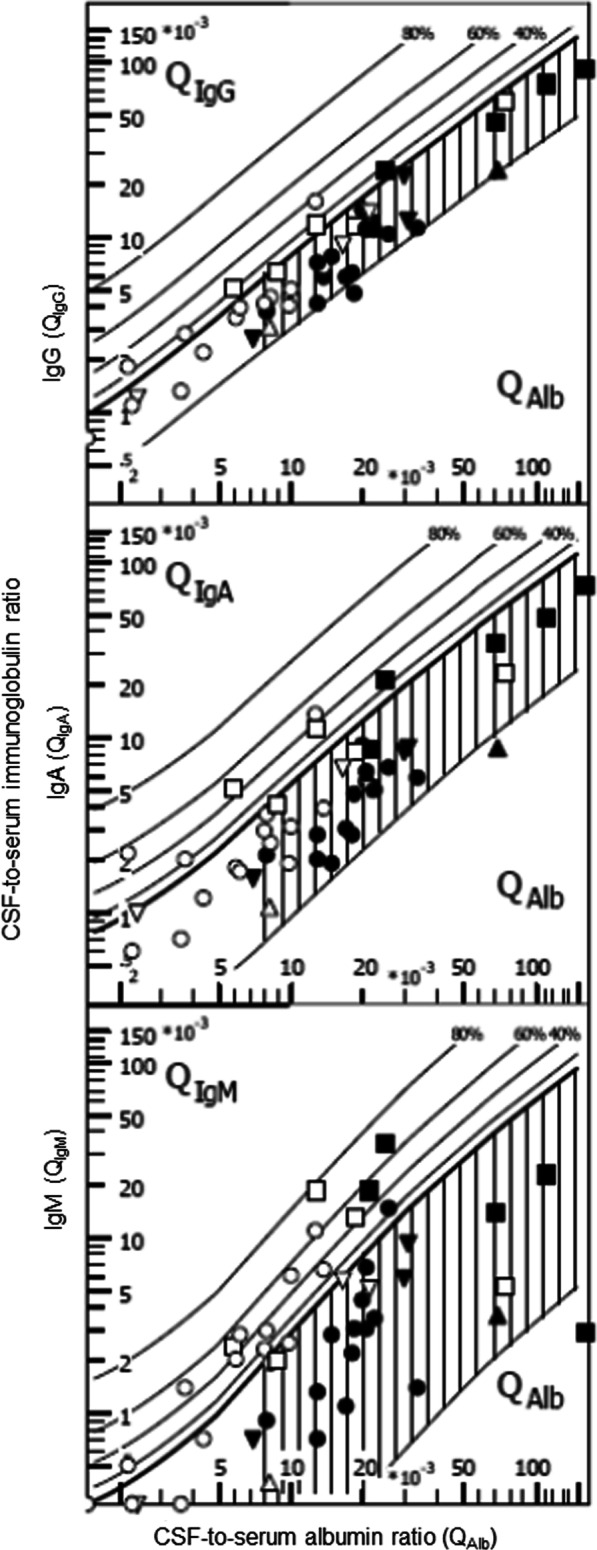
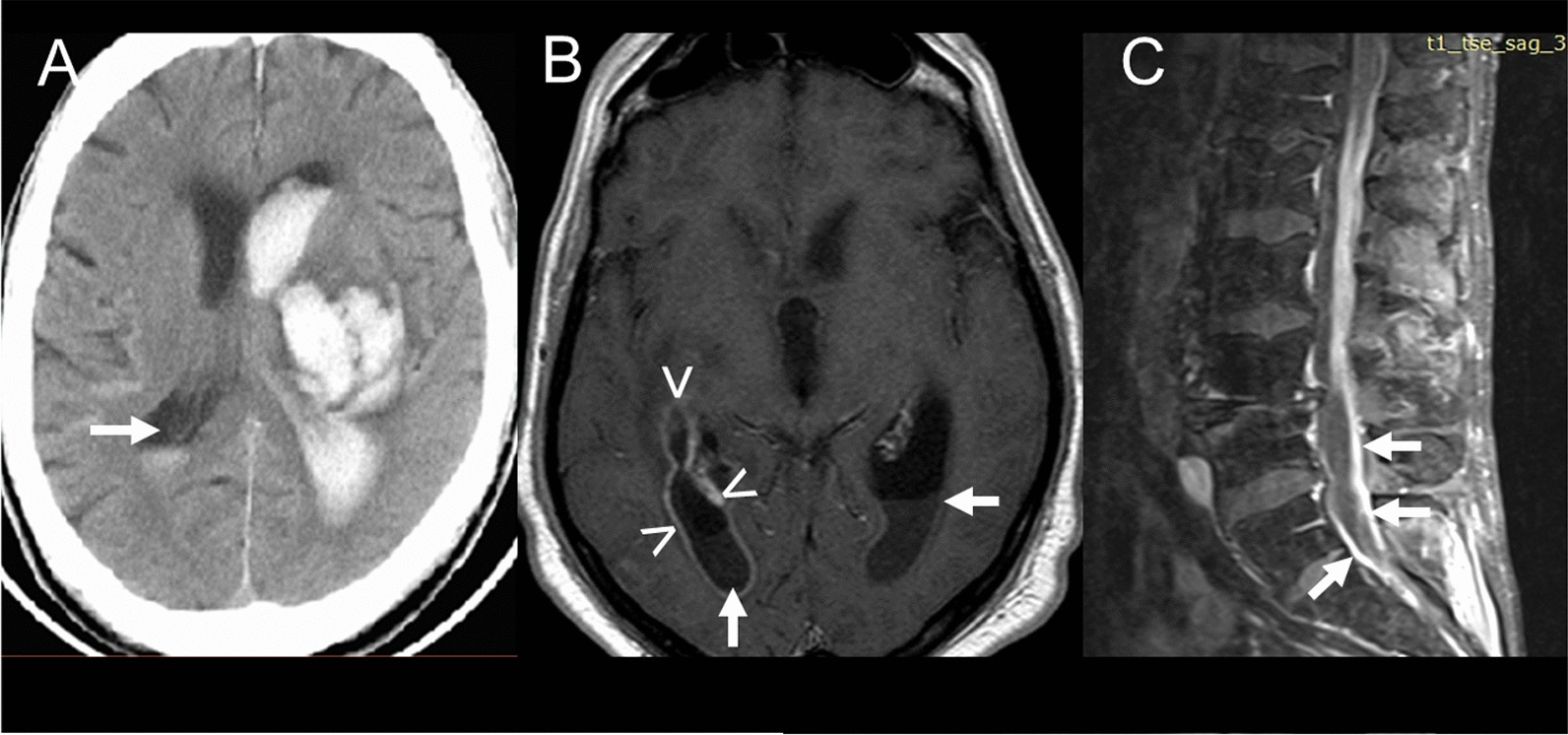
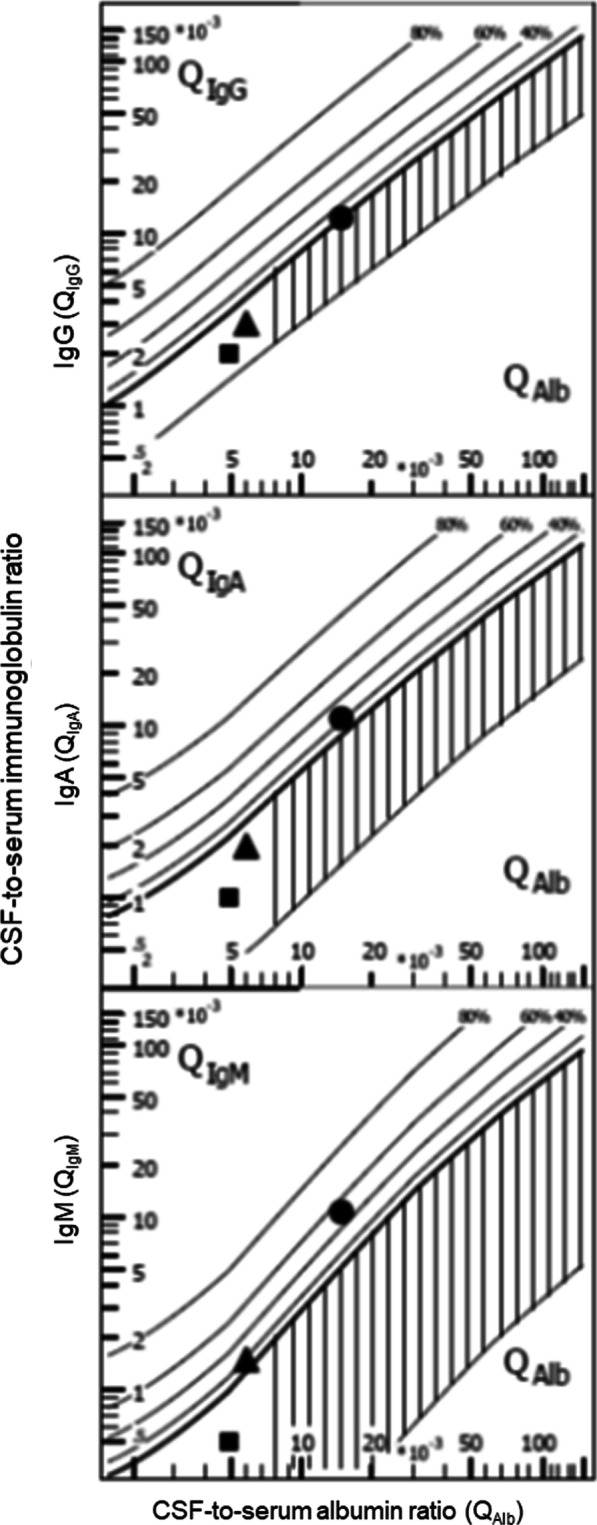
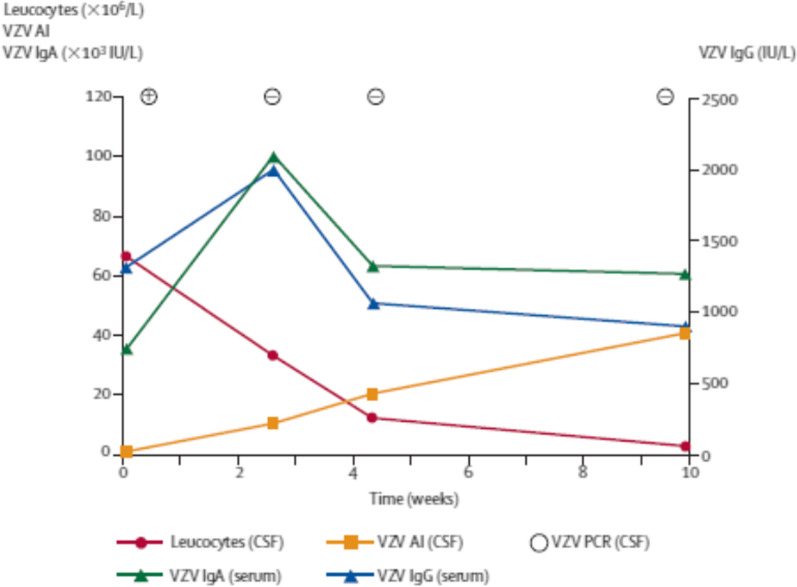
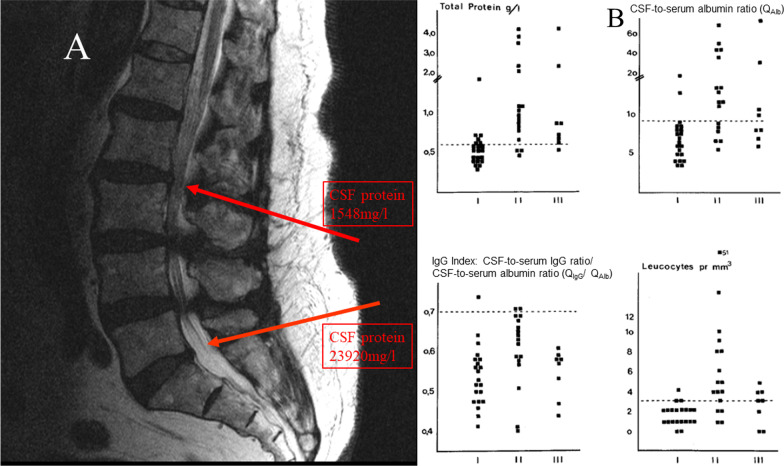
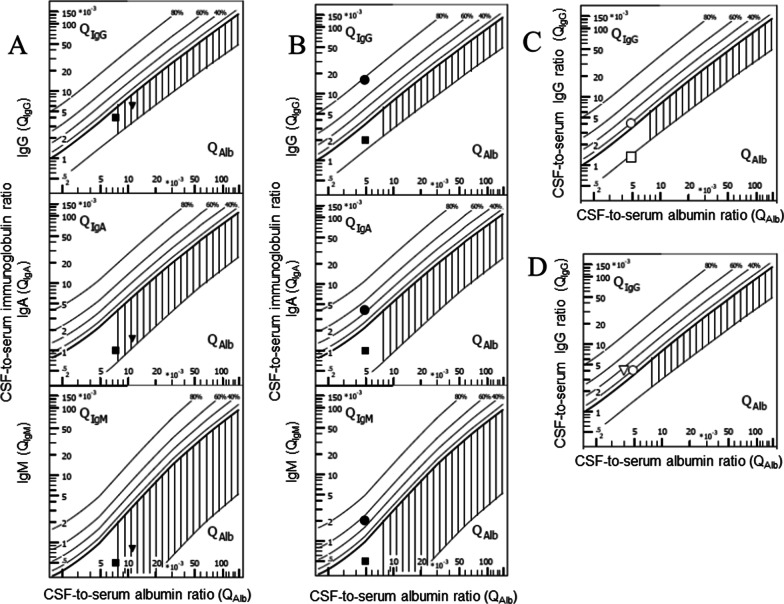
The cerebrospinal fluid (CSF) space is convoluted. CSF flow oscillates with a net flow from the ventricles towards the cerebral and spinal subarachnoid space. This flow is influenced by heartbeats, breath, head or body movements as well as the activity of the ciliated epithelium of the plexus and ventricular ependyma. The shape of the CSF space and the CSF flow preclude rapid equilibration of cells, proteins and smaller compounds between the different parts of the compartment. In this review including reinterpretation of previously published data we illustrate, how anatomical and (patho)physiological conditions can influence routine CSF analysis. Equilibration of the components of the CSF depends on the size of the molecule or particle, e.g., lactate is distributed in the CSF more homogeneously than proteins or cells. The concentrations of blood-derived compounds usually increase from the ventricles to the lumbar CSF space, whereas the concentrations of brain-derived compounds usually decrease. Under special conditions, in particular when distribution is impaired, the rostro-caudal gradient of blood-derived compounds can be reversed. In the last century, several researchers attempted to define typical CSF findings for the diagnosis of several inflammatory diseases based on routine parameters. Because of the high spatial and temporal variations, findings considered typical of certain CNS diseases often are absent in parts of or even in the entire CSF compartment. In CNS infections, identification of the pathogen by culture, antigen detection or molecular methods is essential for diagnosis.
脑脊液(CSF)空间是迂曲的。CSF 流动随着从脑室向脑和脊髓蛛网膜下腔的净流动而波动。这种流动受到心跳、呼吸、头部或身体运动以及纤毛上皮丛和脑室室管膜的活动的影响。CSF 空间的形状和 CSF 流动阻止了细胞、蛋白质和较小化合物在隔室的不同部分之间的快速平衡。在包括重新解释以前发表的数据的这篇综述中,我们说明了解剖学和(病理)生理学条件如何影响常规 CSF 分析。CSF 成分的平衡取决于分子或粒子的大小,例如,乳酸在 CSF 中的分布比蛋白质或细胞更均匀。血液来源化合物的浓度通常从脑室到腰 CSF 空间增加,而脑源性化合物的浓度通常降低。在特殊条件下,特别是在分布受损的情况下,血液来源化合物的头尾梯度可能会逆转。在上个世纪,一些研究人员试图根据常规参数定义几种炎症性疾病的典型 CSF 发现以进行诊断。由于空间和时间变化很大,被认为是某些中枢神经系统疾病的典型发现的结果在部分或甚至整个 CSF 隔室中可能不存在。在中枢神经系统感染中,通过培养、抗原检测或分子方法鉴定病原体对于诊断至关重要。