Department of Cardiology, the First Affiliated Hospital, Harbin Medical University, Harbin 150001, China.
Department of Cardiology, the First Affiliated Hospital, Harbin Medical University, Harbin 150001, China; Microbiome Medicine Center, Division of Laboratory Medicine, Zhujiang Hospital, Southern Medical University, Guangzhou, Guangdong, China.
EBioMedicine. 2022 Aug;82:104087. doi: 10.1016/j.ebiom.2022.104087. Epub 2022 Jul 4.
Cold exposure is one of the most important risk factors for atrial fibrillation (AF), and closely related to the poor prognosis of AF patients. However, the mechanisms underlying cold-related AF are poorly understood.
Various techniques including 16S rRNA gene sequencing, fecal microbiota transplantation, and electrophysiological examination were used to determine whether gut microbiota dysbiosis promotes cold-related AF. Metabonomics were performed to investigate changes in fecal trimethylamine (TMA) and plasma trimethylamine N-oxide (TMAO) during cold exposure. The detailed mechanism underlying cold-related AF were examined in vitro. Transgenic mice were constructed to explore the role of pyroptosis in cold-related AF. The human cohort was used to evaluate the correlation between A. muciniphila and cold-related AF.
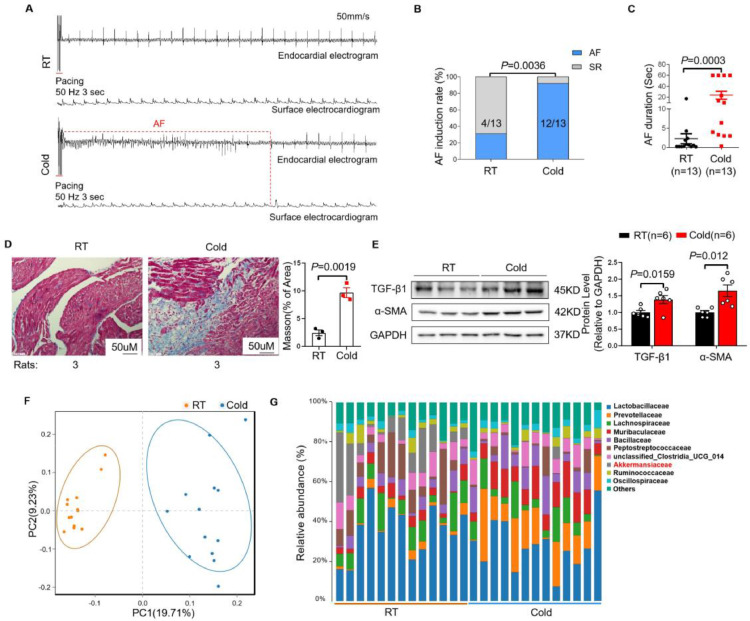
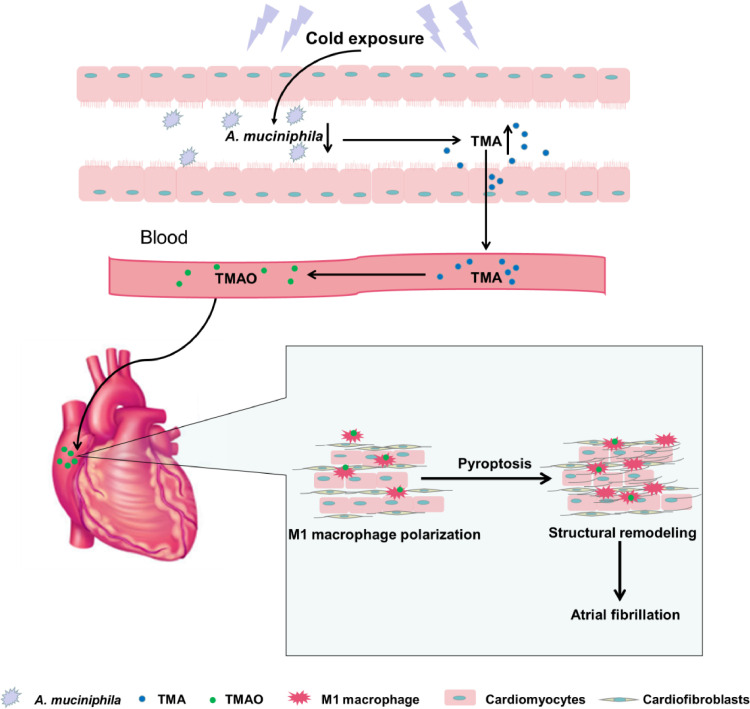
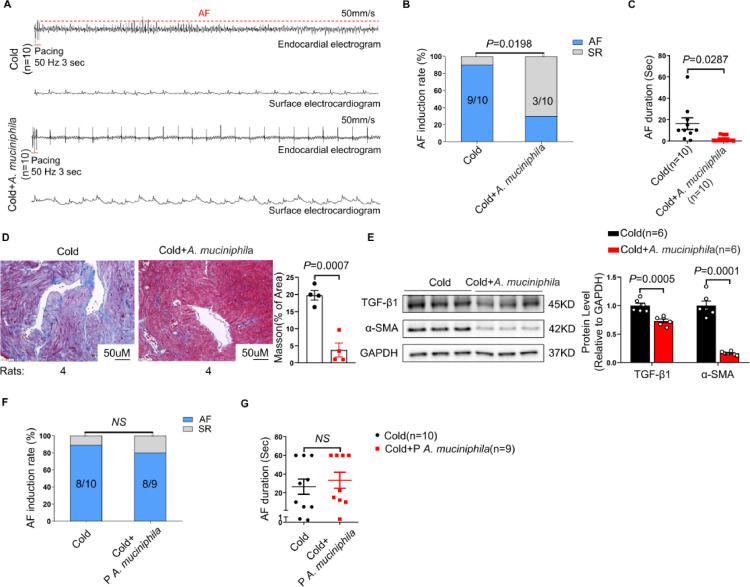
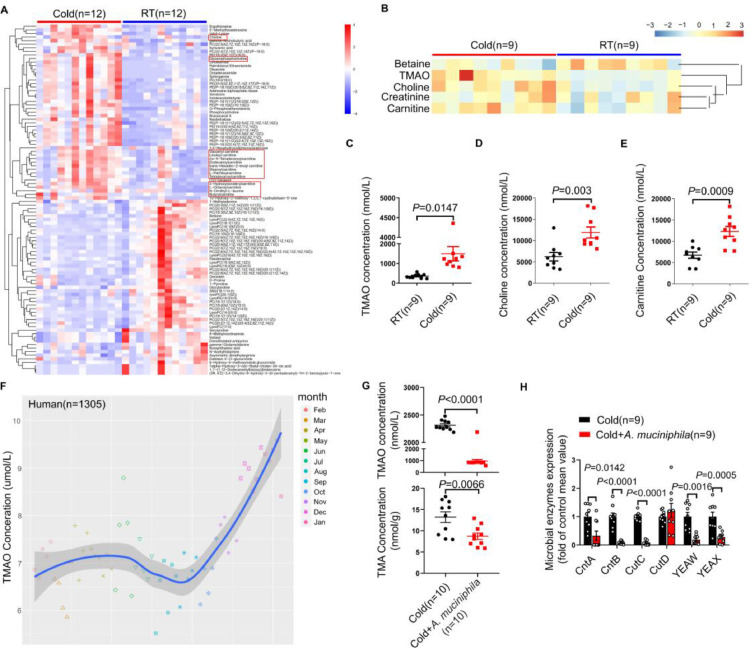
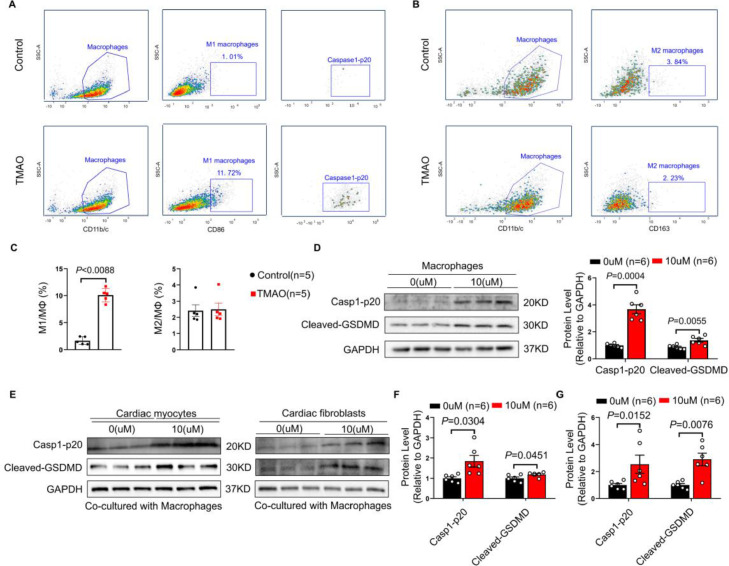
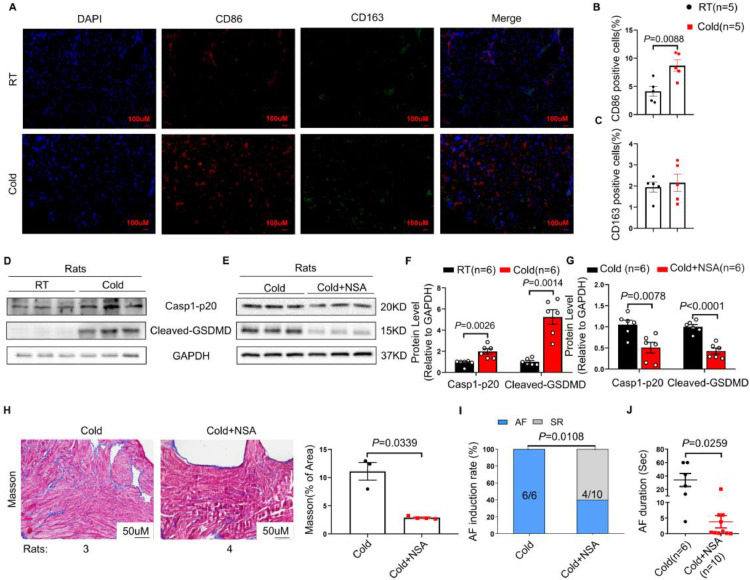
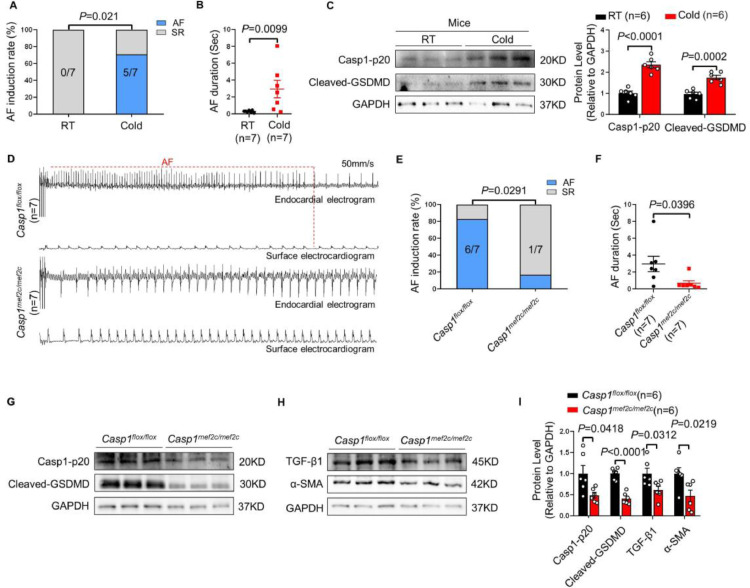
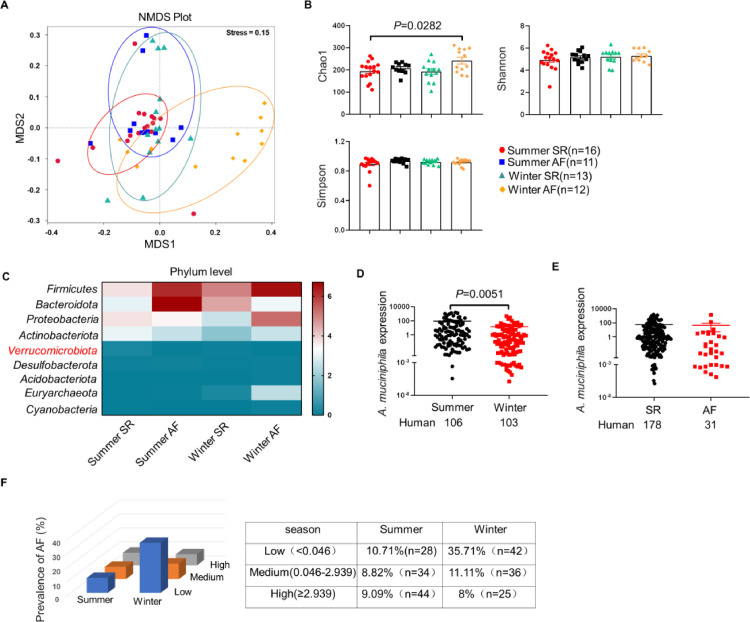
We found that cold exposure caused elevated susceptibility to AF and reduced abundance of Akkermansia muciniphila (A. muciniphila) in rats. Intriguingly, oral supplementation of A. muciniphila ameliorated the pro-AF property induced by cold exposure. Mechanistically, cold exposure disrupted the A. muciniphila, by which elevated the level of trimethylamine N-oxide (TMAO) through modulation of the microbial enzymes involved in trimethylamine (TMA) synthesis. Correspondingly, progressively increased plasma TMAO levels were validated in human subjects during cold weather. Raised TMAO enhanced the infiltration of M1 macrophages in atria and increased the expression of Casp1-p20 and cleaved-GSDMD, ultimately causing atrial structural remodeling. Furthermore, the mice with conditional deletion of caspase1 exhibited resistance to cold-related AF. More importantly, a cross-sectional clinical study revealed that the reduction of A. muciniphila abundance was an independent risk factor for cold-related AF in human subjects.
Our findings revealed a novel causal role of aberrant gut microbiota and metabolites in pathogenesis of cold-related AF, which raises the possibility of selectively targeting microbiota and microbial metabolites as a potential therapeutic strategy for cold-related AF.
This work was supported by grants from the State Key Program of National Natural Science Foundation of China (No.81830012), and National Natural Science Foundation of China (No.82070336, No.81974024), Youth Program of the National Natural Science Foundation of China (No.81900374, No.81900302), and Excellent Young Medical Talents supporting project in the First Affiliated Hospital of Harbin Medical University (No. HYD2020YQ0001).
寒冷暴露是心房颤动(AF)的最重要危险因素之一,与 AF 患者的不良预后密切相关。然而,寒冷相关 AF 的机制尚不清楚。
使用 16S rRNA 基因测序、粪便微生物移植和电生理检查等各种技术来确定肠道微生物失调是否促进寒冷相关 AF。进行代谢组学研究以确定在寒冷暴露期间粪便三甲胺(TMA)和血浆三甲胺 N-氧化物(TMAO)的变化。在体外研究寒冷相关 AF 的详细机制。构建转基因小鼠以探讨细胞焦亡在寒冷相关 AF 中的作用。使用人类队列评估 A. muciniphila 与寒冷相关 AF 的相关性。
我们发现寒冷暴露导致 AF 易感性增加,并且大鼠中 Akkermansia muciniphila(A. muciniphila)的丰度降低。有趣的是,口服补充 A. muciniphila 可改善寒冷暴露引起的促 AF 特性。机制上,寒冷暴露破坏了 A. muciniphila,通过调节参与三甲胺(TMA)合成的微生物酶,提高了 TMAO 的水平。相应地,在人类受试者在寒冷天气期间验证了逐渐增加的血浆 TMAO 水平。升高的 TMAO 增强了心房中 M1 巨噬细胞的浸润,并增加了 Casp1-p20 和 cleaved-GSDMD 的表达,最终导致心房结构重塑。此外,条件性缺失 caspase1 的小鼠对寒冷相关 AF 具有抗性。更重要的是,一项横断面临床研究表明,A. muciniphila 丰度的降低是人类受试者寒冷相关 AF 的独立危险因素。
我们的研究结果揭示了肠道微生物和代谢物在寒冷相关 AF 发病机制中的异常作用的新因果关系,这为选择性靶向微生物群和微生物代谢物作为寒冷相关 AF 的潜在治疗策略提供了可能性。
这项工作得到了国家自然科学基金重大项目(No.81830012)、国家自然科学基金(No.82070336、No.81900374、No.81900302)、国家自然科学基金青年项目(No.81900374、No.81900302)、哈尔滨医科大学第一附属医院优秀青年医学人才支持项目(No. HYD2020YQ0001)的支持。