Shen Yujie, Huang Qiang, Zhang Yifan, Hsueh Chi-Yao, Zhou Liang
Department of Otorhinolaryngology, Eye & ENT Hospital, Fudan University, Shanghai, 200031, China.
Cancer Cell Int. 2022 Jul 8;22(1):226. doi: 10.1186/s12935-022-02647-2.
A growing body of evidence has suggested the involvement of metabolism in the occurrence and development of tumors. But the link between metabolism and laryngeal squamous cell carcinoma (LSCC) has rarely been reported. This study seeks to understand and explain the role of metabolic biomarkers in predicting the prognosis of LSCC.
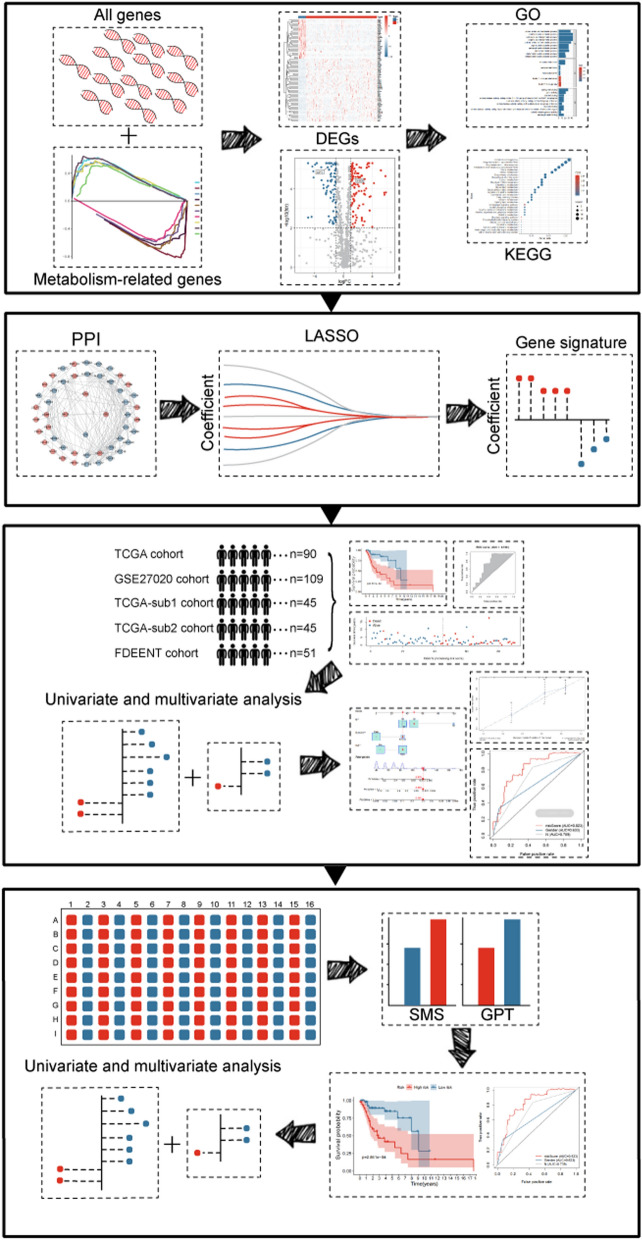
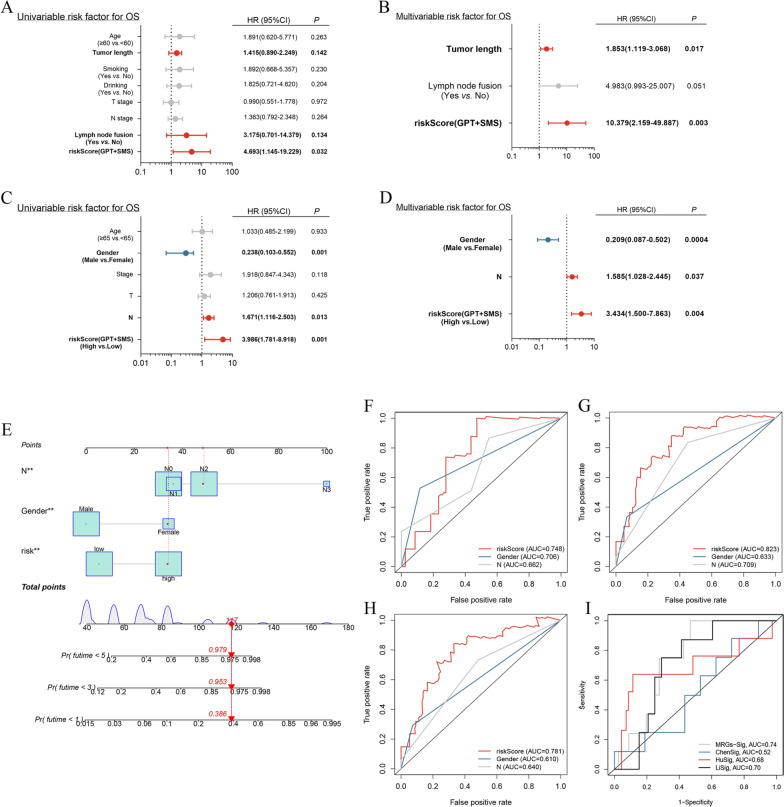
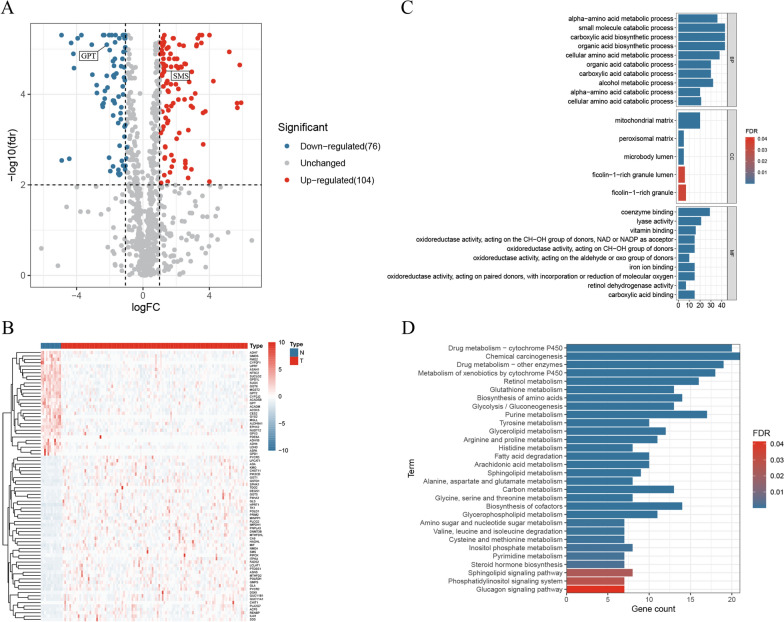
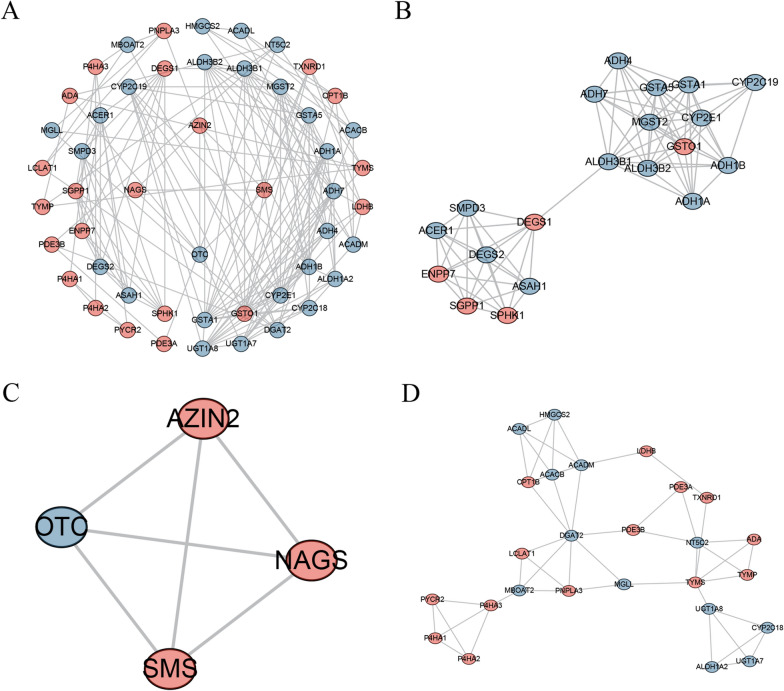
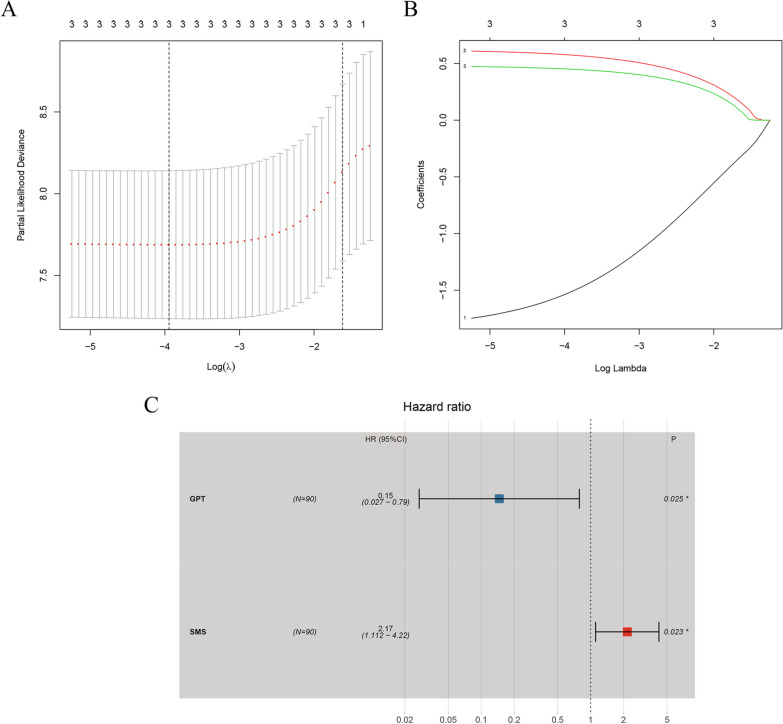
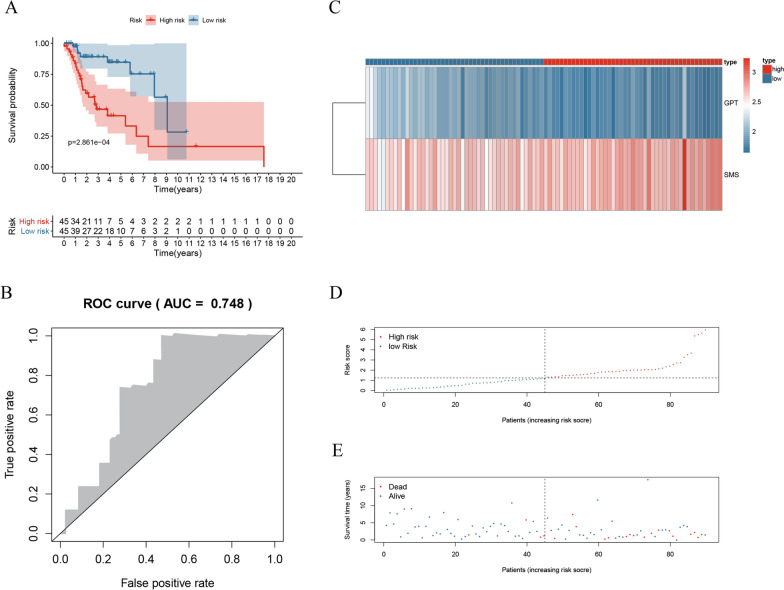
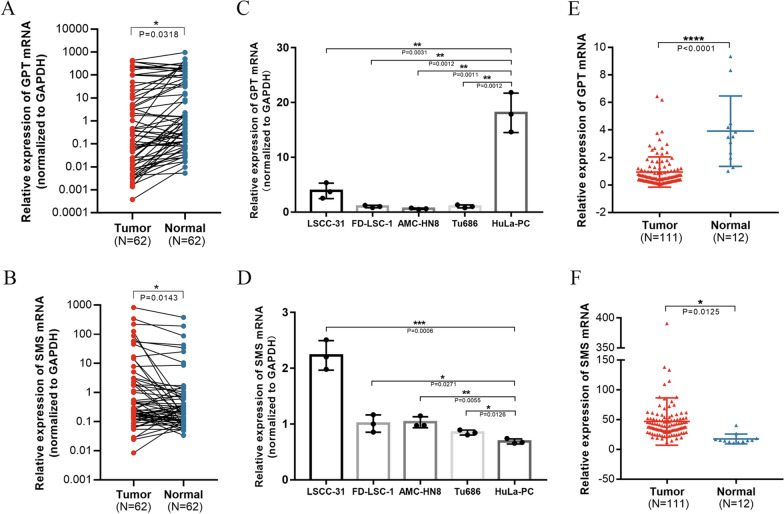
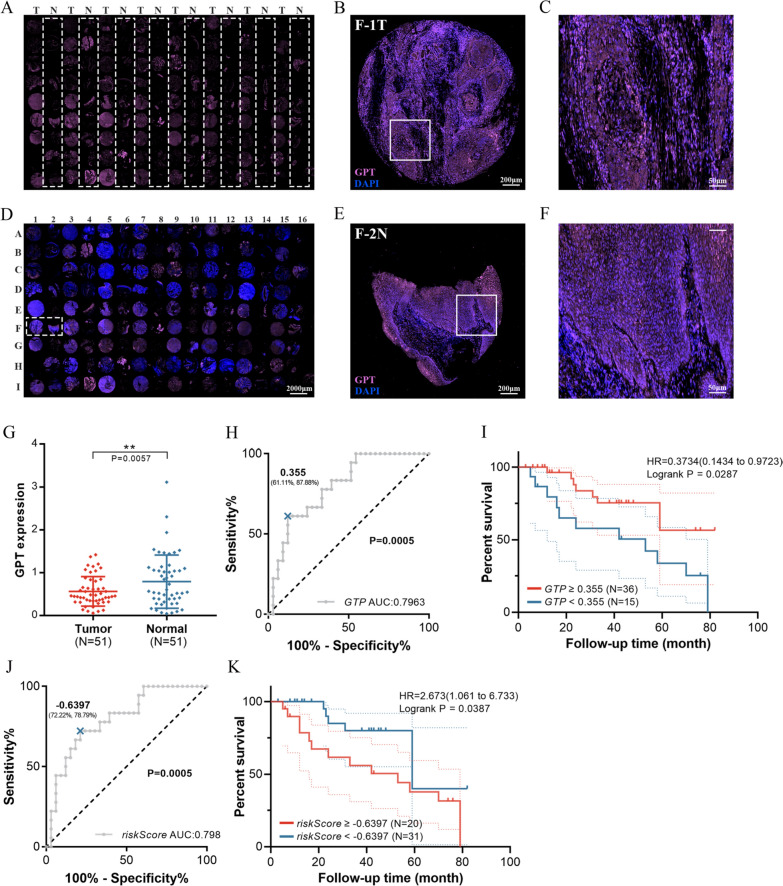
We identified the differentially expressed metabolism-related genes (MRGs) through RNA-seq data of The Cancer Genome Atlas (TCGA) and Gene set enrichment analysis (GSEA). After the screening of protein-protein interaction (PPI), hub MRGs were analyzed by least absolute shrinkage and selection operator (LASSO) and Cox regression analyses to construct a prognostic signature. Kaplan-Meier survival analysis and the receiver operating characteristic (ROC) was applied to verify the effectiveness of the prognostic signature in four cohorts (TCGA cohort, GSE27020 cohort, TCGA-sub1 cohort and TCGA-sub2 cohort). The expressions of the hub MRGs in LSCC cell lines and clinical samples were verified by quantitative reverse transcriptase PCR (qRT-PCR). The immunofluorescence staining of the tissue microarray (TMA) was carried out to further verify the reliability and validity of the prognostic signature. Cox regression analysis was then used to screen for independent prognostic factors of LSCC and a nomogram was constructed based on the results.
Among the 180 differentially expressed MRGs, 14 prognostic MRGs were identified. A prognostic signature based on two MRGs (GPT and SMS) was then constructed and verified via internal and external validation cohorts. Compared to the adjacent normal tissues, SMS expression was higher while GPT expression was lower in LSCC tissues, indicating poorer outcomes. The prognostic signature was proven as an independent risk factor for LSCC in both internal and external validation cohorts. A nomogram based on these results was developed for clinical application.
Differentially expressed MRGs were found and proven to be related to the prognosis of LSCC. We constructed a novel prognostic signature based on MRGs in LSCC for the first time and verified it via different cohorts from both databases and clinical samples. A nomogram based on this prognostic signature was developed.
越来越多的证据表明代谢参与肿瘤的发生和发展。但代谢与喉鳞状细胞癌(LSCC)之间的联系鲜有报道。本研究旨在了解并解释代谢生物标志物在预测LSCC预后中的作用。
我们通过癌症基因组图谱(TCGA)的RNA测序数据和基因集富集分析(GSEA)确定差异表达的代谢相关基因(MRGs)。经过蛋白质-蛋白质相互作用(PPI)筛选后,通过最小绝对收缩和选择算子(LASSO)和Cox回归分析对核心MRGs进行分析,以构建预后特征。应用Kaplan-Meier生存分析和受试者工作特征(ROC)曲线验证预后特征在四个队列(TCGA队列、GSE27020队列、TCGA-sub1队列和TCGA-sub2队列)中的有效性。通过定量逆转录聚合酶链反应(qRT-PCR)验证核心MRGs在LSCC细胞系和临床样本中的表达。进行组织微阵列(TMA)的免疫荧光染色以进一步验证预后特征的可靠性和有效性。然后使用Cox回归分析筛选LSCC的独立预后因素,并根据结果构建列线图。
在180个差异表达的MRGs中,确定了14个预后MRGs。然后基于两个MRGs(GPT和SMS)构建了预后特征,并通过内部和外部验证队列进行验证。与相邻正常组织相比,LSCC组织中SMS表达较高而GPT表达较低,提示预后较差。在内部和外部验证队列中,预后特征均被证明是LSCC的独立危险因素。基于这些结果开发了用于临床应用的列线图。
发现了差异表达的MRGs,并证明其与LSCC的预后相关。我们首次基于LSCC中的MRGs构建了一种新的预后特征,并通过来自数据库和临床样本的不同队列进行了验证。基于该预后特征开发了列线图。