Mo Bin-Yu, Li Guo-Sheng, Huang Su-Ning, Wei Zhu-Xin, Su Ya-Si, Dai Wen-Bin, Ruan Lin
Department of Otolaryngology, Liuzhou People's Hospital of Guangxi, Liuzhou, Guangxi, China (mainland).
Department of Radiotherapy, First Affiliated Hospital of Guangxi Medical University, Nanning, Guangxi, China (mainland).
Med Sci Monit. 2020 Dec 26;26:e928185. doi: 10.12659/MSM.928185.
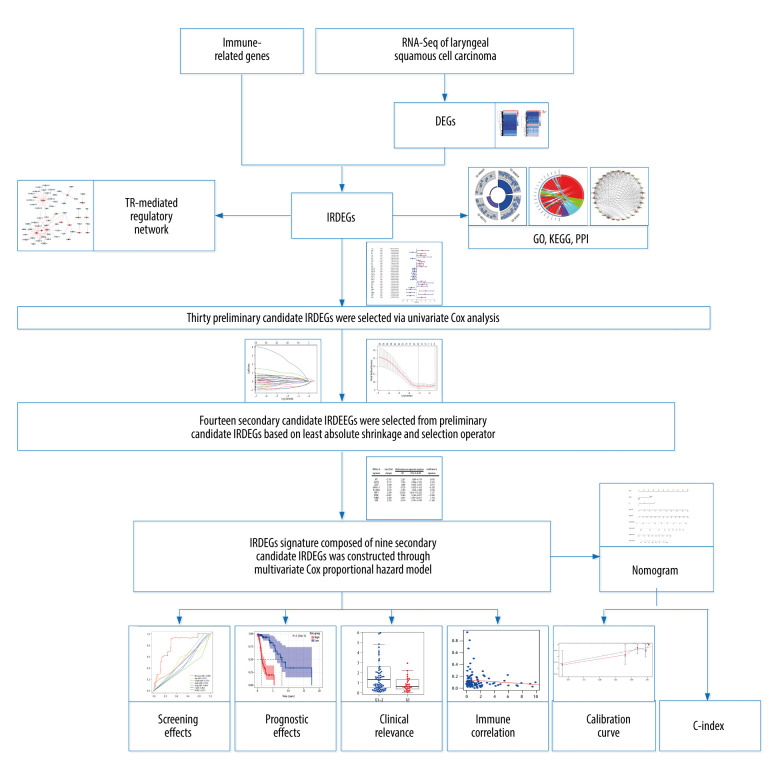
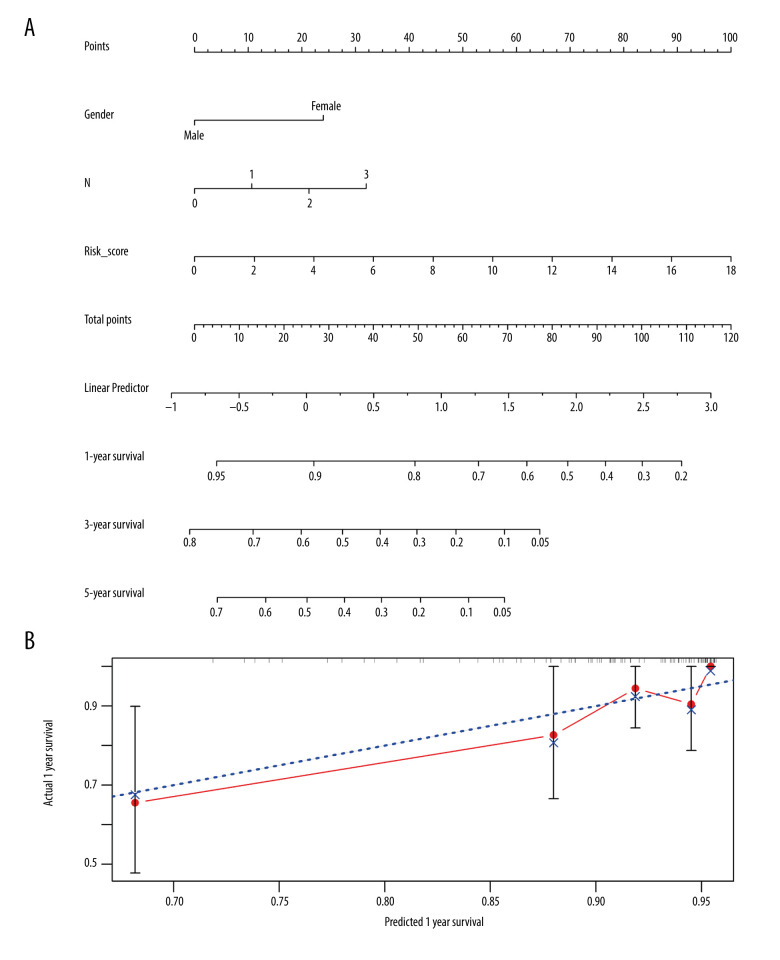
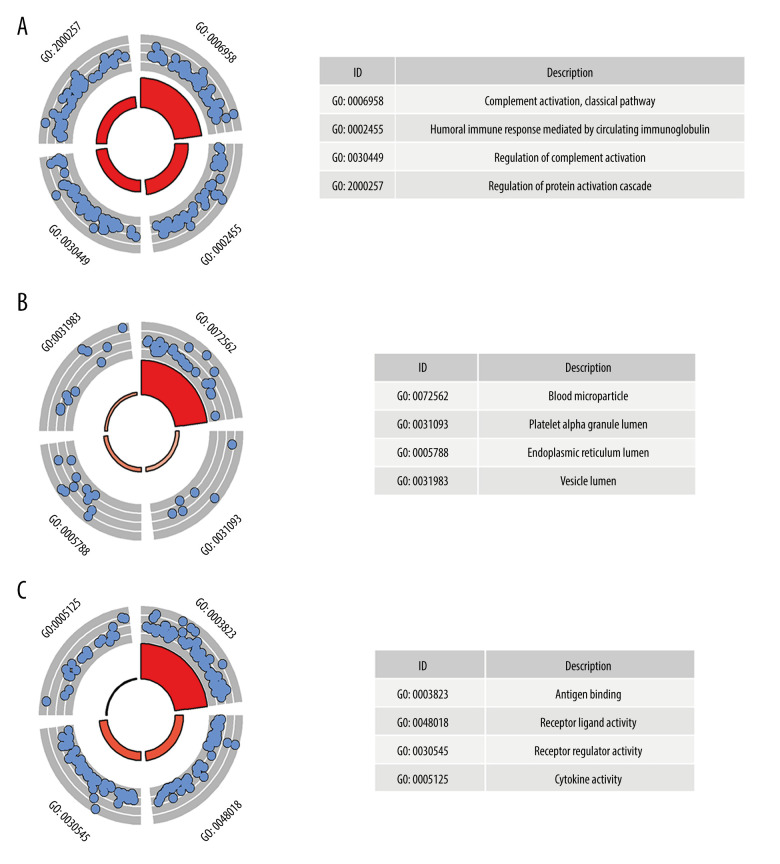
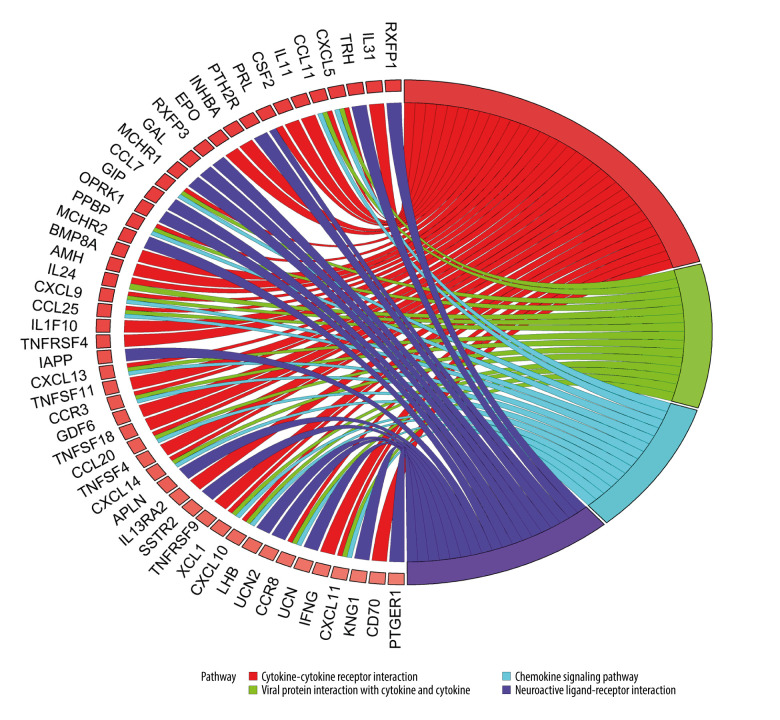
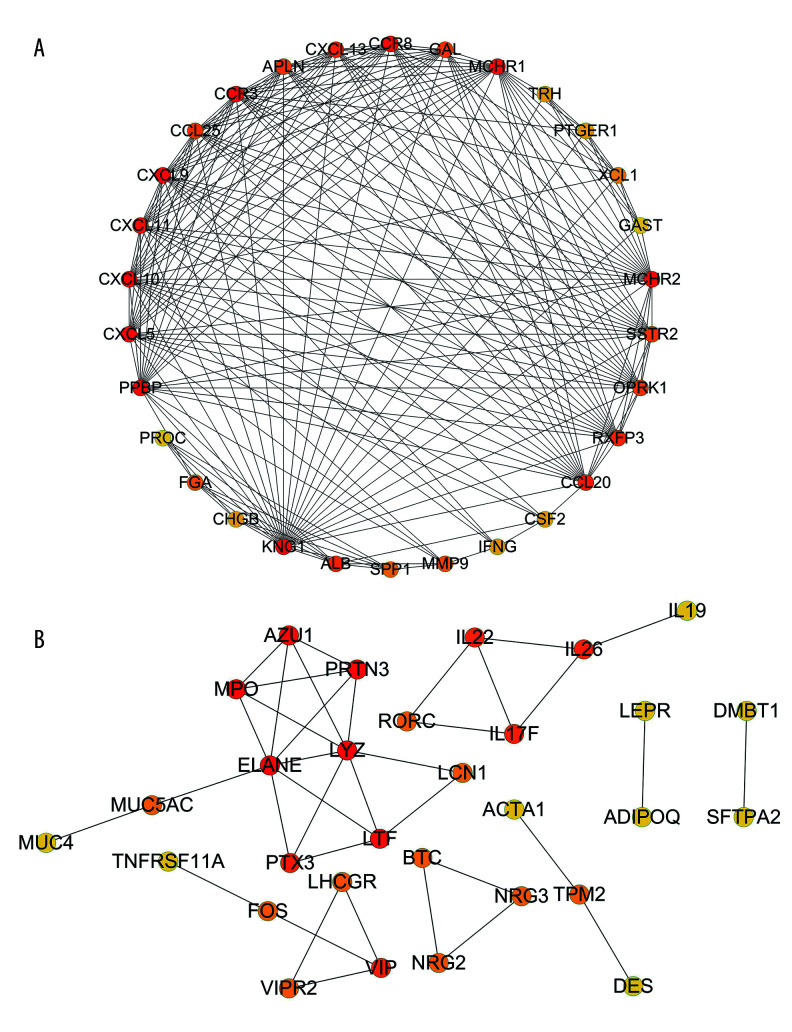
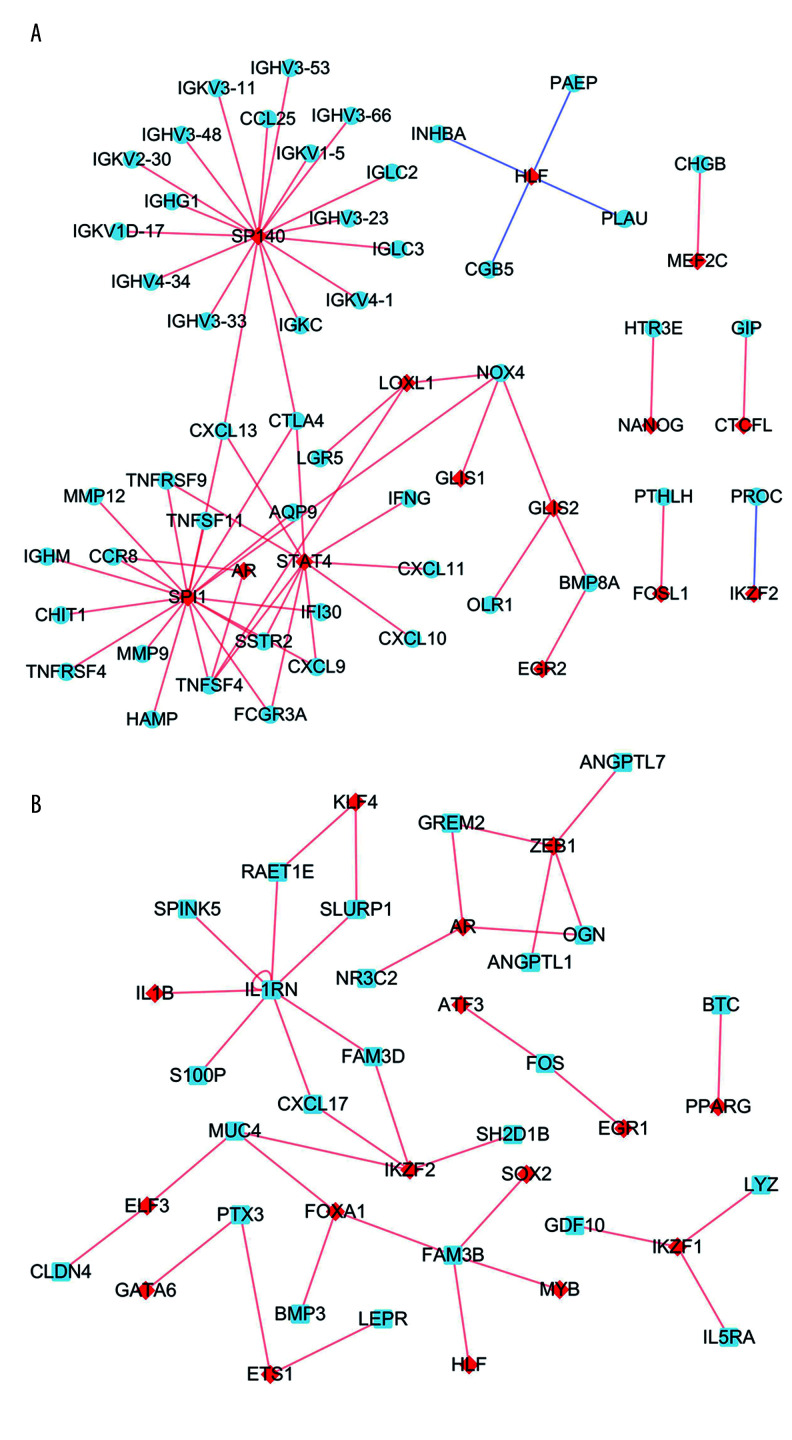
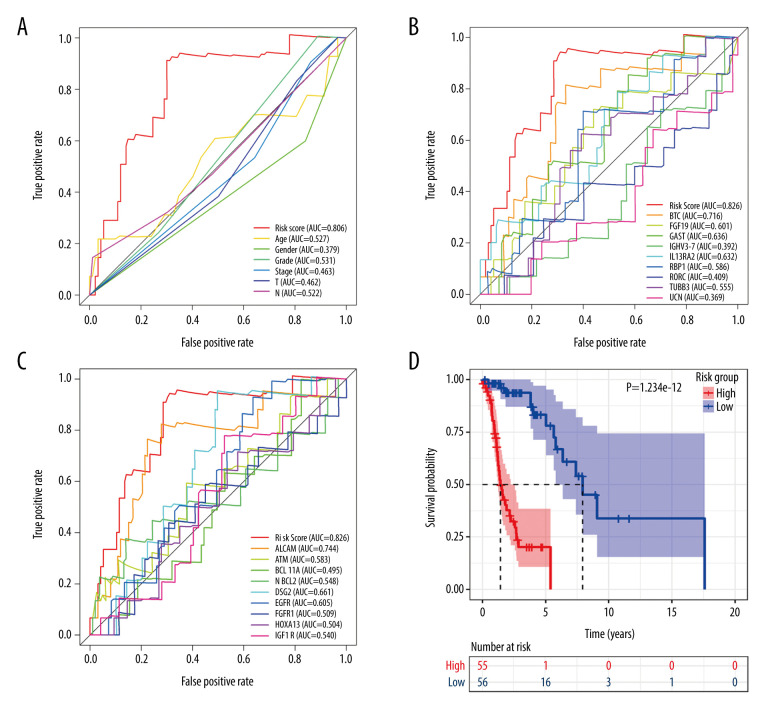
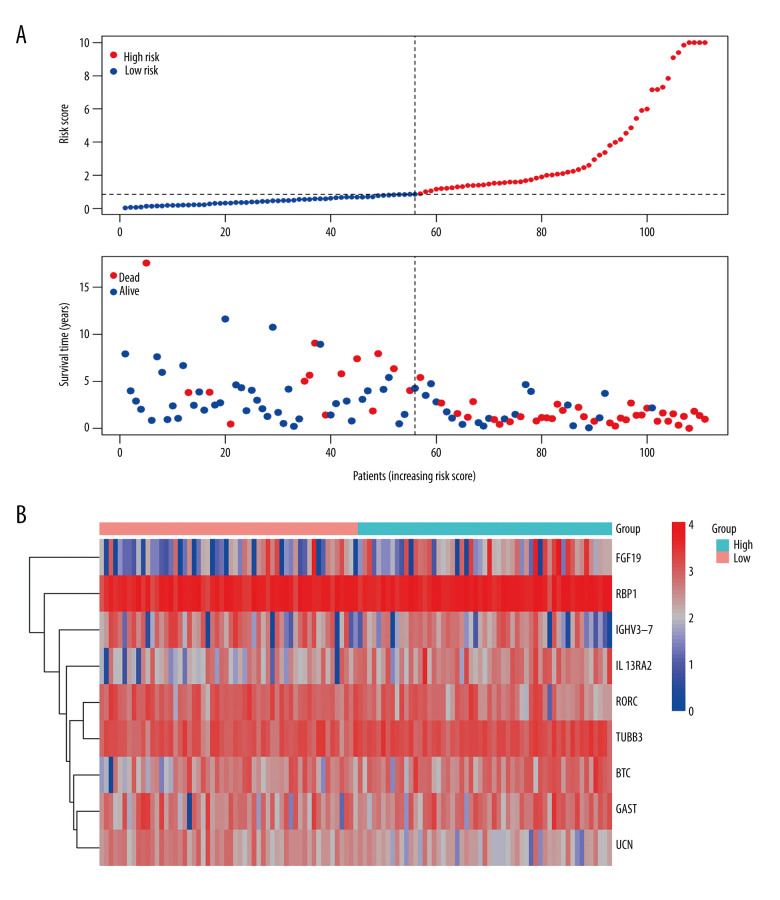
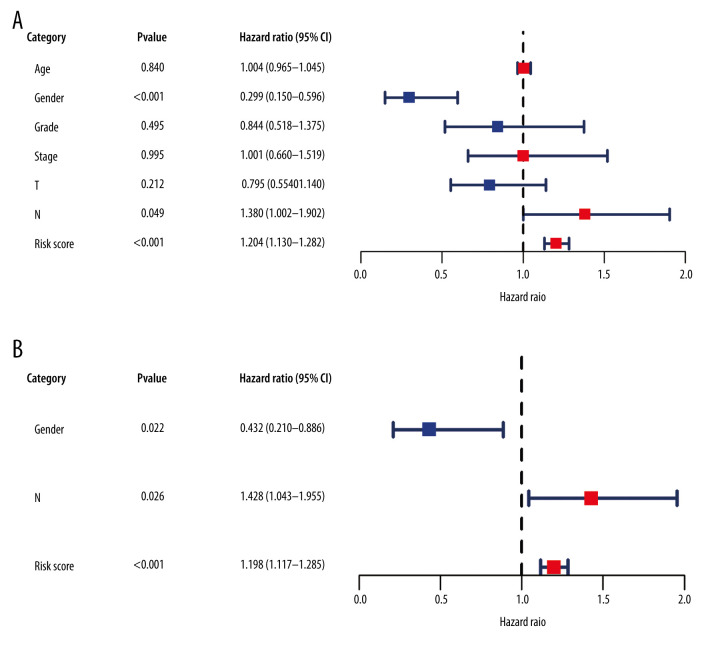
BACKGROUND Immune-related genes (IRGs) are closely related to the incidence and progression of tumors, potentially indicating that IRGs play an important role in laryngeal squamous cell carcinoma (LSCC). MATERIAL AND METHODS An RNA sequencing dataset containing 123 samples was collected from The Cancer Genome Atlas. Based on immune-related differentially expressed genes (IRDEGs), a potential molecular mechanism of LSCC was explored through analysis of information in the Gene Ontology (GO) resource and the Kyoto Encyclopedia of Genes and Genomes (KEGG), and protein-protein interactions (PPIs). A regulatory network of transcriptional regulators and IRDEGs was constructed to explore the underlying molecular mechanism of LSCC at the upstream level. Candidates from IRDEGs for signature were screened via univariate Cox analysis and using the least absolute shrinkage and selection operator (LASSO) technique. The IRDEG signature of LSCC was constructed by using a multivariate Cox proportional hazards model. RESULTS GO and KEGG analysis showed that IRDEGs may participate in the progression of LSCC through immune-related reactions. PPI analysis demonstrated that, among the IRDEGs in LSCC, the Kininogen 1; C-X-X motif chemokine ligand 10; elastase, neutrophil expressed; and LYZ genes are hub genes in the development of LSCC. At the upstream level, SPI1, SP140, signal transducer and activator of transcription 4, zinc finger E-box binding homeobox, and Ikaros family zinc finger 2 are the hub transcriptional regulators of IRDEGs. The risk score based on the IRDEG signature was able to distinguish prognosis in patients with LSCC and represents an independent prognostic risk factor for LSCC. CONCLUSIONS From the perspective of IRGs, we first constructed an IRDEG signature related to the prognosis of LSCC, which can be used as a novel marker to predict prognosis in patients with LSCC.
背景 免疫相关基因(IRGs)与肿瘤的发生和进展密切相关,这可能表明IRGs在喉鳞状细胞癌(LSCC)中发挥着重要作用。
材料与方法 从癌症基因组图谱中收集了一个包含123个样本的RNA测序数据集。基于免疫相关差异表达基因(IRDEGs),通过对基因本体论(GO)资源、京都基因与基因组百科全书(KEGG)中的信息以及蛋白质-蛋白质相互作用(PPI)进行分析,探索LSCC的潜在分子机制。构建转录调节因子和IRDEGs的调控网络,以在上游水平探索LSCC的潜在分子机制。通过单变量Cox分析并使用最小绝对收缩和选择算子(LASSO)技术,从IRDEGs中筛选出用于特征标记的候选基因。使用多变量Cox比例风险模型构建LSCC的IRDEG特征标记。
结果 GO和KEGG分析表明,IRDEGs可能通过免疫相关反应参与LSCC的进展。PPI分析表明,在LSCC的IRDEGs中,激肽原1、C-X-X基序趋化因子配体10、中性粒细胞表达的弹性蛋白酶和溶菌酶基因是LSCC发展中的枢纽基因。在上游水平,SPI1、SP140、信号转导和转录激活因子4、锌指E盒结合同源盒蛋白和Ikaros家族锌指2是IRDEGs的枢纽转录调节因子。基于IRDEG特征标记的风险评分能够区分LSCC患者的预后,并且是LSCC的一个独立预后风险因素。
结论 从IRGs的角度,我们首次构建了一个与LSCC预后相关的IRDEG特征标记,可作为预测LSCC患者预后的新型标志物。