Department of Stomatology and Maxillofacial Surgery, Faculty of Medicine, Comenius University in Bratislava, 81250 Bratislava, Slovakia.
Department of Orthodontics and Cleft Anomalies, Dental Clinic 3rd Medical Faculty Charles University, Faculty Hospital Kralovske Vinohrady, 10034 Prague, Czech Republic.
Int J Environ Res Public Health. 2022 Jun 23;19(13):7693. doi: 10.3390/ijerph19137693.
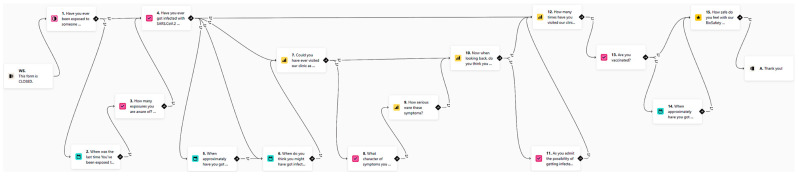
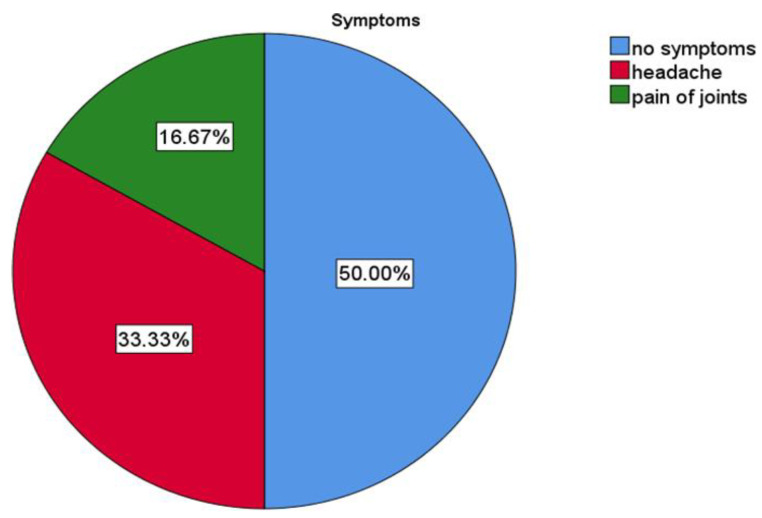
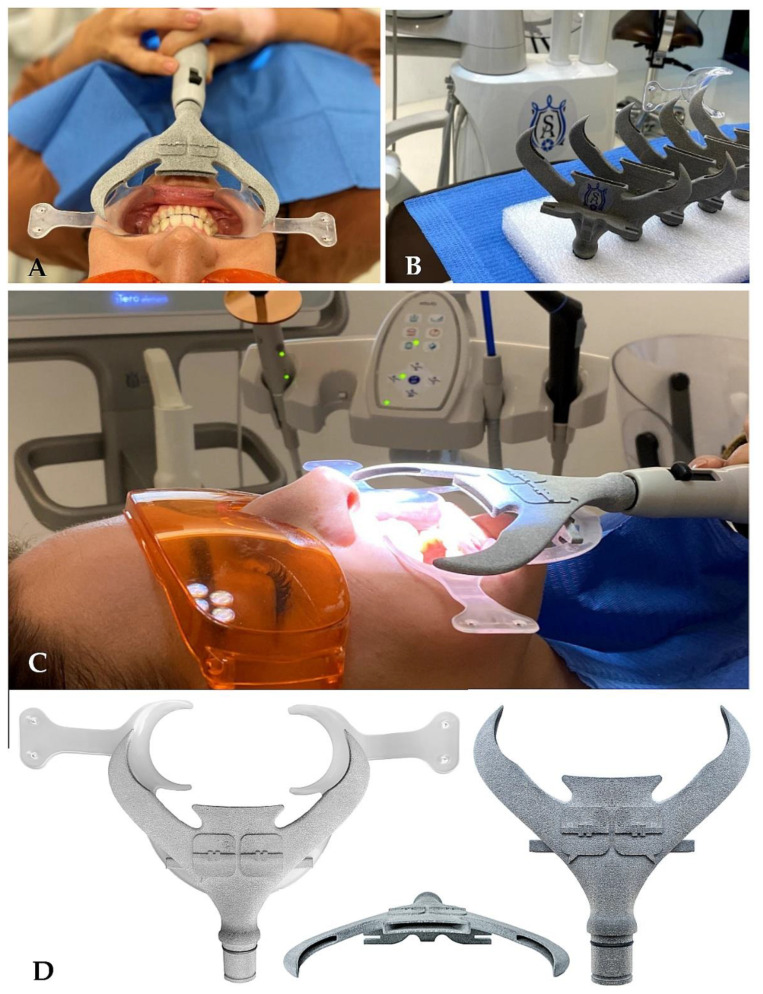
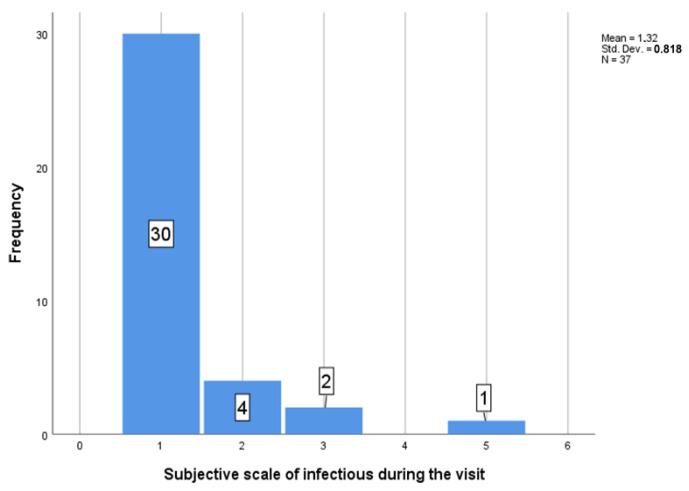
With the arrival of the highly transmissible Omicron variants (BA.4 and BA.5), dentistry faces another seasonal challenge to preserve the biosafety of dental care and education. With the aim of protecting patients, students, teachers and healthcare professionals, this paper introduces a prospective sustainable biosafety setting for everyday dental care and education. The setting developed by dental clinicians, epidemiologists, and teachers of dentistry consists of a combination of modern technologies focused on the air-borne part of the viral pathway. The introduced biosafety setting has been clinically evaluated after 18 months of application in the real clinical environment. The protocol has three fundamental pillars: (1) UVC air disinfection; (2) air saturation with certified virucidal essences with nebulizing diffusers; (3) complementary solutions including telehealth and 3D printing. A pseudonymous online smart form was used as the evaluation method. The protocol operates on the premise that everybody is a hypothetical asymptomatic carrier. The results of a clinical evaluation of 115 patient feedbacks imply that no virus transmission from patient to patient or from doctor to nurse was observed or reported using this protocol, and vice versa, although nine patients retrospectively admitted that the clinic visit is likely to be infectious. Despite these promising results, a larger clinical sample and exposition to the current mutated strains are needed for reliable conclusions about protocol virucidal efficiency in current dental environments.
随着高传染性的奥密克戎变异株(BA.4 和 BA.5)的到来,牙科面临着另一个季节性挑战,即如何保持牙科护理和教育的生物安全。本论文旨在保护患者、学生、教师和医护人员,为日常牙科护理和教育引入了一种有前景的可持续生物安全设置。该设置由牙科临床医生、流行病学家和牙科学教师开发,由专注于病毒传播空气部分的现代技术组成。该生物安全设置在实际临床环境中应用 18 个月后进行了临床评估。该方案有三个基本支柱:(1)UVC 空气消毒;(2)用经过认证的具有空气饱和作用的杀病毒精华液和喷雾器;(3)包括远程医疗和 3D 打印在内的补充解决方案。使用匿名在线智能表格作为评估方法。该方案的前提是每个人都是假设的无症状携带者。115 名患者反馈的临床评估结果表明,使用该方案未观察到或报告患者之间或医生到护士之间的病毒传播,反之亦然,尽管有 9 名患者回顾性地承认诊所就诊可能具有传染性。尽管取得了这些有希望的结果,但需要更大的临床样本和暴露于当前突变株,才能对当前牙科环境中该方案的病毒杀灭效率得出可靠的结论。