Immunopathology Group, Mater Research Institute, The University of Queensland, Translational Research Institute, Woolloongabba, Queensland, Australia.
Inflammatory Bowel Diseases Group, Mater Research Institute, The University of Queensland, Translational Research Institute, Woolloongabba, Queensland, Australia.
Cell Mol Gastroenterol Hepatol. 2022;14(4):789-811. doi: 10.1016/j.jcmgh.2022.06.010. Epub 2022 Jul 6.
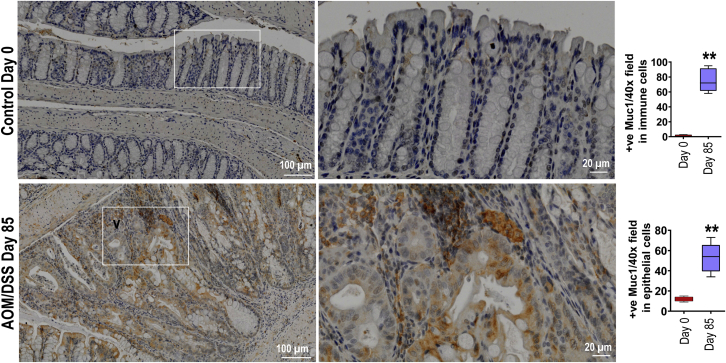
BACKGROUND & AIMS: MUC1 is abnormally expressed in colorectal cancer, including colitis-associated colorectal cancer (CAC), but its role in tumorigenesis is unclear. This study investigated MUC1's effects in murine models of colitis and CAC and elucidated mechanisms of action.
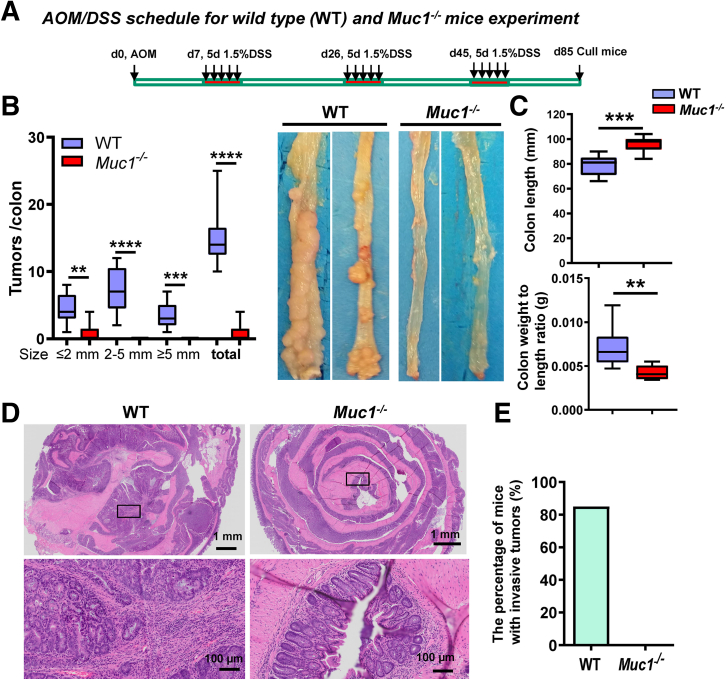
Colitis and CAC were induced in mice by exposure to dextran sodium sulfate or azoxymethane plus dextran sodium sulphate. Clinical parameters, immune cell infiltration, and tumor development were monitored throughout disease progression. Experiments in knockout mice and bone marrow chimeras were combined with an exploration of immune cell abundance and function.
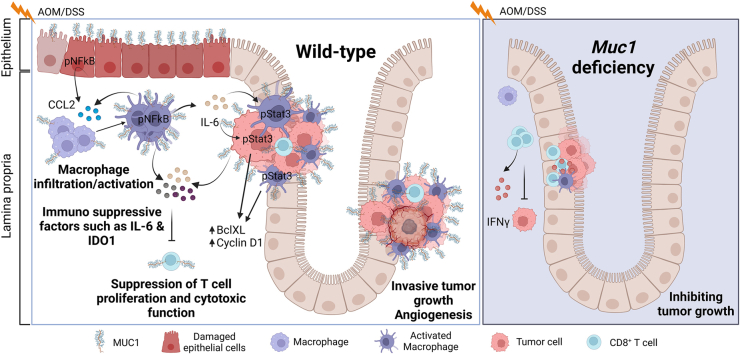
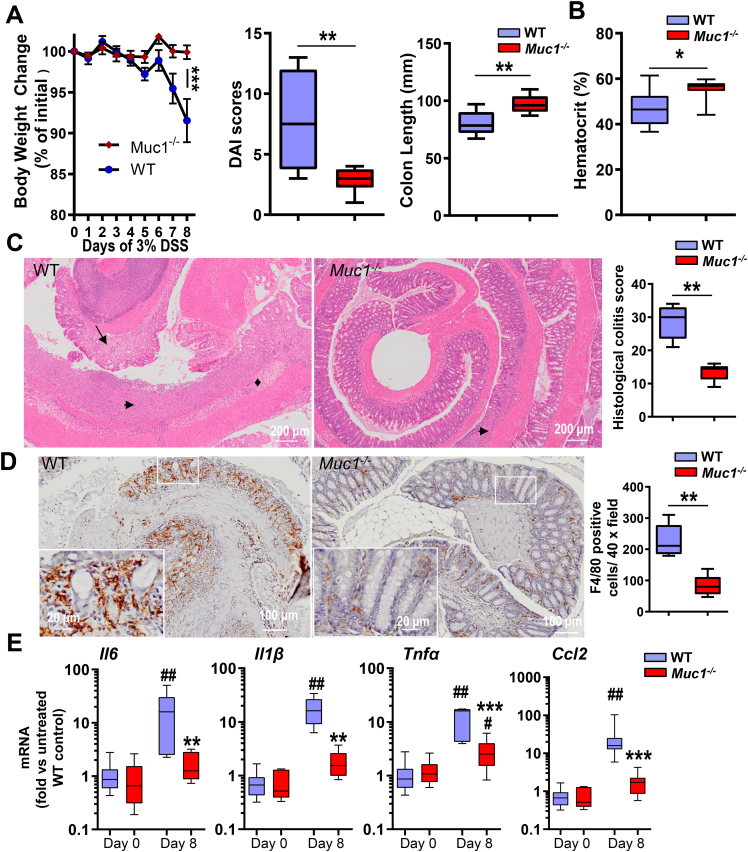
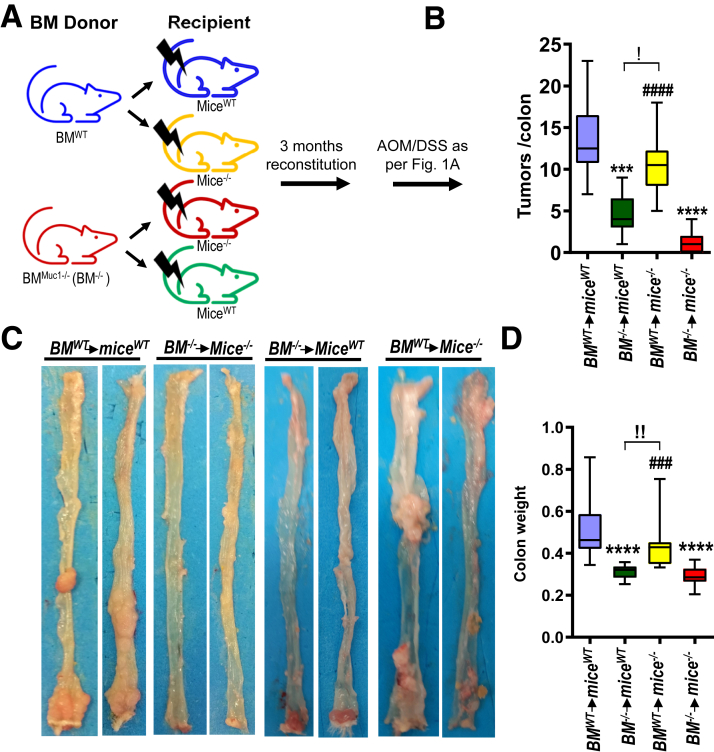
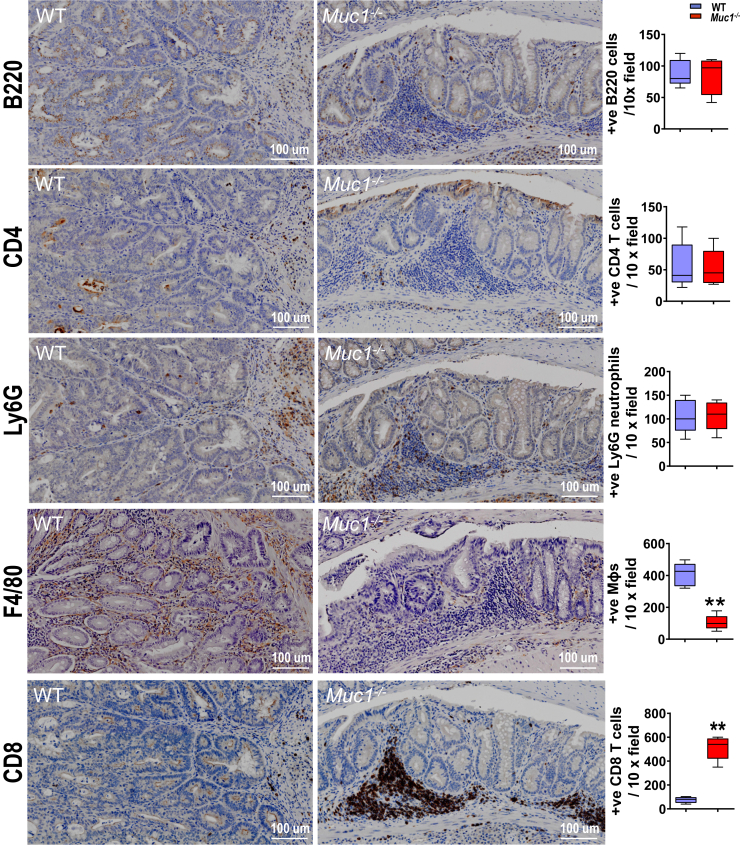
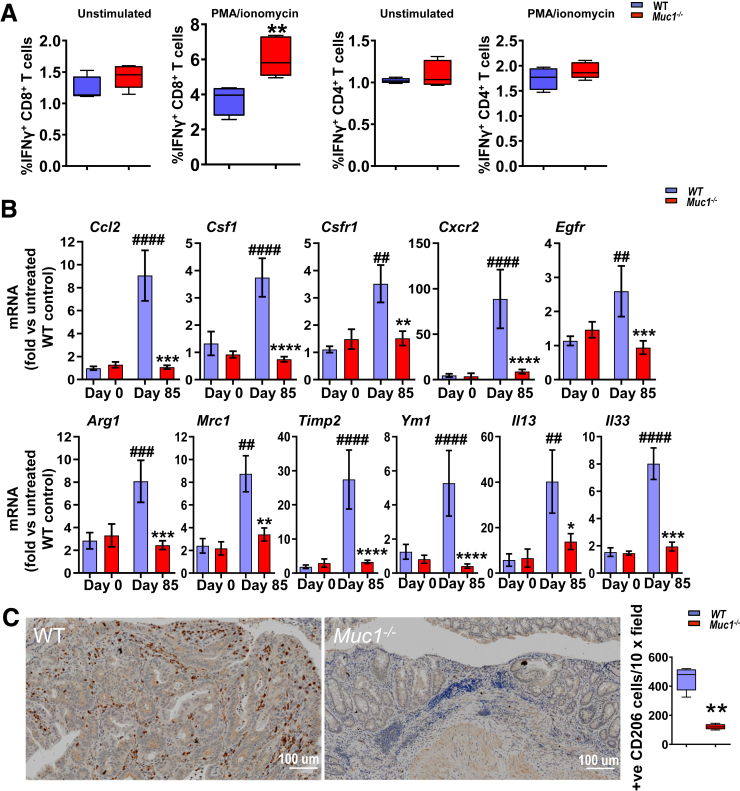
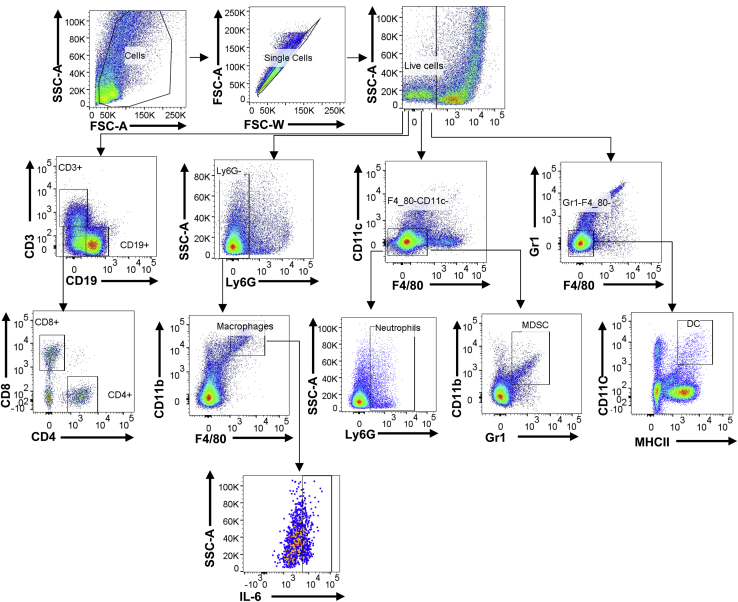
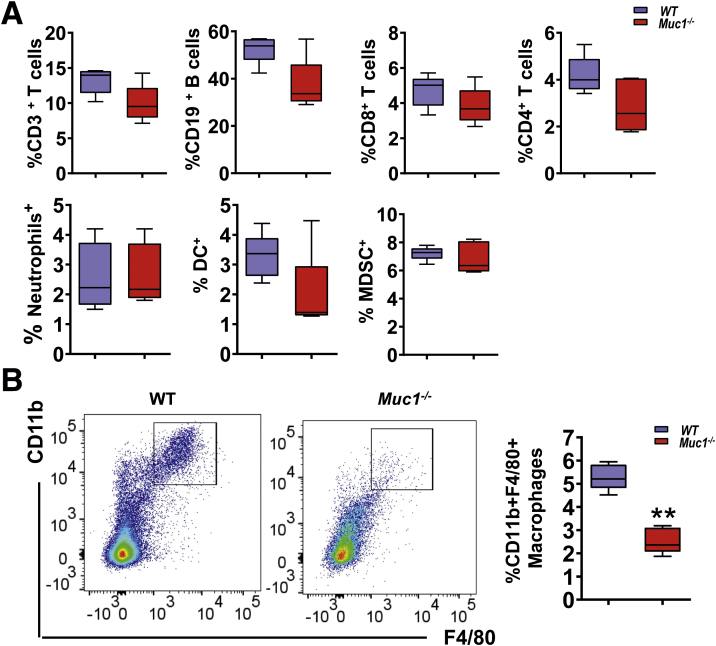
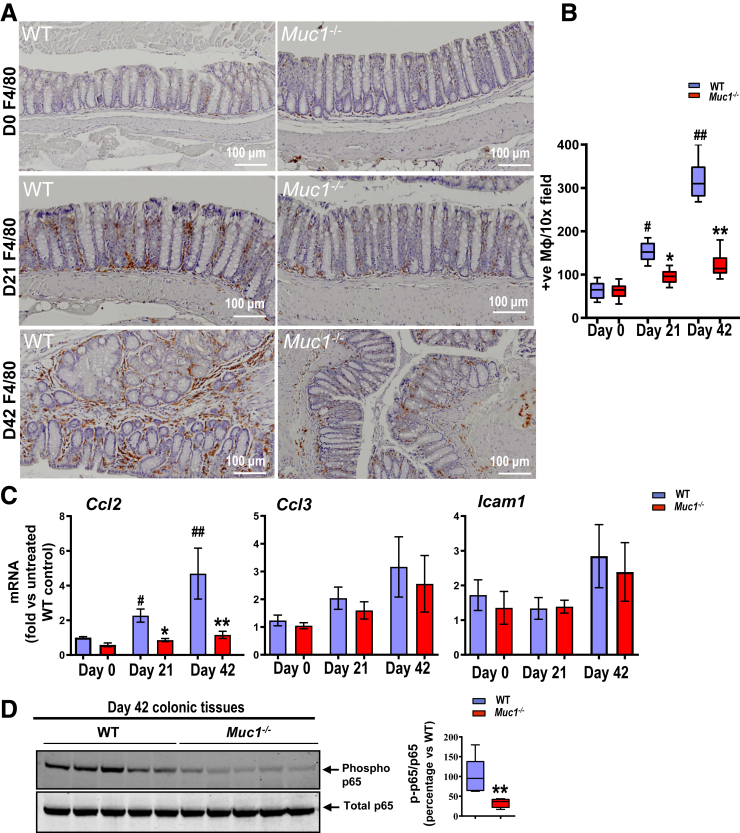
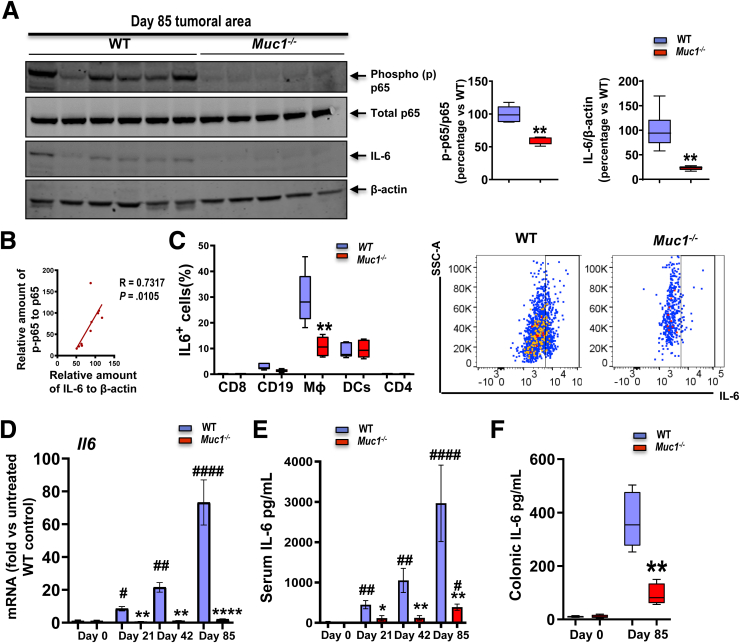
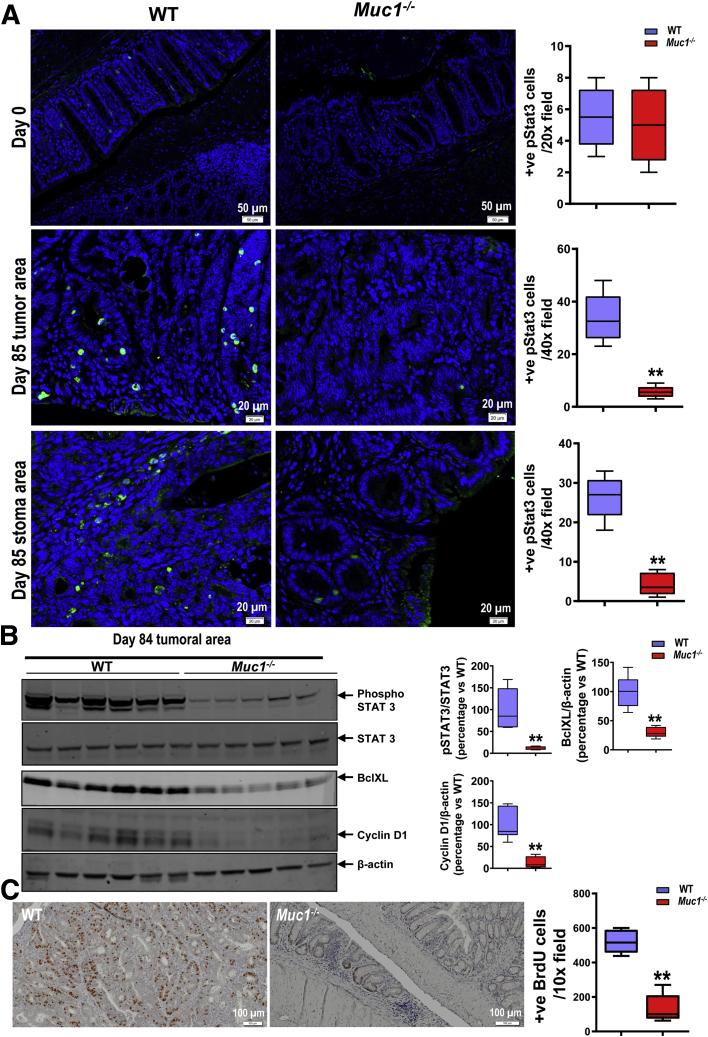
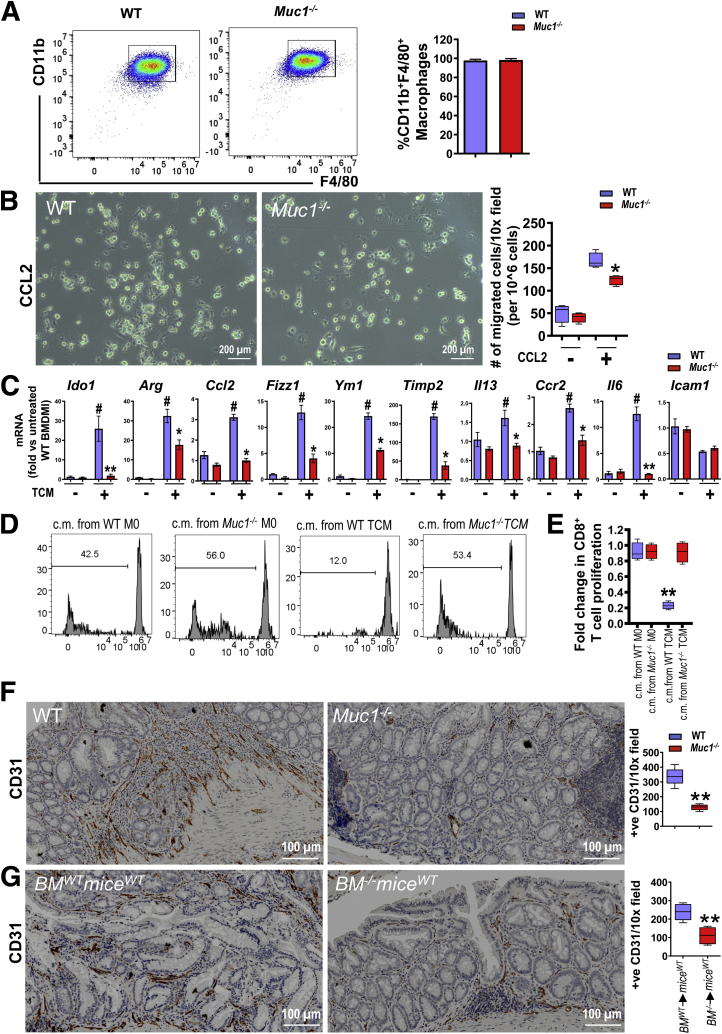
Deficiency of Muc1 suppressed inflammation, inhibited tumor progression, increased abundance of CD8 T lymphocytes, and reduced abundance of macrophages in colon tumors. Bone marrow chimeras showed promotion of CAC was primarily mediated by Muc1-expressing hematopoietic cells, and that MUC1 promoted a pro-tumoral immunosuppressive macrophage phenotype within tumors. Mechanistic studies revealed that Muc1 deficiency remarkably reduced interleukin-6 levels in the colonic tissues and tumors that was mainly produced by infiltrating macrophages at day 21, 42, and 85. In bone marrow-derived macrophages, MUC1 promoted responsiveness to chemoattractant and promoted activation into a phenotype with high Il6 and Ido1 expression, secreting factors which inhibited CD8 T cell proliferation. MUC1 potently drives macrophages to produce interleukin-6, which in turn drives a pro-tumorigenic activation of signal transducer and activator of transcription 3 in colon epithelial tumor and stromal cells, ultimately increasing the occurrence and development of CAC.
Our findings provide cellular and molecular mechanisms for the pro-tumorigenic functions of MUC1 in the inflamed colon. Therapeutic strategies to inhibit MUC1 signal transduction warrant consideration for the prevention or therapy of CAC.
MUC1 在结直肠癌中异常表达,包括结肠炎相关结直肠癌(CAC),但其在肿瘤发生中的作用尚不清楚。本研究探讨了 MUC1 在结肠炎和 CAC 小鼠模型中的作用,并阐明了其作用机制。
通过给予葡聚糖硫酸钠或氧化偶氮甲烷加葡聚糖硫酸钠诱导小鼠结肠炎和 CAC。在疾病进展过程中监测临床参数、免疫细胞浸润和肿瘤发展。通过对基因敲除小鼠和骨髓嵌合体的实验,结合对免疫细胞丰度和功能的探索,进行了研究。
Muc1 缺陷抑制了炎症,抑制了肿瘤的进展,增加了 CD8 T 淋巴细胞的丰度,并减少了结肠肿瘤中巨噬细胞的丰度。骨髓嵌合体显示 CAC 的促进主要是由表达 Muc1 的造血细胞介导的,并且 MUC1 促进了肿瘤内促肿瘤免疫抑制性巨噬细胞表型。机制研究表明,Muc1 缺陷在第 21、42 和 85 天显着降低了结肠组织和肿瘤中的白细胞介素 6 水平,主要由浸润巨噬细胞产生。在骨髓来源的巨噬细胞中,MUC1 促进了对趋化因子的反应,并促进了具有高 Il6 和 Ido1 表达的激活表型,分泌抑制 CD8 T 细胞增殖的因子。MUC1 有力地驱动巨噬细胞产生白细胞介素 6,反过来又驱动转录激活因子 3 在结肠上皮肿瘤和基质细胞中的促肿瘤发生激活,最终增加 CAC 的发生和发展。
我们的研究结果为 MUC1 在炎症结肠中的促肿瘤发生功能提供了细胞和分子机制。抑制 MUC1 信号转导的治疗策略值得考虑用于 CAC 的预防或治疗。