Panigrahy Neha, Aedma Surya, Lee Matthew
Medicine, Carle Illinois College of Medicine, Champaign, USA.
Internal Medicine, Carle Foundation Hospital, Urbana, USA.
Cureus. 2022 Jun 6;14(6):e25691. doi: 10.7759/cureus.25691. eCollection 2022 Jun.
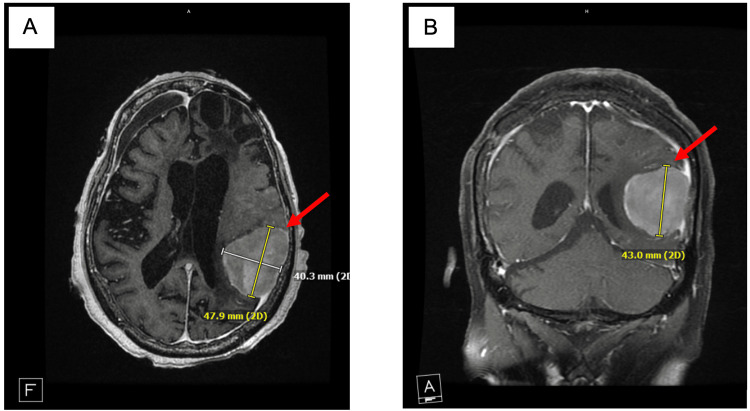
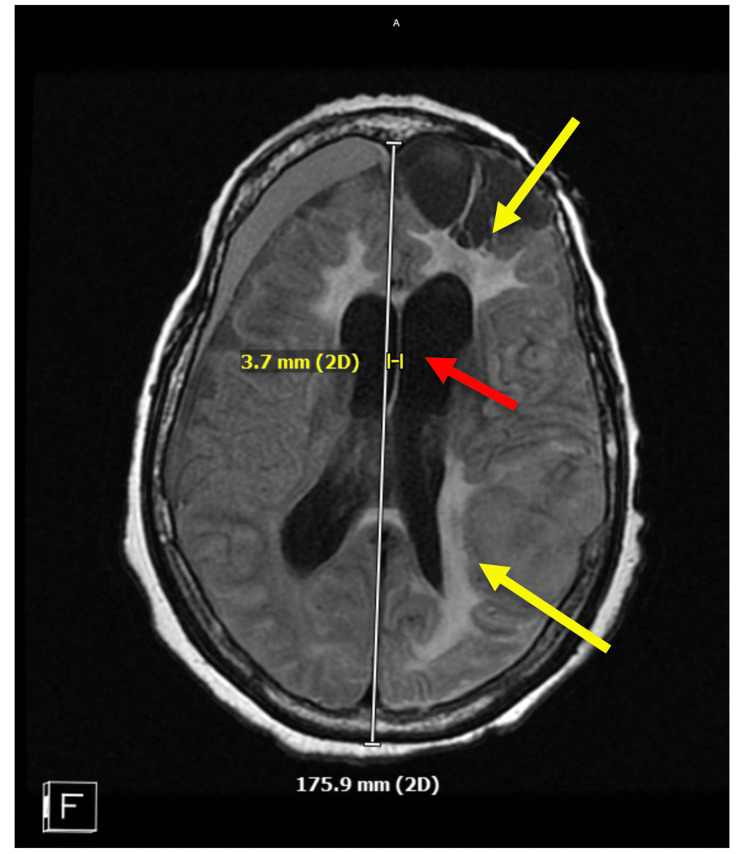
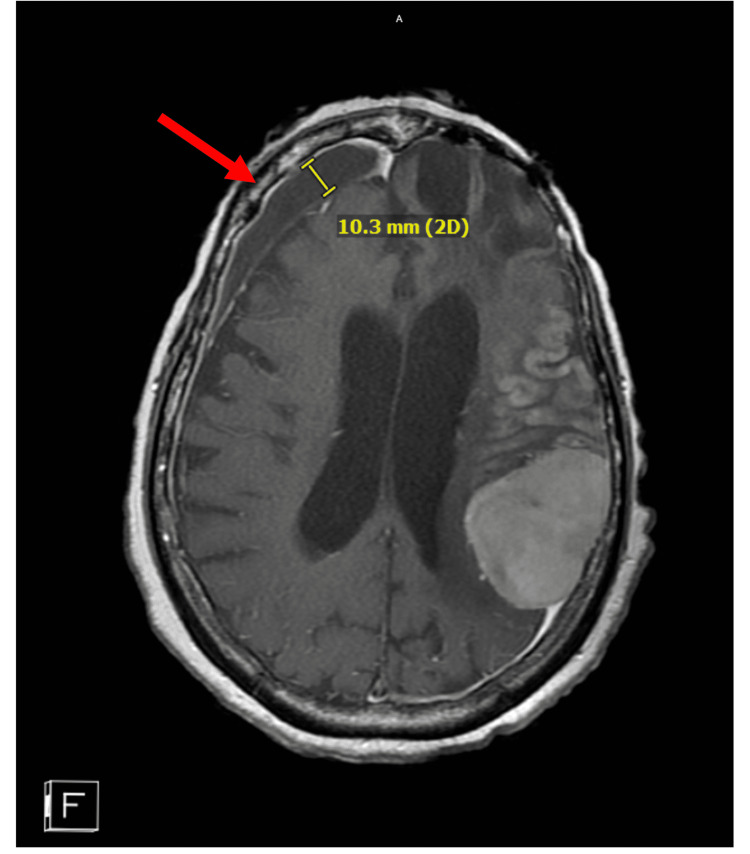
Stroke-like migraine attacks after radiation therapy (SMART) syndrome is a rare, delayed complication of radiation therapy to the brain. We present a case of a 49-year-old female with a past medical history of malignant neoplasm of the brain status following resection and radiation. She initially presented with increased work of breathing. Initial labs and a chest X-ray were suggestive of aspiration pneumonia leading to sepsis. Upon hospitalization, seizure-like activity was noted. Electroencephalogram showed electrographic seizures originating from the left occipital and parietal lobe. She received numerous medications to control the seizures with minimal improvement. Magnetic resonance imaging was performed to characterize the origin of seizures, which showed extensive post-radiation changes including a new meningioma. The patient was subsequently managed with magnesium and Solu Medrol. After this regimen, her condition improved and there were no clinical seizures present.
放疗后类卒中样偏头痛发作(SMART)综合征是一种罕见的脑部放疗延迟并发症。我们报告一例49岁女性,既往有脑恶性肿瘤病史,曾行手术切除及放疗。她最初表现为呼吸做功增加。初步实验室检查及胸部X线检查提示吸入性肺炎导致脓毒症。住院后,发现有癫痫样活动。脑电图显示源自左枕叶和顶叶的脑电图癫痫发作。她接受了多种药物来控制癫痫发作,但改善甚微。进行了磁共振成像以确定癫痫发作的起源,结果显示广泛的放疗后改变,包括一个新的脑膜瘤。该患者随后接受镁剂和甲泼尼龙治疗。经过这一治疗方案,她的病情有所改善,未再出现临床癫痫发作。