Tien Chih-Feng, Tsai Wan-Ting, Chen Chun Hwa, Chou Hui-Ju, Zhang Mingzi M, Lin Jhe-Jhih, Lin En-Ju, Dai Shih-Syong, Ping Yueh-Hsin, Yu Chia-Yi, Kuo Yi-Ping, Tsai Wei-Hsiang, Chen Hsin-Wei, Yu Guann-Yi
National Institute of Infectious Diseases and Vaccinology, National Health Research Institutes, Zhunan, Taiwan.
Institute of Molecular and Genomic Medicine, National Health Research Institutes, Zhunan, Taiwan.
iScience. 2022 Aug 19;25(8):104709. doi: 10.1016/j.isci.2022.104709. Epub 2022 Jul 3.
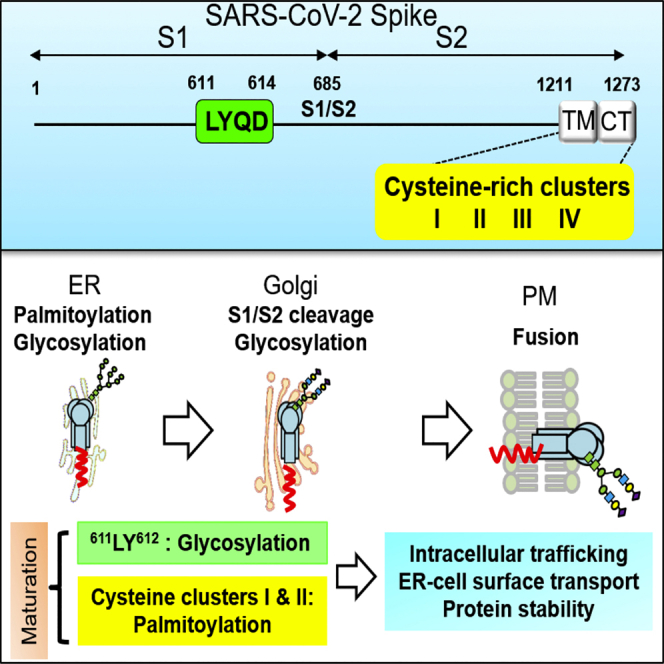
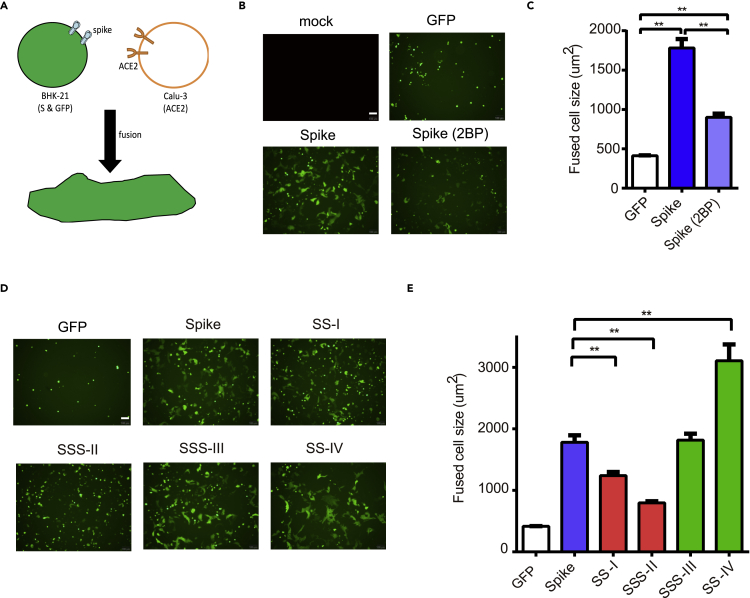
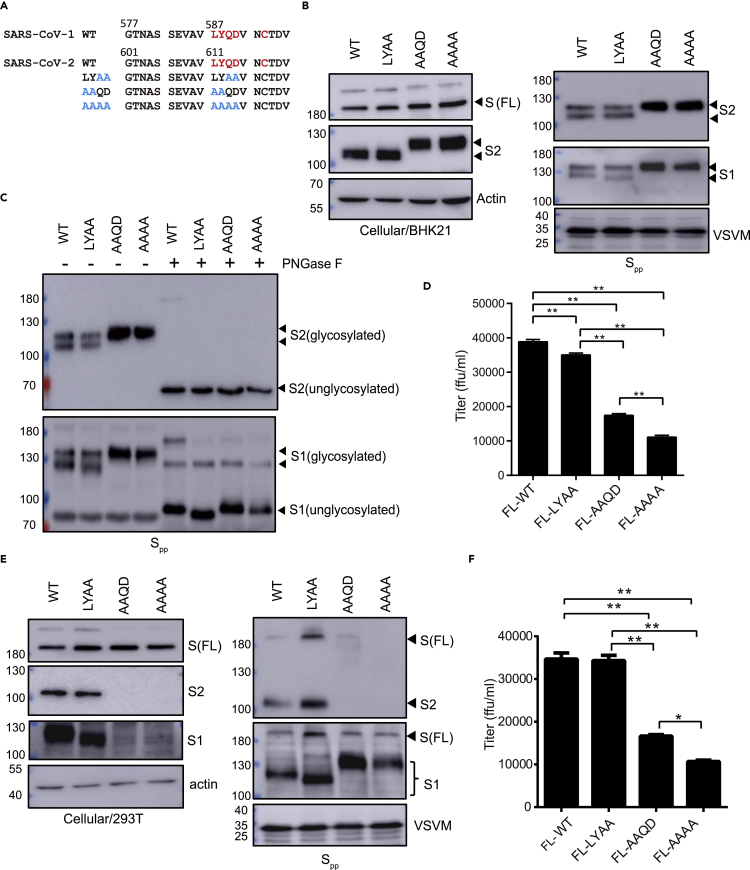
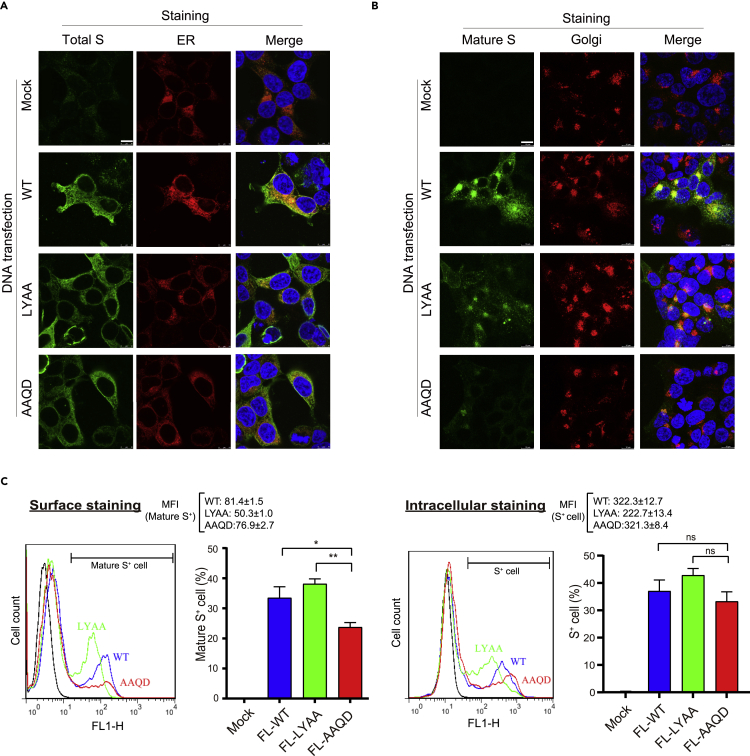
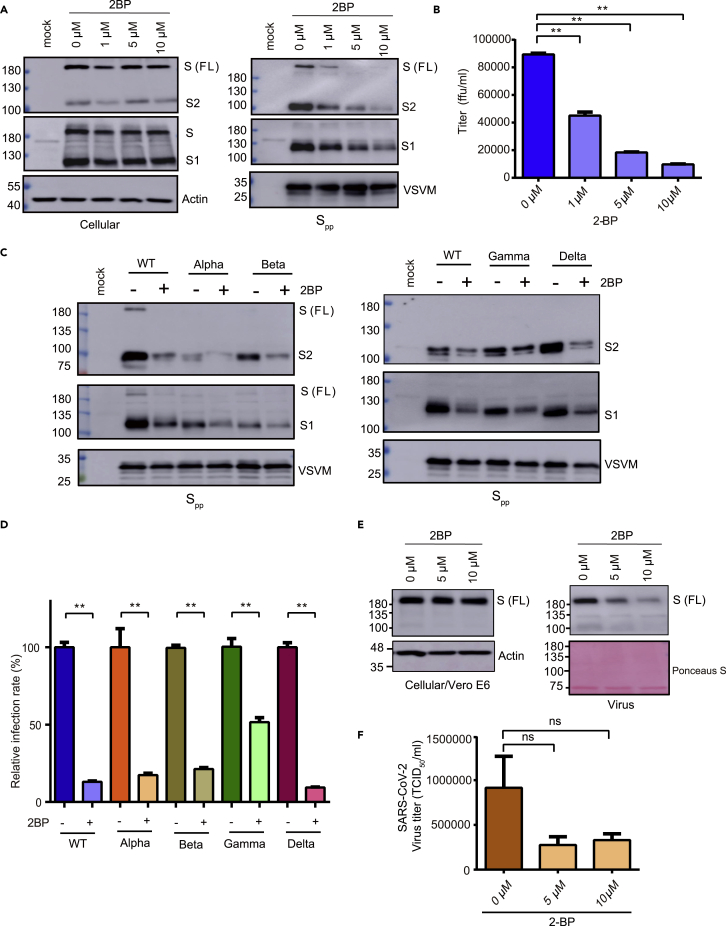
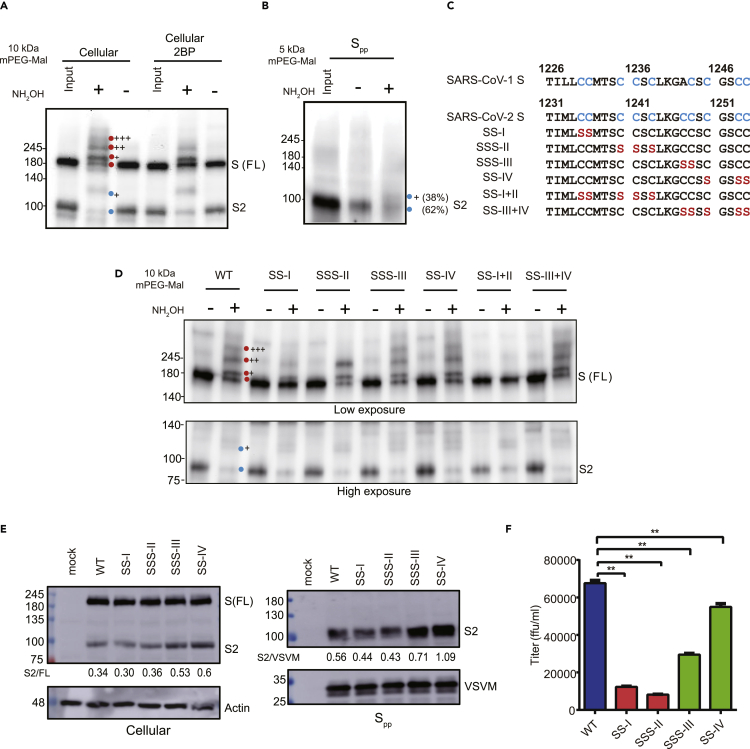
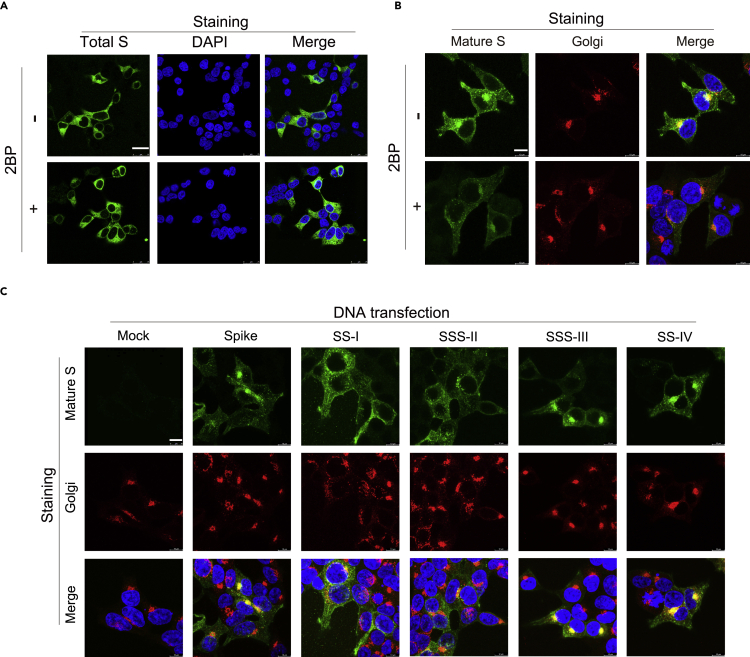
Post-translational modifications (PTMs), such as glycosylation and palmitoylation, are critical to protein folding, stability, intracellular trafficking, and function. Understanding regulation of PTMs of SARS-CoV-2 spike (S) protein could help the therapeutic drug design. Herein, the VSV vector was used to produce SARS-CoV-2 S pseudoviruses to examine the roles of the LYQD and cysteine-rich motifs in S protein maturation and virus infectivity. Our results show that LY mutation alters S protein intracellular trafficking and reduces cell surface expression level. It also changes S protein glycosylation pattern and decreases pseudovirus infectivity. The S protein contains four cysteine-rich clusters with clusters I and II as the main palmitoylation sites. Mutations of clusters I and II disrupt S protein trafficking from ER-to-Golgi, suppress pseudovirus production, and reduce spike-mediated membrane fusion activity. Taken together, glycosylation and palmitoylation orchestrate the S protein maturation processing and are critical for S protein-mediated membrane fusion and infection.
翻译后修饰(PTM),如糖基化和棕榈酰化,对蛋白质折叠、稳定性、细胞内运输及功能至关重要。了解严重急性呼吸综合征冠状病毒2(SARS-CoV-2)刺突(S)蛋白的翻译后修饰调控有助于治疗药物设计。在此,使用水疱性口炎病毒(VSV)载体生产SARS-CoV-2 S假病毒,以研究LYQD和富含半胱氨酸基序在S蛋白成熟和病毒感染性中的作用。我们的结果表明,LY突变改变S蛋白的细胞内运输并降低细胞表面表达水平。它还改变S蛋白的糖基化模式并降低假病毒感染性。S蛋白包含四个富含半胱氨酸的簇,其中簇I和簇II是主要的棕榈酰化位点。簇I和簇II的突变破坏S蛋白从内质网到高尔基体的运输,抑制假病毒产生,并降低刺突介导的膜融合活性。综上所述,糖基化和棕榈酰化共同协调S蛋白的成熟过程,对S蛋白介导的膜融合和感染至关重要。