Yang Zhao-Yu, Wu Yao, Li Xuexuan, Tang Tao, Wang Yang, Huang Ze-Bing, Fan Rong
Institute of Integrative Medicine, Department of Integrated Traditional Chinese and Western Medicine, Xiangya Hospital, Central South University, Changsha, China.
National Clinical Research Center for Geriatric Disorders, Xiangya Hospital, Central South University, Changsha, China.
Front Pharmacol. 2022 Jun 22;13:772680. doi: 10.3389/fphar.2022.772680. eCollection 2022.
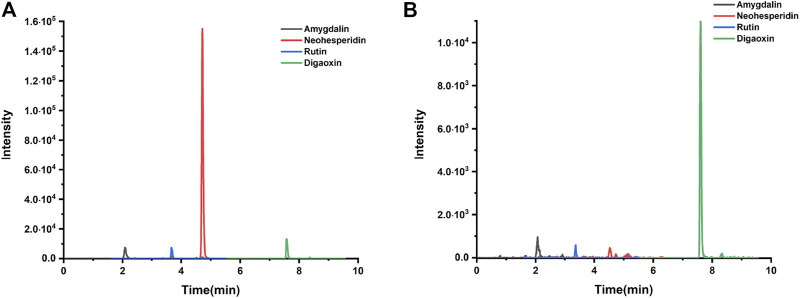
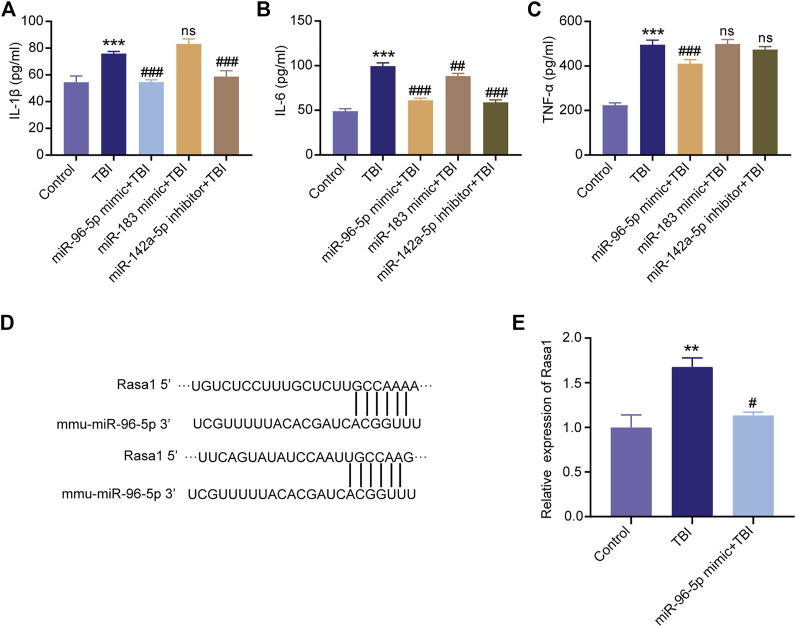
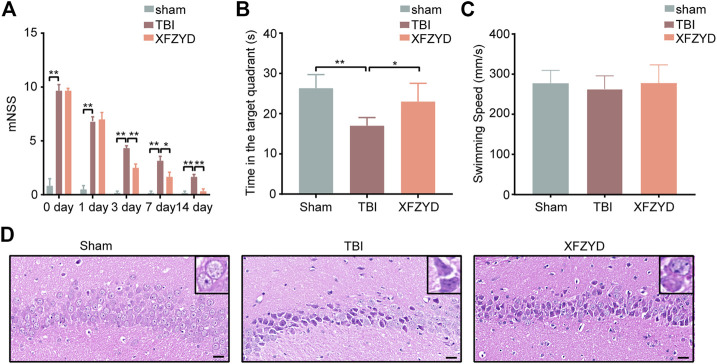
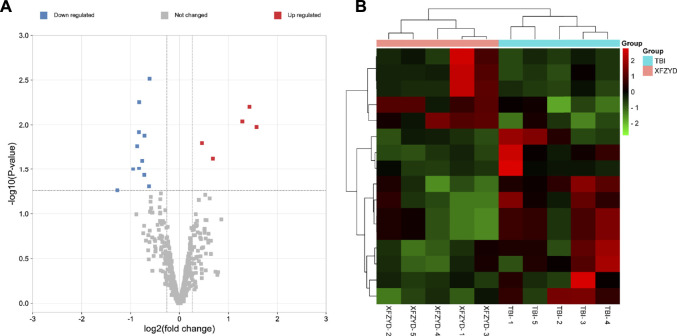
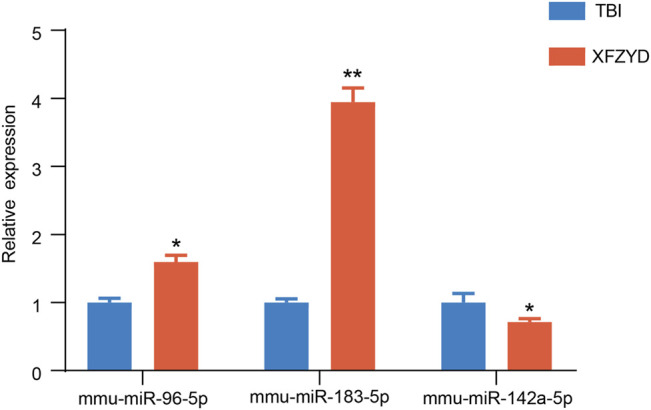
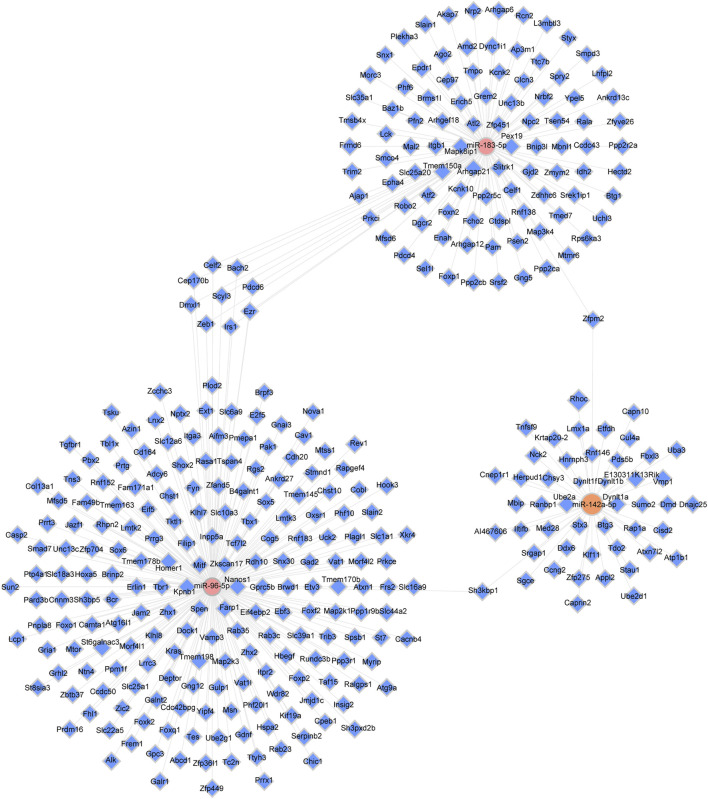
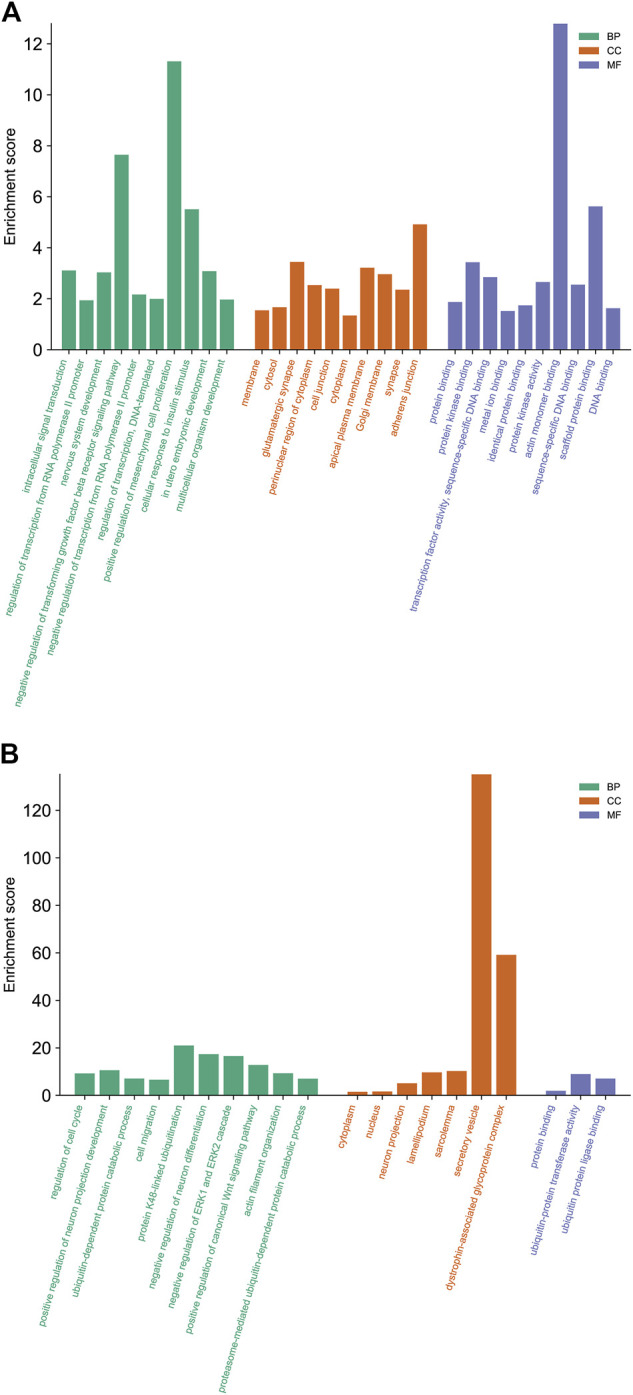
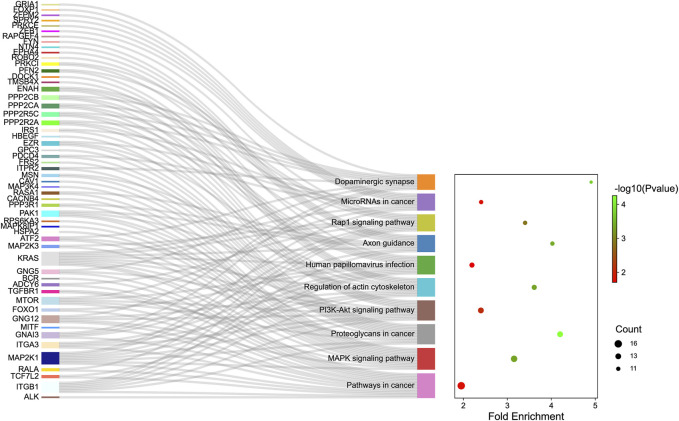
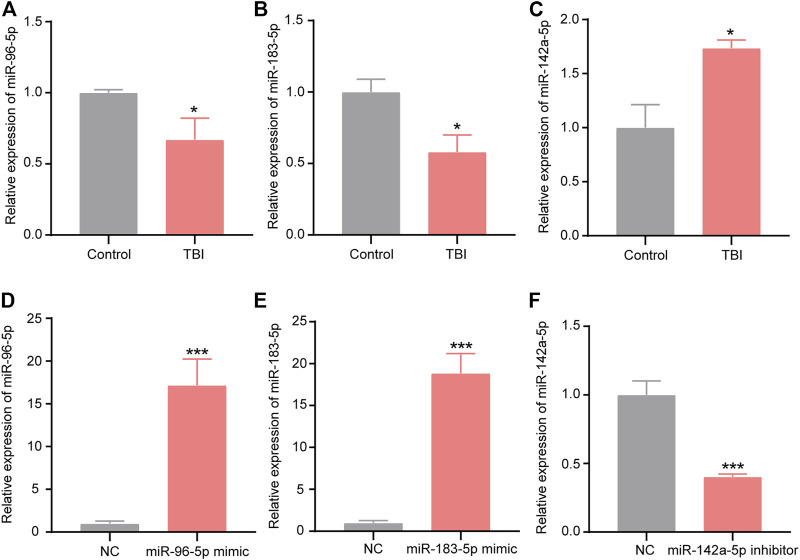
Xuefu Zhuyu decoction (XFZYD) is used to treat traumatic brain injury (TBI). XFZYD-based therapies have achieved good clinical outcomes in TBI. However, the underlying mechanisms of XFZYD in TBI remedy remains unclear. The study aimed to identify critical miRNAs and putative mechanisms associated with XFYZD through comprehensive bioinformatics analysis. We established a controlled cortical impact (CCI) mice model and treated the mice with XFZYD. The high-performance liquid chromatography-tandem mass spectrometry (HPLC-MS/MS) confirmed the quality of XFZYD. The modified neurological severity score (mNSS) and Morris water maze (MWM) tests indicated that XFZYD improved the neurological deficit ( < 0.05) and cognitive function ( < 0.01). Histological analysis validated the establishment of the CCI model and the treatment effect of XFZYD. HE staining displayed that the pathological degree in the XFZYD-treated group was prominently reduced. The transcriptomic data was generated using microRNA sequencing (miRNA-seq) of the hippocampus. According to cluster analysis, the TBI group clustered together was distinct from the XFZYD group. Sixteen differentially expressed (5 upregulated; 11 downregulated) miRNAs were detected between TBI and XFZYD. The reliability of the sequencing data was confirmed by qRT-PCR. Three miRNAs (mmu-miR-142a-5p, mmu-miR-183-5p, mmu-miR-96-5p) were distinctively expressed in the XFZYD compared with the TBI and consisted of the sequencing results. Bioinformatics analysis suggested that the MAPK signaling pathway contributes to TBI pathophysiology and XFZYD treatment. Subsequently, the functions of miR-96-5p, miR-183-5p, and miR-142a-5p were validated . TBI significantly induces the down-expression of miR-96-5p, and up-expression of inflammatory cytokines, which were all inhibited by miR-96-5p mimics. The present research provides an adequate fundament for further knowing the pathologic and prognostic process of TBI and supplies deep insights into the therapeutic effects of XFZYD.
血府逐瘀汤(XFZYD)用于治疗创伤性脑损伤(TBI)。基于血府逐瘀汤的疗法在TBI治疗中取得了良好的临床效果。然而,血府逐瘀汤治疗TBI的潜在机制仍不清楚。本研究旨在通过全面的生物信息学分析确定与血府逐瘀汤相关的关键miRNA及其潜在机制。我们建立了控制性皮质撞击(CCI)小鼠模型,并用血府逐瘀汤对小鼠进行治疗。高效液相色谱-串联质谱(HPLC-MS/MS)证实了血府逐瘀汤的质量。改良神经功能缺损评分(mNSS)和莫里斯水迷宫(MWM)试验表明,血府逐瘀汤改善了神经功能缺损(P<0.05)和认知功能(P<0.01)。组织学分析验证了CCI模型的建立和血府逐瘀汤的治疗效果。苏木精-伊红(HE)染色显示,血府逐瘀汤治疗组的病理程度明显减轻。利用海马体的微小RNA测序(miRNA-seq)生成转录组数据。根据聚类分析,聚集在一起的TBI组与血府逐瘀汤组不同。在TBI组和血府逐瘀汤组之间检测到16个差异表达的miRNA(5个上调;11个下调)。通过qRT-PCR证实了测序数据的可靠性。与TBI组相比,有3个miRNA(mmu-miR-142a-5p、mmu-miR-183-5p、mmu-miR-96-5p)在血府逐瘀汤组中差异表达,并与测序结果一致。生物信息学分析表明,丝裂原活化蛋白激酶(MAPK)信号通路与TBI的病理生理学和血府逐瘀汤的治疗作用有关。随后,验证了miR-96-5p、miR-183-5p和miR-142a-5p的功能。TBI显著诱导miR-96-5p的下调以及炎性细胞因子的上调,而miR-96-5p模拟物可抑制这些变化。本研究为进一步了解TBI的病理和预后过程提供了充分的基础,并深入揭示了血府逐瘀汤的治疗作用。