Department of Surgery, Miller School of Medicine, University of Miami, Miami, FL, USA.
Sylvester Comprehensive Cancer Center, University of Miami, Miami, FL, USA.
Gut Microbes. 2022 Jan-Dec;14(1):2096328. doi: 10.1080/19490976.2022.2096328.
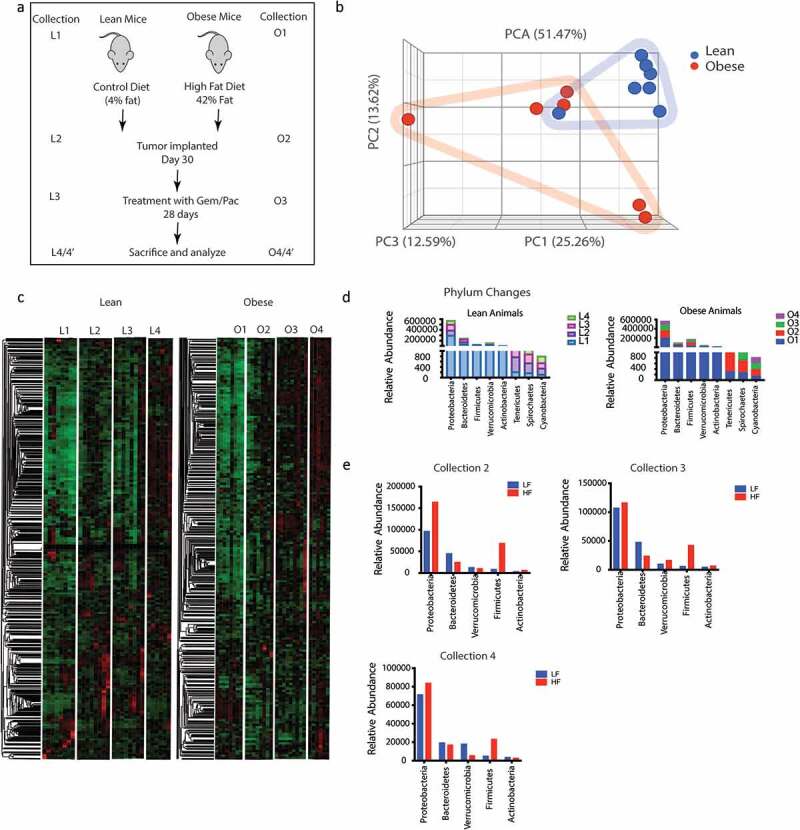
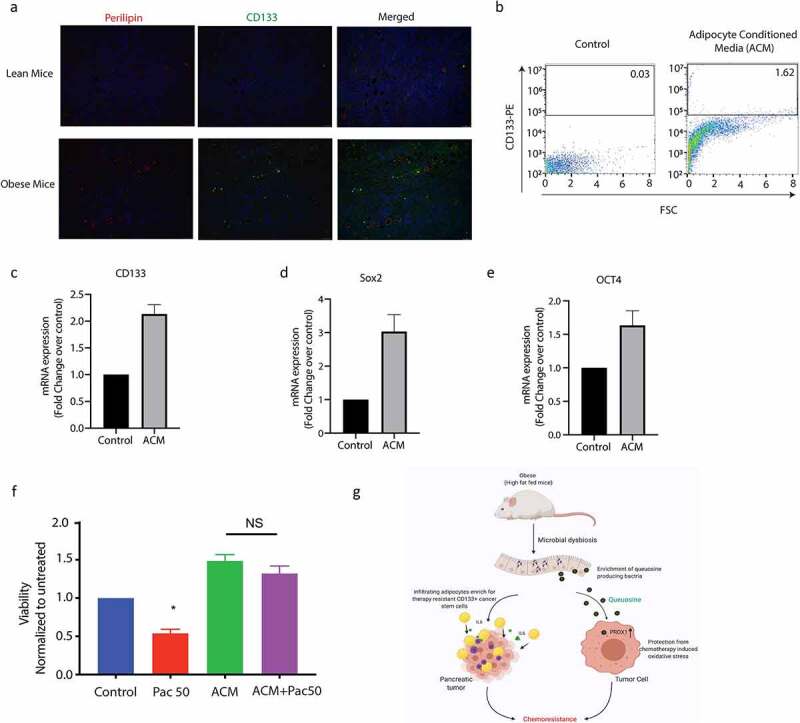
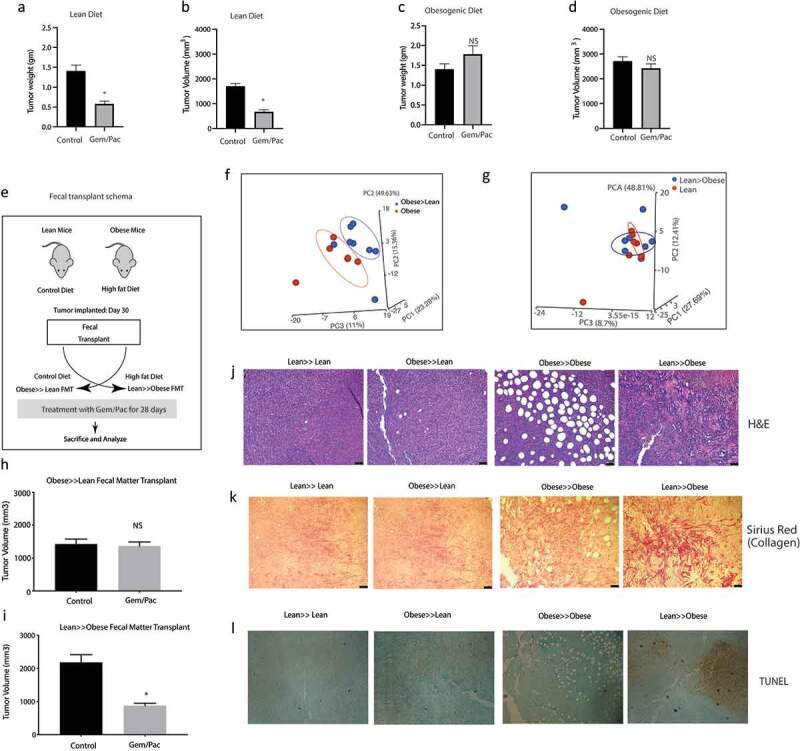
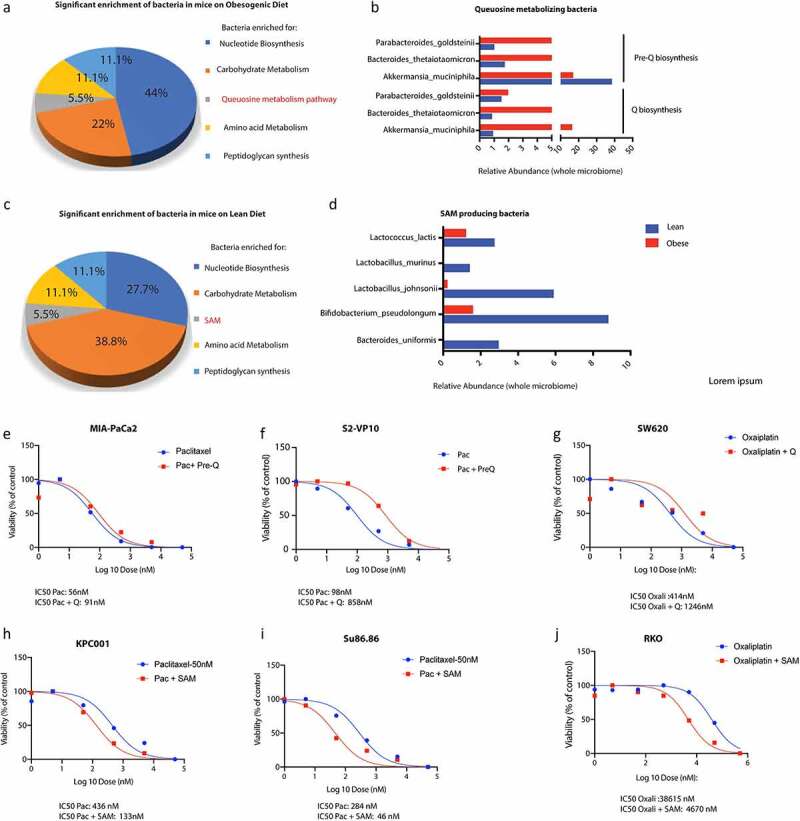
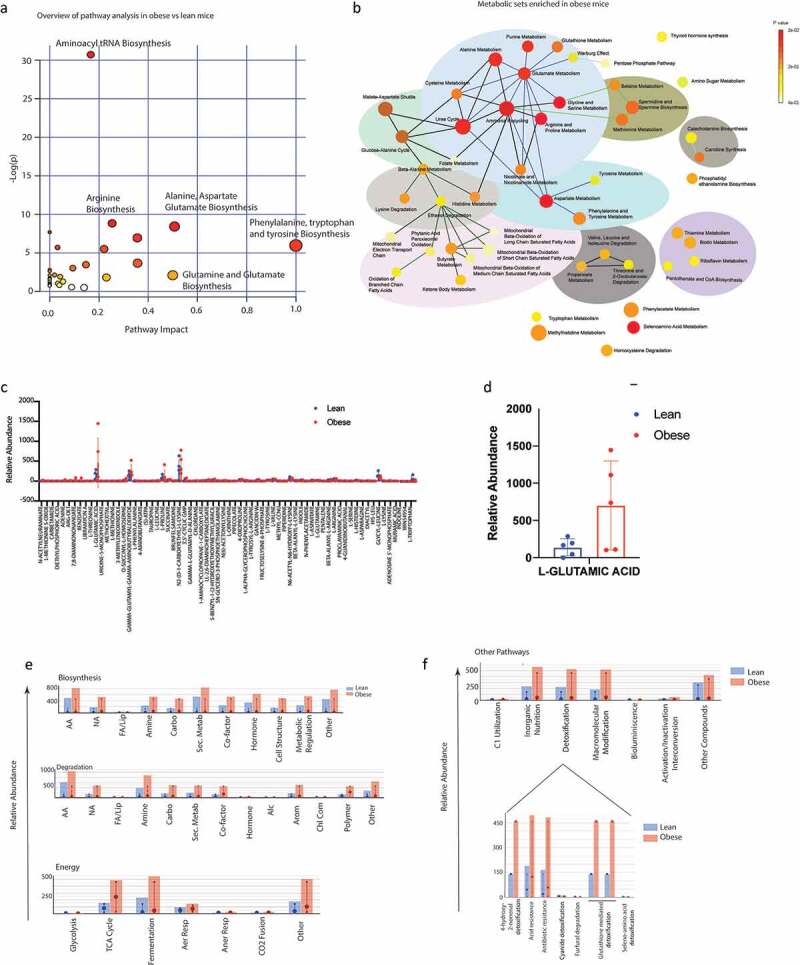
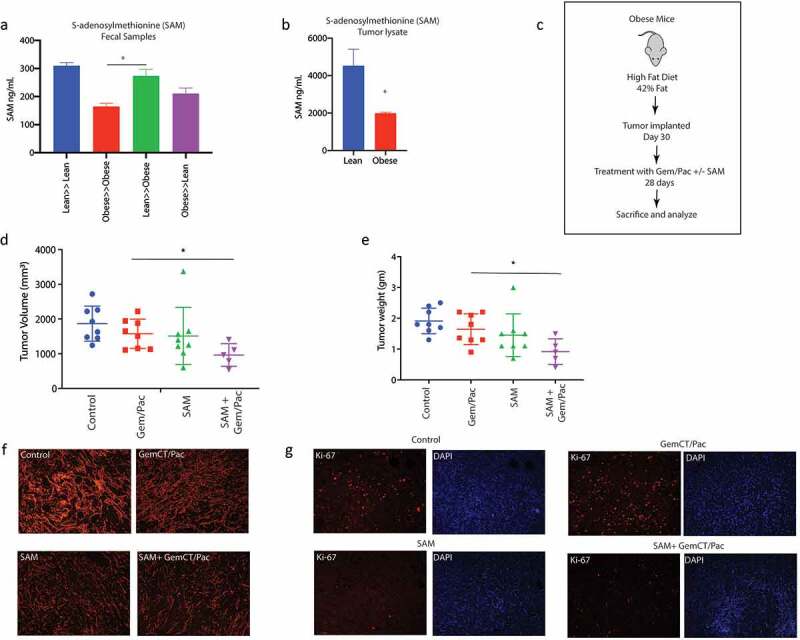
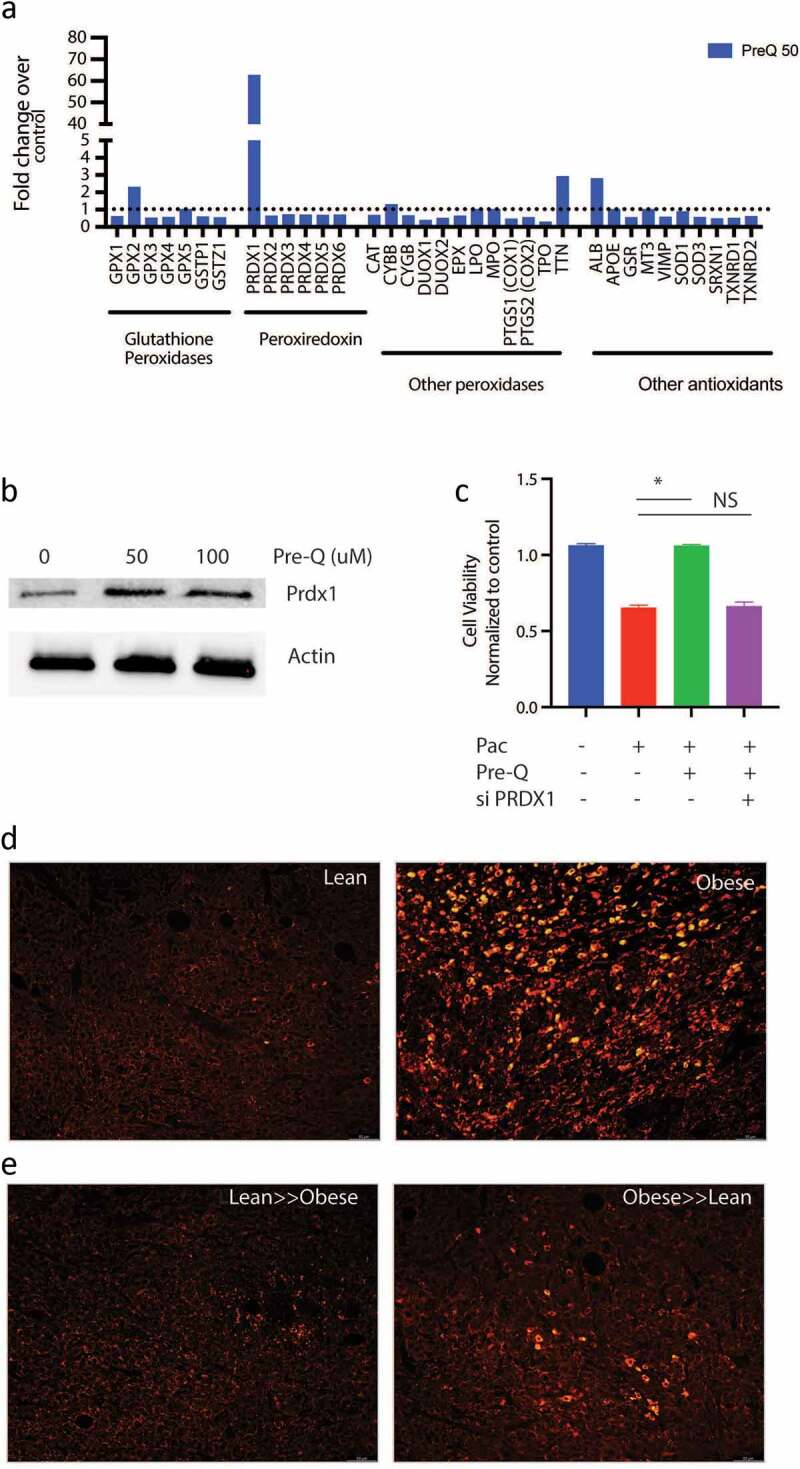
Obesity causes chronic inflammation and changes in gut microbiome. However, how this contributes to poor survival and therapy resistance in patients with pancreatic cancer remain undetermined. Our current study shows that high fat diet-fed obese pancreatic tumor bearing mice do not respond to standard of care therapy with gemcitabine and paclitaxel when compared to corresponding control diet-fed mice. C57BL6 mice were put on control and high fat diet for 1 month following with pancreatic tumors were implanted in both groups. Microbiome of lean (control) and obese (high fat diet fed) mice was analyzed. Fecal matter transplant from control mice to obese mice sensitized tumors to chemotherapy and demonstrated extensive cell death. Analysis of gut microbiome showed an enrichment of queuosine (Q) producing bacteria in obese mice and an enrichment of S-adenosyl methionine (SAM) producing bacteria in control diet-fed mice. Further, supplementation of obese animals with SAM sensitized pancreatic tumors to chemotherapy. Treatment of pancreatic cancer cells with Q increased PRDX1 involved in oxidative stress protection. In parallel, tumors in obese mice showed increase in CD133 treatment refractory tumor populations compared to control animals. These observations indicated that microbial metabolite Q accumulation in high fat diet-fed mice protected tumors from chemotherapy induced oxidative stress by upregulating PRDX1. This protection could be reversed by treatment with SAM. We conclude that relative concentration of SAM and queuosine in fecal samples of pancreatic cancer patients can be developed as a potential biomarker and therapeutic target in chemotherapy refractory pancreatic cancer.
肥胖会引起慢性炎症和肠道微生物组的变化。然而,这种变化如何导致胰腺癌患者的生存状况较差和对治疗产生耐药性,目前仍不清楚。我们的研究表明,与相应的对照饮食喂养的小鼠相比,高脂肪饮食喂养的肥胖胰腺荷瘤小鼠对吉西他滨和紫杉醇的标准治疗没有反应。将 C57BL6 小鼠分别置于对照饮食和高脂肪饮食中喂养 1 个月,然后在两组小鼠中均植入胰腺肿瘤。分析瘦鼠(对照饮食)和肥胖鼠(高脂肪饮食喂养)的肠道微生物组。将对照饮食小鼠的粪便移植给肥胖小鼠,使肿瘤对化疗敏感,并观察到广泛的细胞死亡。肠道微生物组分析显示,肥胖小鼠中富含 Queuosine(Q)产生菌,而对照饮食喂养的小鼠中富含 S-腺苷甲硫氨酸(SAM)产生菌。此外,给肥胖动物补充 SAM 可使胰腺肿瘤对化疗敏感。用 Q 处理胰腺癌细胞可增加与氧化应激保护有关的 PRDX1。与此同时,与对照动物相比,肥胖小鼠的肿瘤中 CD133 治疗难治性肿瘤群体增加。这些观察结果表明,高脂肪饮食喂养的小鼠中微生物代谢物 Q 的积累通过上调 PRDX1 来保护肿瘤免受化疗引起的氧化应激。用 SAM 处理可以逆转这种保护。我们得出结论,粪便中 SAM 和 Queuosine 的相对浓度可以作为化疗抵抗性胰腺癌的潜在生物标志物和治疗靶点。