Department of Intensive Care Unit, The First Affiliated Hospital of Wenzhou Medical University, Wenzhou, China.
Key Laboratory of Intelligent Treatment and Life Support for Critical Diseases of Zhejiang Provincial, Wenzhou, China.
Inflammation. 2022 Dec;45(6):2513-2528. doi: 10.1007/s10753-022-01709-x. Epub 2022 Jul 13.
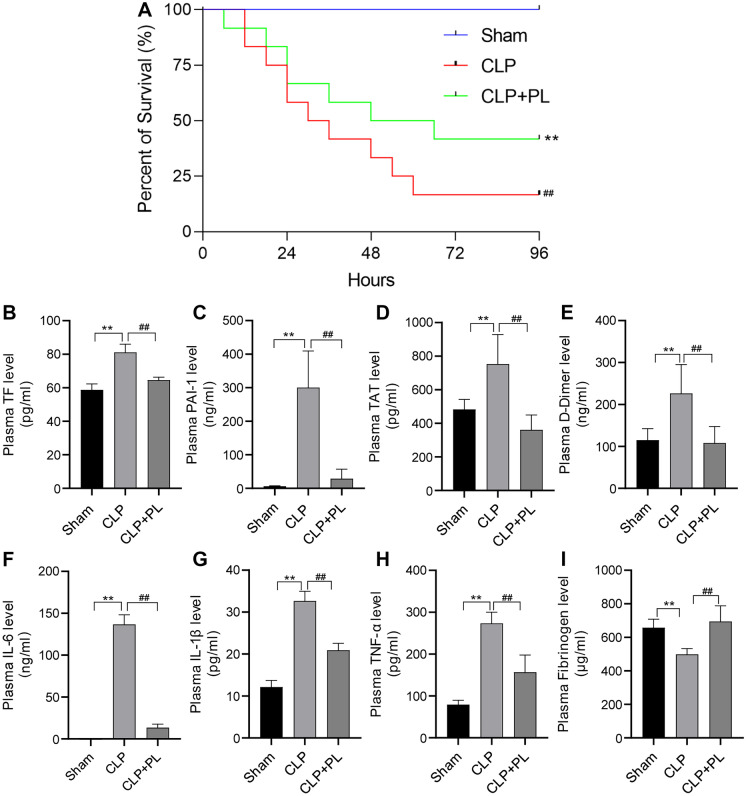
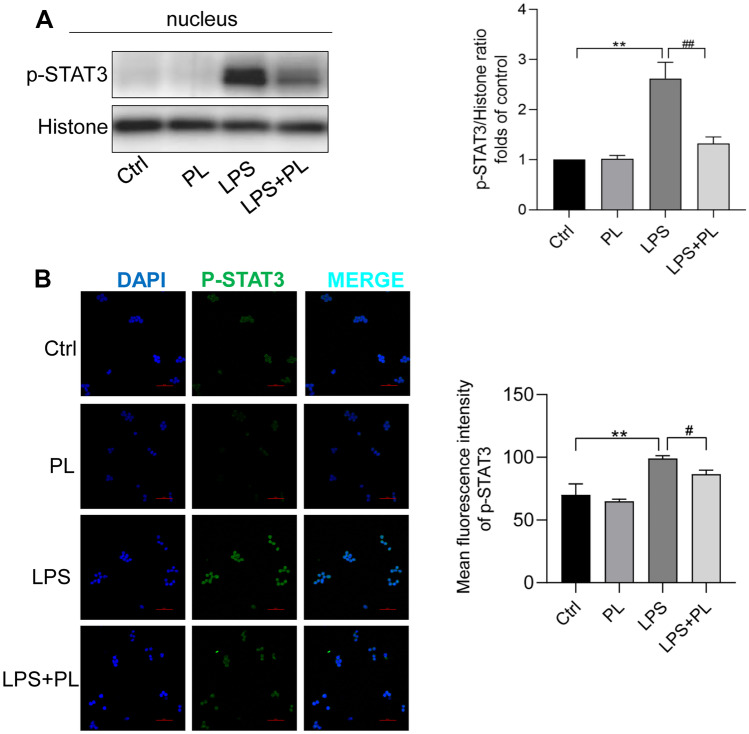
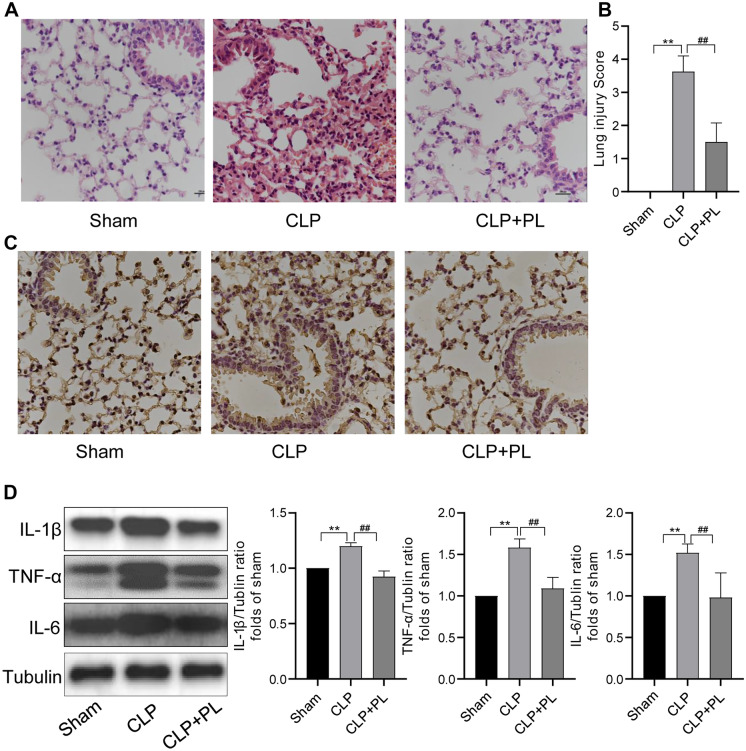
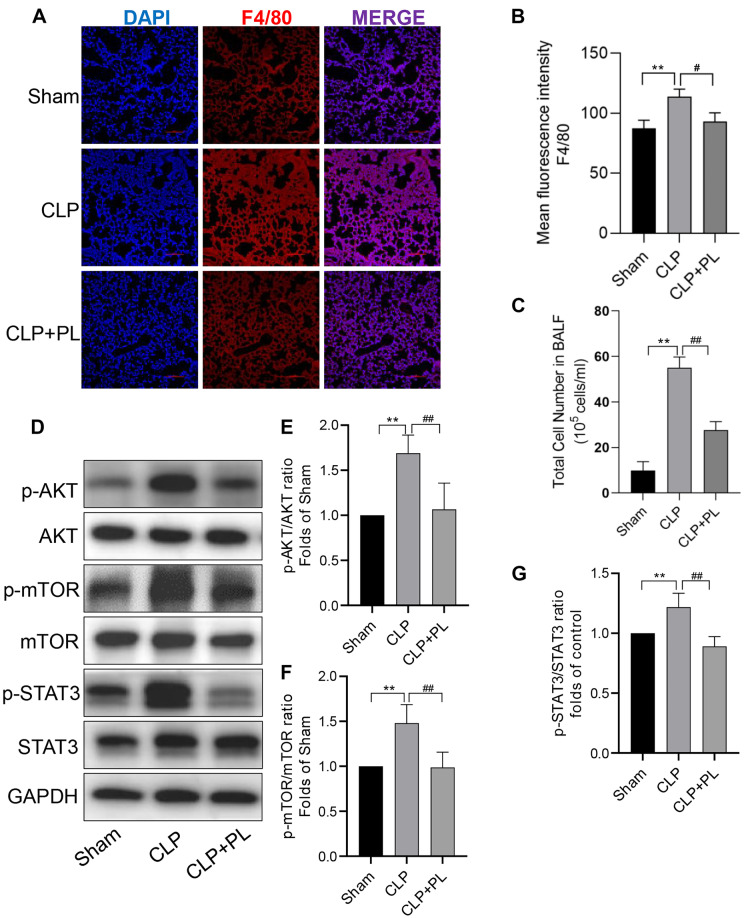
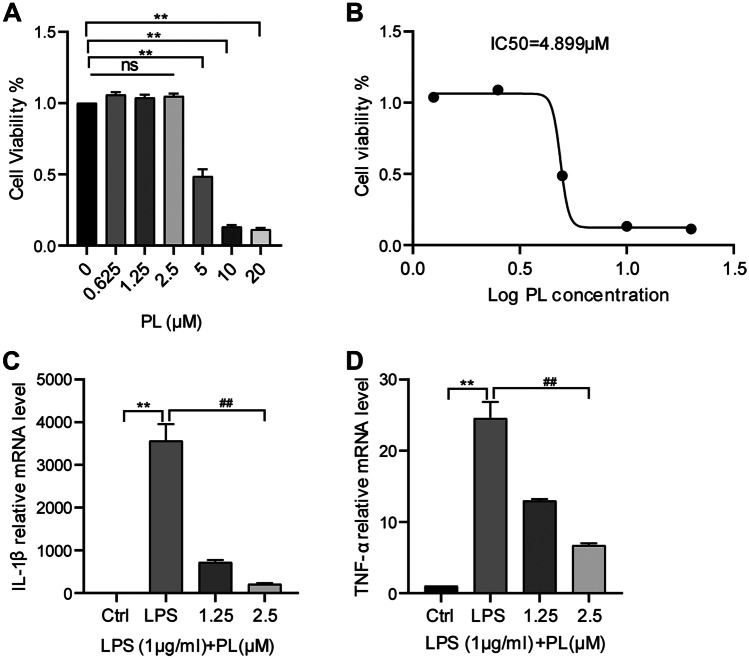
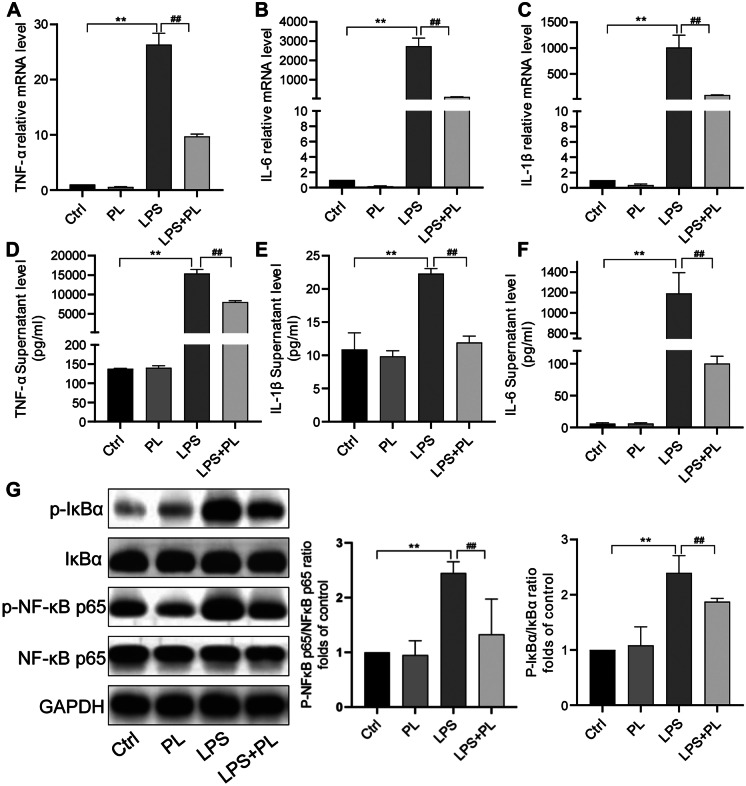
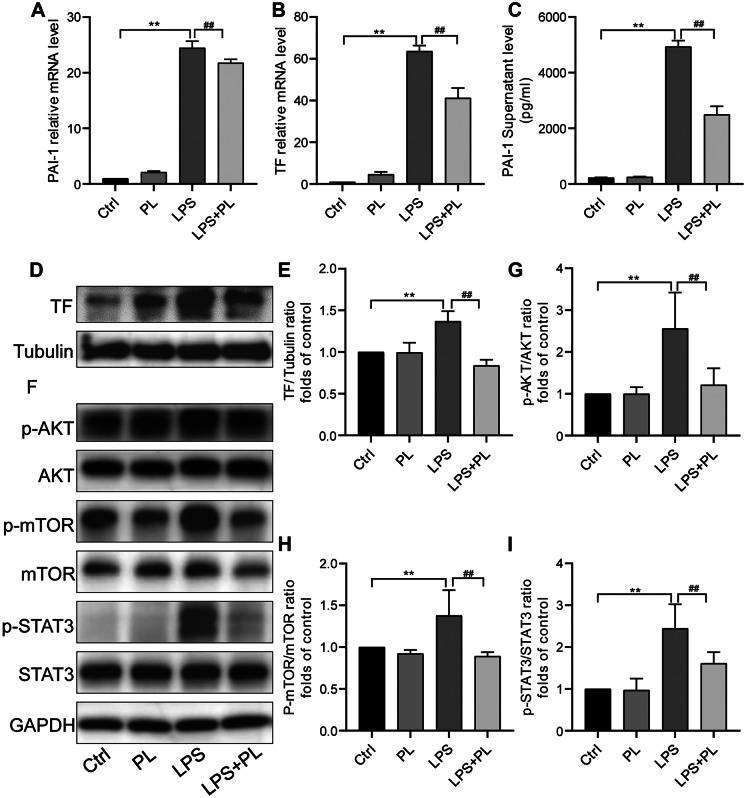
Excessive inflammation and coagulation contribute to high morbidity and mortality in sepsis. Many studies have indicated the role of piperlongumine (PL) in anti-inflammation, but its effect on coagulation remains uncertain. Here, we explore whether PL could moderate coagulation indicators and alleviate lung inflammation during sepsis. RAW264.7 cells were induced by lipopolysaccharide (LPS) and treated with PL. Inflammatory and coagulation indicators, cell function and signaling, were evaluated in cells. Cecal ligation and puncture (CLP) mice were treated with PL by gavage. The harvested lungs and plasma were used to assess inflammation and coagulation indicators. As a result, PL increased the survival rate and reduced the concentrations of tissue factor (TF), plasminogen activator inhibitor 1 (PAI-1), thrombin-antithrombin complex (TAT), D-dimer, interleukin (IL)-6, IL-1β, and tumor necrosis factor (TNF)-α in CLP mice, with fibrinogen in reverse. Moreover, the PL alleviated inflammation, fibrin deposition, and lung injury in the lungs of CLP mice. In vitro, PL downregulated the expression of TF, PAI-1, IL-6, TNF-α, and IL-1β in RAW264.7 cells induced by LPS. Furthermore, PL inhibited the phosphorylation of the AKT/mTOR signaling pathway's key proteins and suppressed the nuclear translocation of p-STAT3 in LPS-stimulated RAW264.7 cells. In conclusion, this study suggests that PL may modulate coagulation indicators and improve lung inflammation through AKT/mTOR signaling pathway in sepsis.
过度的炎症反应和凝血功能紊乱是导致脓毒症患者高发病率和高死亡率的重要原因。许多研究表明胡椒碱(PL)具有抗炎作用,但它对凝血功能的影响尚不确定。在这里,我们探讨了 PL 是否可以调节脓毒症时的凝血指标并减轻肺部炎症。采用脂多糖(LPS)诱导 RAW264.7 细胞,用 PL 进行处理。评估细胞内炎症和凝血指标、细胞功能和信号转导。通过灌胃给予 CLP 小鼠 PL 治疗。收集肺组织和血浆,评估炎症和凝血指标。结果表明,PL 增加了 CLP 小鼠的存活率,并降低了组织因子(TF)、纤溶酶原激活物抑制剂 1(PAI-1)、凝血酶-抗凝血酶复合物(TAT)、D-二聚体、白细胞介素(IL)-6、IL-1β 和肿瘤坏死因子(TNF)-α的浓度,而纤维蛋白原则相反。此外,PL 减轻了 CLP 小鼠肺部的炎症、纤维蛋白沉积和肺损伤。在体外,PL 下调了 LPS 诱导的 RAW264.7 细胞中 TF、PAI-1、IL-6、TNF-α和 IL-1β的表达。此外,PL 抑制了 LPS 刺激的 RAW264.7 细胞中 AKT/mTOR 信号通路关键蛋白的磷酸化,并抑制了 p-STAT3 的核转位。总之,本研究表明,PL 可能通过 AKT/mTOR 信号通路调节脓毒症时的凝血指标,并改善肺部炎症。