Faculty of Medicine, Dentistry, and Health Sciences, Melbourne School of Psychological Sciences, The University of Melbourne, Melbourne, Australia.
PLoS One. 2022 Jul 14;17(7):e0269519. doi: 10.1371/journal.pone.0269519. eCollection 2022.
Mindfulness-based interventions (MBIs) are increasingly being integrated into oncological treatment to mitigate psychological distress and promote emotional and physical well-being. This review aims to provide the most recent evaluation of Mindfulness-Based Stress Reduction (MBSR), Mindfulness-Based Cognitive Therapy (MBCT), and Mindfulness-Based Cancer Recovery (MBCR) treatments, in reducing symptoms of depression, anxiety and CRF in oncology populations.
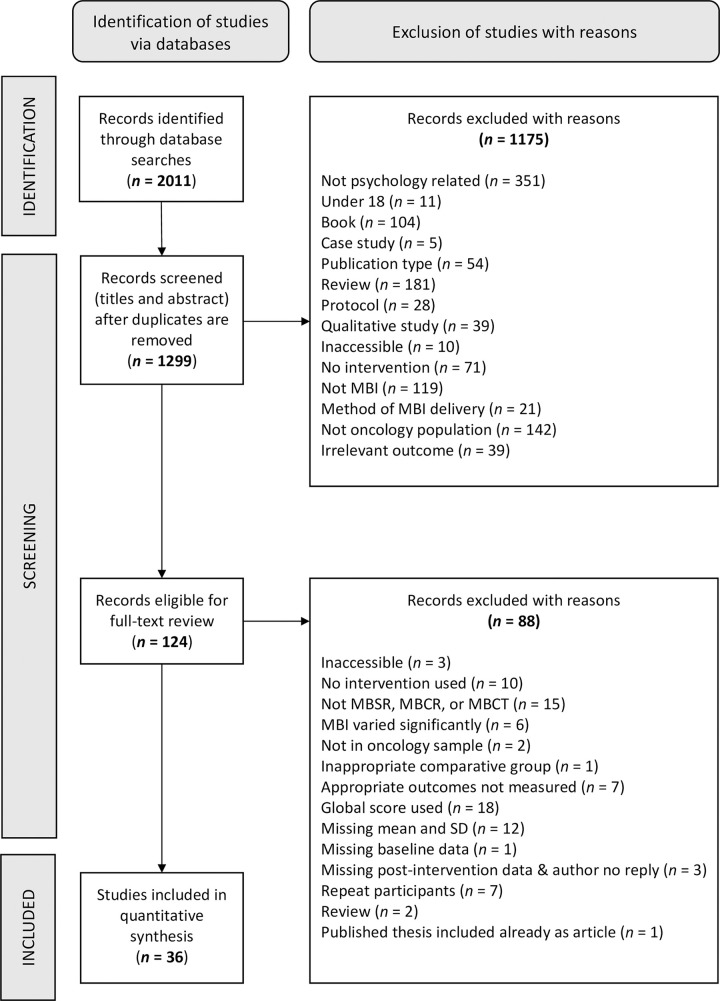
A search using the following search terms was conducted: (mindful* OR mindfulness* OR mindfulness-based* OR MBI* OR MBCT OR MBSR OR MBCR) AND (Oncol* OR cancer OR neoplasm OR lymphoma OR carcinoma OR sarcoma) to obtain relevant publications from five databases: PsycINFO, PubMed, Embase, and MEDLINE by EC, and ProQuest Dissertations & Theses Global from January 2000 to February 2022. 36 independent studies (n = 1677) were evaluated for their overall effect sizes (using random-effects models), subgroup analyses, and quality appraisals. Evaluations were performed separately for non-randomized (K = 20, n = 784) and randomized controlled trials (K = 16, n = 893).
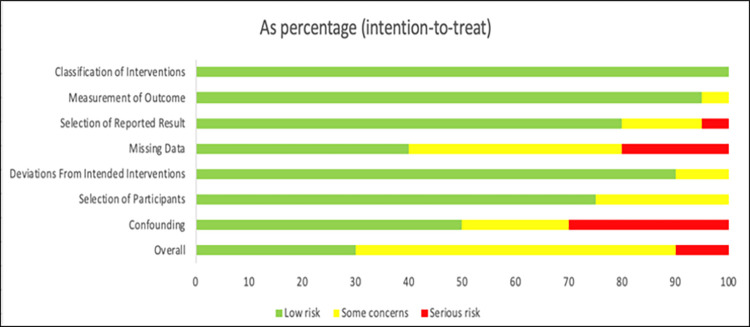
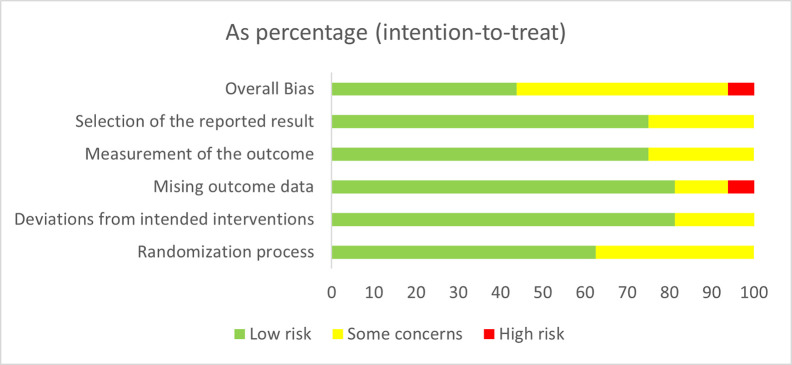
The results showed that MBIs have significant medium effects in reducing symptoms of depression (Hedges' g = 0.43), anxiety (Hedges' g = 0.55) and CRF (Hedges' g = 0.43), which were maintained at least three months post-intervention. MBIs were also superior in reducing symptoms of anxiety (Hedges' g = 0.56), depression (Hedges' g = 0.43), and CRF (Hedges' g = 0.42) in oncology samples relative to control groups. The superiority of MBIs to control groups was also maintained at least three months post-intervention for anxiety and CRF symptoms, but not for depressive symptoms. The risk of bias of the included studies were low to moderate.
This review found that MBIs reduced symptoms of depression, anxiety and CRF in oncology populations.
PROSPERO: International Prospective Register of Systematic Reviews: CRD42020143286.
正念干预(MBI)越来越多地被整合到肿瘤治疗中,以减轻心理困扰,促进情绪和身体健康。本综述旨在提供最新评估正念减压(MBSR)、正念认知疗法(MBCT)和正念癌症康复(MBCR)治疗方法,以减轻肿瘤患者的抑郁、焦虑和癌症相关疲劳(CRF)症状。
使用以下搜索词在五个数据库中进行搜索:(mindful或mindfulness或mindfulness-based或MBI或MBCT 或 MBSR 或 MBCR)和(Oncol*或cancer 或 neoplasm 或 lymphoma 或 carcinoma 或 sarcoma),以获取 2000 年 1 月至 2022 年 2 月期间五个数据库的相关出版物:PsycINFO、PubMed、Embase 和 MEDLINE by EC 以及 ProQuest Dissertations & Theses Global。评估了 36 项独立研究(n = 1677)的总体效应大小(使用随机效应模型)、亚组分析和质量评估。分别对非随机(K = 20,n = 784)和随机对照试验(K = 16,n = 893)进行评估。
结果表明,MBI 在降低抑郁症状(Hedges' g = 0.43)、焦虑症状(Hedges' g = 0.55)和 CRF 症状(Hedges' g = 0.43)方面具有显著的中等效应,这些效应至少在干预后三个月内持续存在。MBI 还在降低焦虑症状(Hedges' g = 0.56)、抑郁症状(Hedges' g = 0.43)和 CRF 症状(Hedges' g = 0.42)方面优于对照组,在对照组中也至少在干预后三个月内保持这种优势。MBI 对焦虑和 CRF 症状的优势也至少在干预后三个月内保持,但对抑郁症状没有。纳入研究的偏倚风险为低到中度。
本综述发现,MBI 可降低肿瘤患者的抑郁、焦虑和 CRF 症状。
PROSPERO:国际前瞻性系统评价注册库:CRD42020143286。