The Saudi Ministry of Health, Riyadh, Saudi Arabia; Department of Pathology, College of Medicine, King Saud University, Riyadh, Saudi Arabia.
The Saudi Ministry of Health, Riyadh, Saudi Arabia.
Int J Infect Dis. 2022 Sep;122:758-766. doi: 10.1016/j.ijid.2022.07.025. Epub 2022 Jul 14.
The characterization of reinfection with SARS-CoV-2 has been a subject of concern and controversy, especially with the surge of infections with highly transmissible variants worldwide.
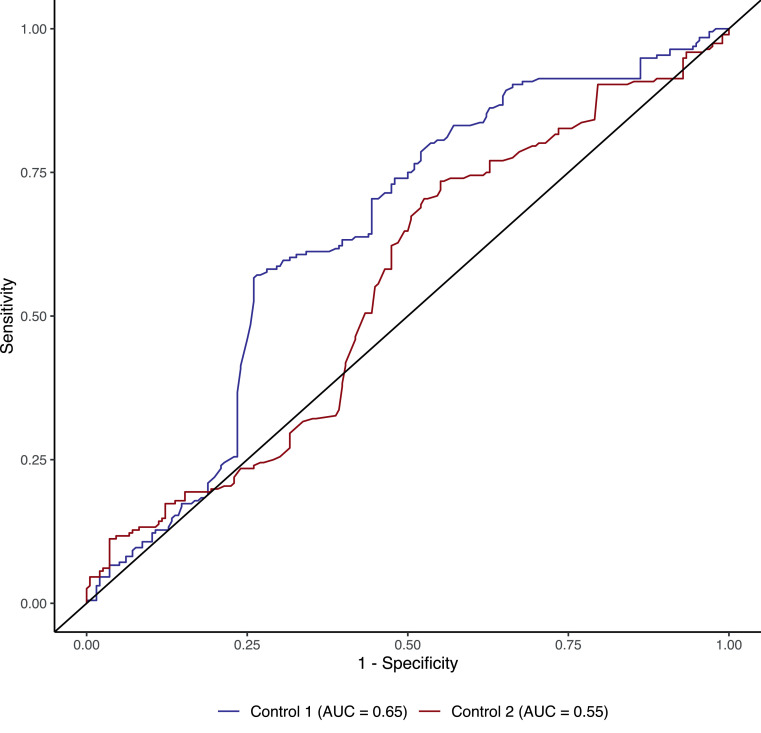
This retrospective national study used comorbidities, vaccination status, SARS-CoV-2 variants of concern, and demographics data to profile participants who were reinfected with SARS-CoV-2, defined as having two reverse transcriptase-polymerase chain reaction-positive SARS-CoV-2 tests within at least 90 days apart. A multivariate logistic regression model assessed the risk factors associated with reinfection . Two control groups were selected: nonreinfected participants reporting a positive test (control group one) and those reporting a negative test (control group two).
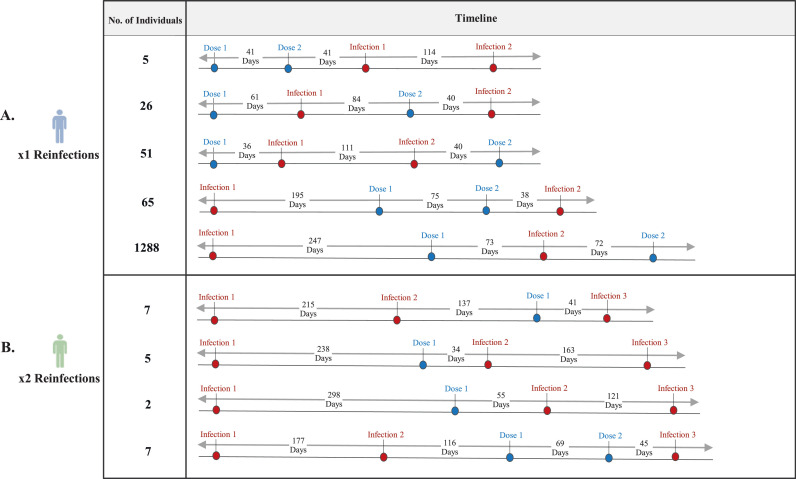
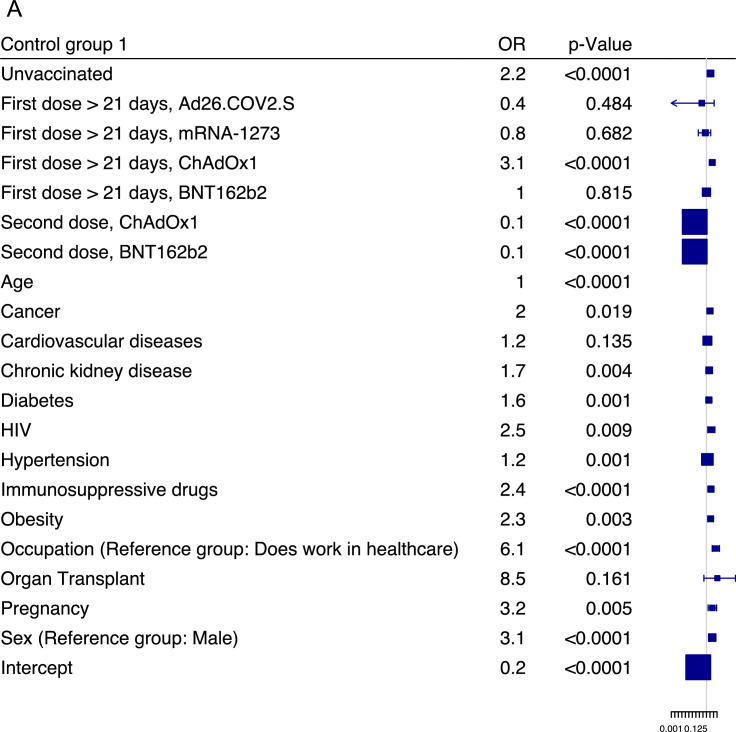
Between March 2020 and December 2021, 4454 reinfected participants were identified in Saudi Arabia (0.8%, 95% confidence interval [CI] 0.7-0.8). The majority (67.3%) were unvaccinated (95% CI 65.9-68.7) and 0.8% (95% CI 0.6-1.1) had severe or fatal SARS-CoV-2 disease. COVID-19 vaccines were 100% effective against mortality in reinfected individuals who received at least one dose, whereas it conferred 61% (odds ratio [OR] 0.4, 95% CI 0.1-1.0) additional protection against severe disease after the first dose and 100% after the second dose. In the risk factor analysis, reinfection was highly associated with comorbidities, such as HIV (OR 2.5, 95% CI 1.3-5.2; P = 0.009), obesity (OR 2.3, 95% CI 1.3-3.9; P = 0.003), pregnancy (OR 3.2, 95% CI 1.4-7.4; P = 0.005), and working in health care facilities (OR 6.1, 95% CI 3.1-12.9; P <0.0001). The delta variant (B.1.617.2) was the most frequent variant of concern among the reinfected cohort.
This in-depth study of the reinfection profile identified risk factors and highlighted the associated SARS-CoV-2 variants. Results showed that naturally acquired immunity to SARS-CoV-2 through multiple reinfections together with vaccine-induced immunity provided substantial protection against severe SARS-CoV-2 disease and mortality.
SARS-CoV-2 的再感染特征一直是人们关注和争议的话题,尤其是在全球高传染性变异株感染激增的情况下。
本回顾性全国性研究使用合并症、疫苗接种状况、关注的 SARS-CoV-2 变异株和人口统计学数据来描述再感染 SARS-CoV-2 的参与者,定义为至少 90 天内两次逆转录酶-聚合酶链反应阳性 SARS-CoV-2 检测。多变量逻辑回归模型评估了与再感染相关的危险因素。选择了两个对照组:报告阳性检测结果的未感染参与者(对照组一)和报告阴性检测结果的参与者(对照组二)。
2020 年 3 月至 2021 年 12 月,沙特阿拉伯共发现 4454 名再感染参与者(0.8%,95%置信区间[CI]0.7-0.8)。大多数(67.3%)未接种疫苗(95%CI65.9-68.7),0.8%(95%CI0.6-1.1)患有严重或致命 SARS-CoV-2 疾病。COVID-19 疫苗对接受至少一剂疫苗的再感染个体的死亡率 100%有效,而第一剂后对严重疾病的额外保护作用为 61%(比值比[OR]0.4,95%CI0.1-1.0),第二剂后 100%有效。在危险因素分析中,再感染与合并症高度相关,如 HIV(OR2.5,95%CI1.3-5.2;P=0.009)、肥胖(OR2.3,95%CI1.3-3.9;P=0.003)、妊娠(OR3.2,95%CI1.4-7.4;P=0.005)和在医疗保健设施工作(OR6.1,95%CI3.1-12.9;P<0.0001)。再感染队列中最常见的关注变异株是 delta 变异株(B.1.617.2)。
本项再感染特征的深入研究确定了危险因素,并强调了相关的 SARS-CoV-2 变异株。结果表明,通过多次再感染获得的 SARS-CoV-2 自然获得性免疫力以及疫苗诱导的免疫力,为严重 SARS-CoV-2 疾病和死亡率提供了实质性保护。