Department of Orthopedics, International Science and Technology Cooperation Base of Spinal Cord Injury, Tianjin Key Laboratory of Spine and Spinal Cord Injury, Tianjin Medical University General Hospital, 154 Anshan Road, Heping District, Tianjin, China.
Department of Orthopedics, Orthopedic Research Center of Shandong University, Cheeloo College of Medicine, Qilu Hospital of Shandong University, Jinan, Shandong, China.
J Neuroinflammation. 2022 Jul 16;19(1):189. doi: 10.1186/s12974-022-02531-w.
Nafamostat mesylate (nafamostat, NM) is an FDA-approved serine protease inhibitor that exerts anti-neuroinflammation and neuroprotective effects following rat spinal cord injury (SCI). However, clinical translation of nafamostat has been limited by an unclear administration time window and mechanism of action.
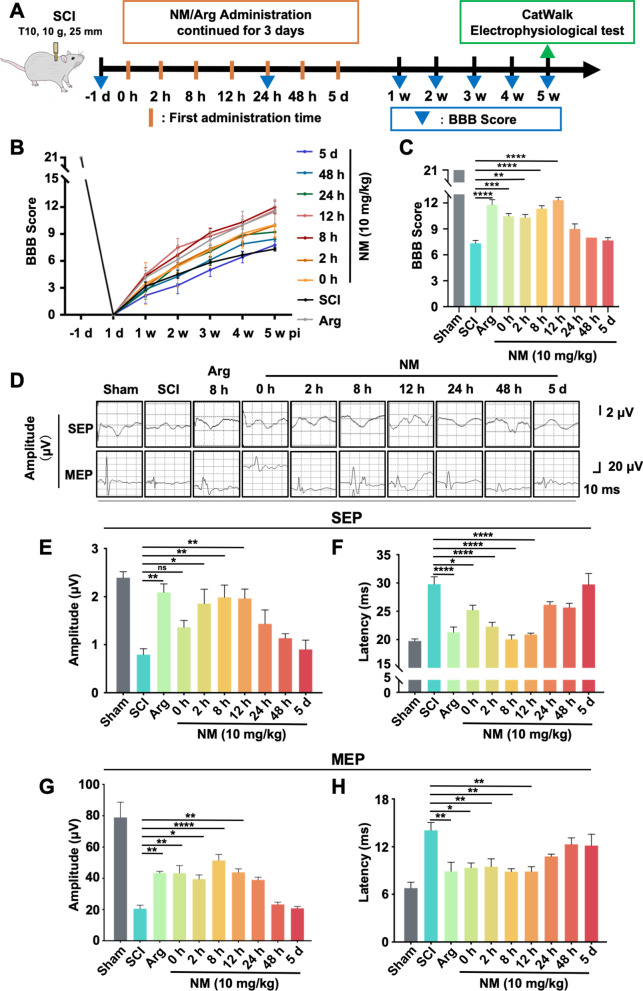
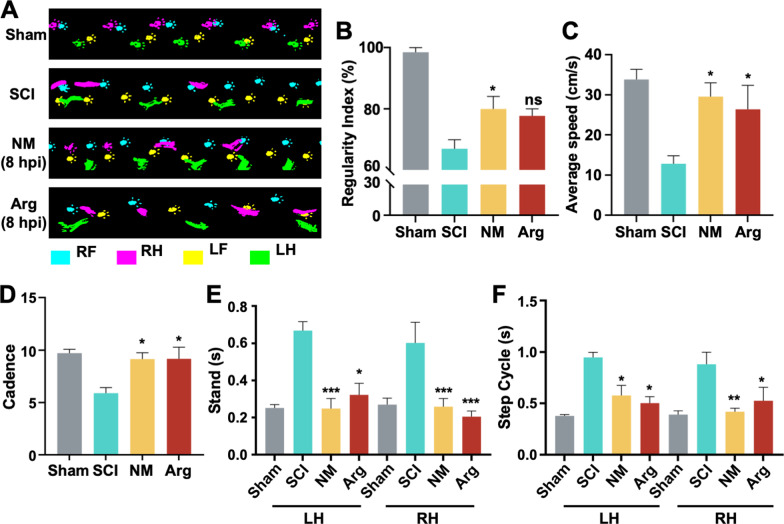
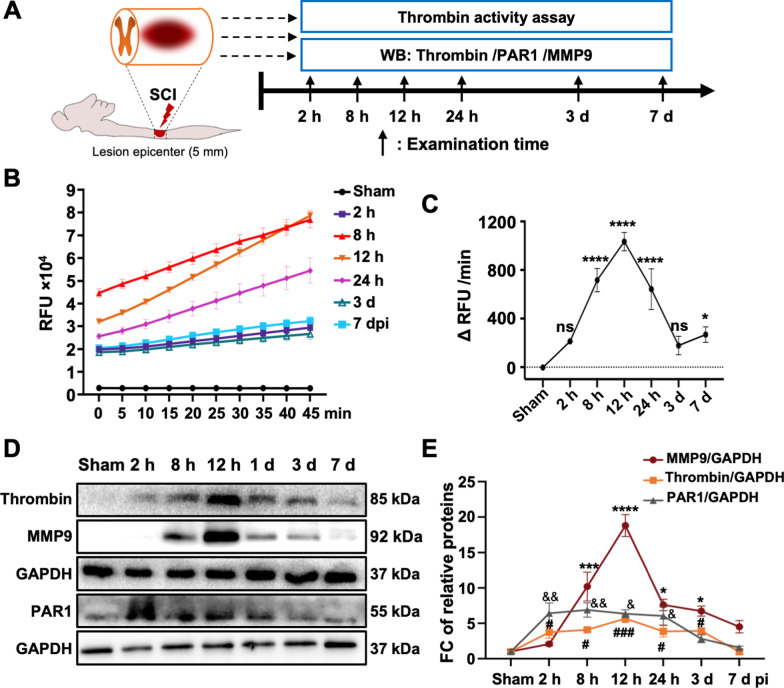
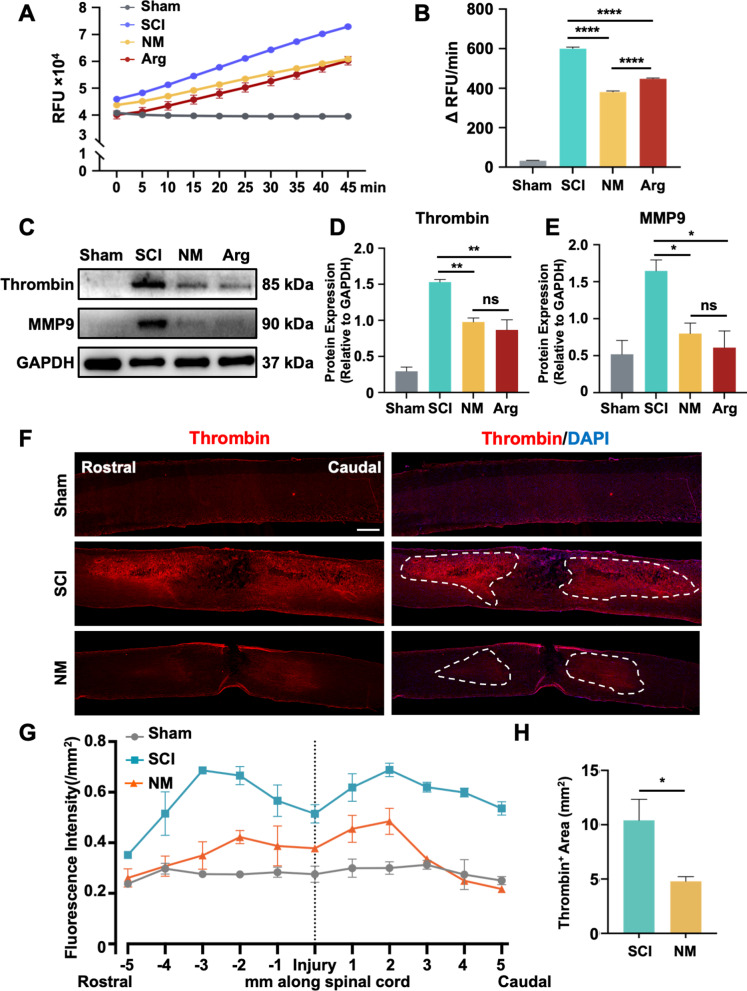
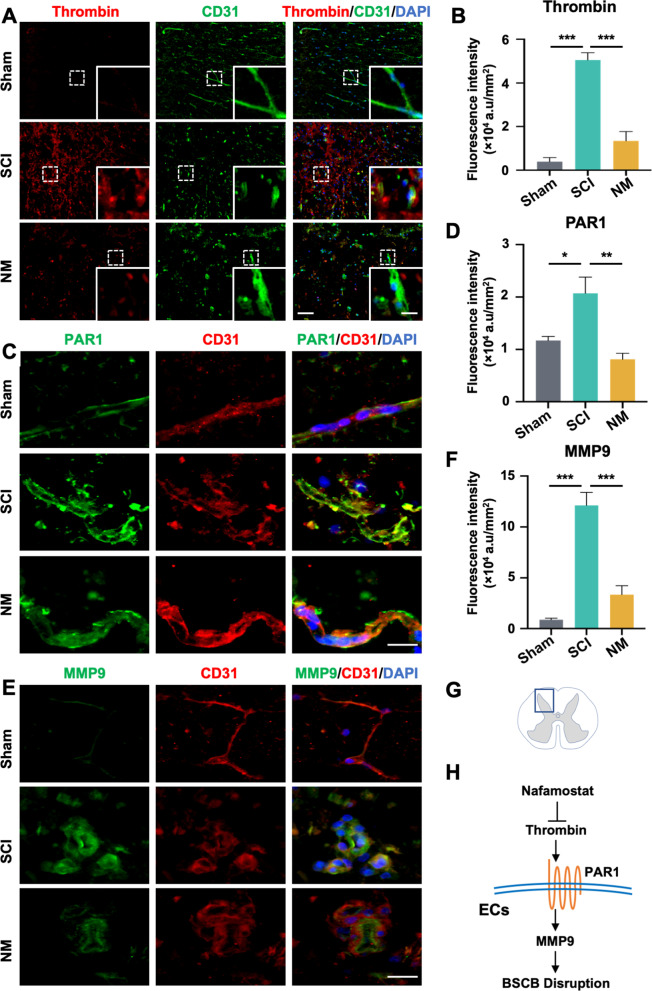
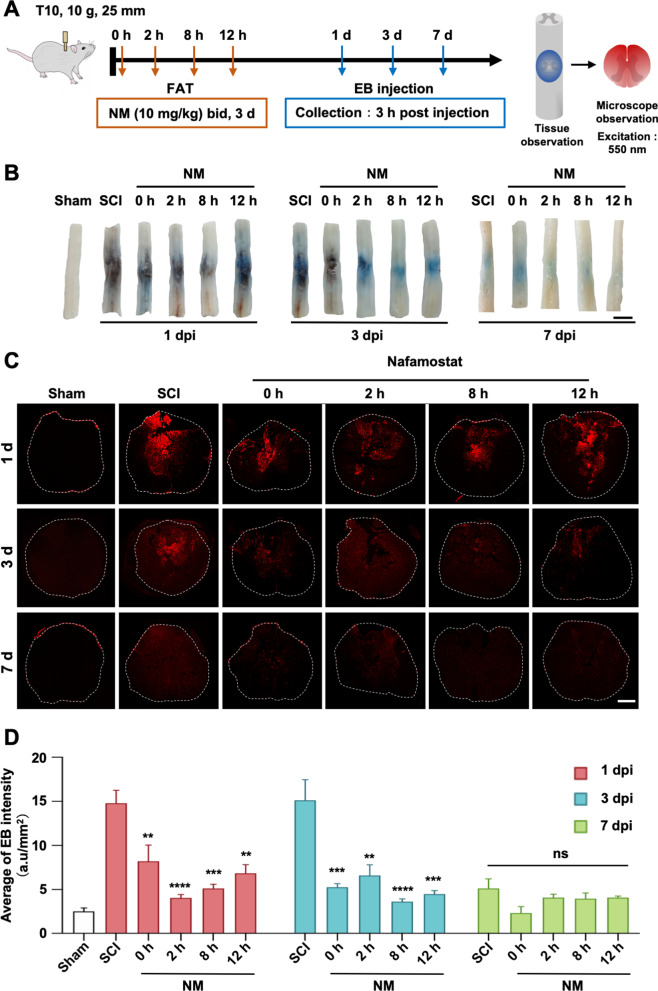
Time to first dose of nafamostat administration was tested on rats after contusive SCI. The optimal time window of nafamostat was screened by evaluating hindlimb locomotion and electrophysiology. As nafamostat is a serine protease inhibitor known to target thrombin, we used argatroban (Arg), a thrombin-specific inhibitor, as a positive control in the time window experiments. Western blot and immunofluorescence of thrombin expression level and its enzymatic activity were assayed at different time points, as well its receptor, the protease activated receptor 1 (PAR1) and downstream protein matrix metalloproteinase-9 (MMP9). Blood-spinal cord barrier (BSCB) permeability leakage indicator Evans Blue and fibrinogen were analyzed along these time points. The infiltration of peripheral inflammatory cell was observed by immunofluorescence.
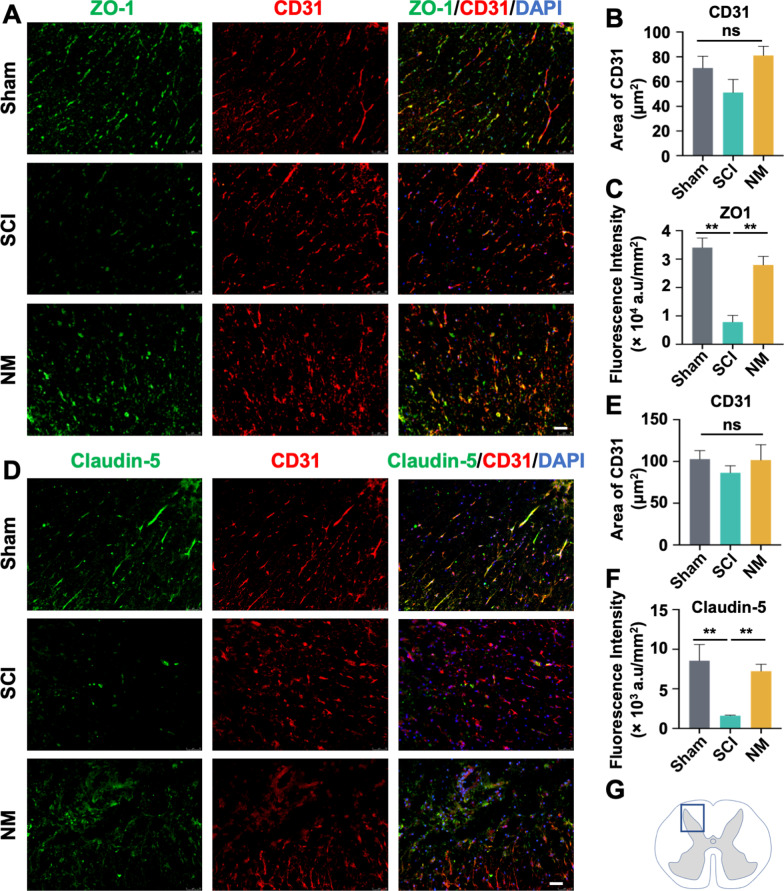
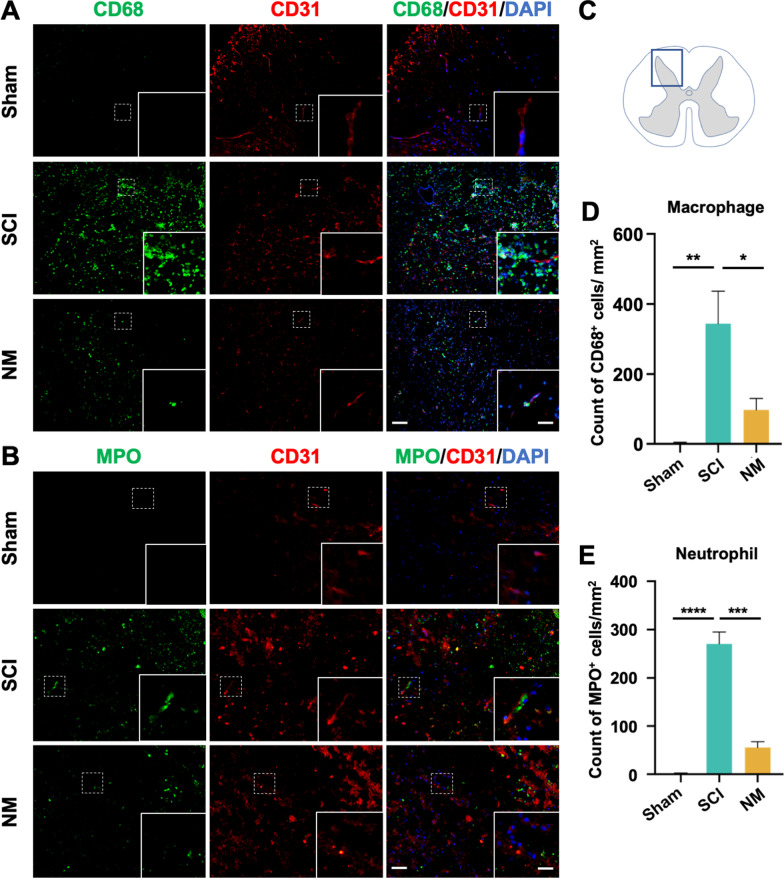
The optimal administration time window of nafamostat was 2-12 h post-injury. Argatroban, the thrombin-specific inhibitor, had a similar pattern. Thrombin expression peaked at 12 h and returned to normal level at 7 days post-SCI. PAR1, the thrombin receptor, and MMP9 were significantly upregulated after SCI. The most significant increase of thrombin expression was detected in vascular endothelial cells (ECs). Nafamostat and argatroban significantly downregulated thrombin and MMP9 expression as well as thrombin activity in the spinal cord. Nafamostat inhibited thrombin enrichment in endothelial cells. Nafamostat administration at 2-12 h after SCI inhibited the leakage of Evans Blue in the epicenter and upregulated tight junction proteins (TJPs) expression. Nafamostat administration 8 h post-SCI effectively inhibited the infiltration of peripheral macrophages and neutrophils to the injury site.
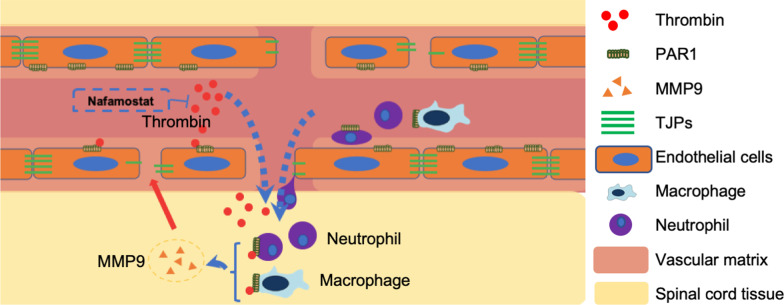
Our study provides preclinical information of nafamostat about the administration time window of 2-12 h post-injury in contusive SCI. We revealed that nafamostat functions through inhibiting the thrombin-mediated BSCB breakdown and subsequent peripheral immune cells infiltration.
甲磺酸萘莫司他(Nafamostat,NM)是一种已获得美国食品药品监督管理局(FDA)批准的丝氨酸蛋白酶抑制剂,可在大鼠脊髓损伤(SCI)后发挥抗神经炎症和神经保护作用。然而,由于其给药时间窗和作用机制尚不明确,临床转化受到限制。
在撞击性 SCI 后,对大鼠给予甲磺酸萘莫司他的首次剂量时间进行测试。通过评估后肢运动和电生理学,筛选甲磺酸萘莫司他的最佳时间窗。由于甲磺酸萘莫司他是一种已知靶向凝血酶的丝氨酸蛋白酶抑制剂,我们在时间窗实验中使用阿加曲班(Argatroban)作为阳性对照,阿加曲班是一种凝血酶特异性抑制剂。在不同时间点检测凝血酶表达水平及其酶活性,以及其受体蛋白酶激活受体 1(PAR1)和下游蛋白基质金属蛋白酶 9(MMP9)。还分析了血脊髓屏障(BSCB)通透性漏出指标 Evans Blue 和纤维蛋白原在这些时间点的情况。通过免疫荧光观察外周炎性细胞的浸润情况。
甲磺酸萘莫司他的最佳给药时间窗为损伤后 2-12 小时。凝血酶特异性抑制剂阿加曲班也呈现出类似的模式。SCI 后凝血酶表达在 12 小时达到峰值,7 天后恢复正常水平。PAR1,即凝血酶受体,以及 MMP9 在 SCI 后显著上调。在血管内皮细胞(ECs)中检测到凝血酶表达的最大增加。甲磺酸萘莫司他和阿加曲班显著下调脊髓中的凝血酶和 MMP9 表达以及凝血酶活性。甲磺酸萘莫司他抑制了内皮细胞中凝血酶的富集。在 SCI 后 2-12 小时给予甲磺酸萘莫司他可抑制中心部位 Evans Blue 的渗漏并上调紧密连接蛋白(TJPs)的表达。在 SCI 后 8 小时给予甲磺酸萘莫司他可有效抑制外周巨噬细胞和中性粒细胞向损伤部位的浸润。
本研究提供了甲磺酸萘莫司他在撞击性 SCI 后 2-12 小时损伤时间窗的临床前信息。我们揭示了甲磺酸萘莫司他通过抑制凝血酶介导的 BSCB 破坏和随后的外周免疫细胞浸润发挥作用。