Dawes William
Alder Hey Children's Hospital, Liverpool, United Kingdom.
NIHR Great Ormond Street Hospital BRC, London, United Kingdom.
Front Pediatr. 2022 Jun 30;10:887606. doi: 10.3389/fped.2022.887606. eCollection 2022.
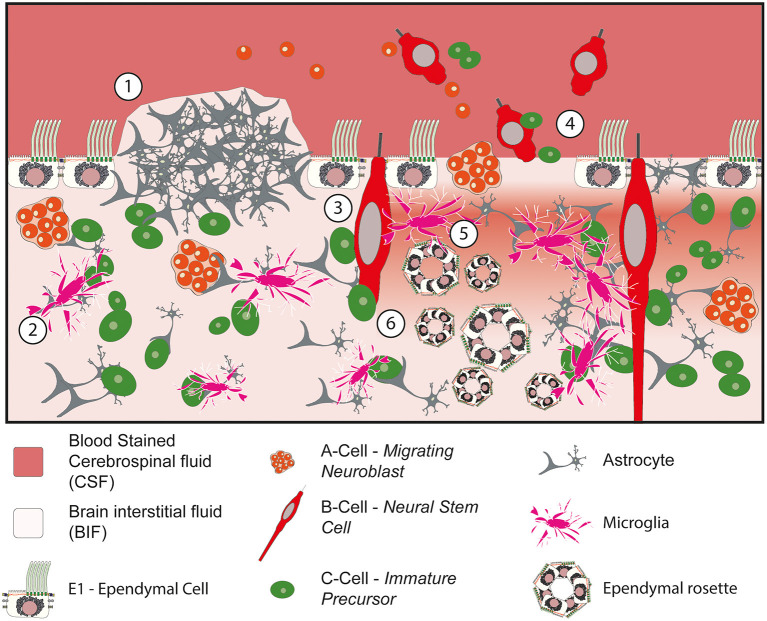
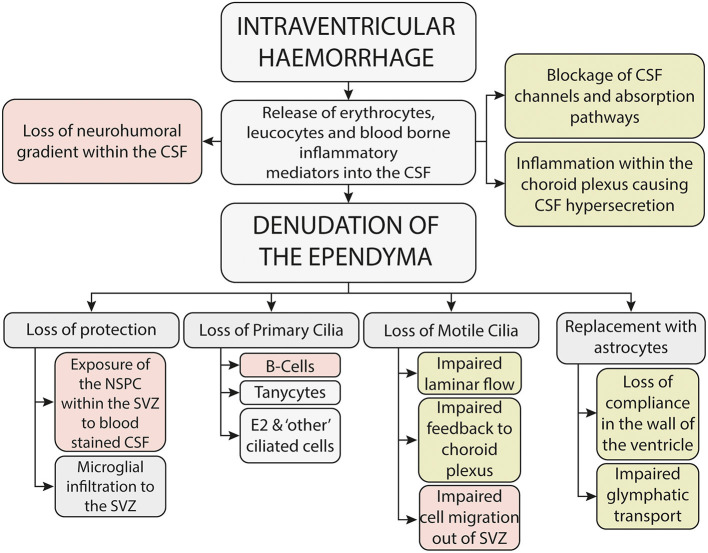
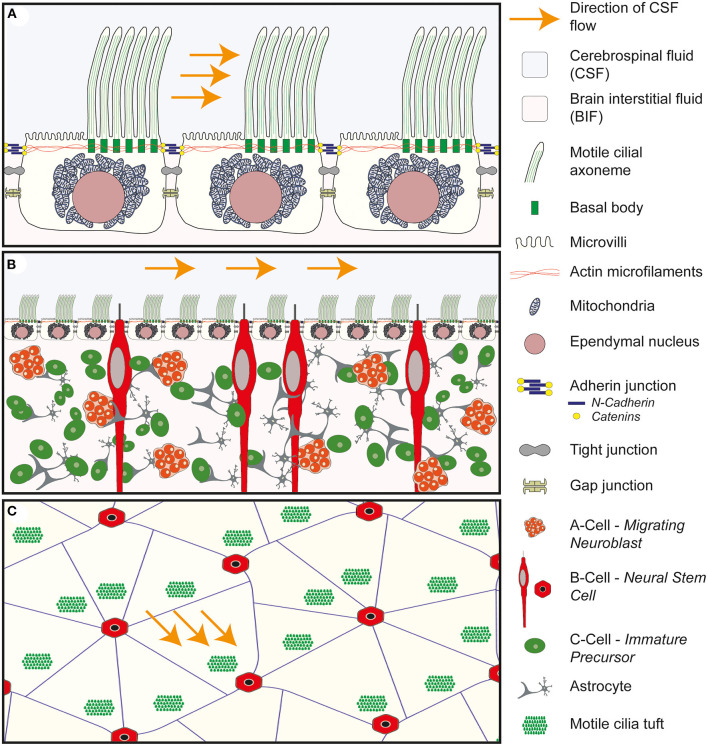
Intraventricular hemorrhage is recognized as a leading cause of hydrocephalus in the developed world and a key determinant of neurodevelopmental outcome following premature birth. Even in the absence of haemorrhagic infarction or posthaemorrhagic hydrocephalus, there is increasing evidence of neuropsychiatric and neurodevelopmental sequelae. The pathophysiology underlying this injury is thought to be due to a primary destructive and secondary developmental insult, but the exact mechanisms remain elusive and this has resulted in a paucity of therapeutic interventions. The presence of blood within the cerebrospinal fluid results in the loss of the delicate neurohumoral gradient within the developing brain, adversely impacting on the tightly regulated temporal and spatial control of cell proliferation and migration of the neural stem progenitor cells within the subventricular zone. In addition, haemolysis of the erythrocytes, associated with the release of clotting factors and leucocytes into the cerebrospinal (CSF), results in a toxic and inflammatory CSF microenvironment which is harmful to the periventricular tissues, resulting in damage and denudation of the multiciliated ependymal cells which line the choroid plexus and ventricular system. The ependyma plays a critical role in the developing brain and beyond, acting as both a protector and gatekeeper to the underlying parenchyma, controlling influx and efflux across the CSF to brain interstitial fluid interface. In this review I explore the hypothesis that damage and denudation of the ependymal layer at this critical juncture in the developing brain, seen following IVH, may adversely impact on the brain microenvironment, exposing the underlying periventricular tissues to toxic and inflammatory CSF, further exacerbating disordered activity within the subventricular zone (SVZ). By understanding the impact that intraventricular hemorrhage has on the microenvironment within the CSF, and the consequences that this has on the multiciliated ependymal cells which line the neuraxis, we can begin to develop and test novel therapeutic interventions to mitigate damage and reduce the associated morbidity.
在发达国家,脑室内出血被认为是脑积水的主要原因,也是早产后脑神经发育结局的关键决定因素。即使没有出血性梗死或出血后脑积水,越来越多的证据表明存在神经精神和神经发育后遗症。这种损伤的病理生理学被认为是由于原发性破坏和继发性发育损伤,但确切机制仍然难以捉摸,这导致治疗干预措施匮乏。脑脊液中存在血液会导致发育中的大脑内微妙的神经体液梯度丧失,对脑室下区神经干祖细胞增殖和迁移的严格时空控制产生不利影响。此外,红细胞溶血,伴随着凝血因子和白细胞释放到脑脊液中,会导致有毒和炎症性的脑脊液微环境,对脑室周围组织有害,导致衬于脉络丛和脑室系统的多纤毛室管膜细胞受损和剥脱。室管膜在发育中的大脑及其他方面起着关键作用,既是潜在实质的保护者和守门人,控制脑脊液与脑间质液界面的流入和流出。在这篇综述中,我探讨了这样一种假说,即脑室内出血后在发育中的大脑这个关键节点上室管膜层的损伤和剥脱,可能会对脑微环境产生不利影响,使潜在的脑室周围组织暴露于有毒和炎症性脑脊液中,进一步加剧脑室下区(SVZ)内的紊乱活动。通过了解脑室内出血对脑脊液微环境的影响,以及这对沿神经轴排列的多纤毛室管膜细胞的影响,我们可以开始开发和测试新的治疗干预措施,以减轻损伤并降低相关发病率。