Barchiesi E, Wareing T, Desmond L, Phan A N, Gentile P, Pontrelli G
Instituto de Investigación Cientifica, Universidad de Lima, Lima, Peru.
École Nationale d'Ingénieurs de Brest, Brest, France.
Front Bioeng Biotechnol. 2022 Jun 30;10:888944. doi: 10.3389/fbioe.2022.888944. eCollection 2022.
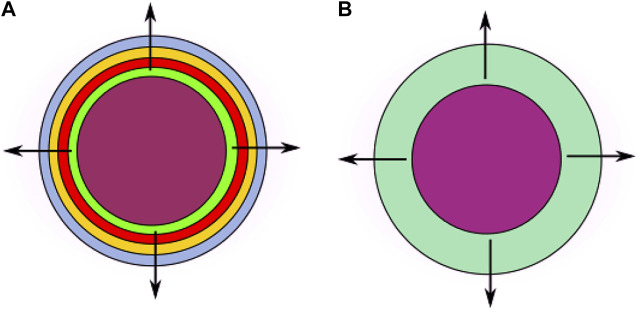
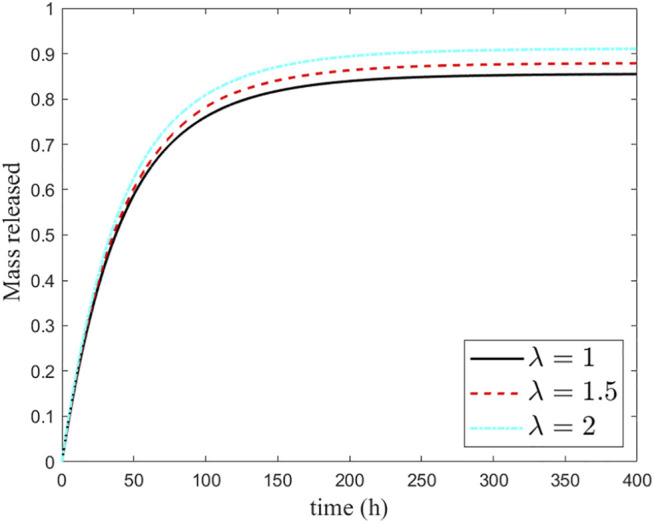
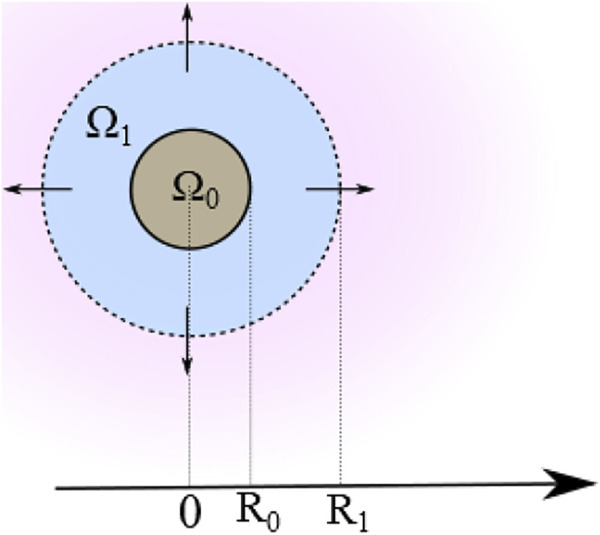
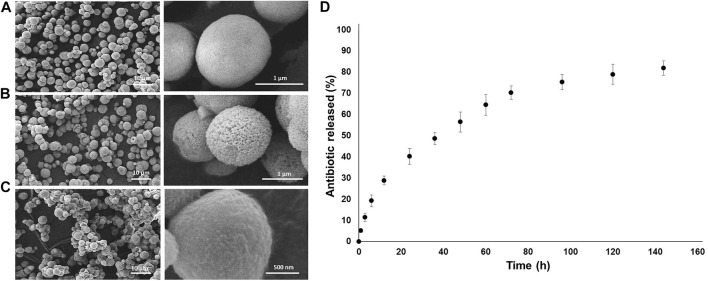
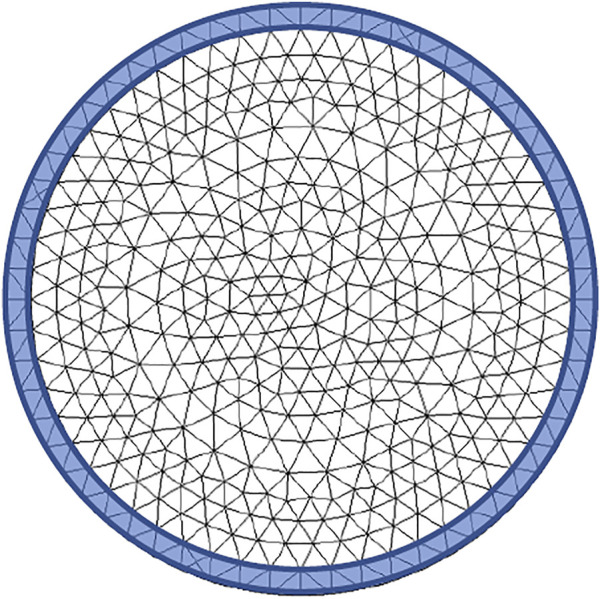
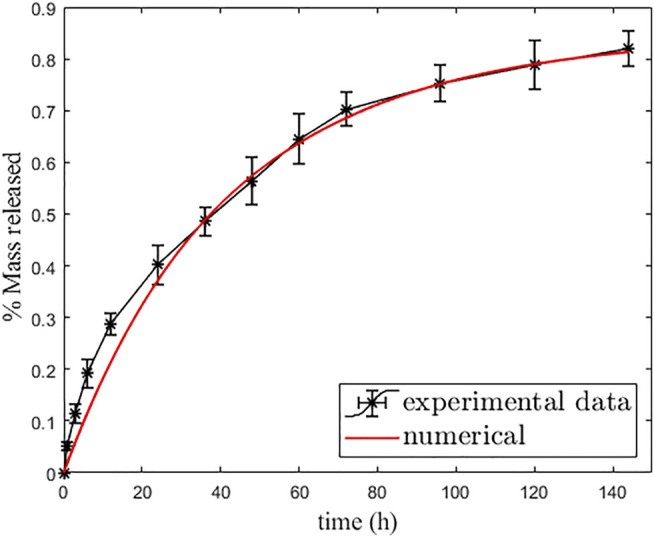
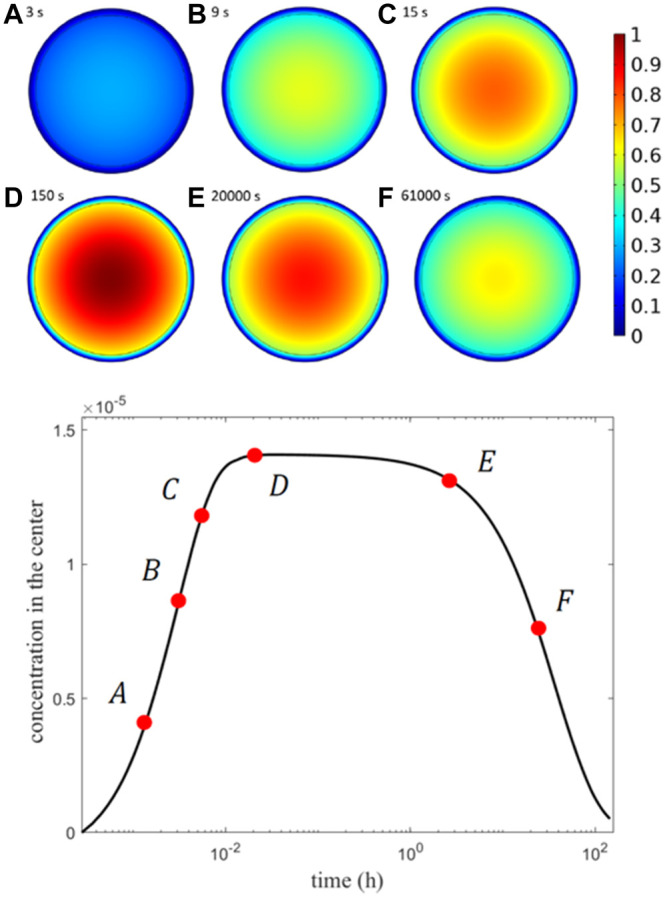
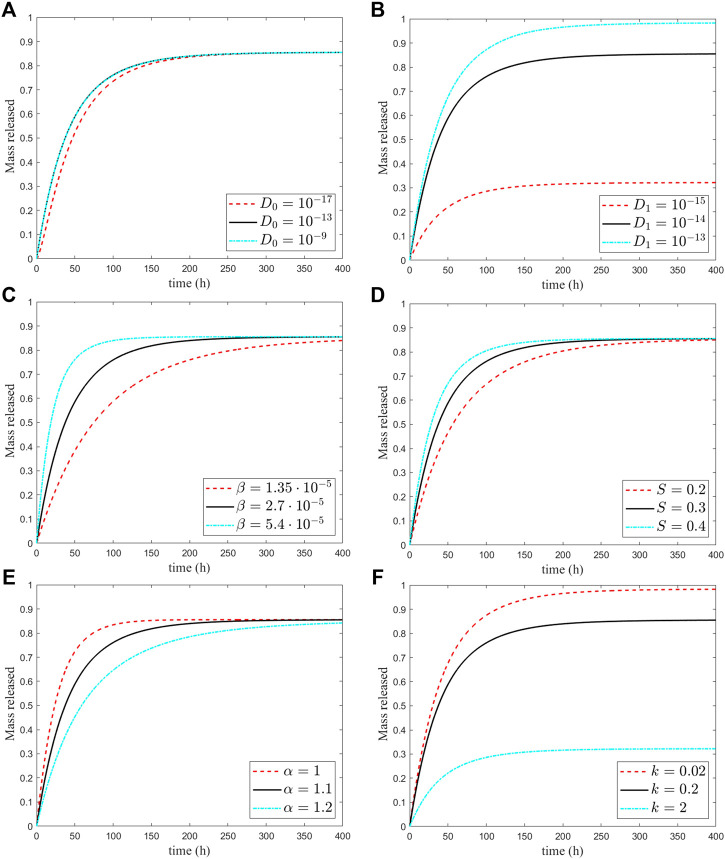
Drug delivery carriers are considered an encouraging approach for the localized treatment of disease with minimum effect on the surrounding tissue. Particularly, layer-by-layer releasing particles have gained increasing interest for their ability to develop multifunctional systems able to control the release of one or more therapeutical drugs and biomolecules. Although experimental methods can offer the opportunity to establish cause and effect relationships, the data collection can be excessively expensive or/and time-consuming. For a better understanding of the impact of different design conditions on the drug-kinetics and release profile, properly designed mathematical models can be greatly beneficial. In this work, we develop a continuum-scale mathematical model to evaluate the transport and release of a drug from a microparticle based on an inner core covered by a polymeric shell. The present mathematical model includes the dissolution and diffusion of the drug and accounts for a mechanism that takes into consideration the drug biomolecules entrapped into the polymeric shell. We test a sensitivity analysis to evaluate the influence of changing the model conditions on the total system behavior. To prove the effectiveness of this proposed model, we consider the specific application of antibacterial treatment and calibrate the model against the data of the release profile for an antibiotic drug, metronidazole. The results of the numerical simulation show that ∼85% of the drug is released in 230 h, and its release is characterized by two regimes where the drug dissolves, diffuses, and travels the external shell layer at a shorter time, while the drug is released from the shell to the surrounding medium at a longer time. Within the sensitivity analysis, the outer layer diffusivity is more significant than the value of diffusivity in the core, and the increase of the dissolution parameters causes an initial burst release of the drug. Finally, changing the shape of the particle to an ellipse produces an increased percentage of drugs released with an unchanged release time.
药物递送载体被认为是一种用于疾病局部治疗的、对周围组织影响最小的、令人鼓舞的方法。特别是,逐层释放颗粒因其能够开发多功能系统以控制一种或多种治疗药物和生物分子的释放而越来越受到关注。尽管实验方法可以提供建立因果关系的机会,但数据收集可能过于昂贵或/且耗时。为了更好地理解不同设计条件对药物动力学和释放曲线的影响,恰当设计的数学模型会非常有帮助。在这项工作中,我们开发了一个连续尺度的数学模型,以评估药物从基于被聚合物壳覆盖的内核的微粒中的传输和释放。本数学模型包括药物的溶解和扩散,并考虑了一种机制,该机制考虑了被困在聚合物壳中的药物生物分子。我们进行了敏感性分析,以评估改变模型条件对整个系统行为的影响。为了证明该模型的有效性,我们考虑了抗菌治疗的具体应用,并根据抗生素药物甲硝唑的释放曲线数据对模型进行校准。数值模拟结果表明,约85%的药物在230小时内释放,其释放具有两个阶段,在较短时间内药物溶解、扩散并穿过外壳层,而在较长时间内药物从壳中释放到周围介质中。在敏感性分析中,外层扩散率比内核中的扩散率值更显著,溶解参数的增加会导致药物的初始突释。最后,将颗粒形状变为椭圆形会使释放的药物百分比增加,而释放时间不变。