Pontremoli Carlotta, Pagani Mattia, Maddalena Lorenza, Carosio Federico, Vitale-Brovarone Chiara, Fiorilli Sonia
Department of Applied Science and Technology, Politecnico di Torino, Corso Duca degli Abruzzi 24, 10129 Torino, Italy.
Department of Chemistry, NIS Interdepartmental and INSTM Reference Centre, University of Torino, via Giuria 7, 10125 Torino, Italy.
Pharmaceutics. 2021 Nov 17;13(11):1952. doi: 10.3390/pharmaceutics13111952.
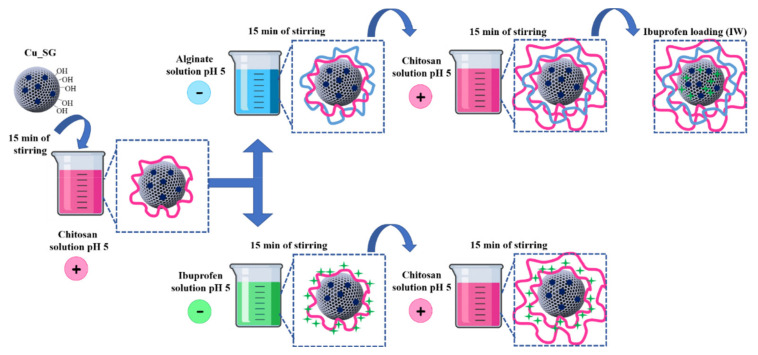
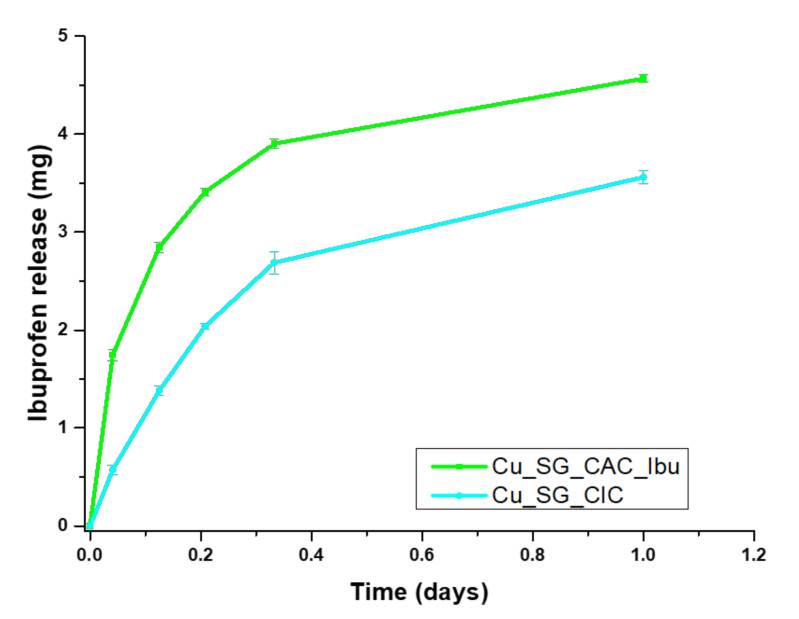
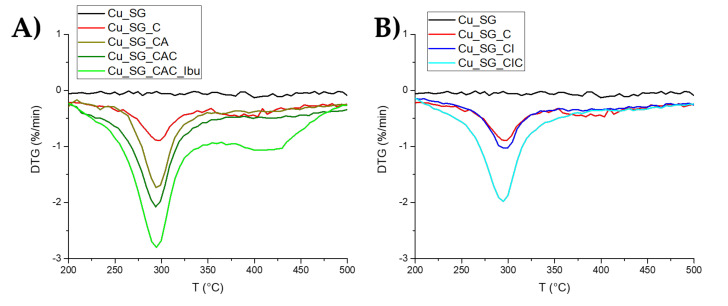
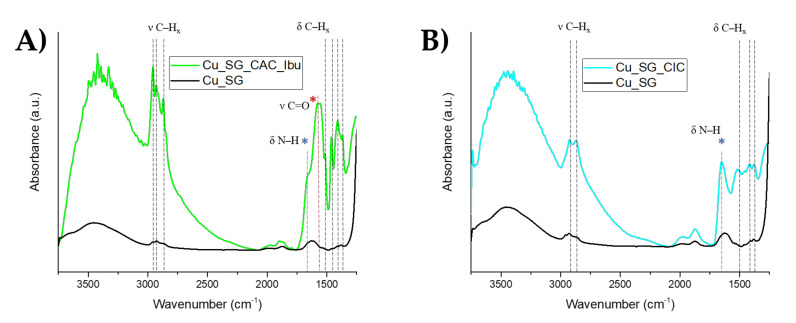
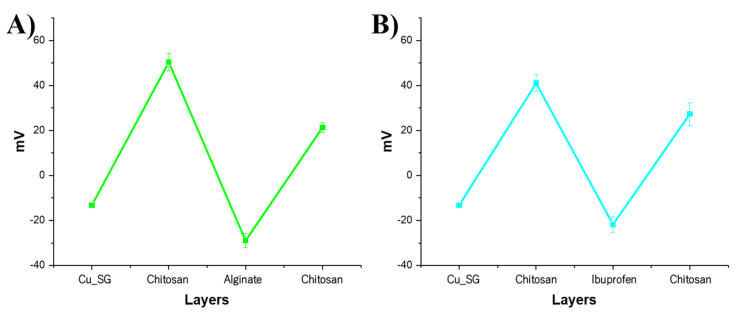
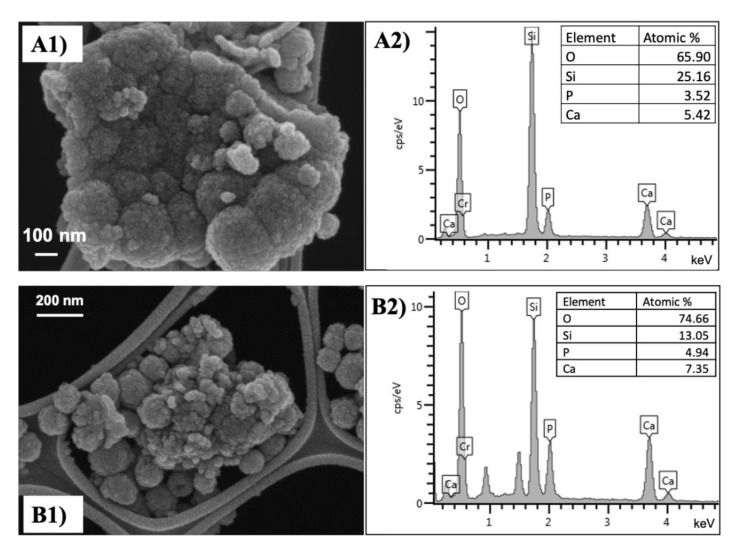
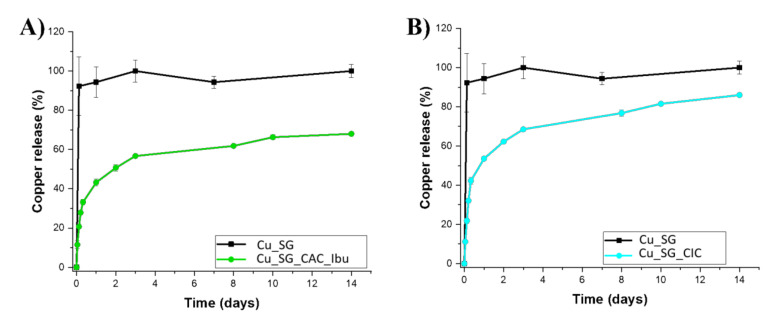
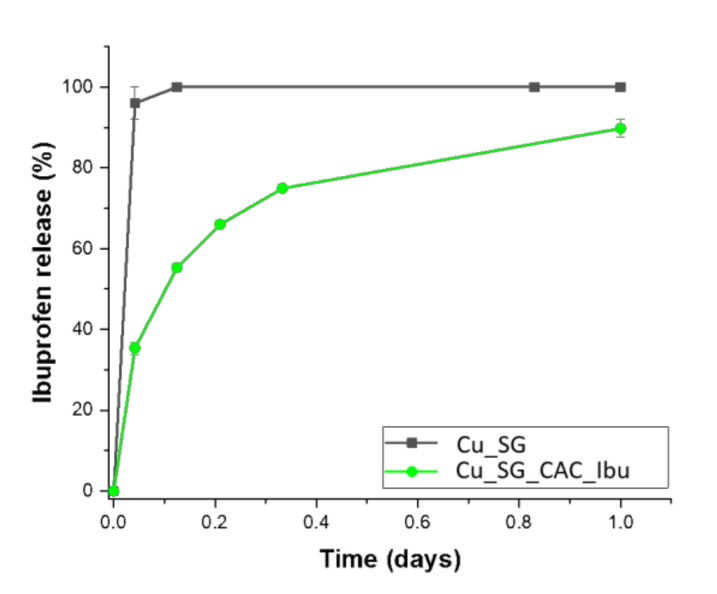
In the field of bone regeneration, considerable attention has been addressed towards the use of mesoporous bioactive glasses (MBGs), as multifunctional therapeutic platforms for advanced medical devices. In fact, their extremely high exposed surface area and pore volume allow to load and the release of several drugs, while their framework can be enriched with specific therapeutic ions allowing to boost the tissue regeneration. However, due to the open and easily accessible mesopore structure of MBG, the release of the incorporated therapeutic molecules shows an initial burst effect leading to unsuitable release kinetics. Hence, a still open challenge in the design of drug delivery systems based on MBGs is the control of their release behavior. In this work, Layer-by-layer (LbL) deposition of polyelectrolyte multi-layers was exploited as a powerful and versatile technique for coating the surface of Cu-substituted MBG nanoparticles with innovative multifunctional drug delivery systems for co-releasing of therapeutic copper ions (exerting pro-angiogenic and anti-bacterial effects) and an anti-inflammatory drug (ibuprofen). Two different routes were investigated: in the first strategy, chitosan and alginate were assembled by forming the multi-layered surface, and, successively, ibuprofen was loaded by incipient wetness impregnation, while in the second approach, alginate was replaced by ibuprofen, introduced as polyelectrolyte layer. Zeta-potential, TGA and FT-IR spectroscopy were measured after the addition of each polyelectrolyte layer, confirming the occurrence of the stepwise deposition. In addition, the in vitro bioactivity and the ability to modulate the release of the cargo were evaluated. The polyelectrolyte coated-MBGs were proved to retain the peculiar ability to induce hydroxyapatite formation after 7 days of soaking in Simulated Body Fluid. Both copper ions and ibuprofen were co-released over time, showing a sustained release profile up to 14 days and 24 h, respectively, with a significantly lower burst release compared to the bare MBG particles.
在骨再生领域,介孔生物活性玻璃(MBG)作为先进医疗设备的多功能治疗平台受到了广泛关注。事实上,其极高的比表面积和孔体积使其能够负载和释放多种药物,同时其骨架可富含特定治疗离子以促进组织再生。然而,由于MBG具有开放且易于接近的介孔结构,所包载治疗分子的释放呈现出初始突释效应,导致释放动力学不理想。因此,基于MBG的药物递送系统设计中一个仍未解决的挑战是控制其释放行为。在这项工作中,利用聚电解质多层的层层(LbL)沉积作为一种强大且通用的技术,用创新的多功能药物递送系统包覆铜取代的MBG纳米颗粒表面,以实现治疗性铜离子(具有促血管生成和抗菌作用)和抗炎药物(布洛芬)的共释放。研究了两种不同的途径:在第一种策略中,通过形成多层表面组装壳聚糖和海藻酸盐,随后通过初湿浸渍法负载布洛芬;而在第二种方法中,海藻酸盐被作为聚电解质层引入的布洛芬所取代。在添加每一层聚电解质后测量了zeta电位、热重分析(TGA)和傅里叶变换红外光谱(FT-IR),证实了逐步沉积的发生。此外,还评估了体外生物活性和调节货物释放的能力。经聚电解质包覆的MBG在模拟体液中浸泡7天后被证明保留了诱导羟基磷灰石形成的独特能力。铜离子和布洛芬均随时间共释放,分别显示出长达14天和24小时的持续释放曲线,与未包覆MBG颗粒相比,突释明显降低。