Zhao Jinman, Lee Chang In
Department of TESOL English Education, Pai Chai University, Daejeon, South Korea.
Front Psychol. 2022 Jul 1;13:836013. doi: 10.3389/fpsyg.2022.836013. eCollection 2022.
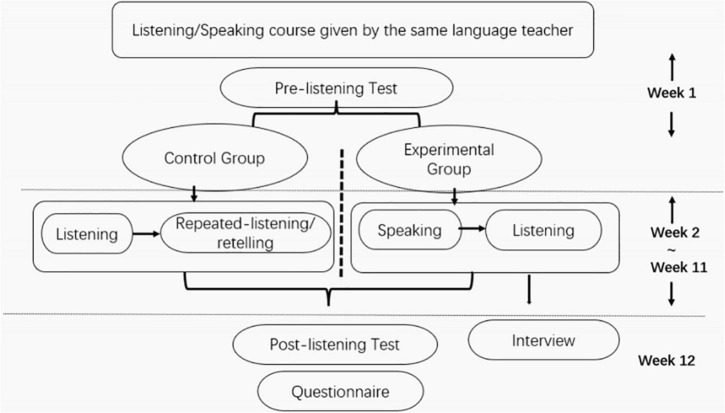
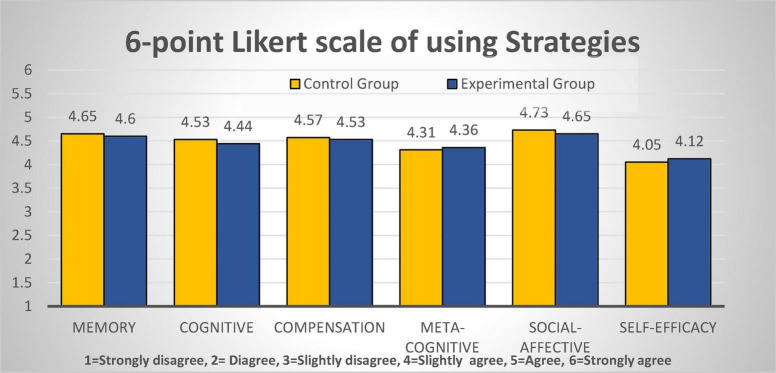
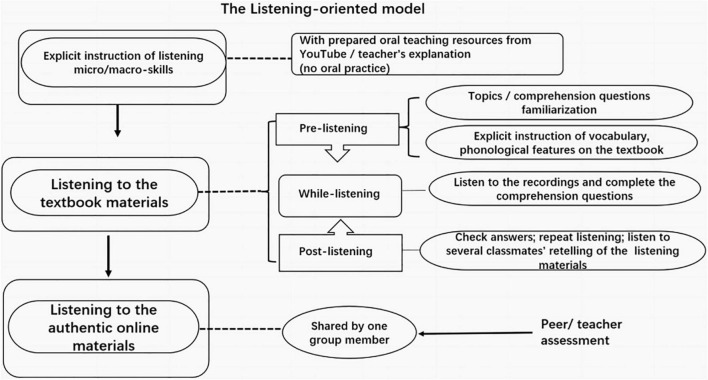
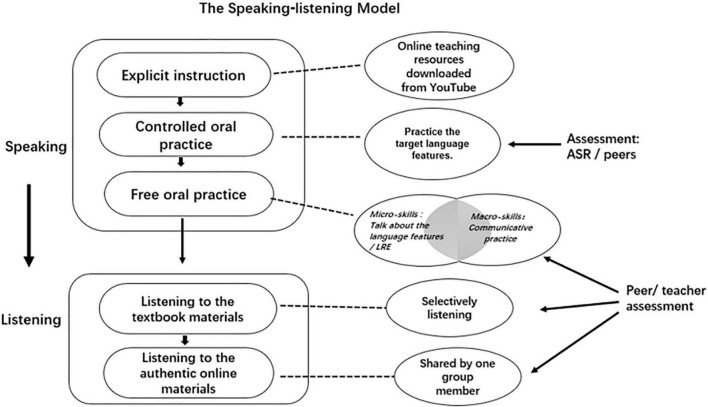
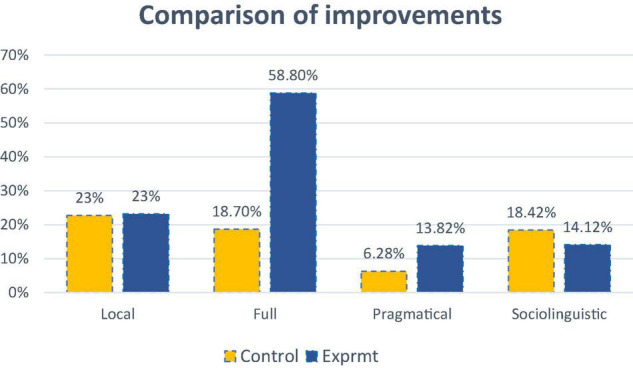
The purpose of this study is to explore the impact of teaching subskills, namely micro- and macro-skills, with a speaking-listening model on the improvement of listening competence. The research included 112 Chinese tertiary students with intermediate English proficiency who were recruited from around the country. Before attending a listening class, the experimental group engaged in oral practice of the subskills, while the control one engaged in conventional listening-oriented preparation before attending a listening class. A randomized controlled trial (RCT), as well as a questionnaire, were used to assess the listening skills. Following the results of the test analysis, we concluded that practicing listening subskills, first verbally and subsequently audibly, had a substantial impact on the development of listening competence. This efficiency was particularly evident when it came to growing discourse and pragmatical listening skills, rather than developing grammatical and sociolinguistic competence. The results of the questionnaire indicated that there was minimal difference between the two groups in terms of listening strategic competence. Our findings were confirmed by coding the interview data, which revealed that tertiary students' self-agency and class participation had increased. The findings indicate that teaching tertiary students listening with speaking before listening in a computer-mediated communication (CMC) setting has an uneven influence on their development of listening skills.
本研究的目的是探讨运用听说模式教授微观和宏观技能等教学子技能对提高听力能力的影响。该研究纳入了112名来自全国各地、具有中级英语水平的中国大学生。在参加听力课程之前,实验组进行了子技能的口语练习,而对照组在参加听力课程之前进行了传统的以听力为导向的准备。采用随机对照试验(RCT)以及问卷调查来评估听力技能。根据测试分析结果,我们得出结论,先进行口头练习,然后再进行听力练习,对听力能力的发展有重大影响。当涉及到发展语篇和语用听力技能时,这种效果尤为明显,而不是发展语法和社会语言能力。问卷调查结果表明,两组在听力策略能力方面差异极小。对访谈数据进行编码证实了我们的研究结果,结果显示大学生的自我能动性和课堂参与度有所提高。研究结果表明,在计算机介导的交流(CMC)环境中,先通过口语教授大学生听力,然后再进行听力教学,对他们听力技能的发展影响不均衡。