Li Pan, Zhang Ruoyu, Wang Meng, Chen Yuwei, Chen Zhiwei, Ke Xiumei, Zuo Ling, Wang Jianwei
Chongqing Key Laboratory of Traditional Chinese Medicine for Prevention and Cure of Metabolic Diseases, College of Traditional Chinese Medicine, Chongqing Medical University, Chongqing, China.
The Pharmacy Department, the Second People's Hospital of Jiulongpo District, Chongqing, China.
Front Pharmacol. 2022 Jun 30;13:917329. doi: 10.3389/fphar.2022.917329. eCollection 2022.
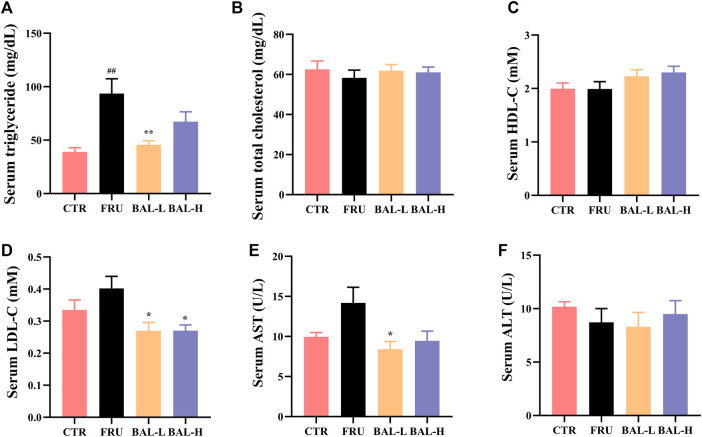
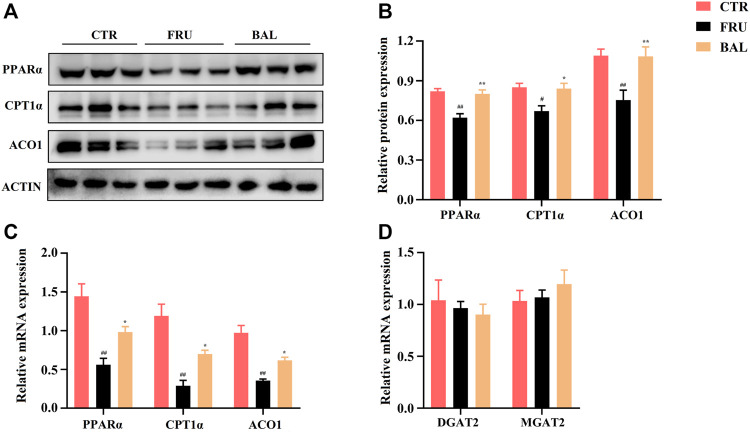
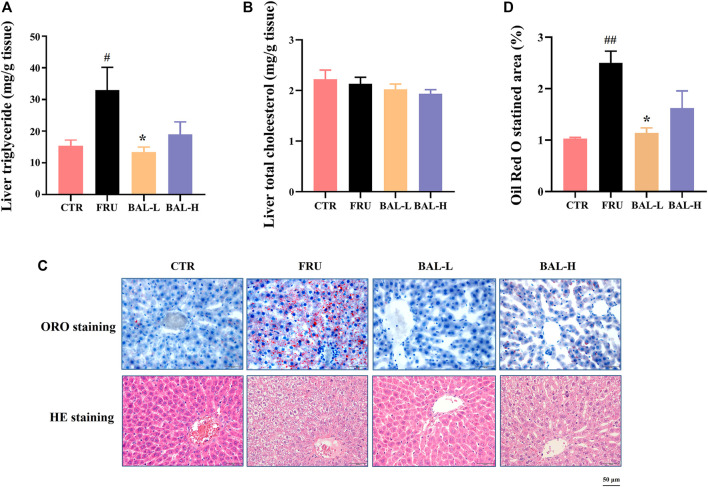
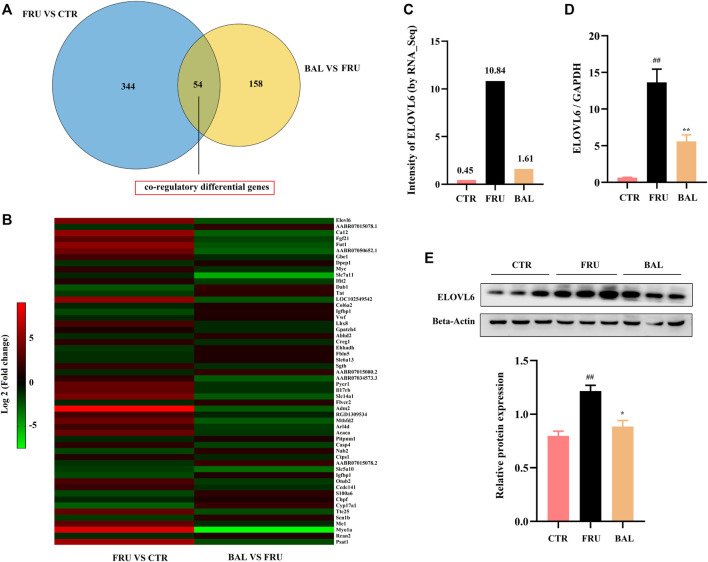
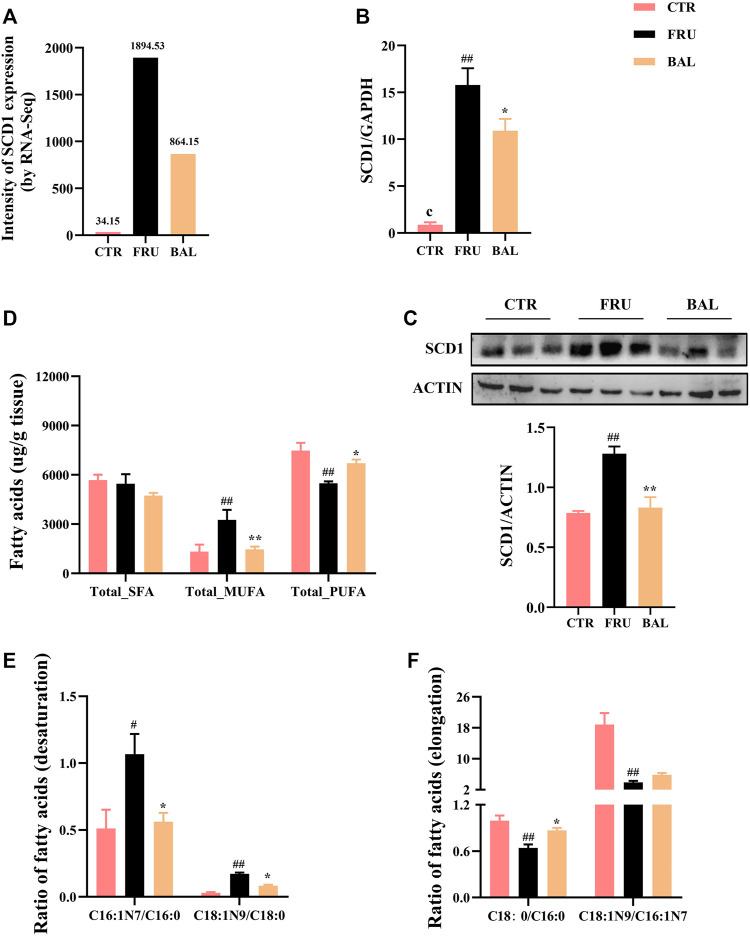
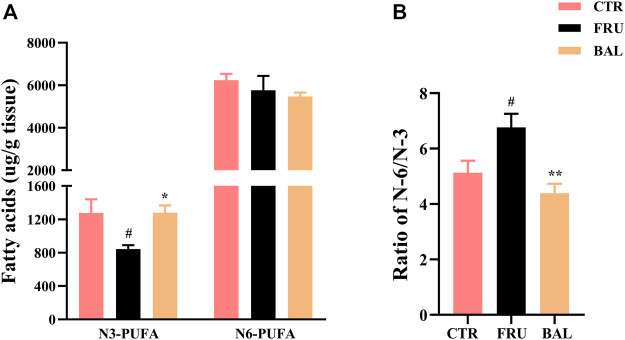
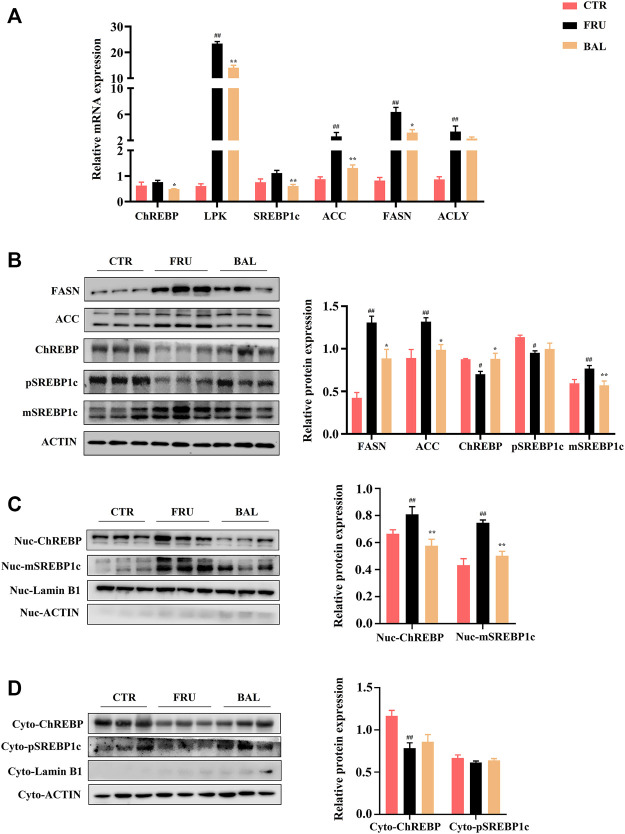
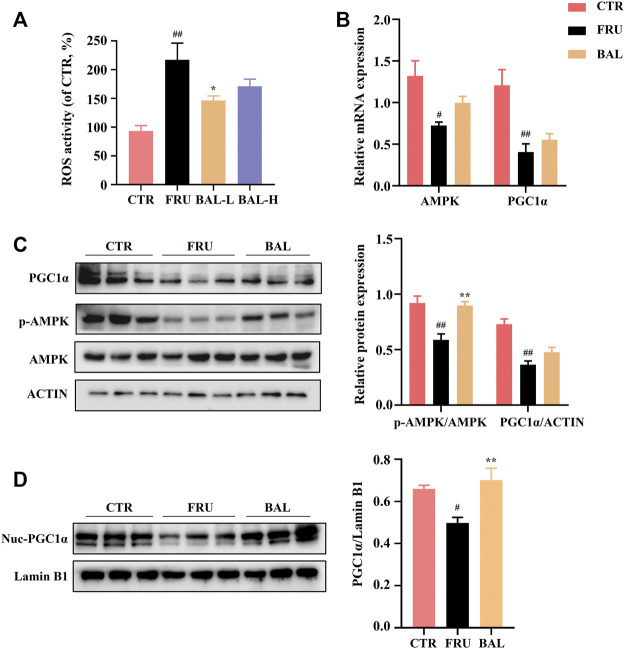
Non-alcoholic fatty liver disease (NAFLD), ranging from simple steatosis to non-alcoholic steatohepatitis (NASH), hepatic fibrosis and even hepatocellular carcinoma, is a liver disease worldwide without approved therapeutic drugs. Baicalein (BAL), a flavonoid compound extracted from the Traditional Chinese Medicine (TCM) Scutellariae Radix ( Georgi.), has been used in TCM clinical practice for thousands of years to treat liver diseases due to its "hepatoprotective effect". However, the underlying liver-protecting mechanisms remain largely unknown. Here, we found that oral administration of BAL significantly decreased excess serum levels of triglyceride (TG), low-density lipoprotein cholesterol (LDL-C), aspartate aminotransferase (AST) as well as hepatic TG in fructose-fed rats. Attenuation of the increased vacuolization and Oil Red O staining area was evident on hepatic histological examination in BAL-treated rats. Mechanistically, results of RNA-sequencing, western-blot, real-time quantitative PCR (RT-qPCR) and hepatic metabolomics analyses indicated that BAL decreased fructose-induced excessive nuclear expressions of mature sterol regulatory element-binding protein 1c (mSREBP1c) and carbohydrate response element-binding protein (ChREBP), which led to the decline of lipogenic molecules [including fatty acid synthase (FASN), stearoyl-CoA desaturase 1 (SCD1), elongation of very long chain fatty acids 6 (ELOVL6), acetyl-CoA carboxylase (ACC)], accompanying with the alternation of hepatic fatty acids composition. Meanwhile, BAL enhanced fatty acid oxidation by activating AMPK/PGC1α signaling axis and PPARα signal pathway, which elicited high expression of carnitine palmitoyl transferase 1α (CPT1α) and Acyl-CoA oxidase 1 (ACO1) in livers of fructose-fed rats, respectively. BAL ameliorated fructose-induced hepatic steatosis, which is associated with regulating fatty acid synthesis, elongation and oxidation.
非酒精性脂肪性肝病(NAFLD),范围从单纯性脂肪变性到非酒精性脂肪性肝炎(NASH)、肝纤维化甚至肝细胞癌,是一种全球范围内都没有获批治疗药物的肝脏疾病。黄芩素(BAL)是从中药黄芩(Georgi.)中提取的一种黄酮类化合物,因其“保肝作用”,在中医临床实践中已被用于治疗肝脏疾病数千年。然而,其潜在的肝脏保护机制在很大程度上仍不清楚。在此,我们发现口服BAL可显著降低果糖喂养大鼠血清中甘油三酯(TG)、低密度脂蛋白胆固醇(LDL-C)、天冬氨酸转氨酶(AST)的过高水平以及肝脏TG水平。在BAL处理的大鼠肝脏组织学检查中,空泡化增加和油红O染色面积的减轻明显可见。从机制上讲,RNA测序、蛋白质免疫印迹、实时定量PCR(RT-qPCR)和肝脏代谢组学分析结果表明,BAL降低了果糖诱导的成熟固醇调节元件结合蛋白1c(mSREBP1c)和碳水化合物反应元件结合蛋白(ChREBP)的过度核表达,这导致了脂肪生成分子[包括脂肪酸合酶(FASN)、硬脂酰辅酶A去饱和酶1(SCD1)、极长链脂肪酸延长酶6(ELOVL6)、乙酰辅酶A羧化酶(ACC)]的减少,同时伴随着肝脏脂肪酸组成的改变。与此同时,BAL通过激活AMPK/PGC1α信号轴和PPARα信号通路增强脂肪酸氧化,这分别导致果糖喂养大鼠肝脏中肉碱棕榈酰转移酶1α(CPT1α)和酰基辅酶A氧化酶1(ACO1)的高表达。BAL改善了果糖诱导的肝脂肪变性,这与调节脂肪酸合成、延长和氧化有关。