Wang Pengcheng, Zeng Guangyi, Yan Yu, Zhang Song-Yang, Dong Yongqiang, Zhang Yangming, Zhang Xingzhong, Liu Huiying, Zhang Zhipeng, Jiang Changtao, Pang Yanli
Department of Physiology and Pathophysiology, School of Basic Medical Sciences, Peking University, Key Laboratory of Molecular Cardiovascular Science, Ministry of Education, Beijing 100191, China.
Center of Basic Medical Research, Institute of Medical Innovation and Research, Peking University Third Hospital, Beijing 100191 China.
Acta Pharm Sin B. 2022 Apr;12(4):1899-1912. doi: 10.1016/j.apsb.2021.10.001. Epub 2021 Oct 14.
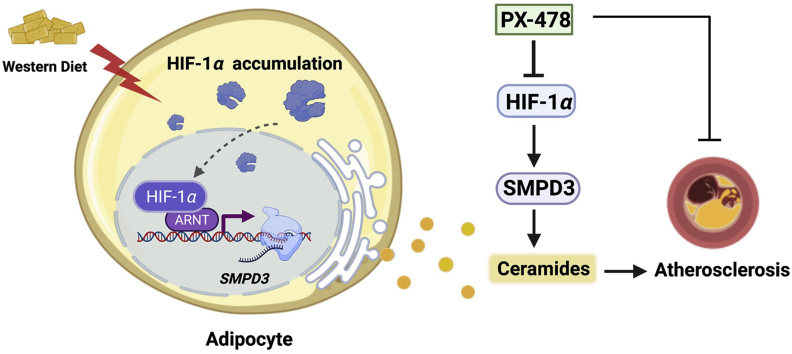
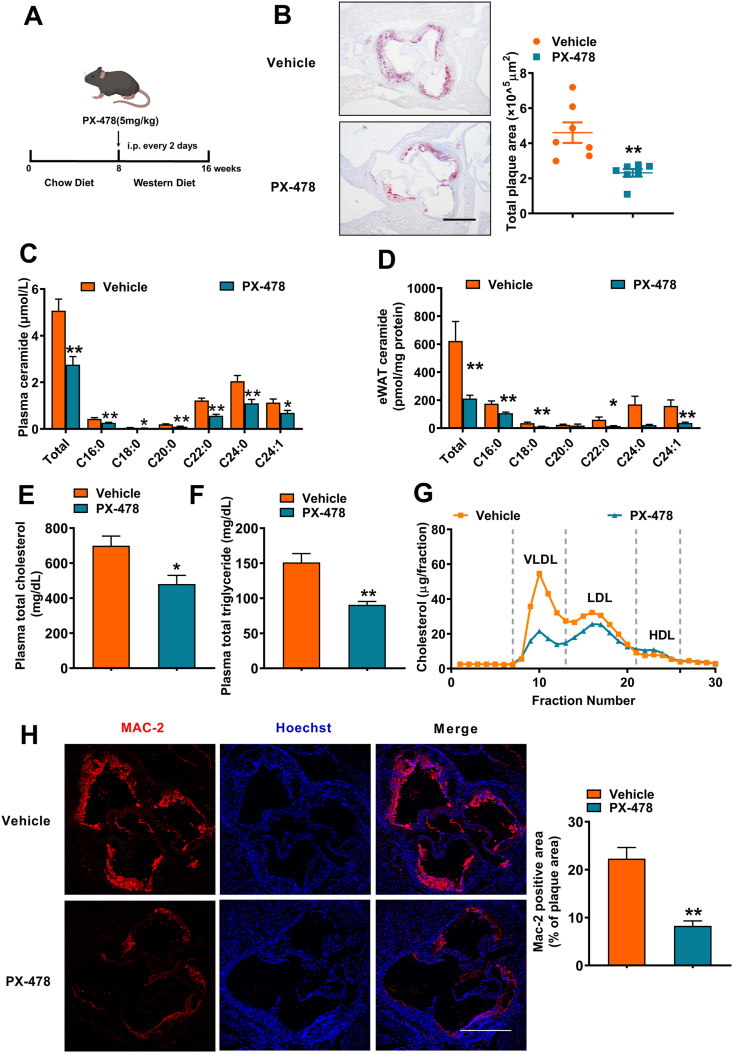
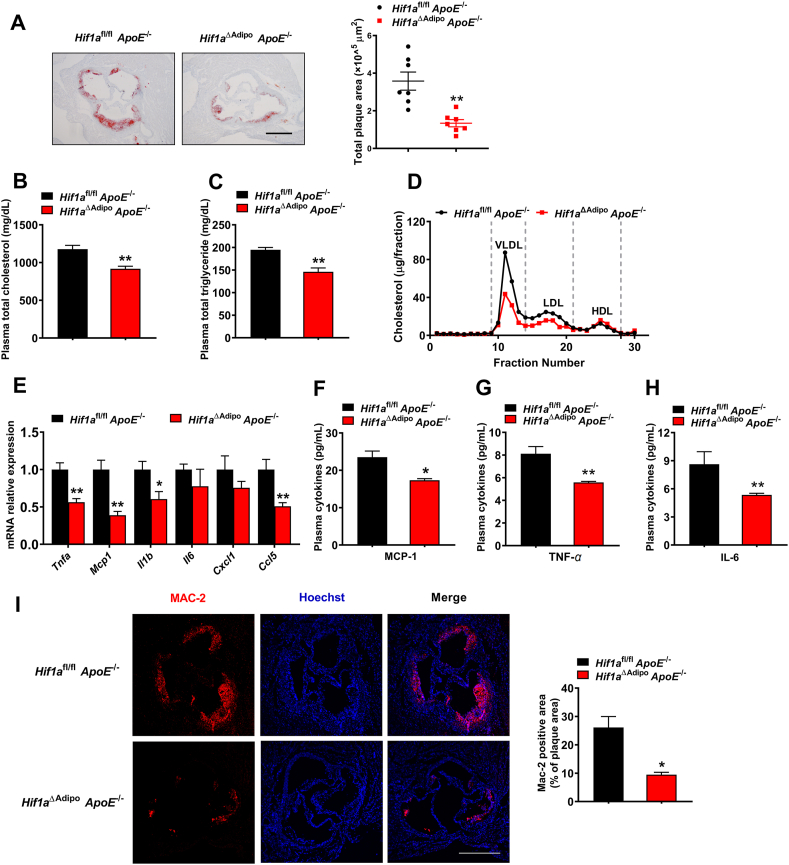
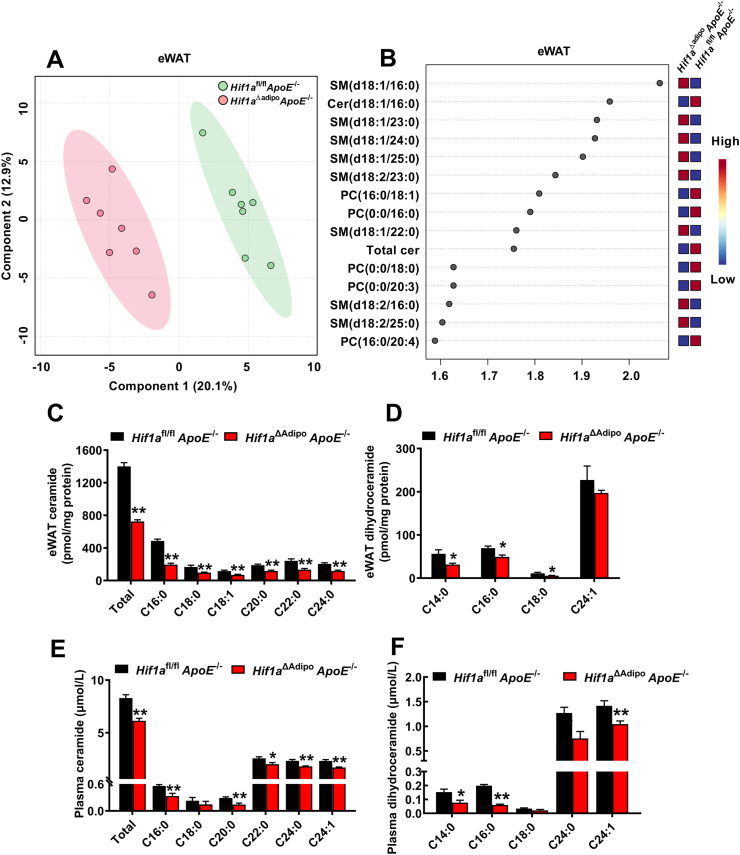
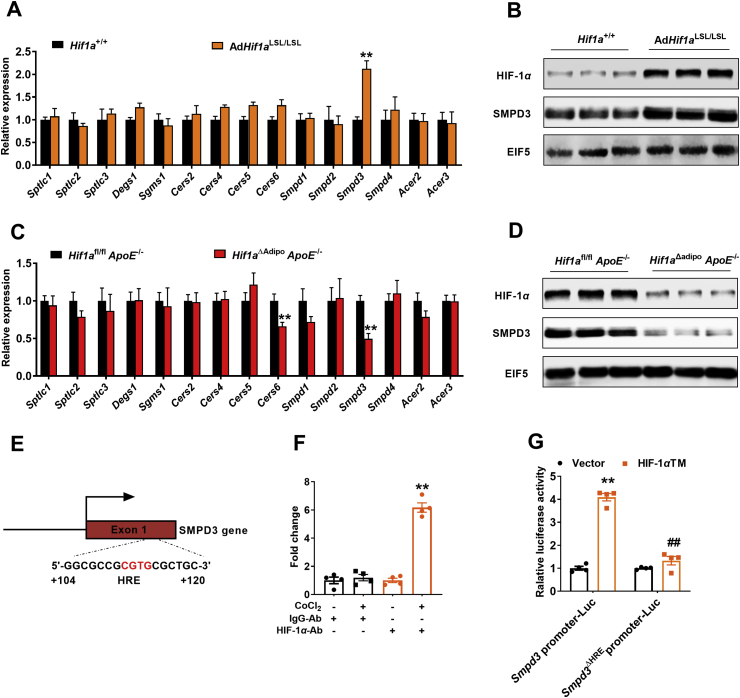
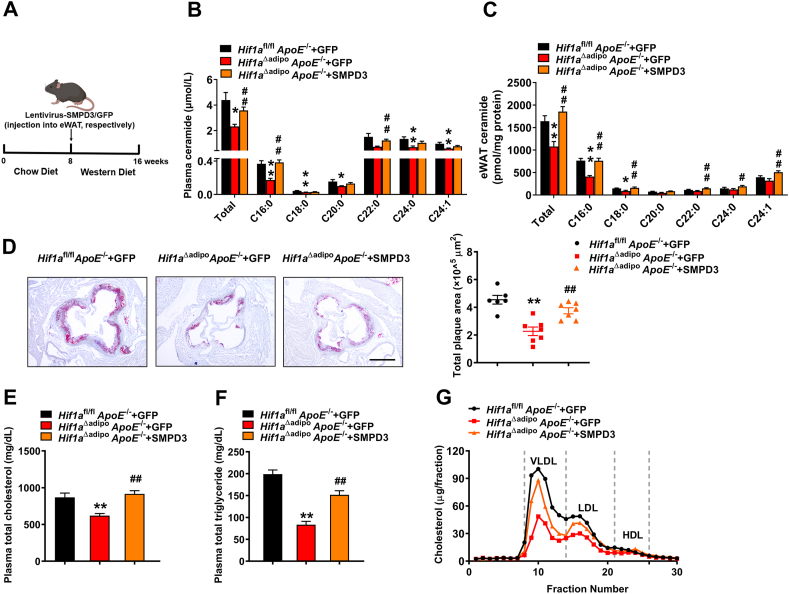
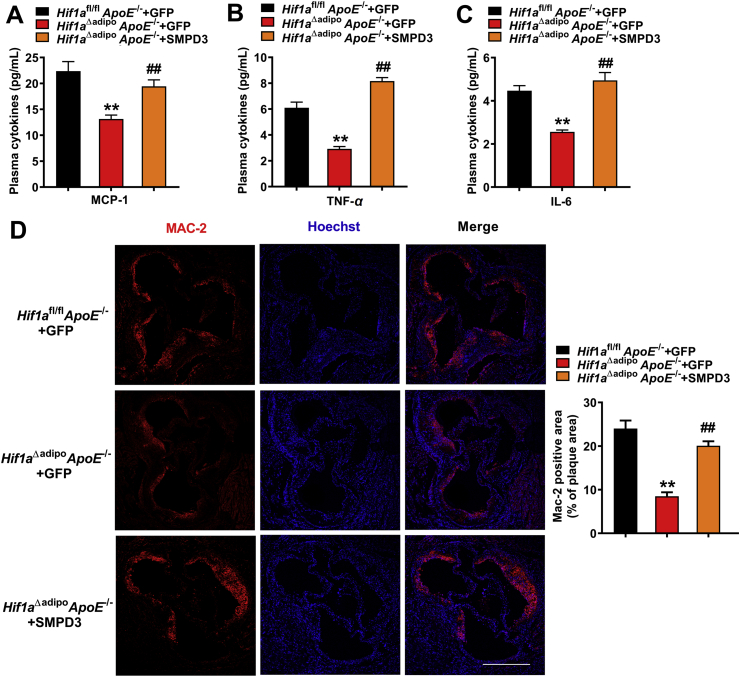
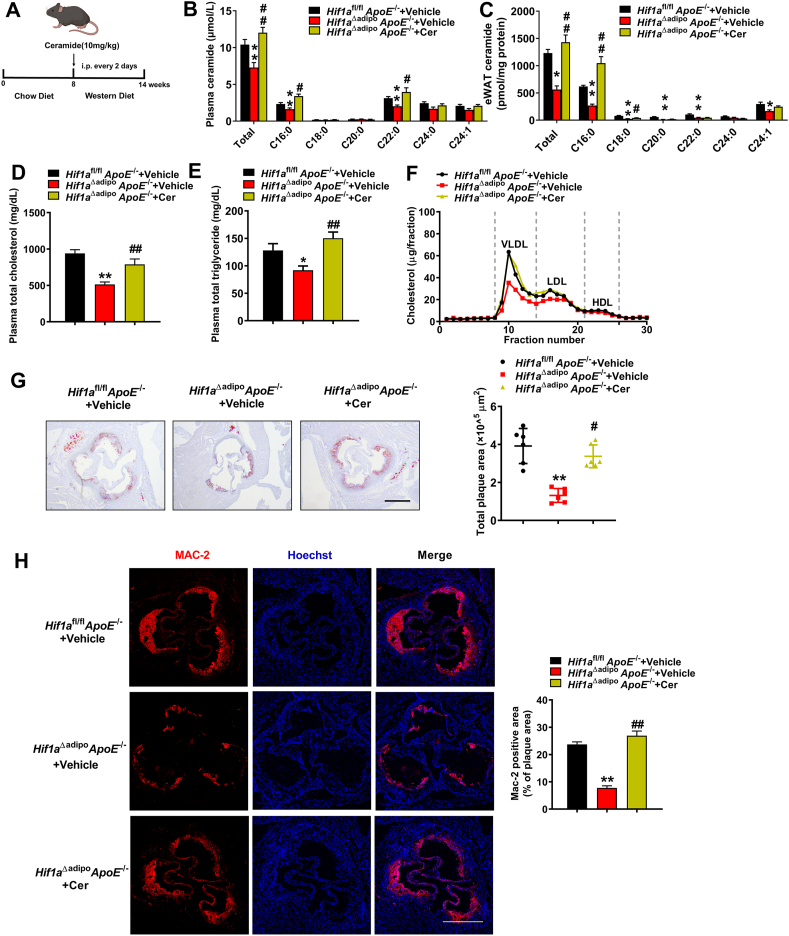
Atherosclerosis is a chronic multifactorial cardiovascular disease. Western diets have been reported to affect atherosclerosis through regulating adipose function. In high cholesterol diet-fed mice, adipocyte HIF-1 deficiency or direct inhibition of HIF-1 by the selective pharmacological HIF-1 inhibitor PX-478 alleviates high cholesterol diet-induced atherosclerosis by reducing adipose ceramide generation, which lowers cholesterol levels and reduces inflammatory responses, resulting in improved dyslipidemia and atherogenesis. , the gene encoding neutral sphingomyelinase, is identified as a new target gene directly regulated by HIF-1 that is involved in ceramide generation. Injection of lentivirus-SMPD3 in epididymal adipose tissue reverses the decrease in ceramides in adipocytes and eliminates the improvements on atherosclerosis in the adipocyte HIF-1-deficient mice. Therefore, HIF-1 inhibition may constitute a novel approach to slow atherosclerotic progression.
动脉粥样硬化是一种慢性多因素心血管疾病。据报道,西方饮食通过调节脂肪功能影响动脉粥样硬化。在高胆固醇饮食喂养的小鼠中,脂肪细胞缺氧诱导因子-1(HIF-1)缺乏或通过选择性药理HIF-1抑制剂PX-478直接抑制HIF-1,可通过减少脂肪神经酰胺生成来减轻高胆固醇饮食诱导的动脉粥样硬化,这会降低胆固醇水平并减少炎症反应,从而改善血脂异常和动脉粥样硬化的发生。编码中性鞘磷脂酶的基因SMPD3被确定为受HIF-1直接调控的一个新的靶基因,其参与神经酰胺的生成。将慢病毒-SMPD3注射到附睾脂肪组织中可逆转脂肪细胞中神经酰胺的减少,并消除脂肪细胞HIF-1缺陷小鼠动脉粥样硬化的改善情况。因此,抑制HIF-1可能构成一种减缓动脉粥样硬化进展的新方法。