Lopez-Toledo Gustavo, Silva-Lucero Maria-Del-Carmen, Herrera-Díaz Jorge, García David-Erasmo, Arias-Montaño José-Antonio, Cardenas-Aguayo Maria-Del-Carmen
Laboratory of Cellular Reprogramming, Departamento de Fisiología, Facultad de Medicina, Universidad Nacional Autónoma de México (UNAM), Mexico City, Mexico.
Departamento de Fisiología, Biofísica y Neurociencias, Centro de Investigación y de Estudios Avanzados del Instituto Politécnico Nacional (Cinvestav-IPN), Mexico City, Mexico.
Front Aging Neurosci. 2022 Jul 1;14:921573. doi: 10.3389/fnagi.2022.921573. eCollection 2022.
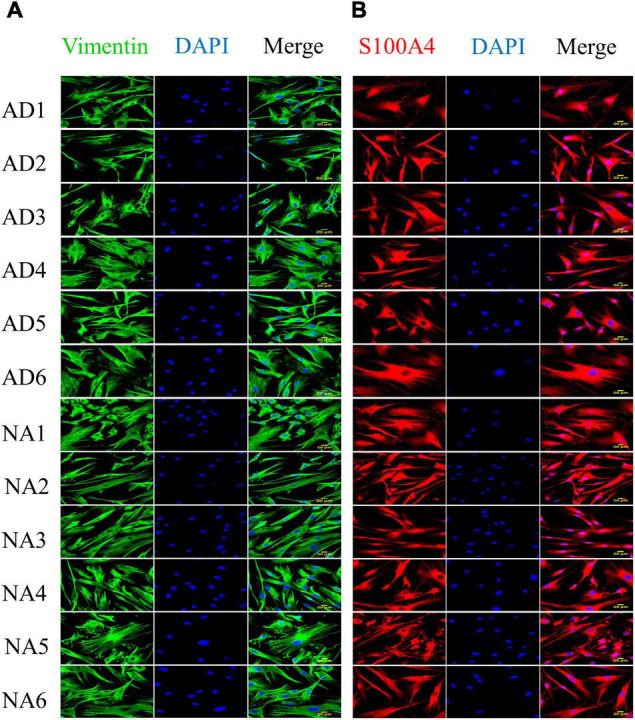
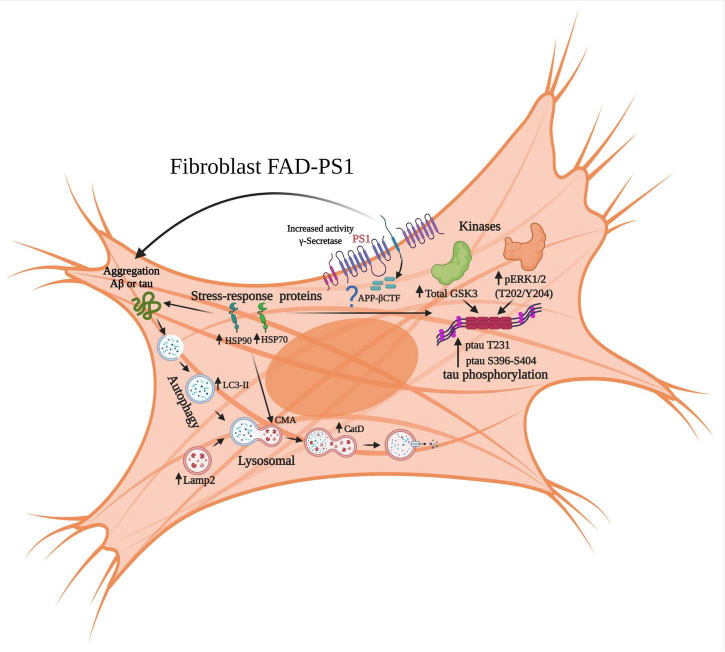
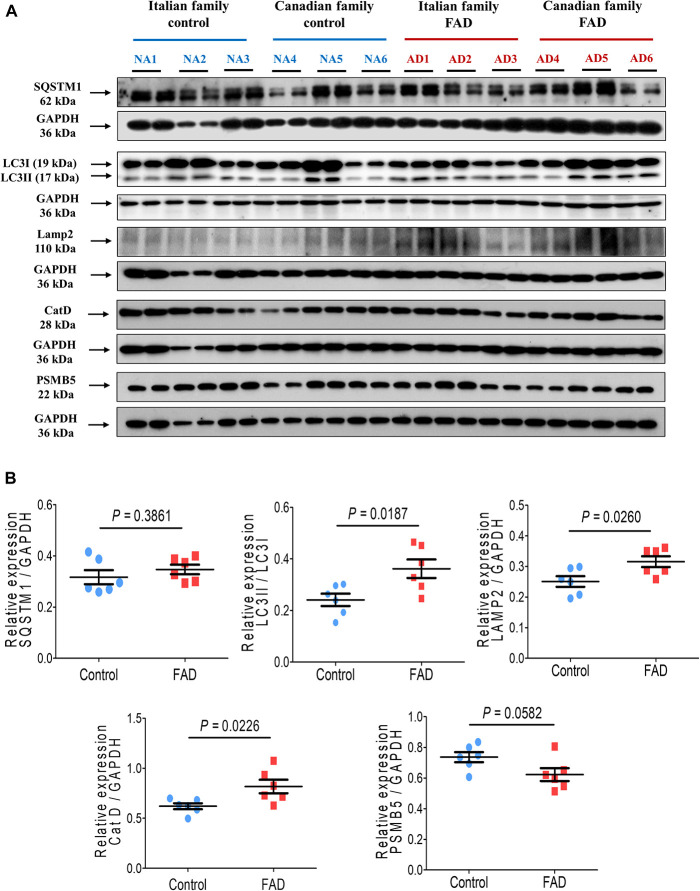
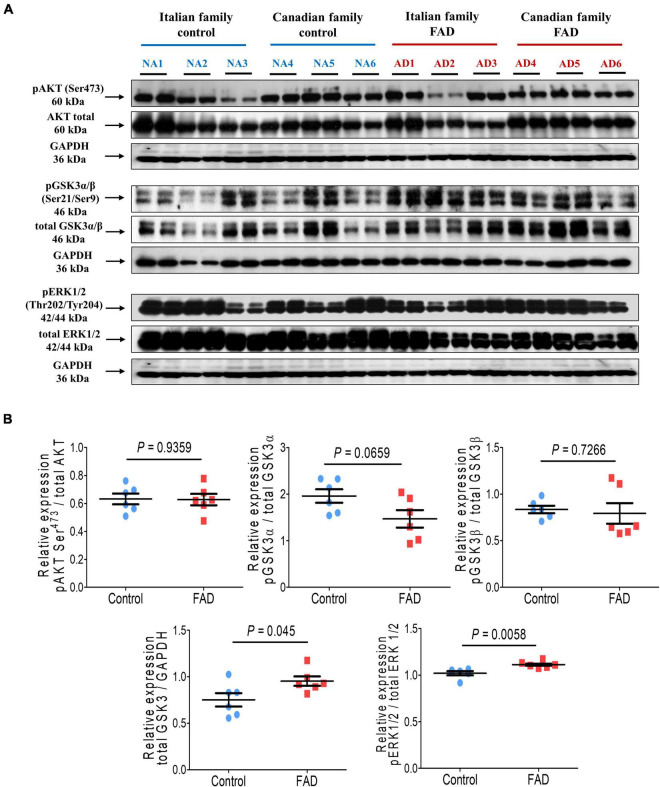
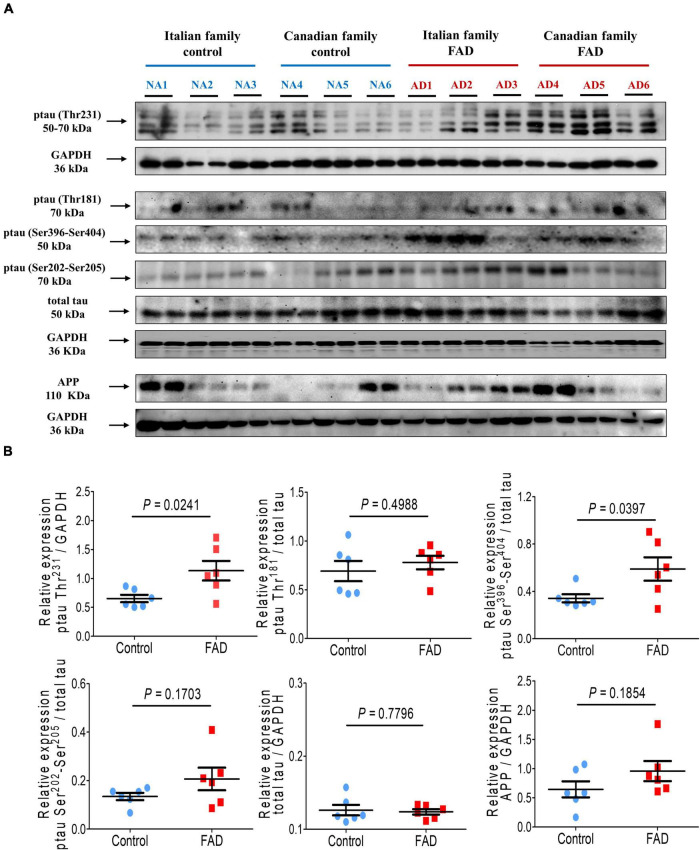
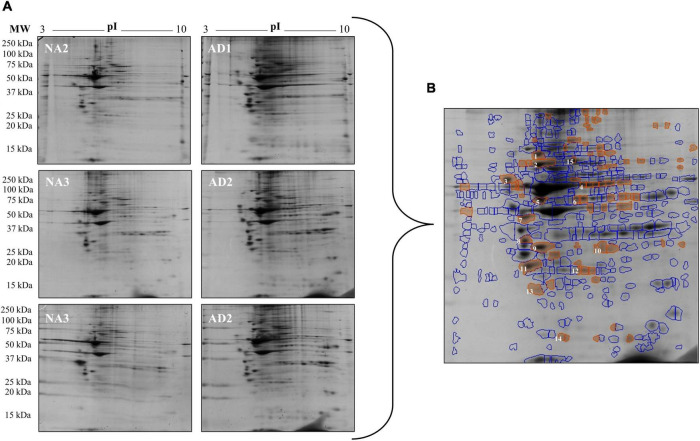
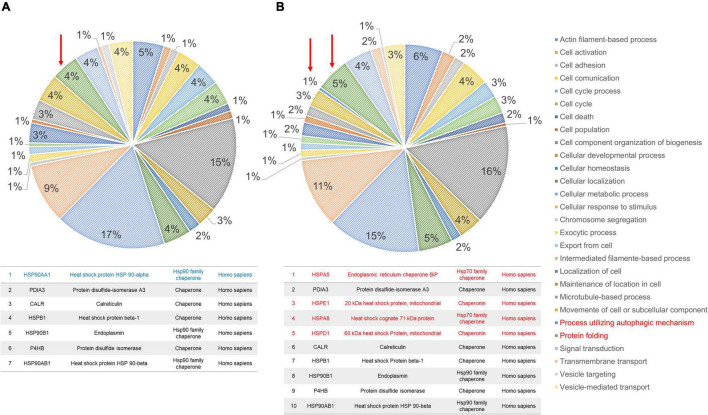
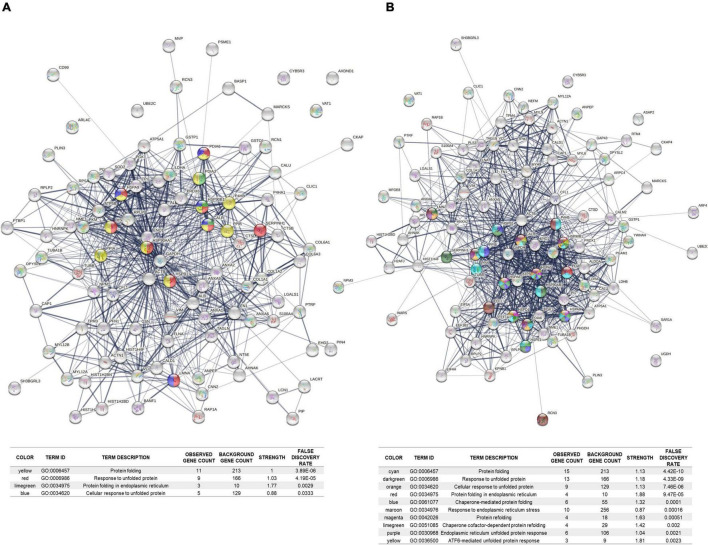
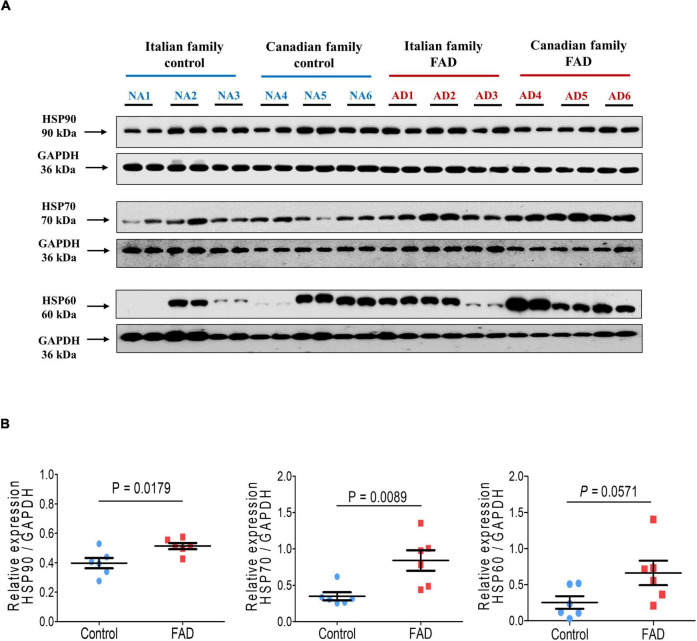
Alzheimer's disease (AD), a neurodegenerative disorder that can occur in middle or old age, is characterized by memory loss, a continuous decline in thinking, behavioral and social skills that affect the ability of an individual to function independently. It is divided into sporadic and familial subtypes. Early-onset familial AD (FAD) is linked to mutations in genes coding for the amyloid-β protein precursor (β), presenilin 1 (), and presenilin 2 (), which lead to alterations in AβPP processing, generation of the Amyloid-β peptide and hyperphosphorylation of tau protein. Identification of early biomarkers for AD diagnosis represents a challenge, and it has been suggested that molecular changes in neurodegenerative pathways identified in the brain of AD patients can be detected in peripheral non-neural cells derived from familial or sporadic AD patients. In the present study, we determined the protein expression, the proteomic and characterization of skin fibroblasts from FAD patients with mutations (M146L or A246E) or from healthy individuals. Our results shown that fibroblasts from AD patients had increased expression of the autophagy markers LC3II, LAMP2 and Cathepsin D, a significant increase in total GSK3, phosphorylated ERK1/2 (Thr/Tyr) and phosphorylated tau (Thr, Ser, and Ser), but no difference in the phosphorylation of Akt (Ser) or the α (Ser) and β (Ser) GSK3 isoforms, highlighting the relevant role of abnormal protein post-translational modifications in age-related neurodegenerative diseases, such as AD. Both 2-DE gels and mass spectrometry showed significant differences in the expression of the signaling pathways associated with protein folding and the autophagic pathway mediated by chaperones with the expression of HSPA5, HSPE1, HSPD1, HSP90AA1, and HSPE1 and reticular stress in the FAD samples. Furthermore, expression of the heat shock proteins HSP90 and HSP70 was significantly higher in the cells from AD patients as confirmed by Western blot. Taken together our results indicate that fibroblasts from patients with FAD- present alterations in signaling pathways related to cellular stress, autophagy, lysosomes, and tau phosphorylation. Fibroblasts can therefore be useful in modeling pathways related to neurodegeneration, as well as for the identification of early AD biomarkers.
阿尔茨海默病(AD)是一种可发生于中年或老年的神经退行性疾病,其特征为记忆力丧失、思维、行为和社交技能持续衰退,影响个体独立生活的能力。它分为散发性和家族性亚型。早发性家族性AD(FAD)与编码淀粉样β蛋白前体(β)、早老素1()和早老素2()的基因突变有关,这些基因突变导致AβPP加工改变、淀粉样β肽生成以及tau蛋白过度磷酸化。鉴定用于AD诊断的早期生物标志物是一项挑战,有人提出在AD患者大脑中确定的神经退行性通路中的分子变化可以在家族性或散发性AD患者的外周非神经细胞中检测到。在本研究中,我们测定了携带突变(M146L或A246E)的FAD患者或健康个体皮肤成纤维细胞的蛋白质表达、蛋白质组学及特性。我们的结果表明,AD患者的成纤维细胞中自噬标志物LC3II、LAMP2和组织蛋白酶D的表达增加,总GSK3、磷酸化ERK1/2(Thr/Tyr)和磷酸化tau(Thr、Ser和Ser)显著增加,但Akt(Ser)或α(Ser)和β(Ser)GSK3亚型的磷酸化无差异,突出了异常蛋白质翻译后修饰在年龄相关神经退行性疾病如AD中的相关作用。二维凝胶电泳和质谱分析均显示,FAD样本中与蛋白质折叠相关的信号通路以及伴侣蛋白介导的自噬通路的表达与HSPA5、HSPE1、HSPD1、HSP90AA1和HSPE1及网状应激存在显著差异。此外,通过蛋白质印迹法证实,AD患者细胞中热休克蛋白HSP90和HSP70的表达显著更高。综合我们的结果表明,FAD患者的成纤维细胞在与细胞应激、自噬、溶酶体和tau磷酸化相关的信号通路中存在改变。因此,成纤维细胞可用于模拟与神经退行性变相关的通路,以及鉴定AD早期生物标志物。