Department of Radiology, Cincinnati Children's Hospital Medical Center, Cincinnati, OH, USA; Imaging Research Center, Cincinnati Children's Hospital Medical Center, Cincinnati, OH, USA; Department of Electronic Engineering and Computer Science, University of Cincinnati, Cincinnati, OH, USA.
Department of Radiology, Cincinnati Children's Hospital Medical Center, Cincinnati, OH, USA; Imaging Research Center, Cincinnati Children's Hospital Medical Center, Cincinnati, OH, USA; Center for Prevention of Neurodevelopmental Disorders, Perinatal Institute, Cincinnati Children's Hospital Medical Center, Cincinnati, OH, USA; Artificial Intelligence Imaging Research Center, Cincinnati Children's Hospital Medical Center, Cincinnati, OH, USA.
Neuroimage. 2022 Oct 15;260:119484. doi: 10.1016/j.neuroimage.2022.119484. Epub 2022 Jul 15.
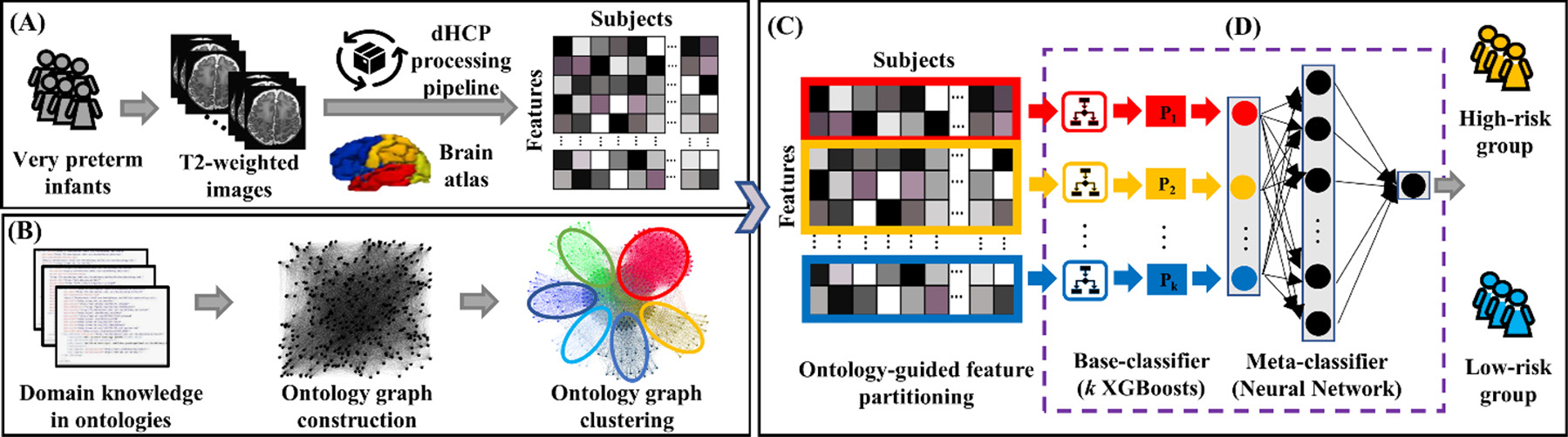
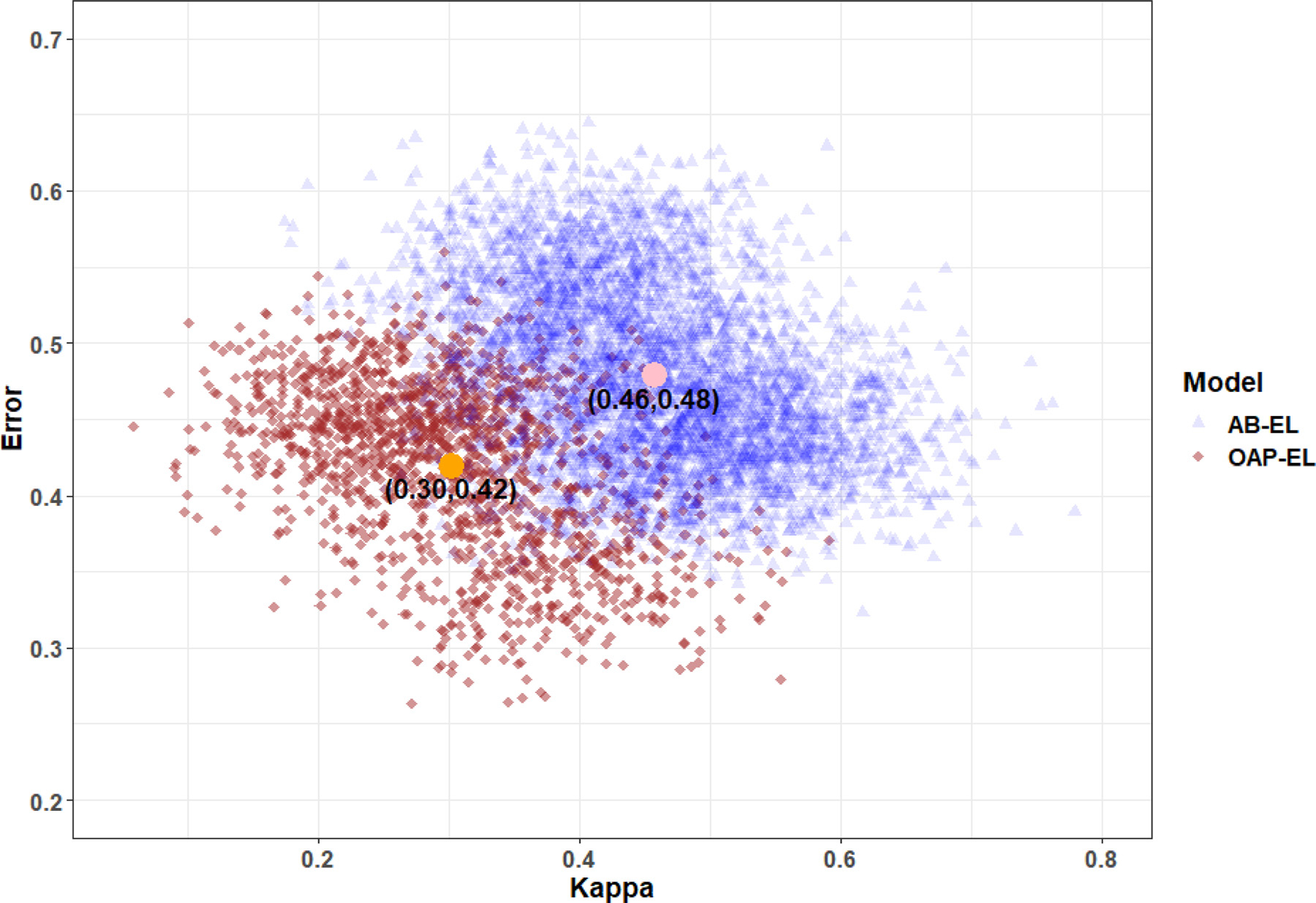
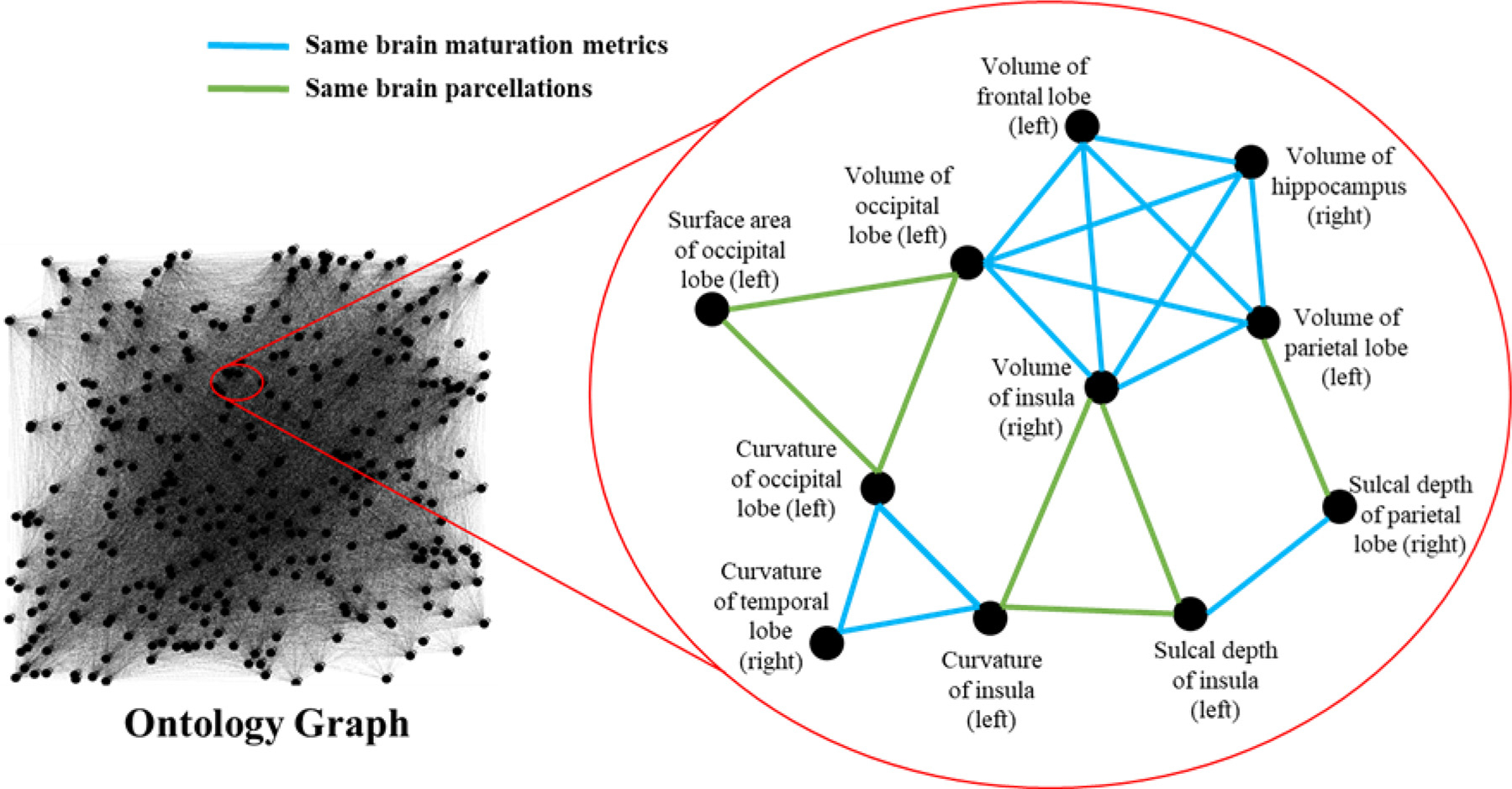
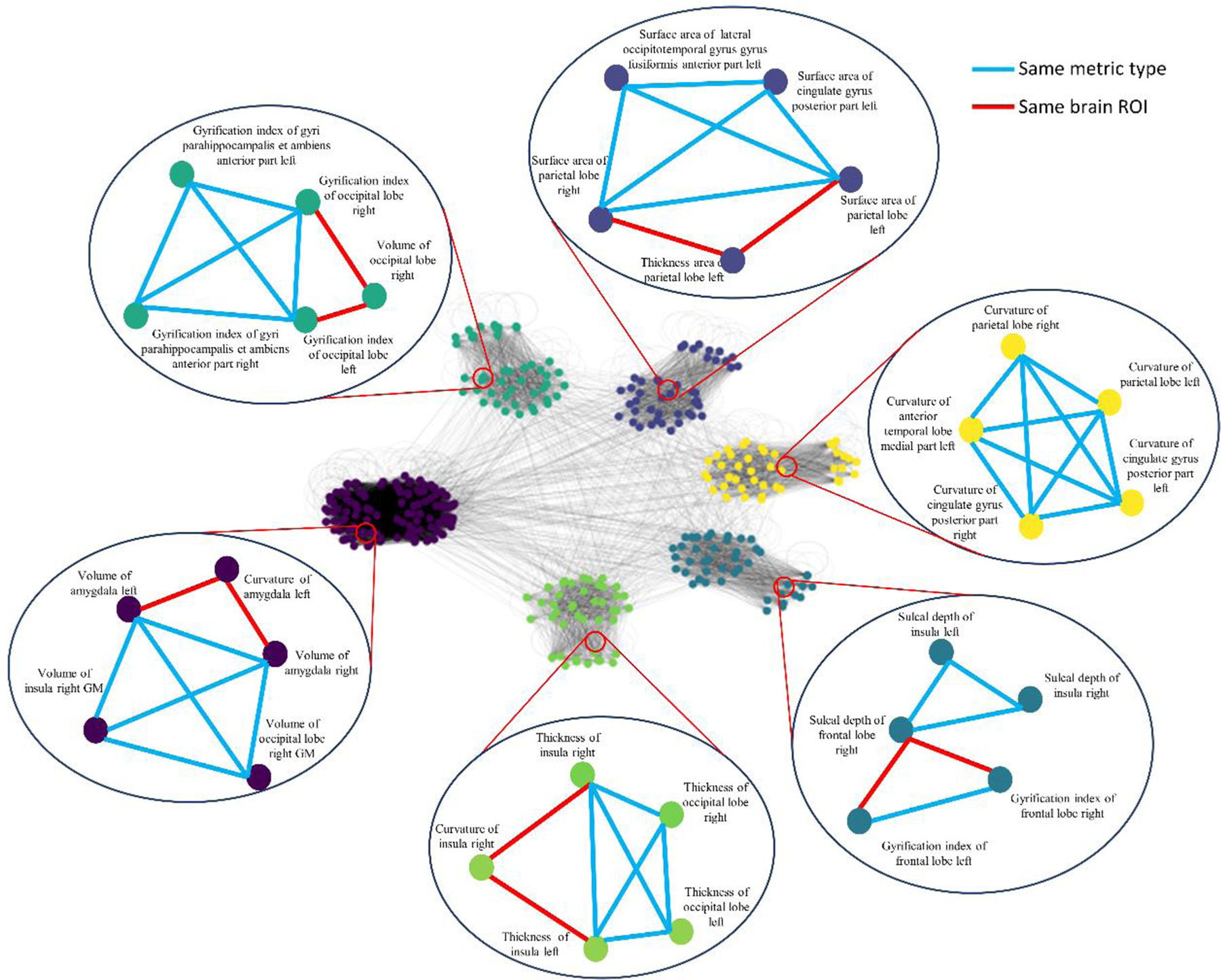
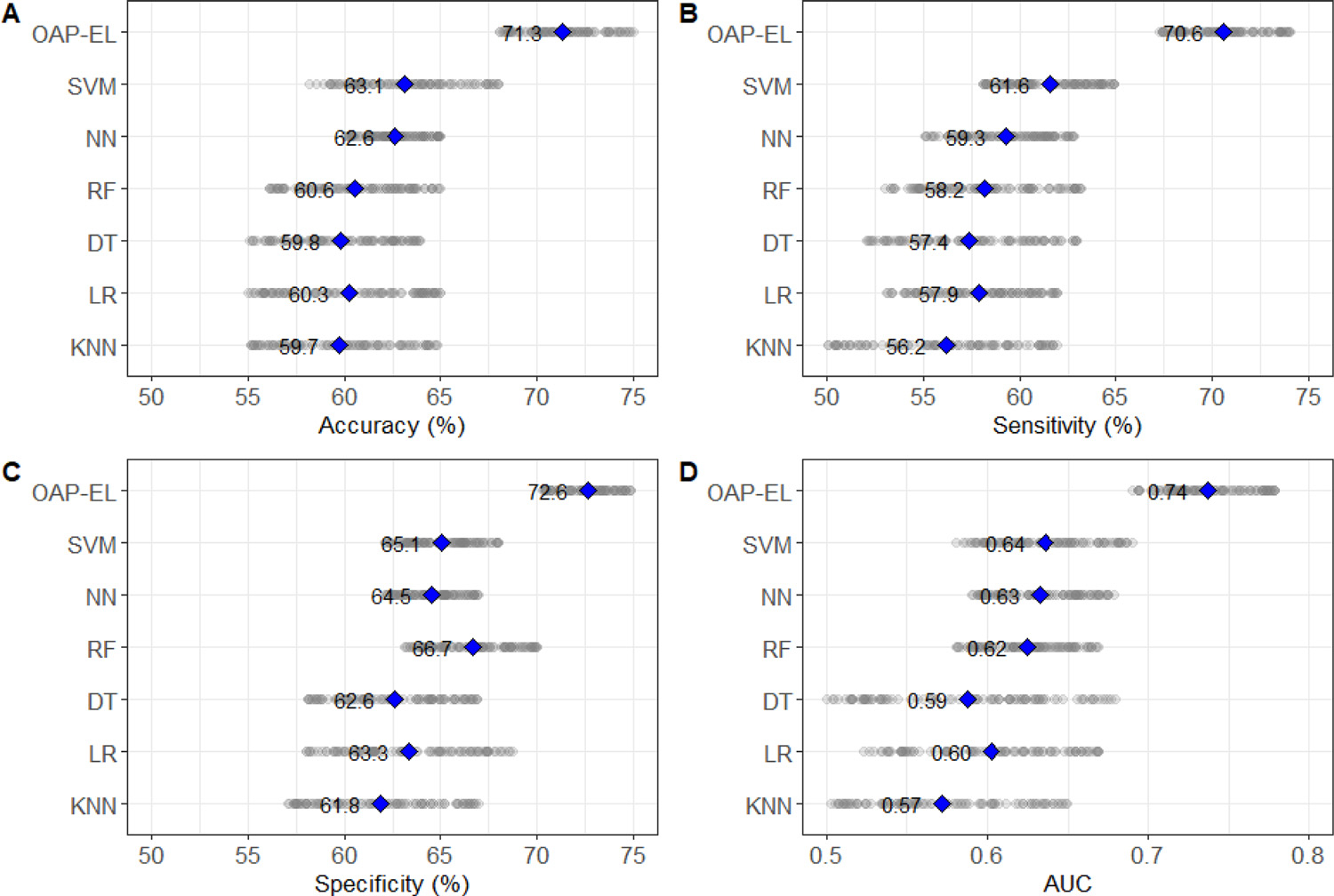
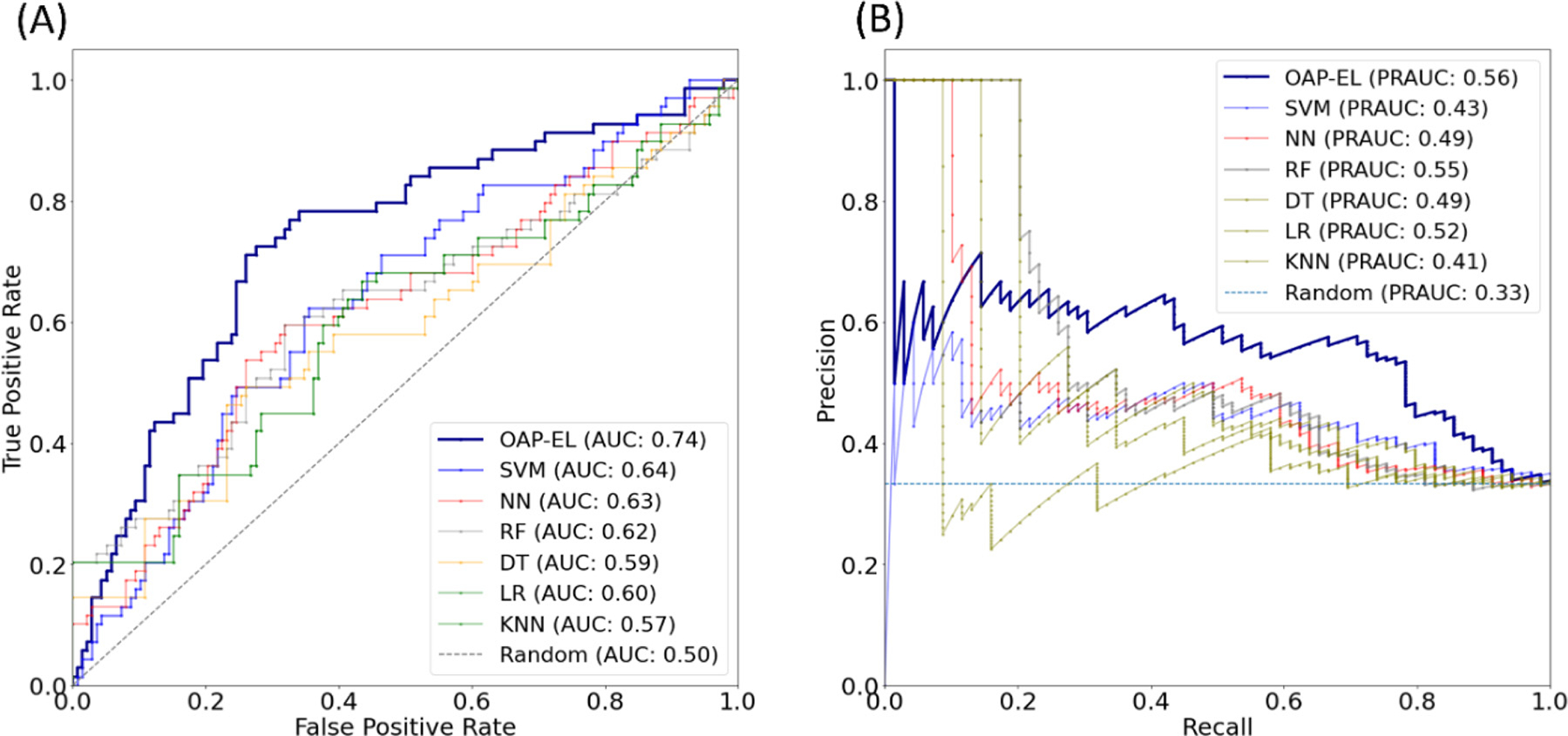
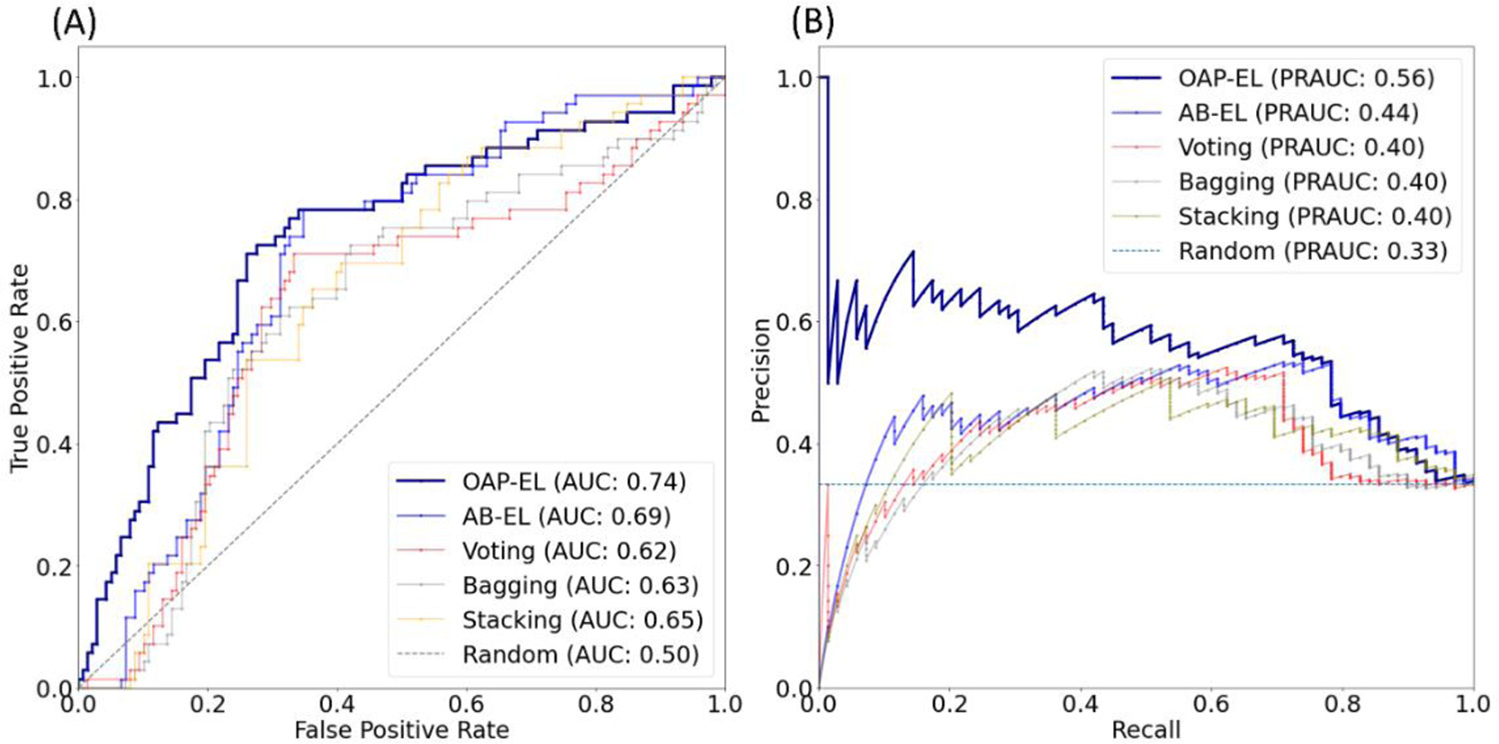
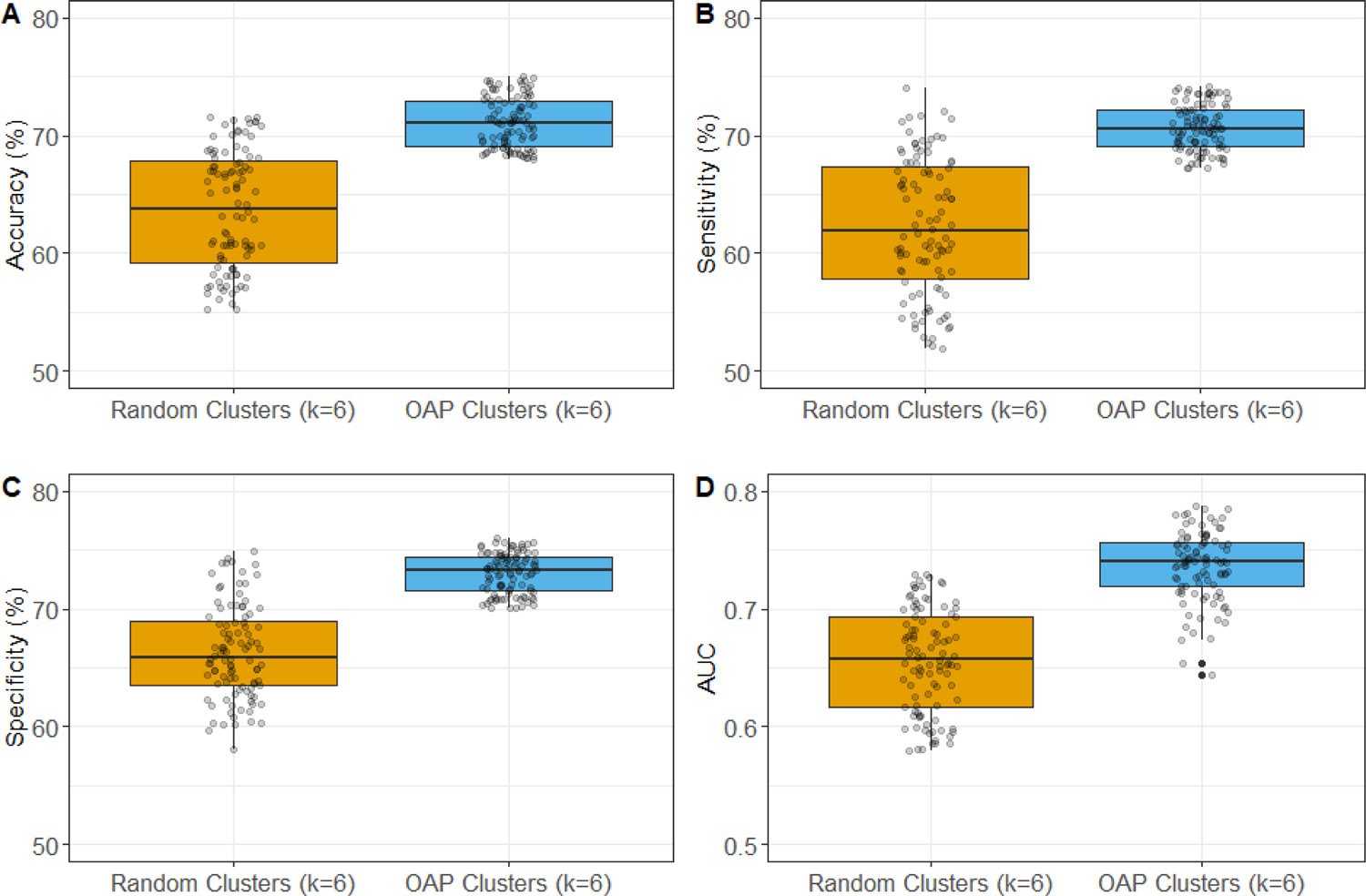
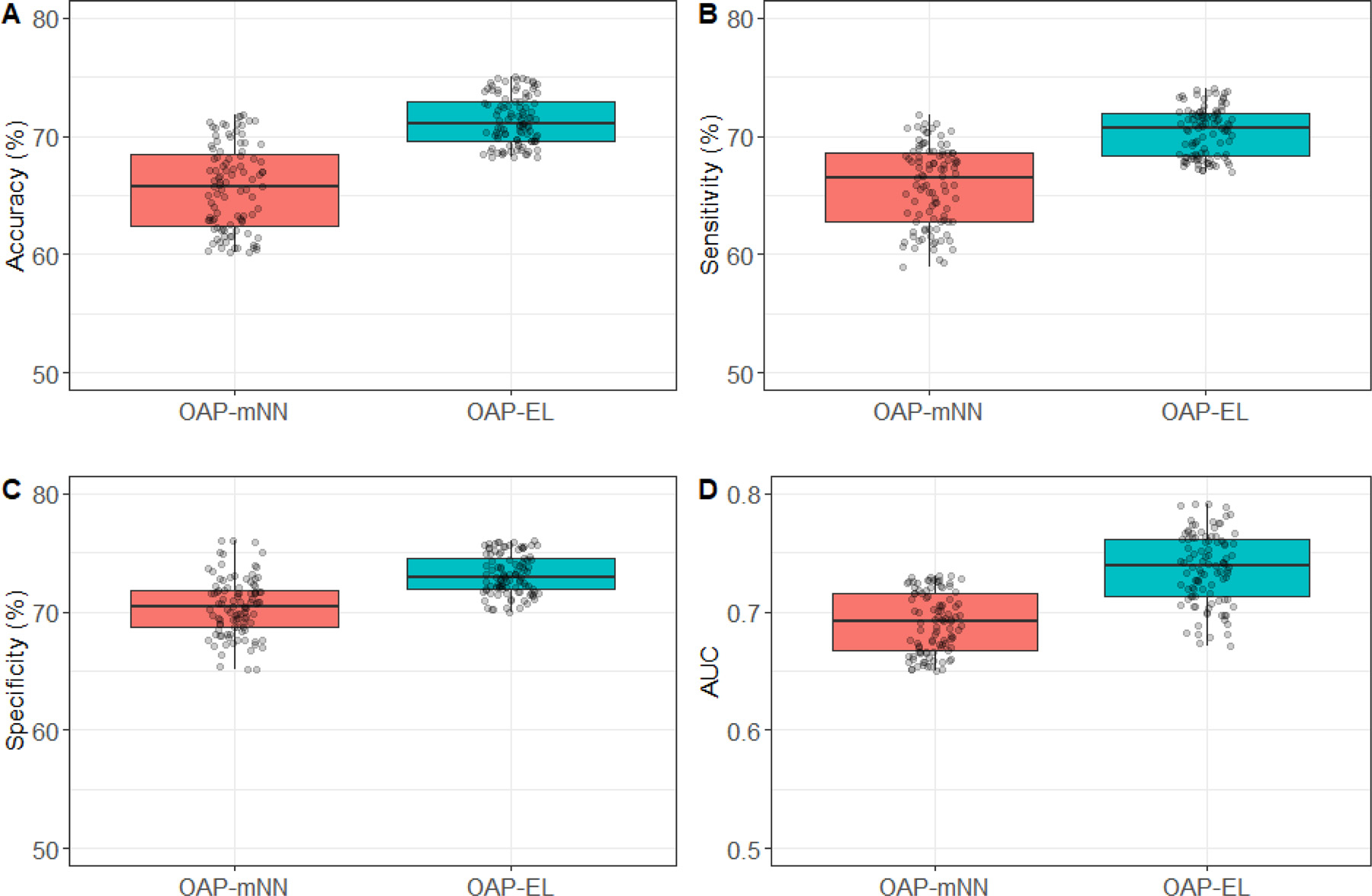
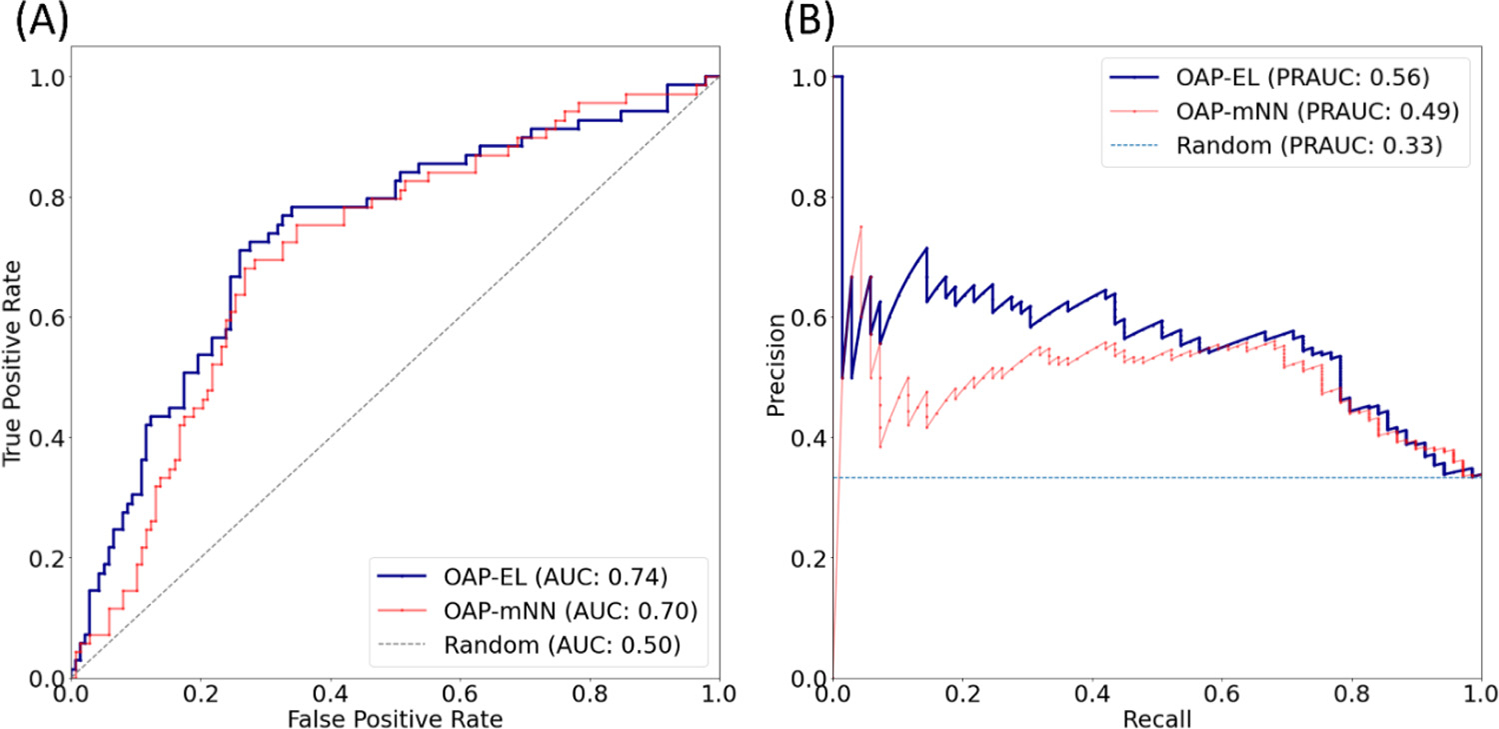
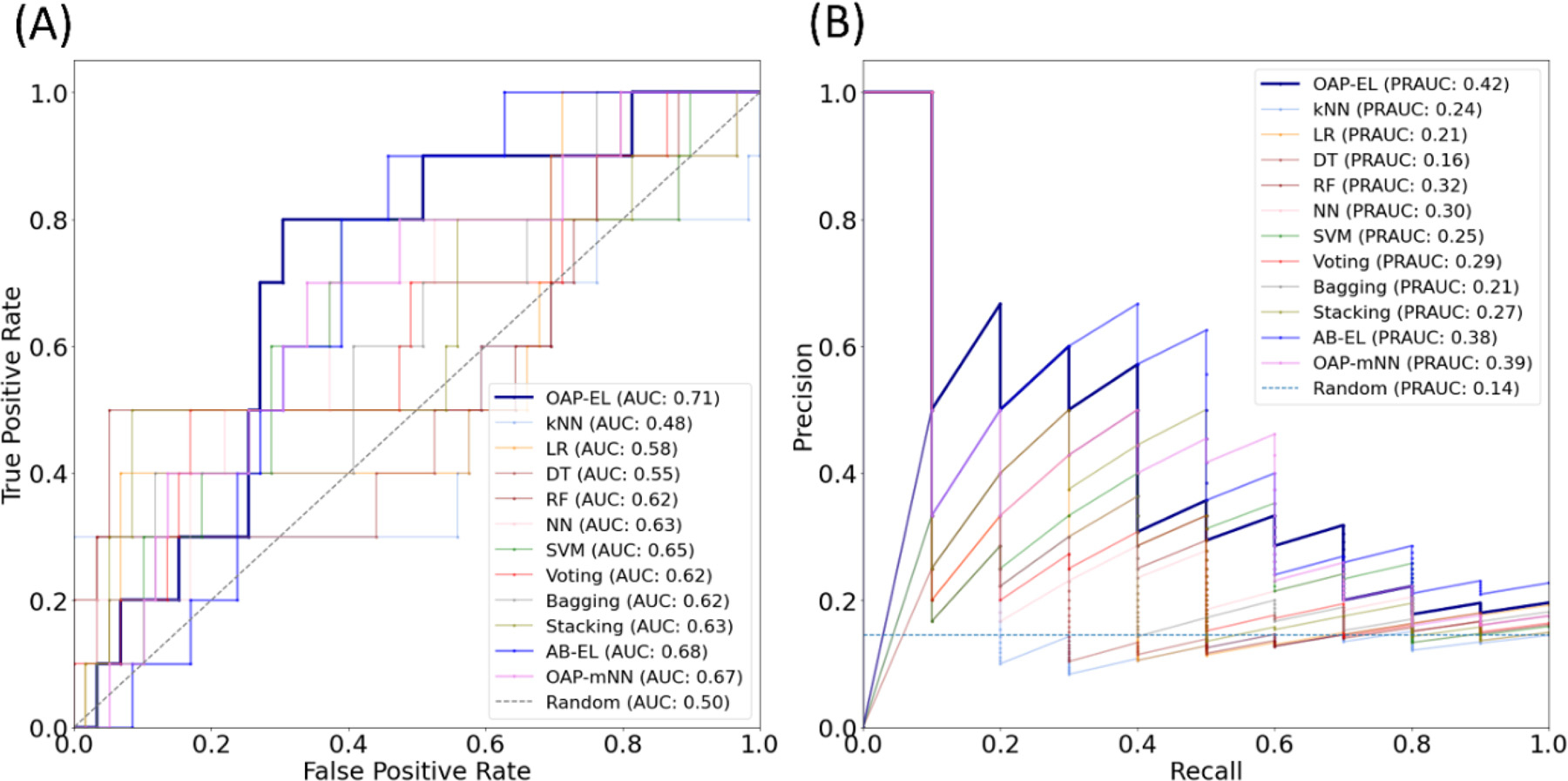
Structural magnetic resonance imaging studies have shown that brain anatomical abnormalities are associated with cognitive deficits in preterm infants. Brain maturation and geometric features can be used with machine learning models for predicting later neurodevelopmental deficits. However, traditional machine learning models would suffer from a large feature-to-instance ratio (i.e., a large number of features but a small number of instances/samples). Ensemble learning is a paradigm that strategically generates and integrates a library of machine learning classifiers and has been successfully used on a wide variety of predictive modeling problems to boost model performance. Attribute (i.e., feature) bagging method is the most commonly used feature partitioning scheme, which randomly and repeatedly draws feature subsets from the entire feature set. Although attribute bagging method can effectively reduce feature dimensionality to handle the large feature-to-instance ratio, it lacks consideration of domain knowledge and latent relationship among features. In this study, we proposed a novel Ontology-guided Attribute Partitioning (OAP) method to better draw feature subsets by considering the domain-specific relationship among features. With the better-partitioned feature subsets, we developed an ensemble learning framework, which is referred to as OAP-Ensemble Learning (OAP-EL). We applied the OAP-EL to predict cognitive deficits at 2 years of age using quantitative brain maturation and geometric features obtained at term equivalent age in very preterm infants. We demonstrated that the proposed OAP-EL approach significantly outperformed the peer ensemble learning and traditional machine learning approaches.
结构磁共振成像研究表明,大脑解剖结构异常与早产儿的认知缺陷有关。可以使用机器学习模型来预测脑成熟度和几何特征,以预测以后的神经发育缺陷。然而,传统的机器学习模型会受到特征与实例比(即大量特征但实例/样本较少)较大的影响。集成学习是一种从整个特征集中随机和重复地提取特征子集的策略,该策略可以有效地减少特征维度以处理大量特征与实例的比例,从而生成和集成机器学习分类器库的范例,并已成功应用于各种预测建模问题,以提高模型性能。它是最常用的特征划分方案,但是它缺乏对领域知识和特征之间潜在关系的考虑。在这项研究中,我们提出了一种新颖的本体指导属性划分(OAP)方法,通过考虑特征之间的特定于域的关系,更好地提取特征子集。使用更好划分的特征子集,我们开发了一种集成学习框架,称为 OAP-Ensemble Learning(OAP-EL)。我们将 OAP-EL 应用于通过在极早产儿的胎龄相等年龄获得的定量脑成熟度和几何特征来预测 2 岁时的认知缺陷。我们证明,所提出的 OAP-EL 方法明显优于同行的集成学习和传统机器学习方法。