Department of Medical Affairs Planning, Daiichi Sankyo, Chuo-ku, Tokyo, Japan
Department of Clinical Trials Review and Management, Cancer Institute Hospital of Japanese Foundation for Cancer Research, Koto-ku, Tokyo, Japan.
BMJ Open. 2022 Jul 18;12(7):e059092. doi: 10.1136/bmjopen-2021-059092.
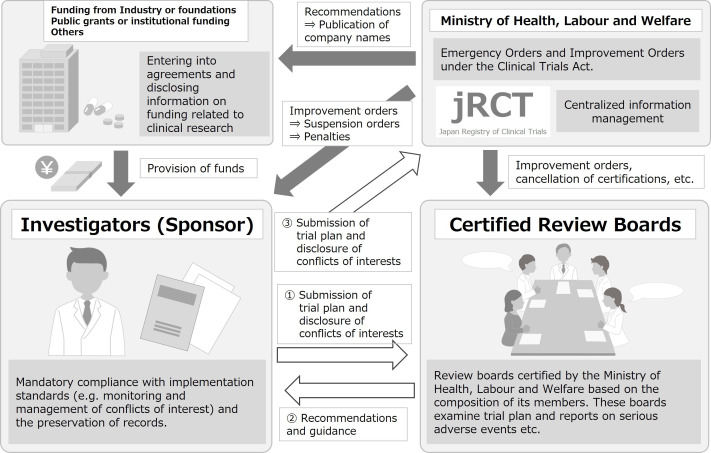
To clarify the impact of Japan's Clinical Trials Act (CTA), which was enacted in April 2018, on subsequent clinical trial activity through an analysis of Japanese registry data.
Retrospective database study.
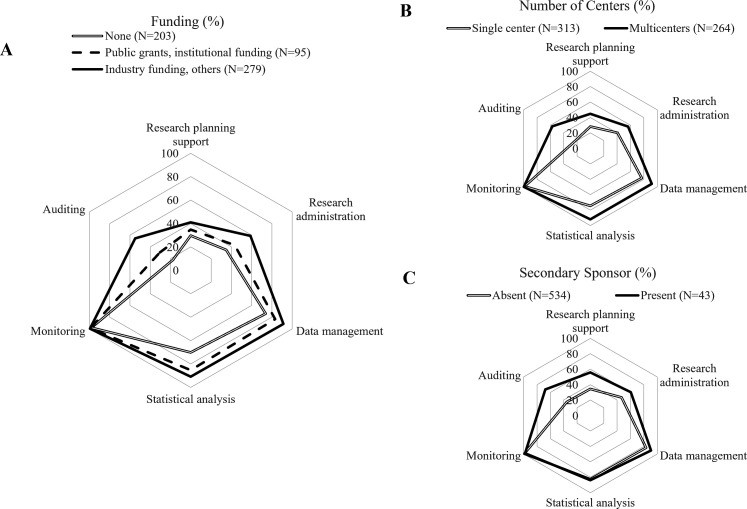
We extracted information on clinical intervention studies registered between 1 April 2018 and 30 September 2020 in the conventional University Hospital Medical Information Network Clinical Trials Registry (UMIN-CTR) and the new Japan Registry of Clinical Trials (jRCT). We collected and analysed information on registration dates, intervention types, funding, secondary sponsors and use of designated staff in multidisciplinary roles (research planning support, research administration, data management, statistical analysis, monitoring and auditing). The temporal trends in clinical trial activity after CTA enactment were examined.
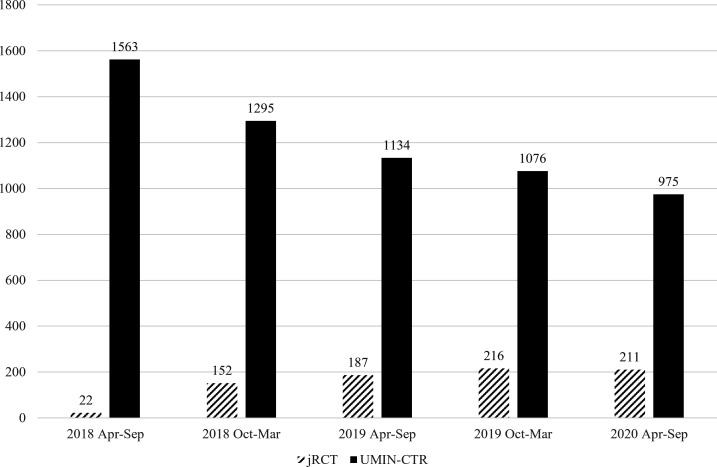
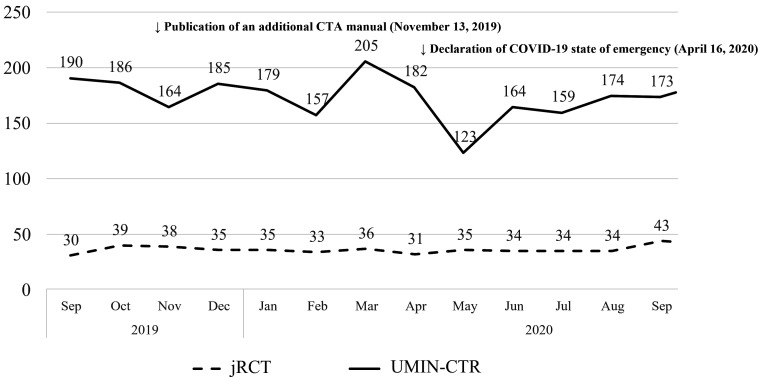
A total of 577 CTA-compliant specified clinical trials (ie, studies funded by pharmaceutical companies or studies evaluating the efficacy and safety of off-label drugs or devices in humans) were registered in the jRCT. During the same period, 5068 clinical trials were registered in the UMIN-CTR. The number of specific clinical trials increased immediately after the implementation of the CTA and stabilised in late 2019, whereas the number of clinical trials registered in the UMIN-CTR generally declined over time. Specified clinical trials that received industry funding and public grants were more likely to use designated staff in multidisciplinary roles.
The implementation of the CTA has not reduced the number of specified clinical trials, but has reduced the total number of intervention trials. The use of designated staff in multidisciplinary roles is associated with funding, secondary sponsors and multicentre studies. It was inferred that funding was needed to establish research infrastructure systems that support high-quality research.
通过分析日本注册研究数据,明确 2018 年 4 月颁布的《日本临床试验法》(CTA)对后续临床试验活动的影响。
回顾性数据库研究。
我们从常规大学医院医疗信息网络临床试验注册中心(UMIN-CTR)和新的日本临床试验注册(jRCT)中提取了 2018 年 4 月 1 日至 2020 年 9 月 30 日期间注册的临床干预研究信息。我们收集并分析了注册日期、干预类型、资金来源、二级赞助商以及多学科角色(研究规划支持、研究管理、数据管理、统计分析、监测和审计)中指定人员的使用情况。研究考察了 CTA 颁布后临床试验活动的时间趋势。
jRCT 共注册了 577 项符合 CTA 要求的指定临床试验(即由制药公司资助的研究或评估药物或器械在人体中的疗效和安全性的研究)。同期,UMIN-CTR 共注册了 5068 项临床试验。CTA 实施后,指定临床试验的数量立即增加,并在 2019 年底稳定下来,而 UMIN-CTR 注册的临床试验数量总体上随时间减少。获得工业资金和公共资助的指定临床试验更有可能使用多学科角色的指定人员。
CTA 的实施并未减少指定临床试验的数量,反而减少了干预试验的总数。多学科角色指定人员的使用与资金来源、二级赞助商和多中心研究有关。可以推断,需要资金来建立支持高质量研究的研究基础设施系统。