Department of Endodontics, Faculty of Dentistry, Ondokuz Mayis University, Samsun, Turkey.
Department of Medical Microbiology, Faculty of Medicine, Ondokuz Mayis University, Samsun, Turkey.
PeerJ. 2022 Jul 13;10:e13714. doi: 10.7717/peerj.13714. eCollection 2022.
In dental clinics, aerosols produced from dental instruments have become a matter of concern following breakout of coronavirus disease 19 (COVID-19) evolving into a pandemic. This study compared aerosol reduction systems and in terms of their ability to reduce Enterococcus faecalis () contaminated aerosol in a simulated dental office set-up.
Closed clinic model with manikin and mandibular molar typodont was simulated. For 10 min, the air and water dispersed by the rotating bur mounted on an aerator was contaminated by pouring the suspension containing 1-3 × 10 CFU/mL directly on the bur. During and after the procedures, the air within the cabin was also sampled. CFU count was recorded and scored. The mean CFU scores obtained from agar plate count and air sampling device was compared using Kruskal-Wallis H test among groups with 5% significance threshold.
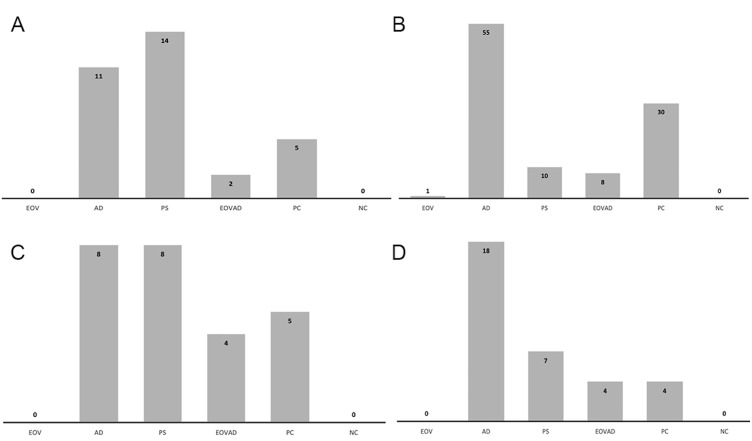
The use of WS Aerosol Defender device led to greater CFU scores on the agars levelled to patient's chest compared to other directions ( = 0.001). Combined use of VacStation and WS Aerosol Defender resulted in significantly decreased CFU score in the air samples compared to experimental and positive control groups ( = 0 < 0.05).
Although the devices prevented the spread of aerosol around the patient to some extent, they could not completely eliminate the contaminated aerosol load in the cabin environment.
自 2019 年冠状病毒病(COVID-19)大流行以来,牙科器械产生的气溶胶已成为牙科诊所关注的问题。本研究比较了几种气溶胶减少系统,评估其在模拟牙科诊室环境中减少受粪肠球菌()污染的气溶胶的能力。
采用模拟有人体模型和下颌磨牙仿头模型的封闭诊室模型。在 10 分钟内,通过将含有 1-3×10CFU/mL 的混悬液直接倒在旋转手机上的气涡轮机上,使气涡轮机喷出的空气和水受到污染。在操作过程中和操作结束后,对机舱内的空气进行采样。记录 CFU 计数并评分。使用 Kruskal-Wallis H 检验比较各组琼脂平板计数和空气采样装置获得的平均 CFU 评分,显著性水平为 5%。
与其他方向相比,使用 WS 气溶胶防护器装置使琼脂上的 CFU 评分在患者胸部水平更高(=0.001)。与实验对照组和阳性对照组相比,联合使用 VacStation 和 WS 气溶胶防护器装置可显著降低空气样本中的 CFU 评分(=0<0.05)。
尽管这些设备在一定程度上阻止了气溶胶在患者周围的传播,但它们并不能完全消除机舱环境中受污染的气溶胶负荷。