Vahlensieck Christian, Thiel Cora S, Pöschl Daniel, Bradley Timothy, Krammer Sonja, Lauber Beatrice, Polzer Jennifer, Ullrich Oliver
Institute of Anatomy, Faculty of Medicine, University of Zurich, Zurich, Switzerland.
Innovation Cluster Space and Aviation (UZH Space Hub), Air Force Center, University of Zurich, Dübendorf, Switzerland.
Front Cell Dev Biol. 2022 Jul 4;10:933984. doi: 10.3389/fcell.2022.933984. eCollection 2022.
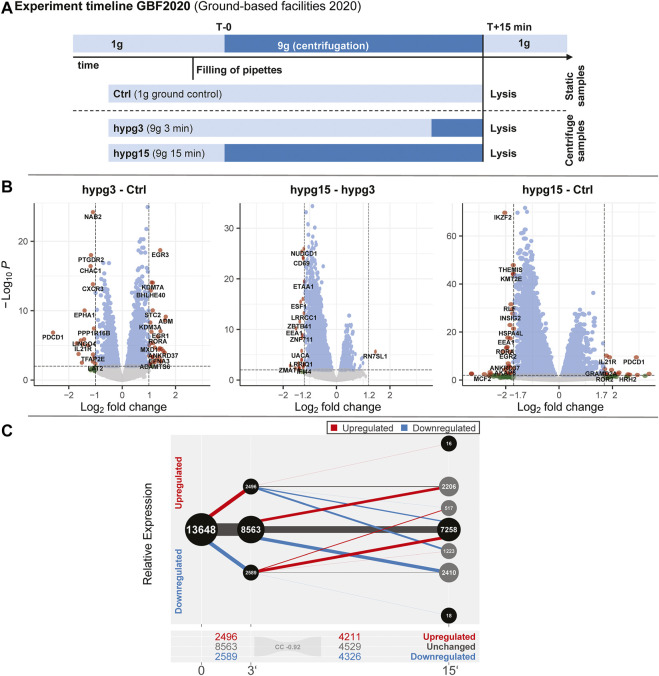
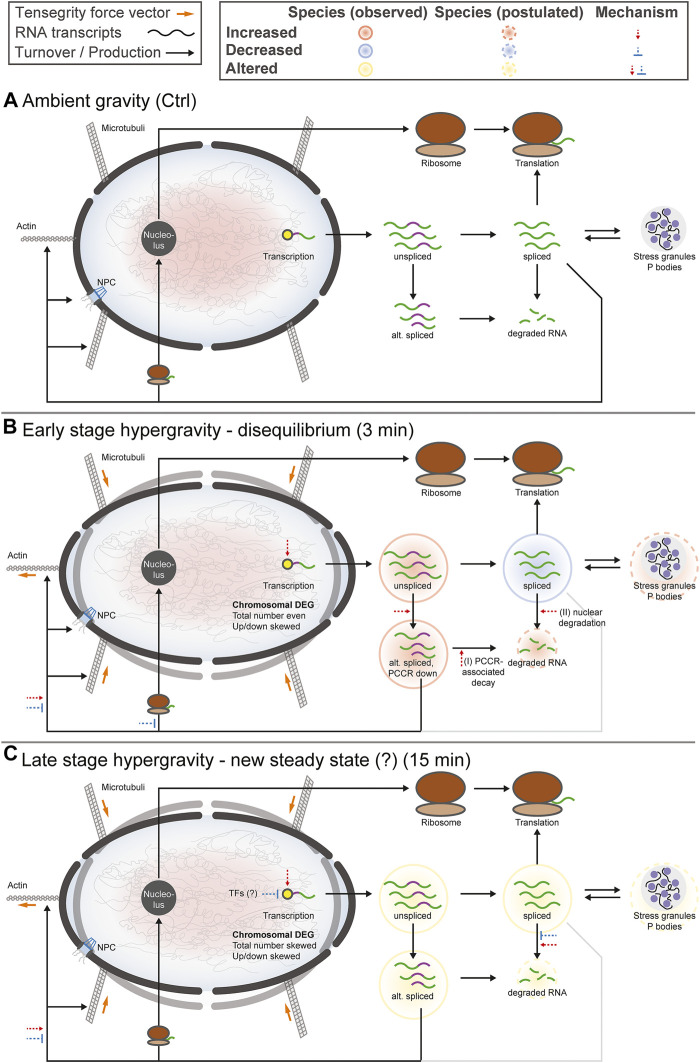
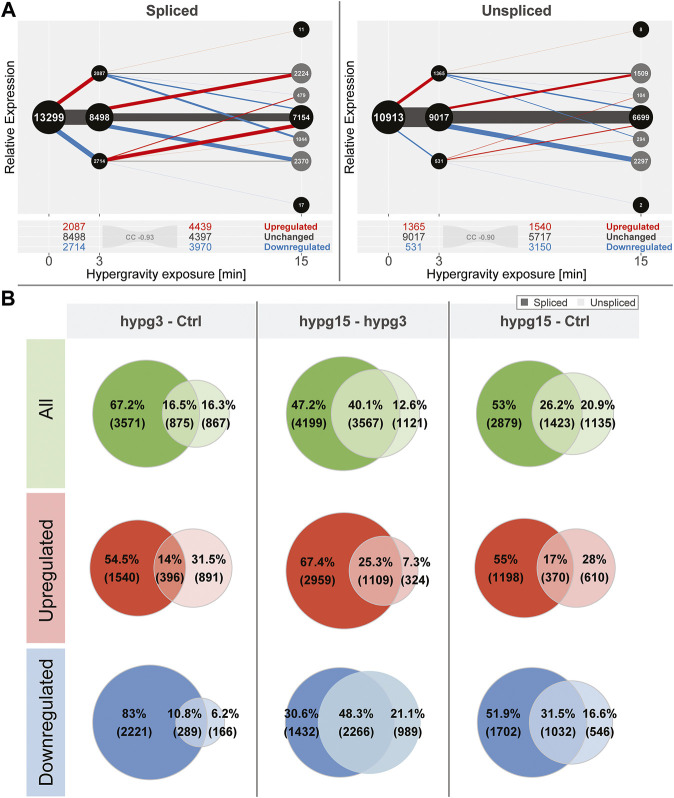
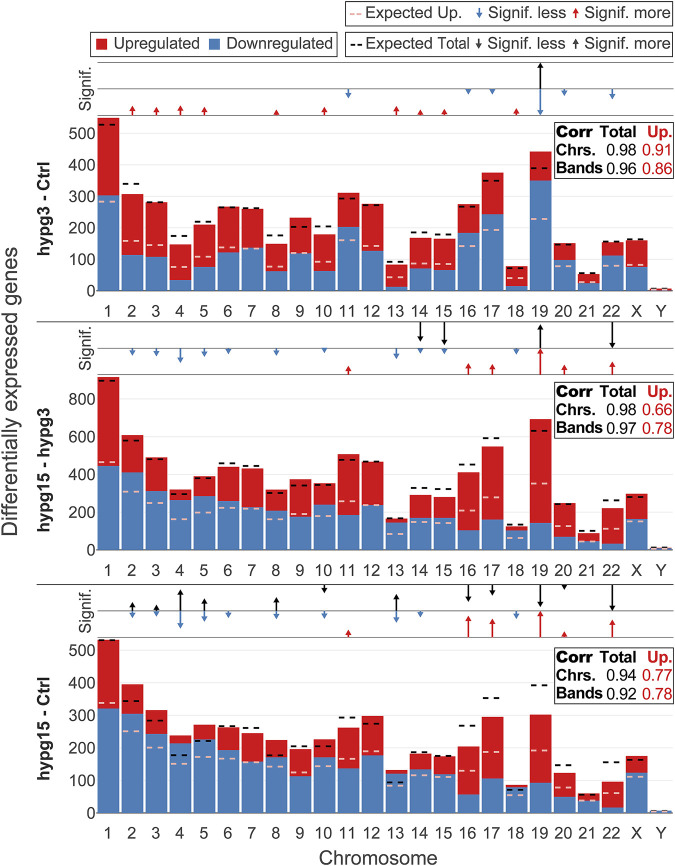
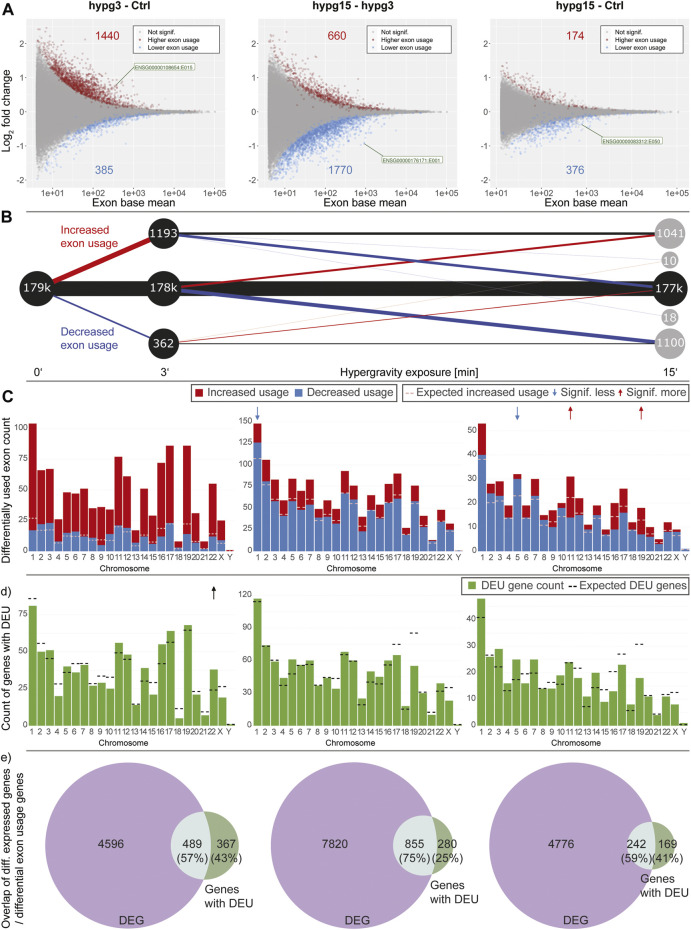
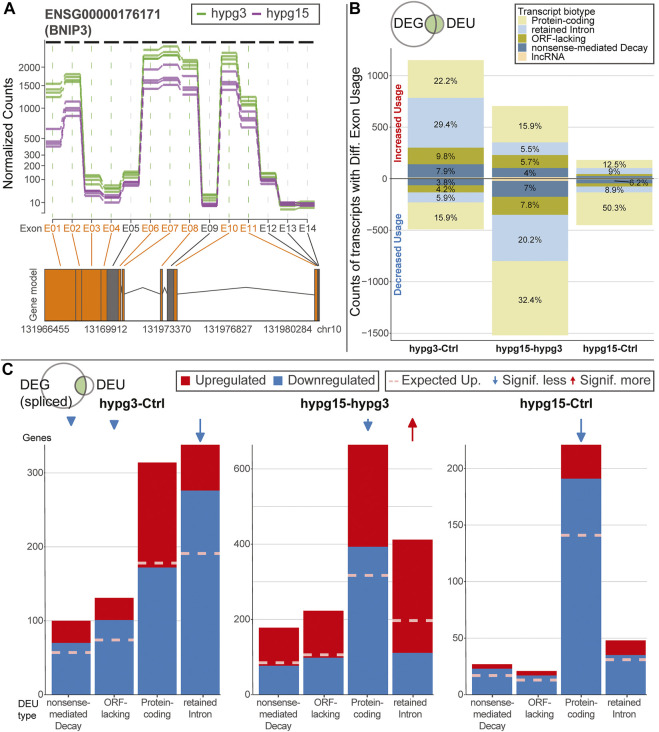
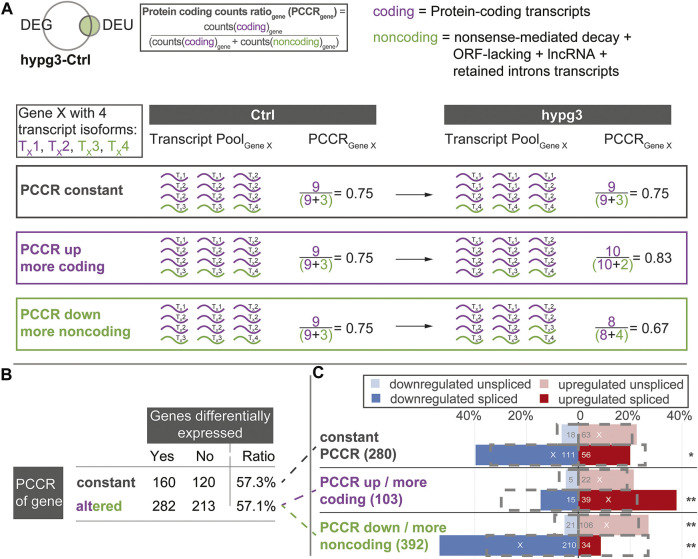
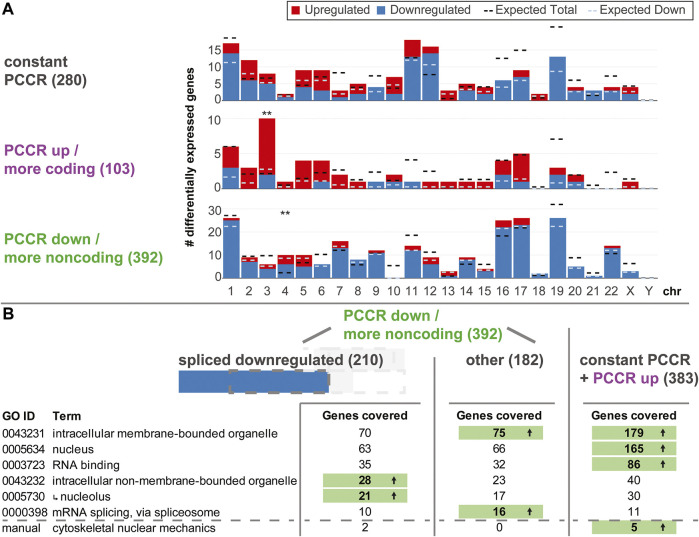
The transcriptome of human immune cells rapidly reacts to altered gravity in a highly dynamic way. We could show in previous experiments that transcriptional patterns show profound adaption after seconds to minutes of altered gravity. To gain further insight into these transcriptional alteration and adaption dynamics, we conducted a highly standardized RNA-Seq experiment with human Jurkat T cells exposed to 9xg hypergravity for 3 and 15 min, respectively. We investigated the frequency with which individual exons were used during transcription and discovered that differential exon usage broadly appeared after 3 min and became less pronounced after 15 min. Additionally, we observed a shift in the transcript pool from coding towards non-coding transcripts. Thus, adaption of gravity-sensitive differentially expressed genes followed a dynamic transcriptional rebound effect. The general dynamics were compatible with previous studies on the transcriptional effects of short hypergravity on human immune cells and suggest that initial up-regulatory changes mostly result from increased elongation rates. The shift correlated with a general downregulation of the affected genes. All chromosome bands carried homogenous numbers of gravity-sensitive genes but showed a specific tendency towards up- or downregulation. Altered gravity affected transcriptional regulation throughout the entire genome, whereby the direction of differential expression was strongly dependent on the structural location in the genome. A correlation analysis with potential mediators of the early transcriptional response identified a link between initially upregulated genes with certain transcription factors. Based on these findings, we have been able to further develop our model of the transcriptional response to altered gravity.
人类免疫细胞的转录组会以高度动态的方式对重力改变迅速做出反应。我们在之前的实验中发现,转录模式在重力改变数秒到数分钟后会出现深刻的适应性变化。为了更深入了解这些转录改变和适应动态,我们对人类 Jurkat T 细胞分别施加 9 倍重力的超重力 3 分钟和 15 分钟,进行了一项高度标准化的 RNA 测序实验。我们研究了转录过程中各个外显子的使用频率,发现差异外显子使用在 3 分钟后广泛出现,并在 15 分钟后变得不那么明显。此外,我们观察到转录本库从编码转录本向非编码转录本发生了转变。因此,重力敏感的差异表达基因的适应遵循动态转录反弹效应。总体动态与之前关于短时间超重力对人类免疫细胞转录影响的研究一致,并表明最初的上调变化主要是由于延伸率增加所致。这种转变与受影响基因的普遍下调相关。所有染色体带携带的重力敏感基因数量均一,但呈现出特定的上调或下调趋势。重力改变影响了整个基因组的转录调控,其中差异表达的方向强烈依赖于基因组中的结构位置。与早期转录反应的潜在介导因子进行的相关分析确定了某些转录因子与最初上调基因之间的联系。基于这些发现,我们得以进一步完善我们对重力改变的转录反应模型。