Wissemann Ann Kathrin, Pit Sabrina Winona, Serafin Patrick, Gebhardt Hansjürgen
Institute of Occupational Health, Safety and Ergonomics (ASER) Eingetragener Verein, Wuppertal, Germany.
Work Wiser International, Lennox Head, Australia.
JMIR Hum Factors. 2022 Jul 21;9(3):e27250. doi: 10.2196/27250.
New technologies offer opportunities to create a healthy, productive, and capable aging workforce. There is little research from an organizational perspective about how technology can help create a sustainable aging workforce.
This study aims to (1) explore how technological solutions in organizations can help create and maintain a healthy, productive, and capable aging workforce; and (2) provide recommendations and strategic guidance that benefit both the aging worker and the organization.
International standardization practices, ethical frameworks, collaborative research, and use cases are used to demonstrate how technological solutions can be translated into practice and formed the basis for the development of a set of recommendations to create and maintain a sustainable aging workforce.
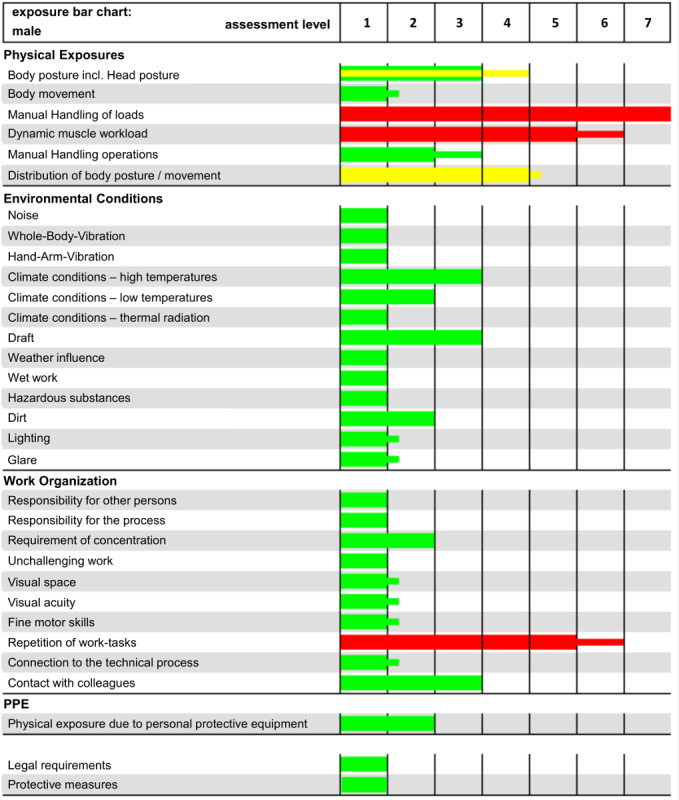
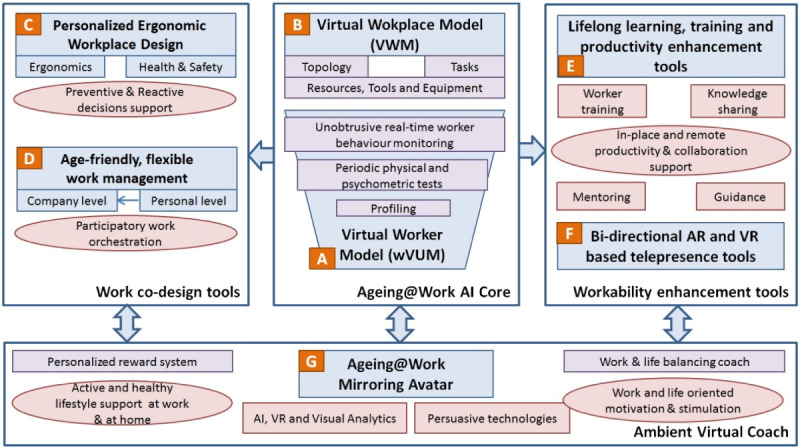
Organizations need to look at aging through different lenses to optimize an age-inclusive workforce rather than viewing it by chronological age alone. International standards in technology, human resources management, and aging societies can form part of the solution to improve aging workforces. Digitalization of workplaces, digital literacy, innovation, intergenerational collaboration, and knowledge management form important elements of the international standard on age-inclusive workforce. Using internationally agreed ethical frameworks that consider age bias when designing artificial intelligence-related products and services can help organizations in their approach. Age bias in artificial intelligence development in the workplace can be avoided through inclusive practices. No blockchain application was found yet to improve the aging workforce. Barriers to blockchain adoption include fear of layoffs, worker resistance and lack of blockchain competence, worldwide adoption, support, and funding. Integrating blockchain into the internet of things may allow for improved efficiencies, reduce cost, and resolve workforce capacity problems. Organizations could benefit from implementing or funding wearable technologies for their workers. Recent tools such as the Ageing@Work toolkit consisting of virtual user models and virtual workplace models allow for the adaptation of the work processes and the ergonomics of workplaces to the evolving needs of aging workers. Lastly, selected use cases that may contribute to sustaining an aging workforce are explored (eg, the Exposure-Documentation-System, wireless biomedical sensors, and digital voice notes).
The synergy of international standardization and ethical framework tools with research can advance information and communication technology solutions in improving aging workforces. There appears to be a momentum that technological solutions to achieve an age-inclusive workforce will undoubtedly find a stronger place within the global context and is most likely to have increased acceptance of technological applications among aging workers as well as organizations and governments. International standardization, cross-country research, and learning from use cases play an important role to ensure practical, efficient, and ethical implementation of technological solutions to contribute to a sustainable aging workforce.
新技术为打造健康、高效且有能力的老龄劳动力提供了机遇。从组织层面来看,关于技术如何助力打造可持续的老龄劳动力的研究较少。
本研究旨在(1)探讨组织中的技术解决方案如何有助于打造并维持健康、高效且有能力的老龄劳动力;(2)提供对老龄员工和组织均有益的建议及战略指导。
运用国际标准化实践、伦理框架、合作研究及实际案例,以展示技术解决方案如何转化为实际应用,并为制定一系列打造和维持可持续老龄劳动力的建议奠定基础。
组织需要从不同角度看待老龄化问题,以优化包容各年龄段的劳动力,而非仅依据实际年龄来考量。技术、人力资源管理及老龄社会方面的国际标准可成为改善老龄劳动力状况的部分解决方案。工作场所数字化、数字素养、创新、代际协作及知识管理构成了包容各年龄段劳动力国际标准的重要要素。在设计与人工智能相关的产品和服务时,运用国际认可的考虑年龄偏见的伦理框架,有助于组织采取相应措施。通过包容性实践可避免工作场所人工智能开发中的年龄偏见。尚未发现区块链应用有助于改善老龄劳动力状况。采用区块链的障碍包括对裁员的担忧、员工抵触以及缺乏区块链能力、全球范围内的采用情况、支持和资金。将区块链集成到物联网中可能会提高效率、降低成本并解决劳动力能力问题。组织可为员工实施或资助可穿戴技术而受益。诸如由虚拟用户模型和虚拟工作场所模型组成的“工作中的老龄化”工具包等最新工具,可使工作流程及工作场所的人体工程学适应老龄员工不断变化的需求。最后,探讨了可能有助于维持老龄劳动力的特定实际案例(如暴露记录系统、无线生物医学传感器和数字语音记录)。
国际标准化和伦理框架工具与研究的协同作用,可推动信息通信技术解决方案在改善老龄劳动力方面的应用。实现包容各年龄段劳动力的技术解决方案似乎正形成一种势头,无疑将在全球范围内占据更重要的地位,并且很可能会使老龄员工以及组织和政府对技术应用的接受度更高。国际标准化、跨国研究以及从实际案例中学习,对于确保技术解决方案切实、高效且符合伦理地实施,以助力打造可持续的老龄劳动力而言,发挥着重要作用。