González-García Pilar, Díaz-Casado María Elena, Hidalgo-Gutiérrez Agustín, Jiménez-Sánchez Laura, Bakkali Mohammed, Barriocanal-Casado Eliana, Escames Germaine, Chiozzi Riccardo Zenezini, Völlmy Franziska, Zaal Esther A, Berkers Celia R, Heck Albert J R, López Luis C
Departamento de Fisiología, Facultad de Medicina, Universidad de Granada, 18016, Granada, Spain; Instituto de Biotecnología, Centro de Investigación Biomédica, Universidad de Granada, 18016, Granada, Spain.
Ibs.Granada, 18016, Granada, Spain.
Redox Biol. 2022 Sep;55:102403. doi: 10.1016/j.redox.2022.102403. Epub 2022 Jul 15.
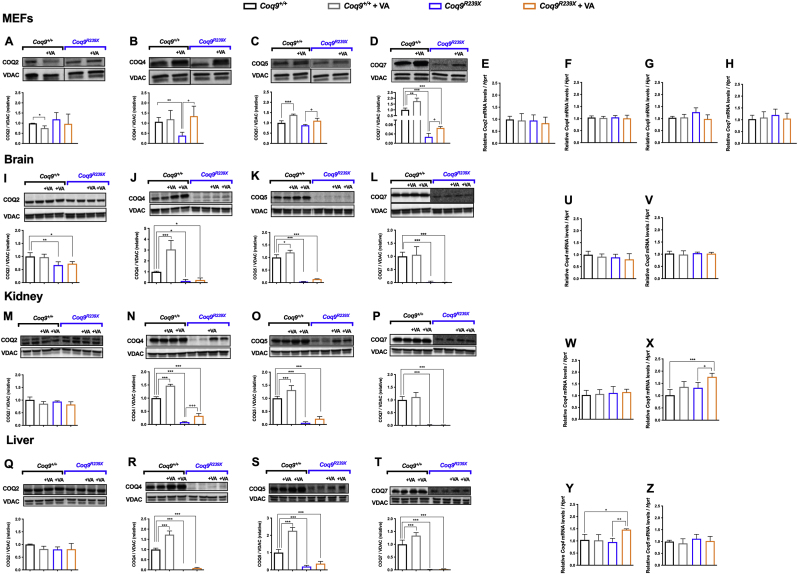
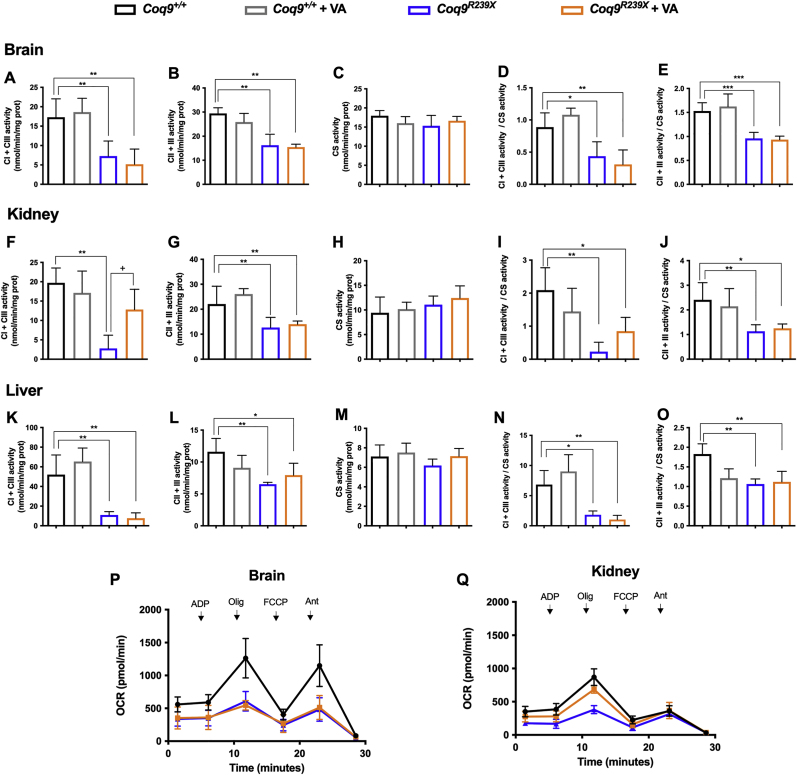
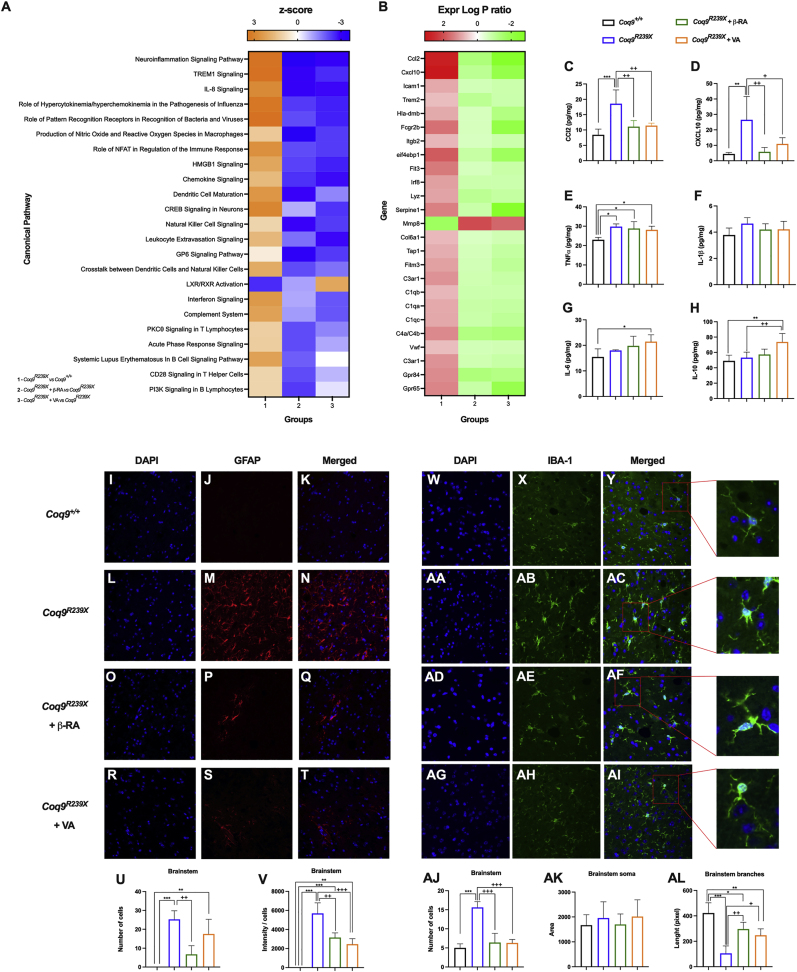
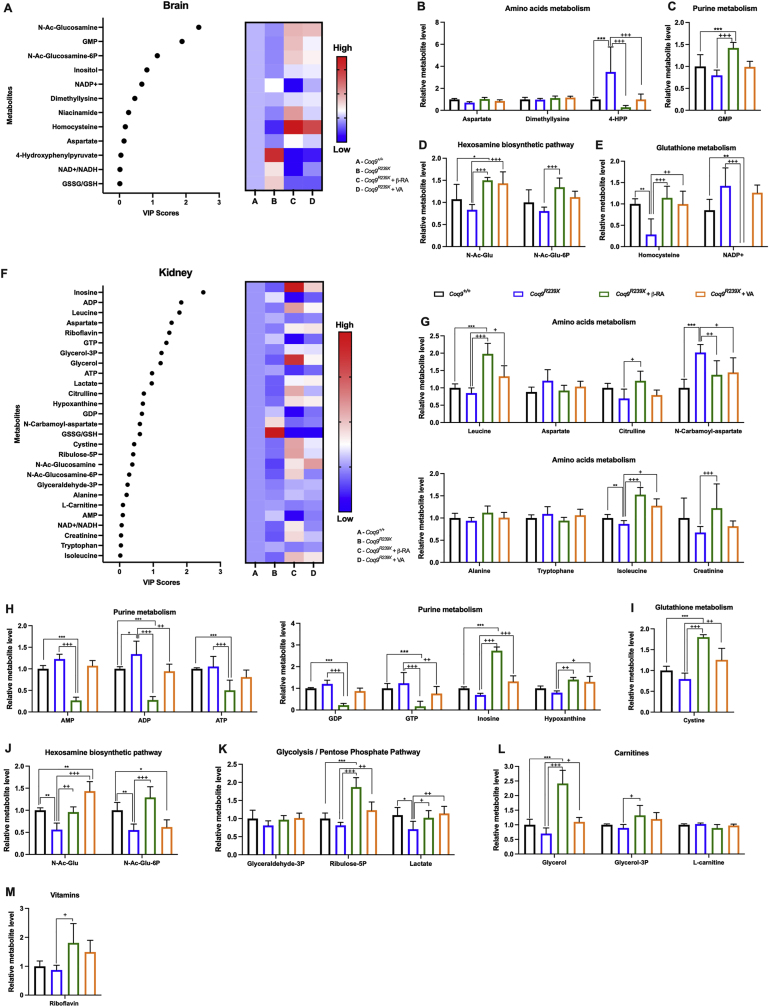
Defects in Coenzyme Q (CoQ) metabolism have been associated with primary mitochondrial disorders, neurodegenerative diseases and metabolic conditions. The consequences of CoQ deficiency have not been fully addressed, and effective treatment remains challenging. Here, we use mice with primary CoQ deficiency (Coq9), and we demonstrate that CoQ deficiency profoundly alters the Q-junction, leading to extensive changes in the mitochondrial proteome and metabolism in the kidneys and, to a lesser extent, in the brain. CoQ deficiency also induces reactive gliosis, which mediates a neuroinflammatory response, both of which lead to an encephalopathic phenotype. Importantly, treatment with either vanillic acid (VA) or β-resorcylic acid (β-RA), two analogs of the natural precursor for CoQ biosynthesis, partially restores CoQ metabolism, particularly in the kidneys, and induces profound normalization of the mitochondrial proteome and metabolism, ultimately leading to reductions in gliosis, neuroinflammation and spongiosis and, consequently, reversing the phenotype. Together, these results provide key mechanistic insights into defects in CoQ metabolism and identify potential disease biomarkers. Furthermore, our findings clearly indicate that the use of analogs of the CoQ biosynthetic precursor is a promising alternative therapy for primary CoQ deficiency and has potential for use in the treatment of more common neurodegenerative and metabolic diseases that are associated with secondary CoQ deficiency.
辅酶Q(CoQ)代谢缺陷与原发性线粒体疾病、神经退行性疾病和代谢状况有关。CoQ缺乏的后果尚未得到充分研究,有效治疗仍然具有挑战性。在此,我们使用原发性CoQ缺乏(Coq9)的小鼠,证明CoQ缺乏会深刻改变Q连接点,导致肾脏线粒体蛋白质组和代谢发生广泛变化,在大脑中变化程度较小。CoQ缺乏还会诱导反应性胶质细胞增生,介导神经炎症反应,这两者都会导致脑病表型。重要的是,用香草酸(VA)或β-间苯二酚酸(β-RA)治疗,这两种CoQ生物合成天然前体的类似物,可部分恢复CoQ代谢,尤其是在肾脏中,并使线粒体蛋白质组和代谢显著正常化,最终导致胶质细胞增生、神经炎症和海绵状变性减少,从而逆转表型。总之,这些结果为CoQ代谢缺陷提供了关键的机制见解,并确定了潜在的疾病生物标志物。此外,我们的研究结果清楚地表明,使用CoQ生物合成前体的类似物是治疗原发性CoQ缺乏的一种有前景的替代疗法,并且有可能用于治疗与继发性CoQ缺乏相关的更常见的神经退行性和代谢疾病。