Department of Clinical Sciences, School of Veterinary Medicine, Ferdowsi University of Mashhad, Mashhad, Iran.
Department of Basic Sciences, Faculty of Veterinary Medicine, Ferdowsi University of Mashhad, Mashhad, Iran.
BMC Vet Res. 2022 Jul 21;18(1):284. doi: 10.1186/s12917-022-03379-1.
Adipose tissue (AT) is one of the most important mesenchymal stem cell (MSC) sources because of its high quantities, availability and ease of collection. After being collected samples, they should be transported to a laboratory for stem cell (SC) isolation, culture and expansion for future clinical application. Usually, laboratories are distant from animal husbandry centers; therefore, it is necessary to provide suitable conditions for adipose tissue transportation, such that adipose-derived MSCs are minimally affected. In the current study, the impact of tissue maintenance under different conditions on MSCs derived from these tissues was evaluated. We aimed at finding suitable and practical transportation methods in which ASCs go through the slightest changes.
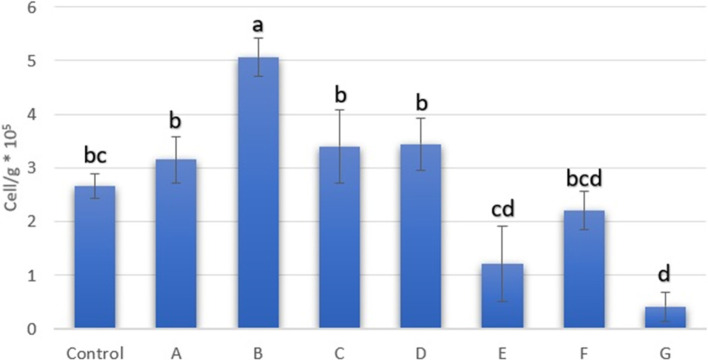
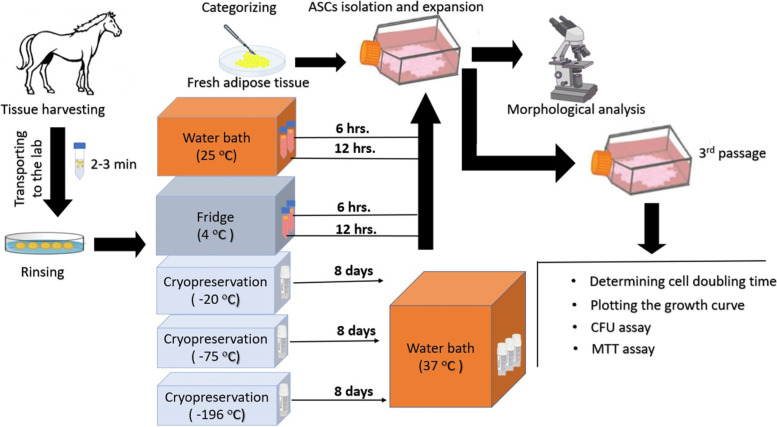
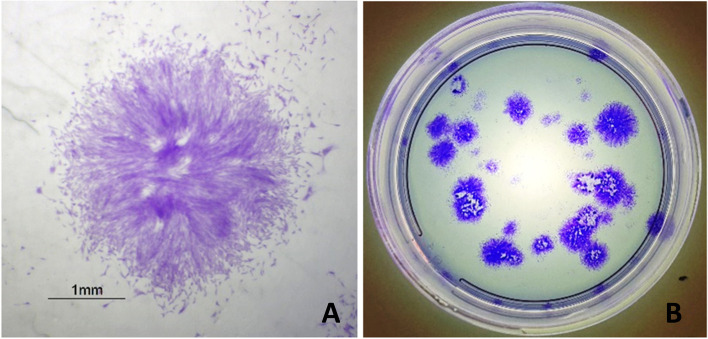
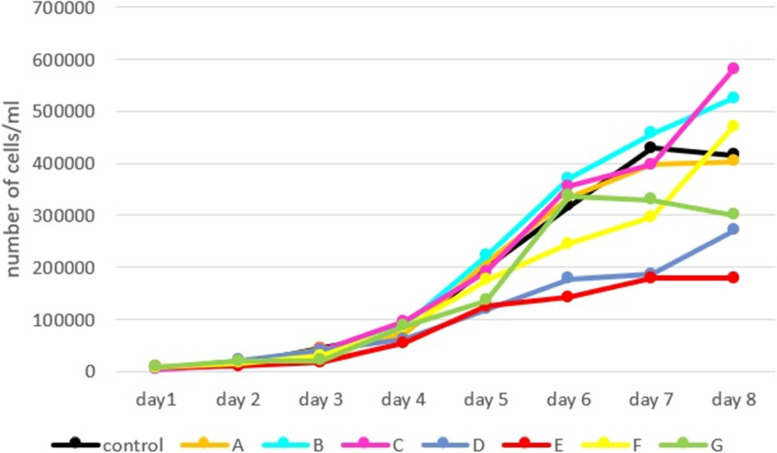
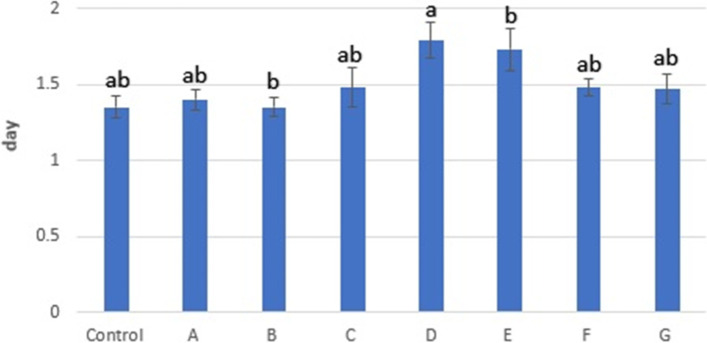
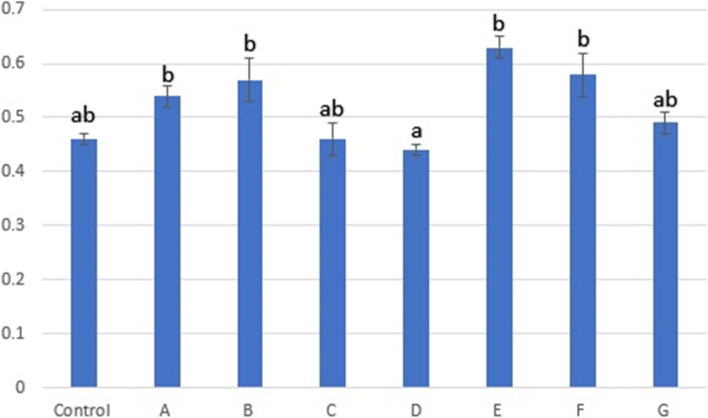
In the current study, after being collected, equine AT was randomized into eight groups: four samples were maintained in stem cell culture media at 25 C and 4 C for 6 and 12 hrs. as transportation via SC media groups. Three samples were frozen at three different temperatures (- 20, - 75 and - 196 C) as cryopreserved groups; these samples were defrosted 1 week after cryopreservation. Fresh and unfrozen AT was evaluated as a control group. The tissue samples were then initiated into enzymatic digestion, isolation and the culturing of SCs. Cells at passage three were used to evaluate the ability to form colonies, proliferation rate, plotting of the cell growth curve, and viability rate. All experiments were performed in triplicate. Stem cell isolation was successful in all groups, although purification of SCs from the first series of cryopreservation at - 196 C and two series of - 20 C was unsuccessful. There was no significant difference between the surface area of colonies in all groups except for - 20 C. The growth rate of transportation via stem cell media at 25 C for 6 hrs. was similar to that of the control group. MTT analysis revealed a significant difference between 25 C 12 hrs. Group and other experimental groups except for control, 4 C 12 hrs. and - 196 C group.
Data have shown freezing at - 75 C, transportation via stem cell media at 4 C for 12 hrs. and 25 C for 6 hrs. are acceptable tissue preservation and transportation methods due to minor effects on MSCs features.
脂肪组织(AT)是间充质干细胞(MSC)的最重要来源之一,因为其数量多、易于获取和采集。采集样本后,应将其运送到实验室进行干细胞(SC)分离、培养和扩增,以备将来临床应用。通常,实验室远离动物饲养中心;因此,有必要为脂肪组织运输提供合适的条件,以使脂肪来源的 MSC 受到的影响最小。在本研究中,评估了不同条件下组织维持对源自这些组织的 MSC 的影响。我们旨在寻找合适且实用的运输方法,使 ASC 经历最小的变化。
在本研究中,采集后的马脂肪组织随机分为八组:四组在 25°C 和 4°C 下分别维持在干细胞培养基中 6 和 12 小时,作为通过 SC 培养基的运输组。三组在三个不同温度(-20、-75 和-196°C)下冷冻作为冷冻保存组;这些样本在冷冻保存后一周解冻。新鲜且未冷冻的 AT 作为对照组进行评估。然后将组织样本进行酶消化、分离和 SC 培养。传三代的细胞用于评估集落形成能力、增殖率、细胞生长曲线绘制和存活率。所有实验均重复进行三次。所有组均成功分离出干细胞,尽管从 -196°C 的第一系列冷冻和 -20°C 的两个系列冷冻中未能成功纯化 SC。除-20°C 外,所有组的集落表面积无显著差异。在 25°C 下运输 6 小时的细胞生长率与对照组相似。MTT 分析显示,25°C 12 小时组与其他实验组(除对照组、4°C 12 小时组和-196°C 组外)有显著差异。
数据表明,-75°C 冷冻、4°C 运输 12 小时和 25°C 运输 6 小时是可接受的组织保存和运输方法,因为对 MSC 特性的影响较小。