El Goundali Khaddouj, Chebabe Milouda, Zahra Laamiri Fatima, Hilali Abderraouf
Hassan First University of Settat, Higher Institute of Health Sciences, Laboratory of Health Sciences and Technologies, 26000 Settat, Morocco.
Iran J Public Health. 2022 Feb;51(2):253-265. doi: 10.18502/ijph.v51i2.8679.
Inbreeding continues to account for a significant proportion of marriages among the Arab populations. Consanguinity is recognized in many studies as a significant factor affecting the health of the individual over several generations and poses a real public health problem. This systematic review was conducted to identify the determinants of consanguineous marriage among the Arab population published in the literature.
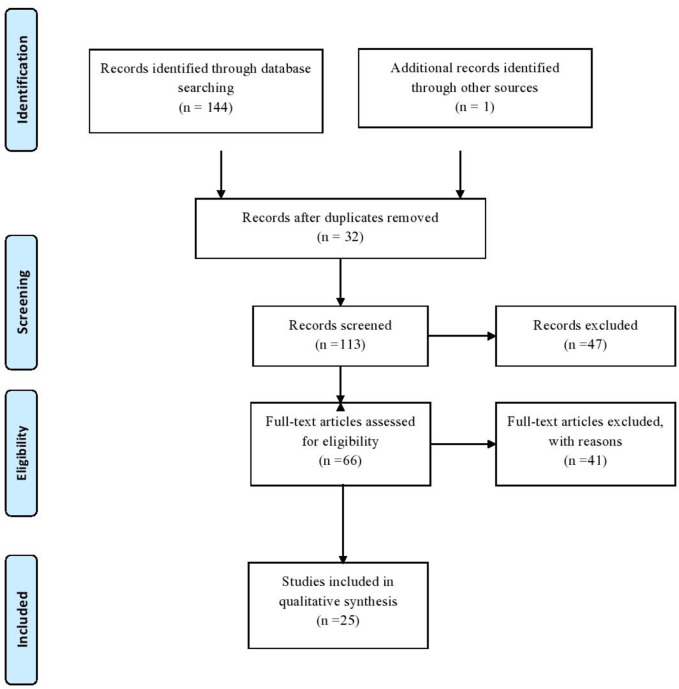
This systematic review of the determinants of consanguinity among Arab populations was conducted using databases: PubMed, Medline, Direct Science, Scopus, Web of sciences, Springer, Google scholar between 2000 and 2020. Inclusion and exclusion criteria were set. The selection steps were carried out based on PRISMA guidelines. Disagreements in article selection and data extraction were resolved by discussion or recourse to a third reviewer.
Overall, 25 studies were selected. The synthesis of the results concerning the determinants of Arab inbreeding revealed that several economic, socio-cultural and demographic factors seem to be associated with the choice of this type of marriage, such as socioeconomic status, low level of education especially among women, early age at first marriage, place of residence especially in rural areas, and women's status in the labor market.
The relationship between consanguinity and economic, socio-cultural, and demographic factors may be country-specific and highly dependent on the cultural context. Public awareness of genetic risks associated with inbreeding is indispensable.
近亲结婚在阿拉伯人群的婚姻中仍占很大比例。在许多研究中,近亲关系被认为是影响几代人健康的一个重要因素,并且构成了一个切实的公共卫生问题。本系统评价旨在确定文献中发表的阿拉伯人群近亲结婚的决定因素。
本关于阿拉伯人群近亲关系决定因素的系统评价使用了以下数据库:2000年至2020年期间的PubMed、Medline、Direct Science、Scopus、科学网、Springer、谷歌学术。设定了纳入和排除标准。选择步骤按照PRISMA指南进行。文章选择和数据提取中的分歧通过讨论或求助于第三位评审员来解决。
总体而言,共选择了25项研究。关于阿拉伯近亲结婚决定因素的结果综合显示,一些经济、社会文化和人口因素似乎与这种婚姻类型的选择有关,如社会经济地位、教育水平低(尤其是女性)、初婚年龄早、居住地点(尤其是农村地区)以及女性在劳动力市场的地位。
近亲关系与经济、社会文化和人口因素之间的关系可能因国家而异,并且高度依赖于文化背景。提高公众对近亲结婚相关遗传风险的认识是必不可少的。