Luhe Institute of Neuroscience, Beijing Luhe Hospital, Capital Medical University, Beijing 101100, China.
Department of Neurosurgery, Wayne State University School of Medicine, Detroit, MI 48201, USA.
Mediators Inflamm. 2022 Jul 15;2022:6886752. doi: 10.1155/2022/6886752. eCollection 2022.
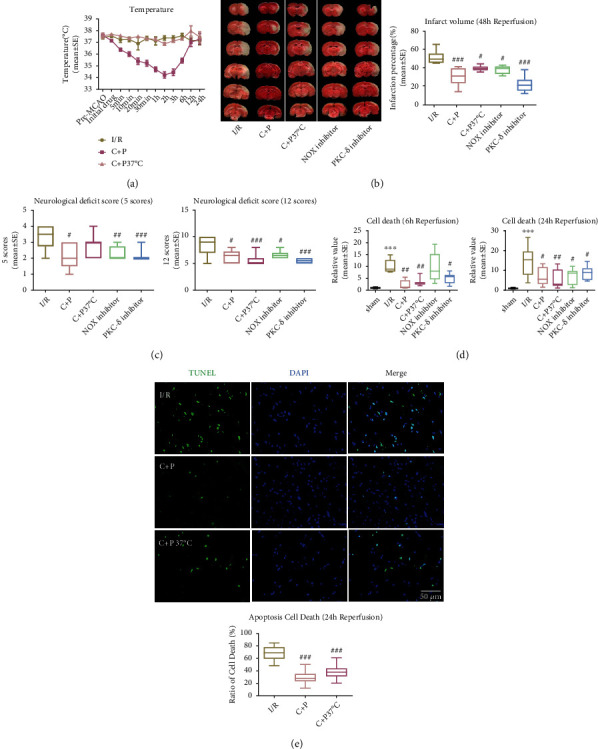
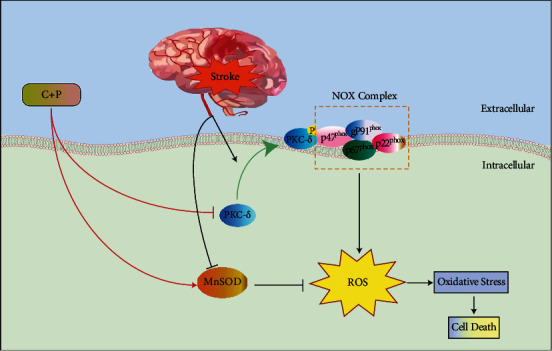
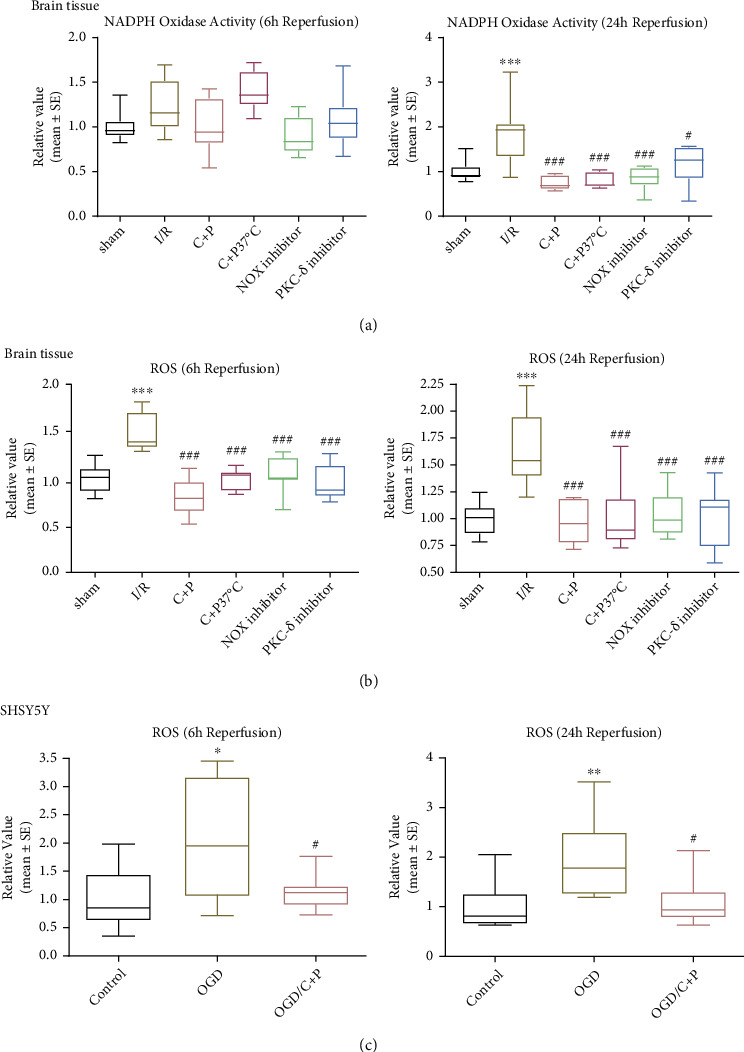
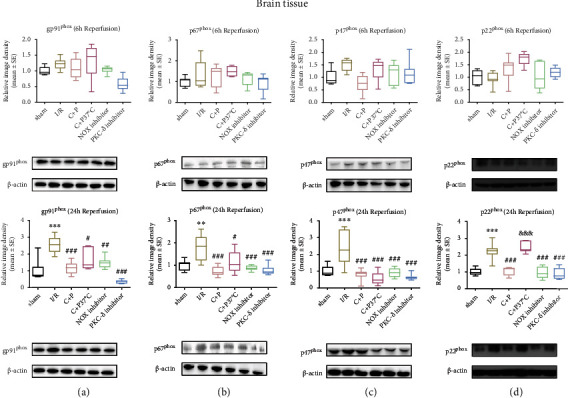
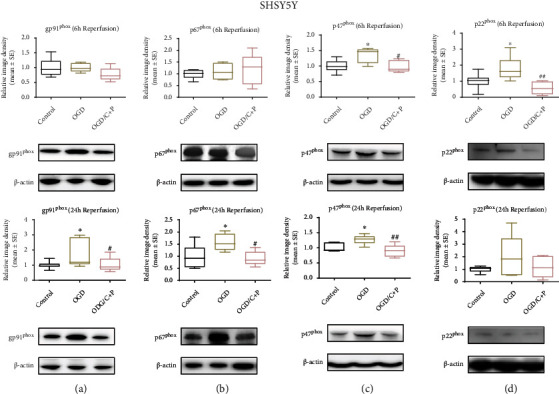
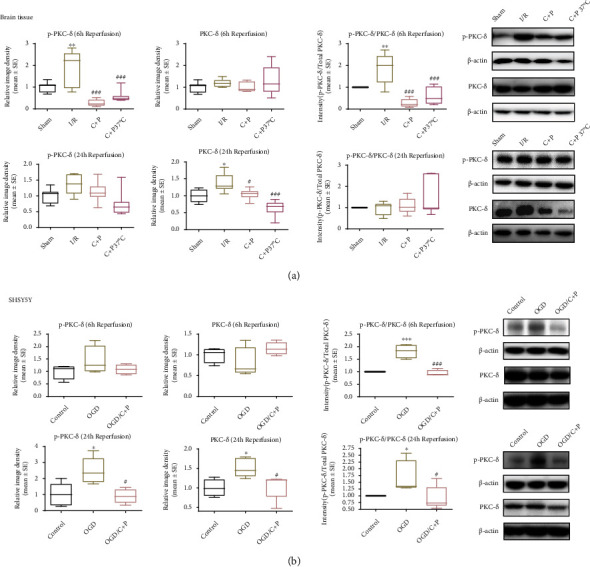
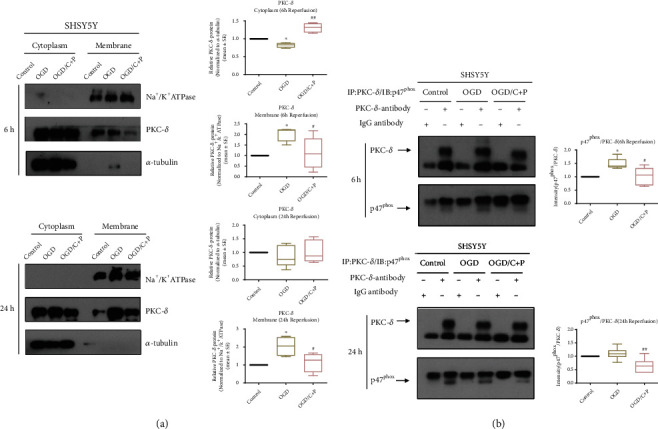
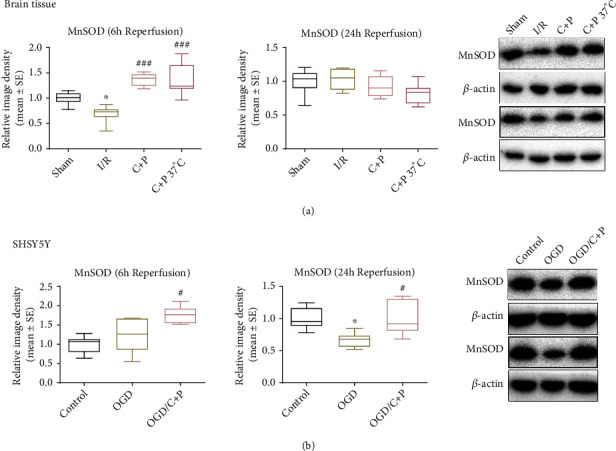
Cerebral ischemia-reperfusion (I/R) incites neurologic damage through a myriad of complex pathophysiological mechanisms, most notably, inflammation and oxidative stress. In I/R injury, nicotinamide adenine dinucleotide phosphate (NADPH) oxidase (NOX) produces reactive oxygen species (ROS), which promote inflammatory and apoptotic pathways, augmenting ROS production and promoting cell death. Inhibiting ischemia-induced oxidative stress would be beneficial for reducing neuroinflammation and promoting neuronal cell survival. Studies have demonstrated that chlorpromazine and promethazine (C+P) induce neuroprotection. This study investigated how C+P minimizes oxidative stress triggered by ischemic injury. Adult male Sprague-Dawley rats were subject to middle cerebral artery occlusion (MCAO) and subsequent reperfusion. 8 mg/kg of C+P was injected into the rats when reperfusion was initiated. Neurologic damage was evaluated using infarct volumes, neurological deficit scoring, and TUNEL assays. NOX enzymatic activity, ROS production, protein expression of NOX subunits, manganese superoxide dismutase (MnSOD), and phosphorylation of PKC- were assessed. Neural SHSY5Y cells underwent oxygen-glucose deprivation (OGD) and subsequent reoxygenation and C+P treatment. We also evaluated ROS levels and NOX protein subunit expression, MnSOD, and p-PKC-/PKC-. Additionally, we measured PKC- membrane translocation and the level of interaction between NOX subunit (p47) and PKC- via coimmunoprecipitation. As hypothesized, treatment with C+P therapy decreased levels of neurologic damage. ROS production, NOX subunit expression, NOX activity, and p-PKC-/PKC- were all significantly decreased in subjects treated with C+P. C+P decreased membrane translocation of PKC- and lowered the level of interaction between p47 and PKC-. This study suggests that C+P induces neuroprotective effects in ischemic stroke through inhibiting oxidative stress. Our findings also indicate that PKC-, NOX, and MnSOD are vital regulators of oxidative processes, suggesting that C+P may serve as an antioxidant.
脑缺血再灌注(I/R)通过多种复杂的病理生理机制引发神经损伤,其中最主要的机制是炎症和氧化应激。在 I/R 损伤中,烟酰胺腺嘌呤二核苷酸磷酸(NADPH)氧化酶(NOX)产生活性氧(ROS),促进炎症和凋亡途径,增加 ROS 产生并促进细胞死亡。抑制缺血诱导的氧化应激有利于减少神经炎症和促进神经元细胞存活。研究表明氯丙嗪和奋乃静(C+P)可诱导神经保护。本研究探讨了 C+P 如何最小化缺血性损伤引发的氧化应激。成年雄性 Sprague-Dawley 大鼠进行大脑中动脉闭塞(MCAO)和随后的再灌注。再灌注开始时,给大鼠注射 8mg/kg 的 C+P。通过梗死体积、神经功能缺损评分和 TUNEL 测定评估神经损伤。评估 NOX 酶活性、ROS 产生、NOX 亚基蛋白表达、锰超氧化物歧化酶(MnSOD)和 PKC-磷酸化。神经 SHSY5Y 细胞经历氧葡萄糖剥夺(OGD)和随后的复氧和 C+P 处理。我们还评估了 ROS 水平和 NOX 蛋白亚基表达、MnSOD 和 p-PKC-/PKC-。此外,我们通过免疫共沉淀测量了 PKC-的膜易位以及 NOX 亚基(p47)与 PKC-之间的相互作用水平。正如假设的那样,C+P 治疗降低了神经损伤程度。C+P 治疗组 ROS 产生、NOX 亚基表达、NOX 活性和 p-PKC-/PKC-均显著降低。C+P 降低了 PKC-的膜易位并降低了 p47 与 PKC-之间的相互作用水平。本研究表明,C+P 通过抑制氧化应激诱导缺血性中风的神经保护作用。我们的研究结果还表明,PKC-、NOX 和 MnSOD 是氧化过程的重要调节剂,提示 C+P 可能作为一种抗氧化剂。