Rodocker Haven I, Bordbar Arman, Larson Molly J E, Biltz Rebecca G, Wangler Lynde, Fadda Paolo, Godbout Jonathan P, Tedeschi Andrea
Department of Neuroscience, Wexner Medical Center, The Ohio State University, Columbus, OH, United States.
Institute for Behavioral Medicine Research, The Ohio State University, Columbus, OH, United States.
Front Mol Neurosci. 2022 Jul 7;15:868563. doi: 10.3389/fnmol.2022.868563. eCollection 2022.
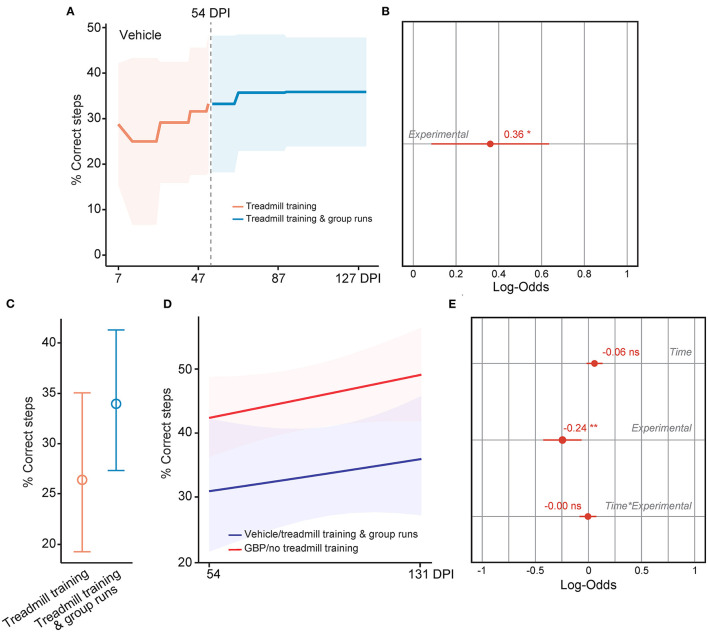
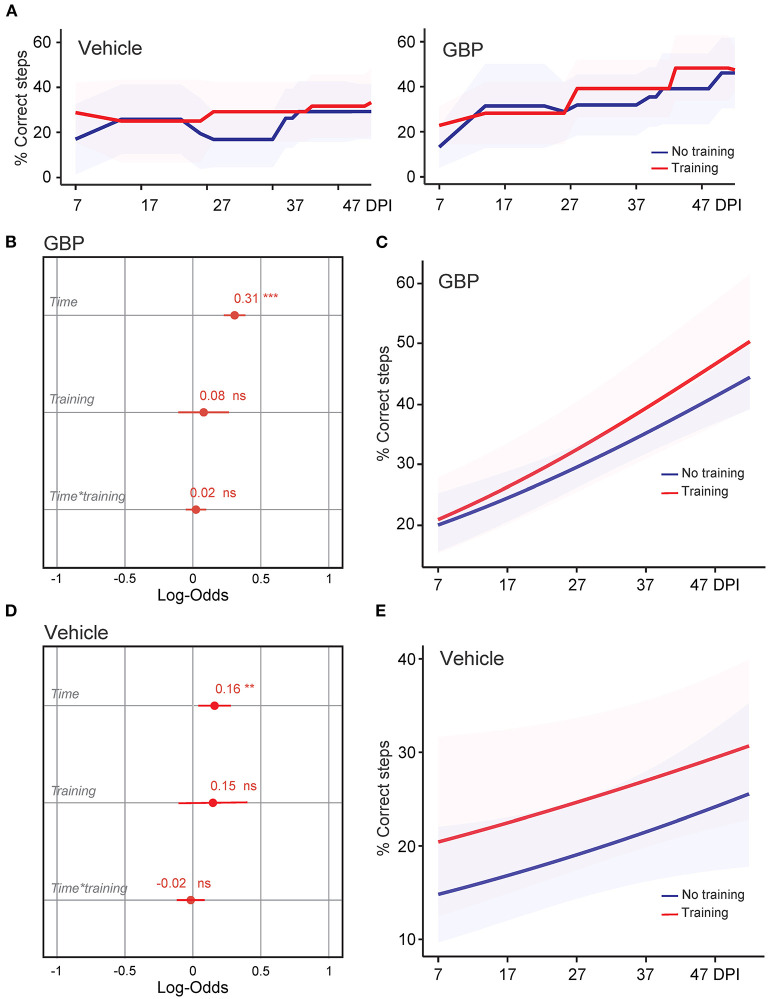
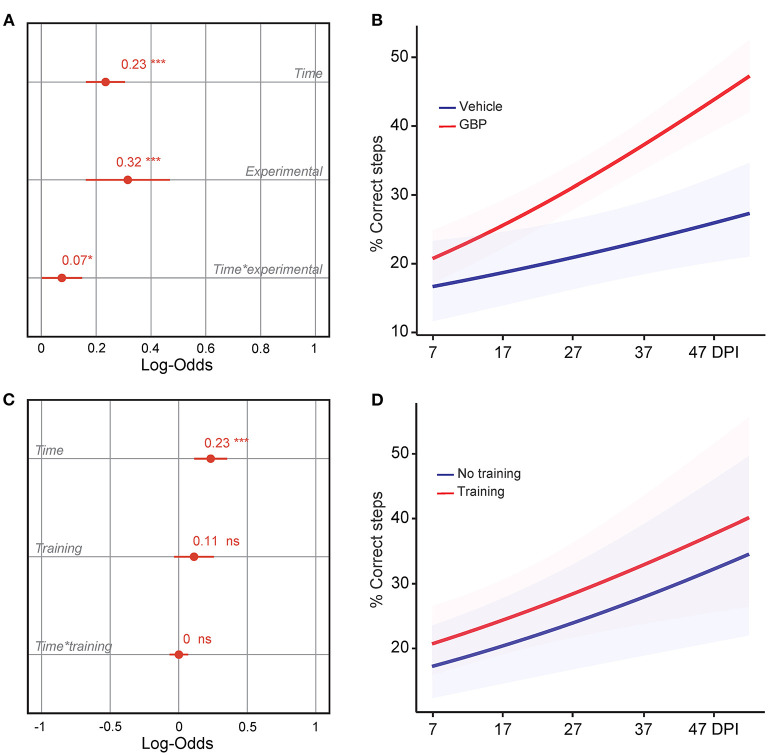
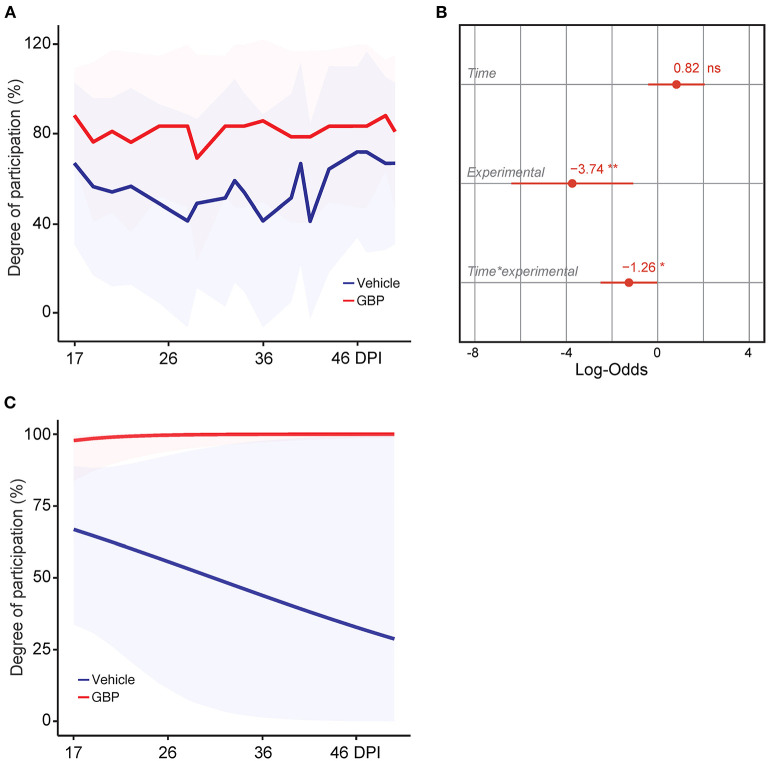
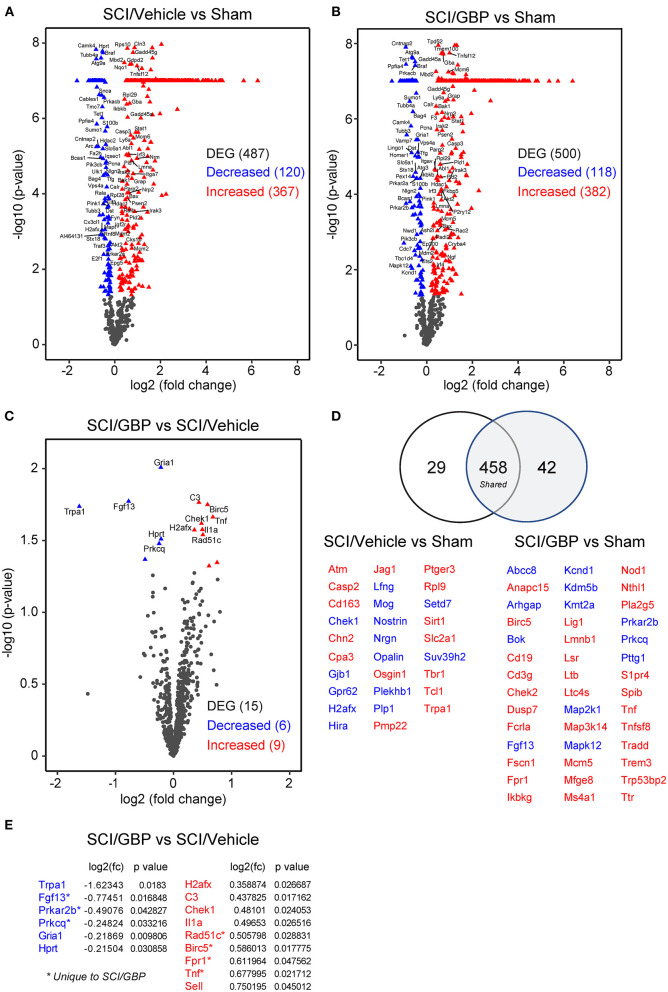
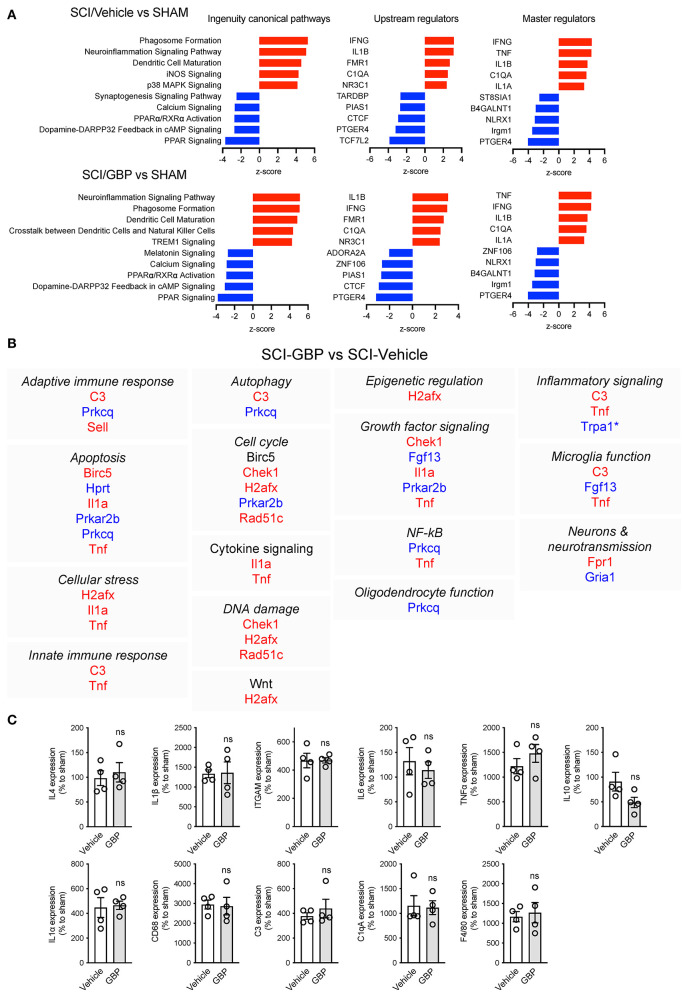
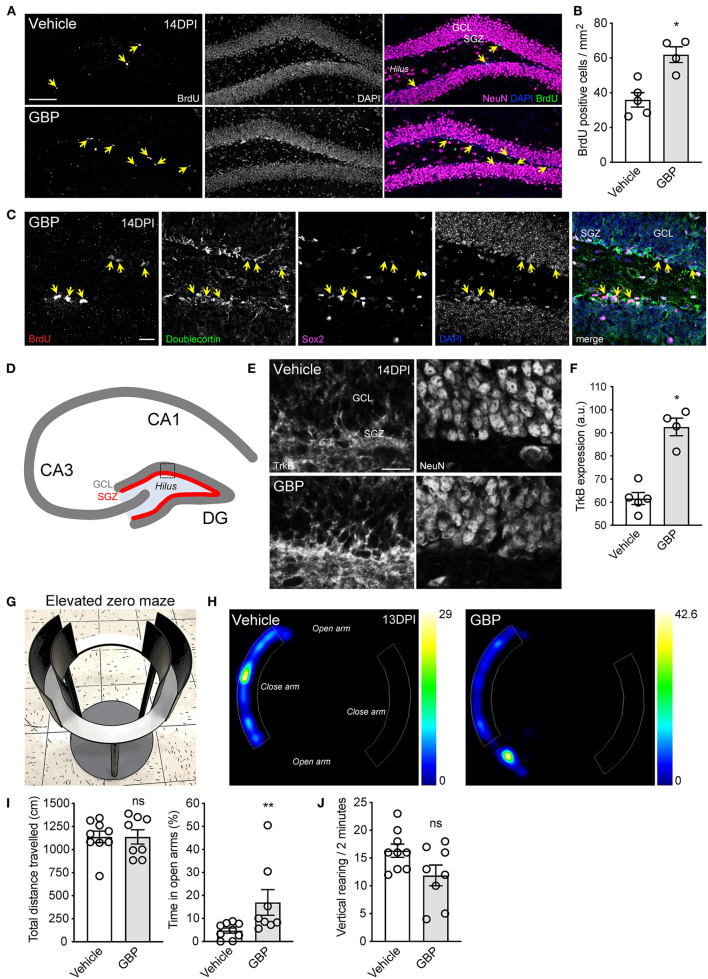
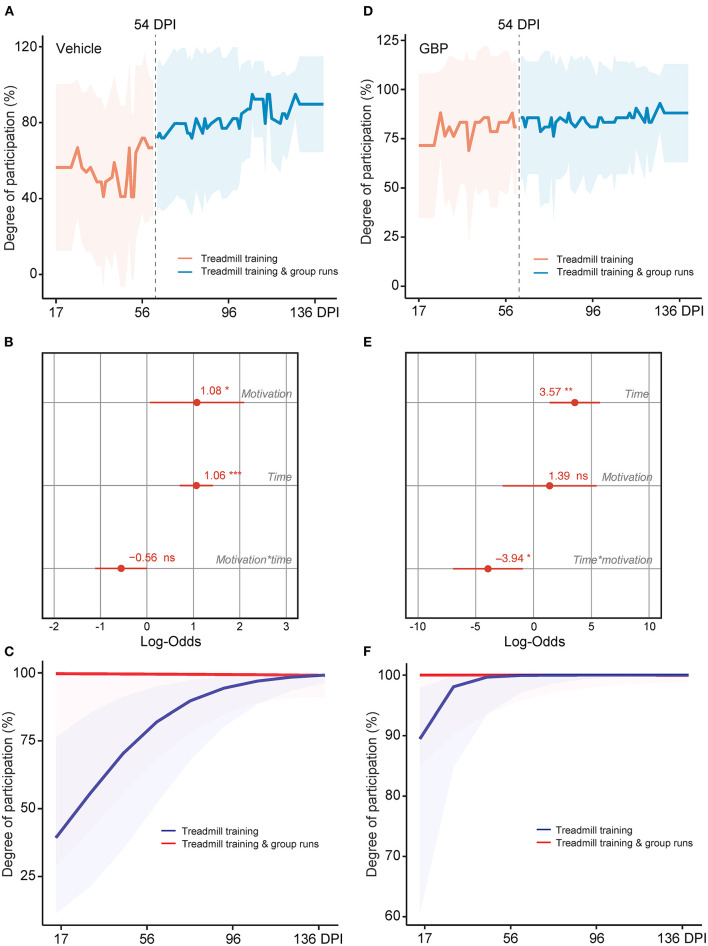
Functional recovery after spinal cord injury (SCI) often proves difficult as physical and mental barriers bar survivors from enacting their designated rehabilitation programs. We recently demonstrated that adult mice administered gabapentinoids, clinically approved drugs prescribed to mitigate chronic neuropathic pain, recovered upper extremity function following cervical SCI. Given that rehabilitative training enhances neuronal plasticity and promotes motor recovery, we hypothesized that the combination of an aerobic-based rehabilitation regimen like treadmill training with gabapentin (GBP) administration will maximize recovery in SCI mice by strengthening synaptic connections along the sensorimotor axis. Whereas mice administered GBP recovered forelimb functions over the course of weeks and months following SCI, no additive forelimb recovery as the result of voluntary treadmill training was noted in these mice. To our surprise, we also failed to find an additive effect in mice administered vehicle. As motivation is crucial in rehabilitation interventions, we scored active engagement toward the rehabilitation protocol and found that mice administered GBP were consistently participating in the rehabilitation program. In contrast, mice administered vehicle exhibited a steep decline in participation, especially at chronic time points. Whereas neuroinflammatory gene expression profiles were comparable between experimental conditions, we discovered that mice administered GBP had increased hippocampal neurogenesis and exhibited less anxiety-like behavior after SCI. We also found that an external, social motivator effectively rescues participation in mice administered vehicle and promotes forelimb recovery after chronic SCI. Thus, not only does a clinically relevant treatment strategy preclude the deterioration of mental health after chronic SCI, but group intervention strategies may prove to be physically and emotionally beneficial for SCI individuals.
脊髓损伤(SCI)后的功能恢复往往很困难,因为身体和心理障碍阻碍了幸存者实施他们指定的康复计划。我们最近证明,给成年小鼠施用加巴喷丁类药物(临床上用于减轻慢性神经性疼痛的获批药物)后,它们在颈椎脊髓损伤后恢复了上肢功能。鉴于康复训练可增强神经元可塑性并促进运动恢复,我们推测,将有氧康复方案(如跑步机训练)与加巴喷丁(GBP)给药相结合,将通过加强感觉运动轴上的突触连接,使SCI小鼠的恢复最大化。虽然给予GBP的小鼠在SCI后的数周和数月内恢复了前肢功能,但在这些小鼠中未观察到因自愿跑步机训练而产生的额外前肢恢复。令我们惊讶的是,我们在给予赋形剂的小鼠中也未发现叠加效应。由于动机在康复干预中至关重要,我们对参与康复方案的积极程度进行了评分,发现给予GBP的小鼠始终参与康复计划之中。相比之下,给予赋形剂的小鼠参与度急剧下降,尤其是在慢性时间点。虽然不同实验条件下的神经炎症基因表达谱相当,但我们发现给予GBP的小鼠海马神经发生增加,并且在SCI后表现出较少的焦虑样行为。我们还发现,一种外部的社会激励因素有效地挽救了给予赋形剂小鼠的参与度,并促进了慢性SCI后的前肢恢复。因此,一种临床相关的治疗策略不仅可以防止慢性SCI后心理健康的恶化,而且集体干预策略可能对SCI患者在身体和情感上都有益。