Pi Dapu, Liu Juan, Wang Yongtian
Beijing Engineering Research Center for Mixed Reality and Advanced Display, School of Optics and Photonics, Beijing Institute of Technology, Beijing, 100081, China.
Light Sci Appl. 2022 Jul 26;11(1):231. doi: 10.1038/s41377-022-00916-3.
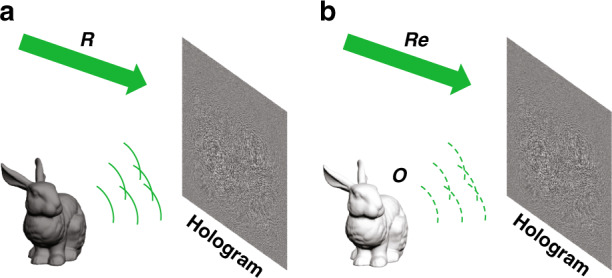
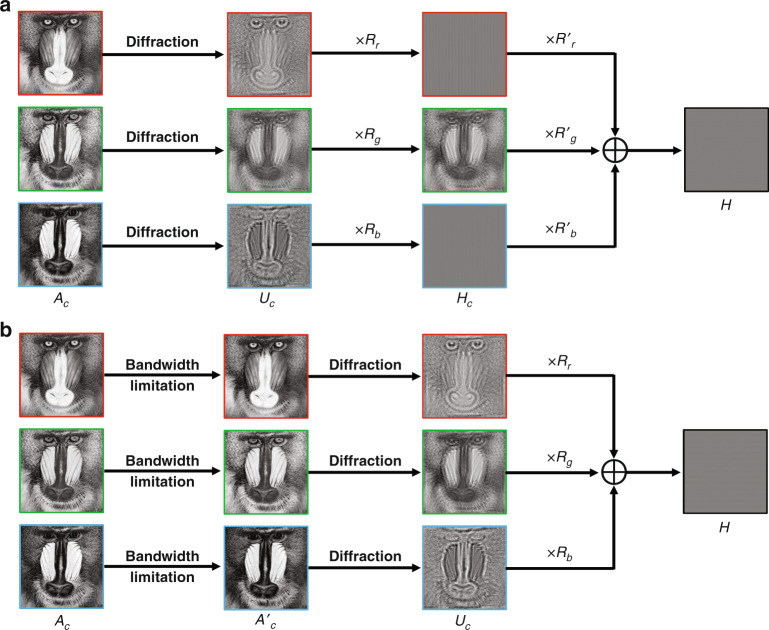
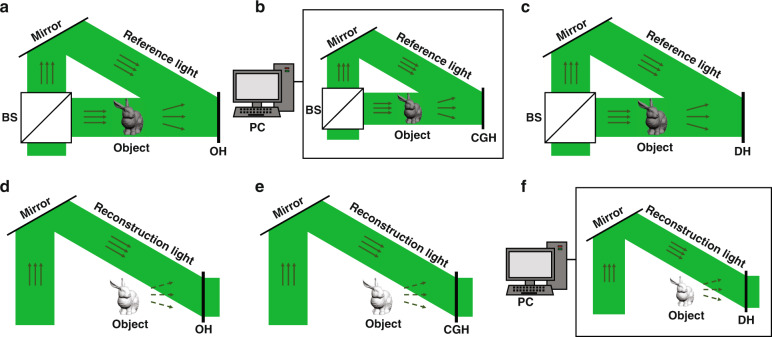
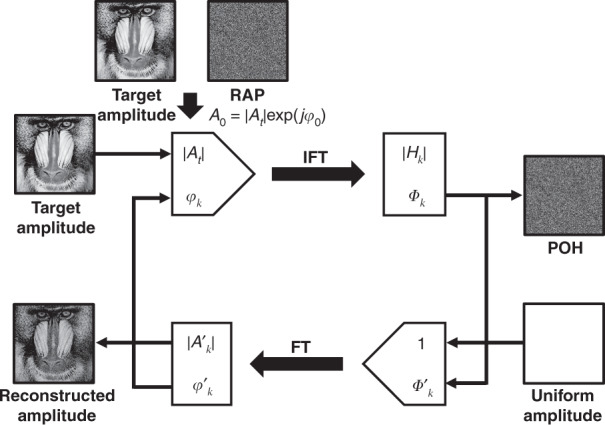
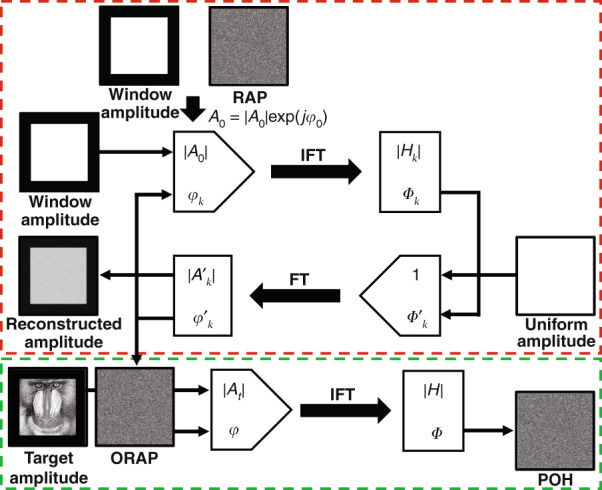
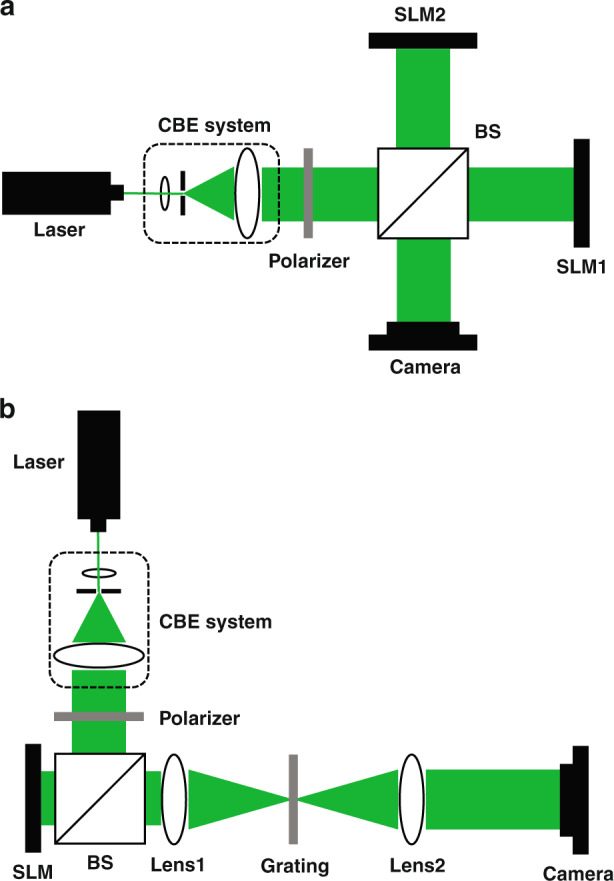
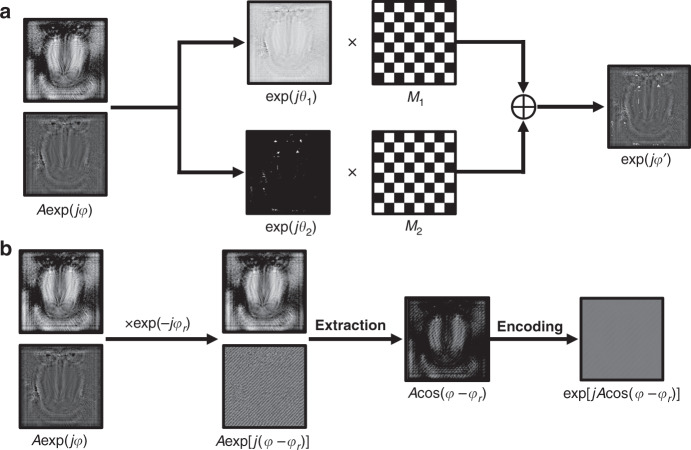
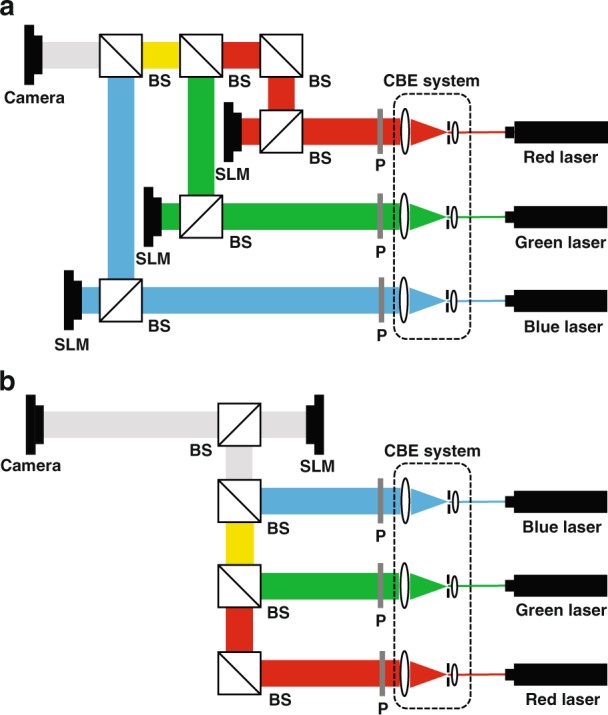
Holographic three-dimensional display is an important display technique because it can provide all depth information of a real or virtual scene without any special eyewear. In recent years, with the development of computer and optoelectronic technology, computer-generated holograms have attracted extensive attention and developed as the most promising method to realize holographic display. However, some bottlenecks still restrict the development of computer-generated holograms, such as heavy computation burden, low image quality, and the complicated system of color holographic display. To overcome these problems, numerous algorithms have been investigated with the aim of color dynamic holographic three-dimensional display. In this review, we will explain the essence of various computer-generated hologram algorithms and provide some insights for future research.
全息三维显示是一种重要的显示技术,因为它无需任何特殊眼镜就能提供真实或虚拟场景的所有深度信息。近年来,随着计算机和光电技术的发展,计算机生成全息图引起了广泛关注,并成为实现全息显示最具前景的方法。然而,一些瓶颈仍然限制着计算机生成全息图的发展,如计算负担重、图像质量低以及彩色全息显示系统复杂等问题。为克服这些问题,人们研究了许多算法,旨在实现彩色动态全息三维显示。在这篇综述中,我们将解释各种计算机生成全息图算法的本质,并为未来的研究提供一些见解。