CERENA/FEUP - Centre for Natural Resources and the Environment, FEUP - Faculty of Engineering, University of Porto, Rua Dr. Roberto Frias, 4200-465, Porto, Portugal.
Environ Monit Assess. 2022 Jul 26;194(9):611. doi: 10.1007/s10661-022-10157-x.
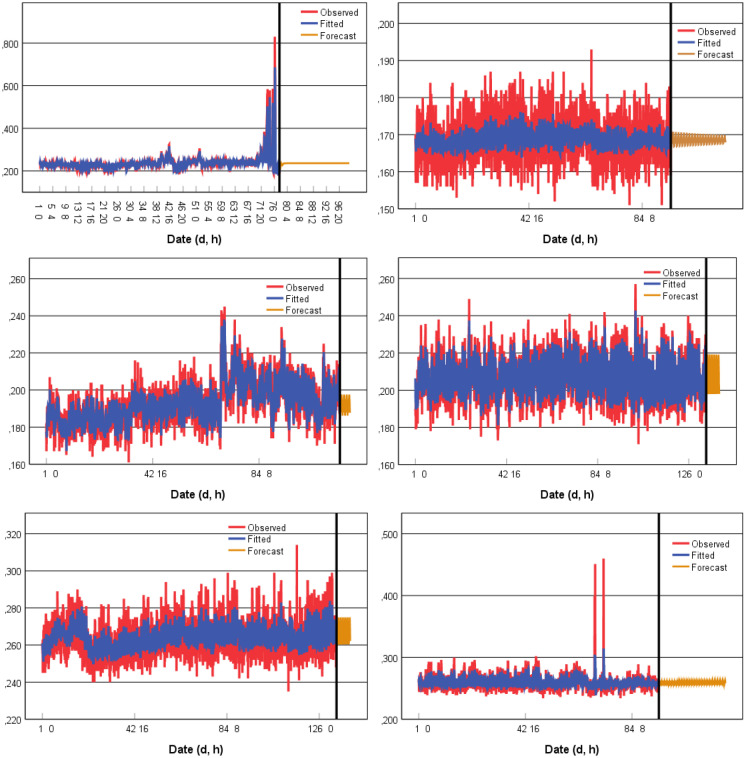
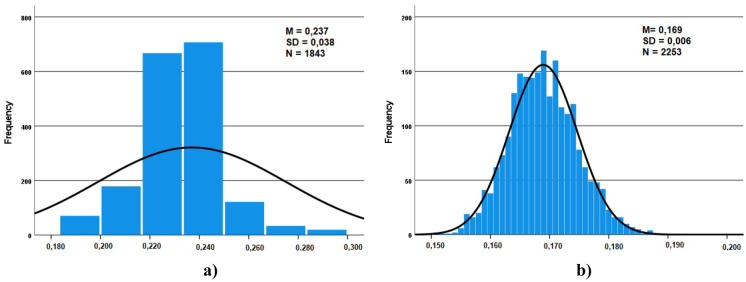
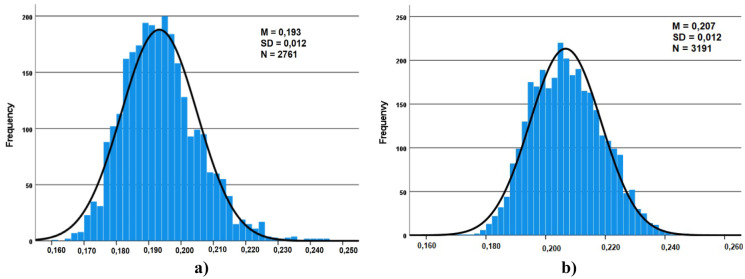
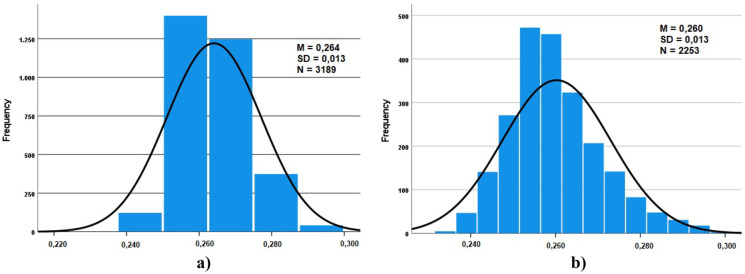
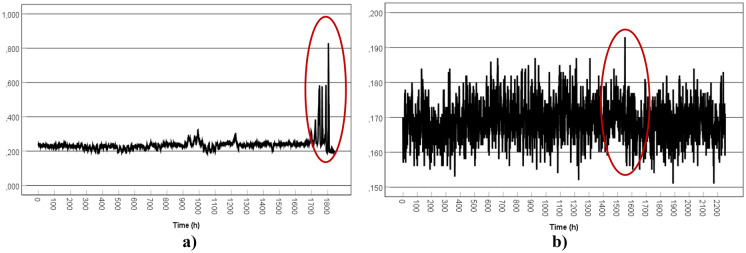
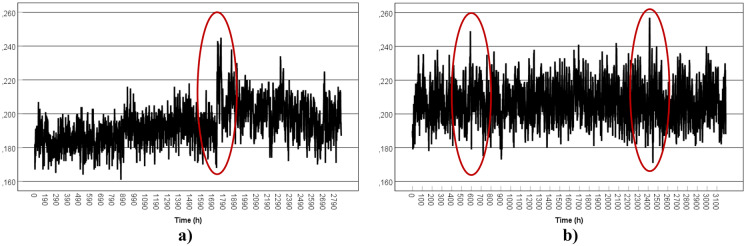
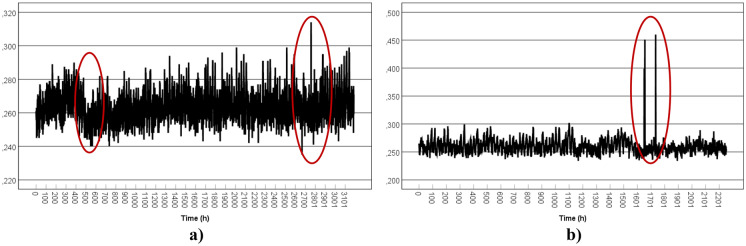
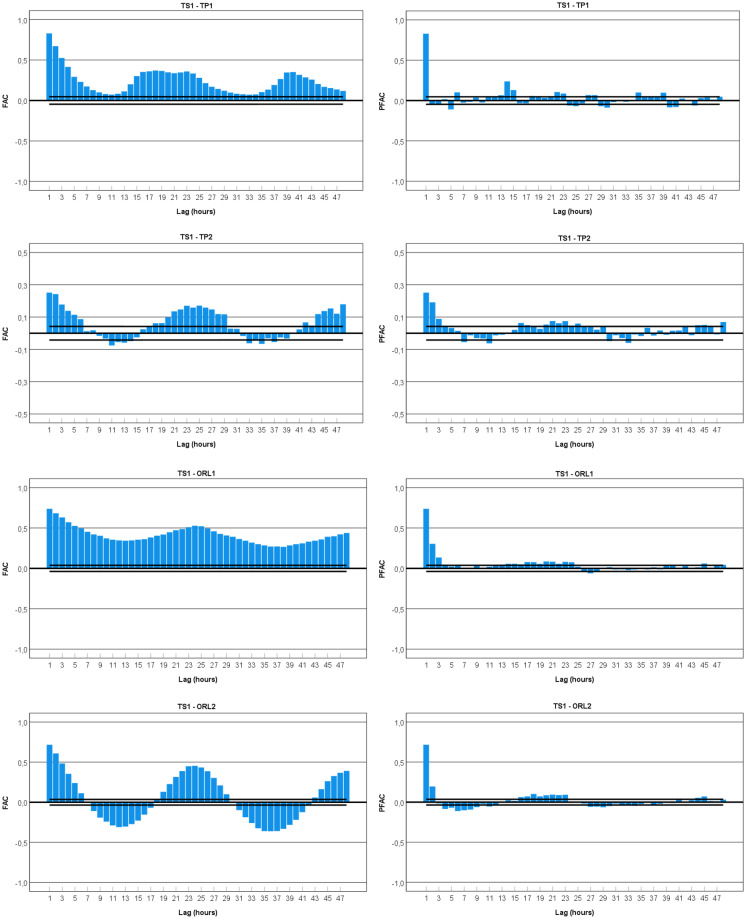
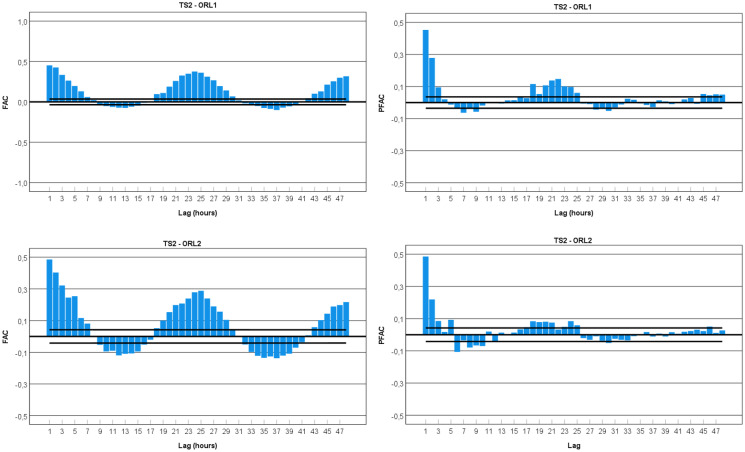
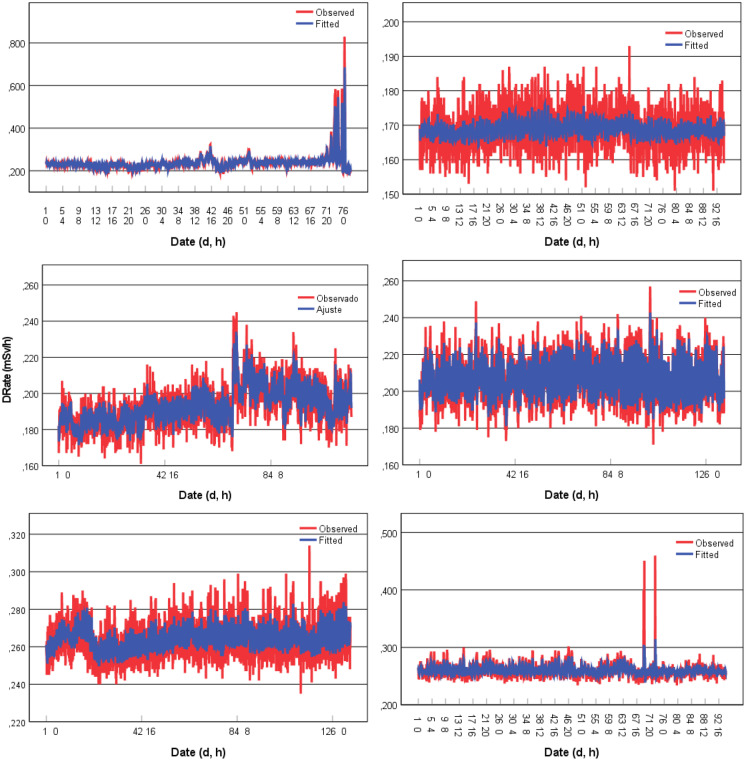
This work is a follow-up study on the exposure to indoor radon levels in Portuguese thermal spas. The previous research involved 16 thermal spas, where radon measurements in air and thermal mineral water were performed twice a year, from 2012 to 2016. These studies revealed concerning radon concentrations both in air and water. Therefore, a follow-up study on long-term radon measurements was conducted to estimate the year-round average radon exposure. The closer the long-term measurement is to 365 days, the more representative it will be of annual average radon levels. Continuous measurements over 1 year for the indoor radon levels are now presented for three of the 16 previously studied thermal spas, together with a time-series analysis of the gamma dose rates registered within the facilities of these thermal spas (TS). An attempt to identify possible patterns in the variation of gamma dose rates was made. Hourly gamma dose rates were modelled and forecasted using the Box-Jenkins seasonal time series models (SARIMA). The results showed that between December 2018 and November 2019, the indoor radon concentration varied from 202 to 1941 Bq/m (TS1), from 52 to 191 Bq/m (TS2), and from 937 to 1750 Bq/m (TS3). Approximately 60% of the obtained values for radon concentration in the indoor air exceed the reference level of 300 Bq/m. Gamma dose rates were continuously measured with GAMMA SCOUT® detectors for hourly readings (µSv/h) between 83 and 229 days. On average, the results are similar in all considered locations and range between 0.169 and 0.264 µSv/h, although variations are different in winter and summer. The calculated effective doses ranged between 3.49 and 18.65 mSv/year (TS1), between 1.37 and 2.53 mSv/year (TS2), and between 13.89 and 22.97 mSv/year (TS3). For occupational exposure purposes, workers would be classified as category A in nine locations (out of 20), as the exposure is liable to exceed an effective dose of 6 mSv/year. For the time-series analysis, the obtained models captured the dynamics of the time series data and produced short-term forecasts. Their accuracies have been quantified by minimizing the root mean square error, the mean absolute error due to the actual forecast, and the mean absolute scaled error. The current results corroborate the conclusions of previous research and give continuous data on occupational exposure to radon for three Portuguese thermal spas. For TS1 and TS3, the indoor radon levels are much higher than the reference level. Under this circumstance, mitigation measures must be implemented to reduce the radon levels accordingly with the Euratom Directive 2013/59 and the Decree-Law No. 108/2018. In general, the gamma dose rates were below 1 μSv/h and, therefore, the contribution to the annual effective dose is not significant. Nevertheless, the variation of the gamma dose rates showed a coherent behavior with the radon progeny build up in closed spaces, as when the considered facilities were closed for certain periods. The time series analysis made it possible to fit some models to the gamma dose rate variation, and although the produced models cannot forecast exact gamma dose rates, they can provide valuable information to build sound planning and decision-making strategies in occupational exposure.

本工作是对葡萄牙热矿水疗所内氡暴露水平的后续研究。之前的研究涉及 16 个热矿水疗所,在 2012 年至 2016 年期间,每年两次对空气和热矿泉水的氡进行测量。这些研究揭示了空气和水中令人担忧的氡浓度。因此,进行了一项关于长期氡测量的后续研究,以估计全年的平均氡暴露量。长期测量越接近 365 天,对年平均氡水平的代表性就越强。现在为之前研究的 16 个热矿水疗所中的 3 个提供了室内氡水平的连续 1 年测量结果,以及对这些热矿水疗所设施内记录的伽马剂量率的时间序列分析(TS)。尝试确定伽马剂量率变化的可能模式。使用 Box-Jenkins 季节性时间序列模型(SARIMA)对每小时的伽马剂量率进行建模和预测。结果表明,2018 年 12 月至 2019 年 11 月期间,室内氡浓度在 TS1 从 202 到 1941 Bq/m 之间变化,在 TS2 从 52 到 191 Bq/m 之间变化,在 TS3 从 937 到 1750 Bq/m 之间变化。获得的室内空气中氡浓度值中,约 60%超过 300 Bq/m 的参考水平。使用 GAMMA SCOUT®探测器连续测量伽马剂量率,每小时读数(µSv/h)为 83 至 229 天。平均而言,所有考虑的地点的结果相似,范围在 0.169 到 0.264 µSv/h 之间,尽管冬季和夏季的变化不同。计算出的有效剂量在 TS1 之间为 3.49 至 18.65 mSv/年,在 TS2 之间为 1.37 至 2.53 mSv/年,在 TS3 之间为 13.89 至 22.97 mSv/年。对于职业照射目的,在 20 个地点中的 9 个地点(占比 45%),工作人员将被归类为 A 类,因为照射可能超过 6 mSv/年的有效剂量。对于时间序列分析,所获得的模型捕捉了时间序列数据的动态,并产生了短期预测。通过最小化均方根误差、实际预测的平均绝对误差和平均绝对比例误差,对其准确性进行了量化。目前的结果证实了之前研究的结论,并为葡萄牙的三个热矿水疗所提供了氡职业照射的连续数据。对于 TS1 和 TS3,室内氡水平远高于参考水平。在这种情况下,必须根据 Euratom 指令 2013/59 和第 108/2018 号法令实施缓解措施,以相应降低氡水平。总的来说,伽马剂量率低于 1 μSv/h,因此对年有效剂量的贡献并不显著。然而,伽马剂量率的变化表现出与封闭空间内氡子体积累一致的行为,当考虑的设施在某些时期关闭时就是如此。时间序列分析使得可以为伽马剂量率的变化拟合一些模型,尽管所产生的模型不能准确预测伽马剂量率,但它们可以为职业照射的合理规划和决策策略提供有价值的信息。