Gillson Josef, Abd El-Aziz Yomna S, Leck Lionel Y W, Jansson Patric J, Pavlakis Nick, Samra Jaswinder S, Mittal Anubhav, Sahni Sumit
Faculty of Medicine and Health, University of Sydney, Camperdown, Sydney, NSW 2050, Australia.
Bill Walsh Translational Cancer Research Laboratory, Kolling Institute of Medical Research, St Leonards, Sydney, NSW 2065, Australia.
Cancers (Basel). 2022 Jul 20;14(14):3528. doi: 10.3390/cancers14143528.
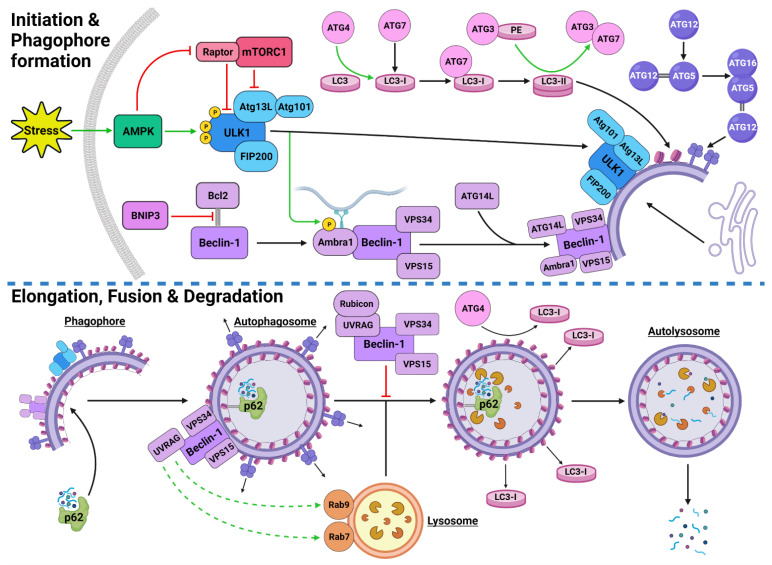
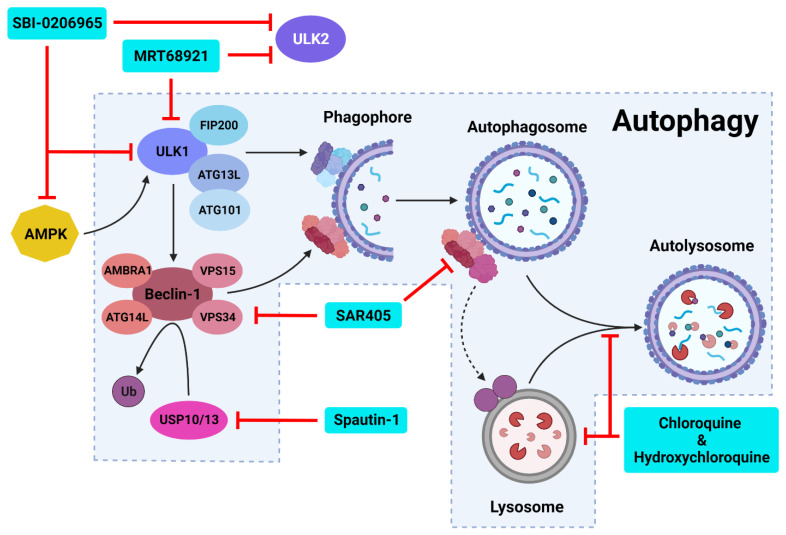
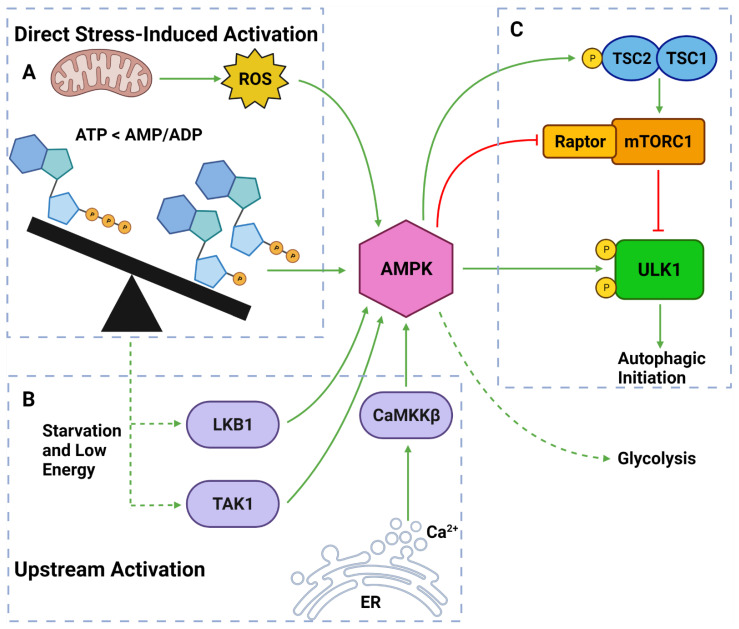
Pancreatic cancer is known to have the lowest survival outcomes among all major cancers, and unfortunately, this has only been marginally improved over last four decades. The innate characteristics of pancreatic cancer include an aggressive and fast-growing nature from powerful driver mutations, a highly defensive tumor microenvironment and the upregulation of advantageous survival pathways such as autophagy. Autophagy involves targeted degradation of proteins and organelles to provide a secondary source of cellular supplies to maintain cell growth. Elevated autophagic activity in pancreatic cancer is recognized as a major survival pathway as it provides a plethora of support for tumors by supplying vital resources, maintaining tumour survival under the stressful microenvironment and promoting other pathways involved in tumour progression and metastasis. The combination of these features is unique to pancreatic cancer and present significant resistance to chemotherapeutic strategies, thus, indicating a need for further investigation into therapies targeting this crucial pathway. This review will outline the autophagy pathway and its regulation, in addition to the genetic landscape and tumor microenvironment that contribute to pancreatic cancer severity. Moreover, this review will also discuss the mechanisms of novel therapeutic strategies that inhibit autophagy and how they could be used to suppress tumor progression.
众所周知,在所有主要癌症中,胰腺癌的生存率最低,不幸的是,在过去四十年里,这一情况仅略有改善。胰腺癌的固有特征包括:强大的驱动突变使其具有侵袭性且生长迅速;肿瘤微环境具有高度防御性;自噬等有利生存途径上调。自噬涉及蛋白质和细胞器的靶向降解,以提供细胞供应的次要来源,维持细胞生长。胰腺癌中自噬活性升高被认为是一条主要的生存途径,因为它通过提供重要资源、在应激微环境下维持肿瘤存活以及促进参与肿瘤进展和转移的其他途径,为肿瘤提供了大量支持。这些特征的组合是胰腺癌所独有的,并且对化疗策略具有显著抗性,因此,表明需要进一步研究针对这一关键途径的疗法。本综述将概述自噬途径及其调控,以及导致胰腺癌严重程度的遗传背景和肿瘤微环境。此外,本综述还将讨论抑制自噬的新型治疗策略的机制,以及它们如何用于抑制肿瘤进展。