Rodríguez-Castejón Julen, Gómez-Aguado Itziar, Beraza-Millor Marina, Solinís María Ángeles, Del Pozo-Rodríguez Ana, Rodríguez-Gascón Alicia
Pharmacokinetic, Nanotechnology and Gene Therapy Group (PharmaNanoGene), Faculty of Pharmacy, Centro de Investigación Lascaray Ikergunea, University of the Basque Country (UPV/EHU), Paseo de la Universidad 7, 01006 Vitoria-Gasteiz, Spain.
Bioaraba, Microbiology, Infectious Disease, Antimicrobial Agents, and Gene Therapy, 01006 Vitoria-Gasteiz, Spain.
Nanomaterials (Basel). 2022 Jul 8;12(14):2339. doi: 10.3390/nano12142339.
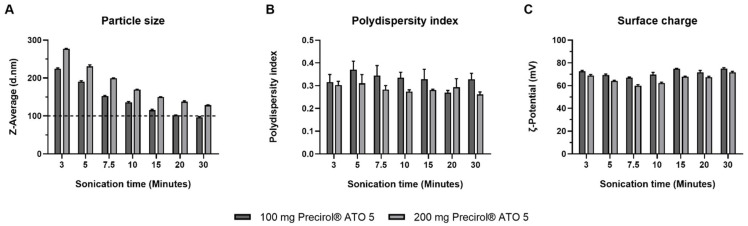
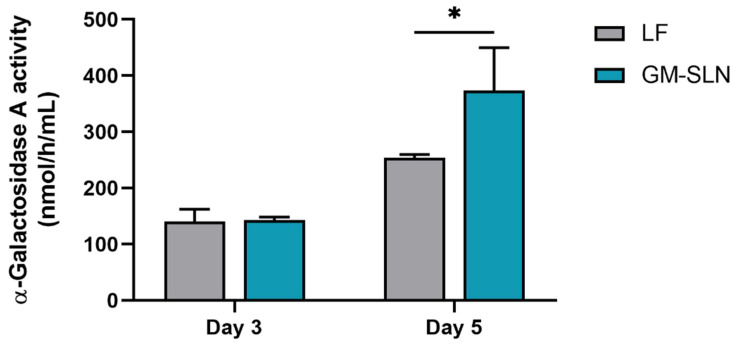
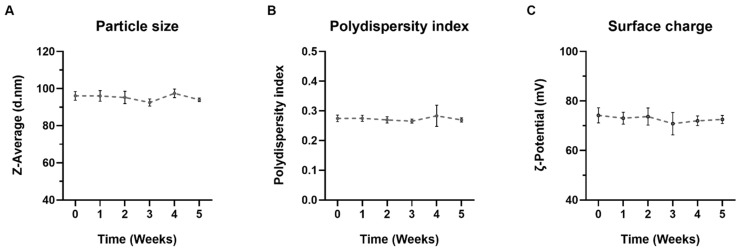
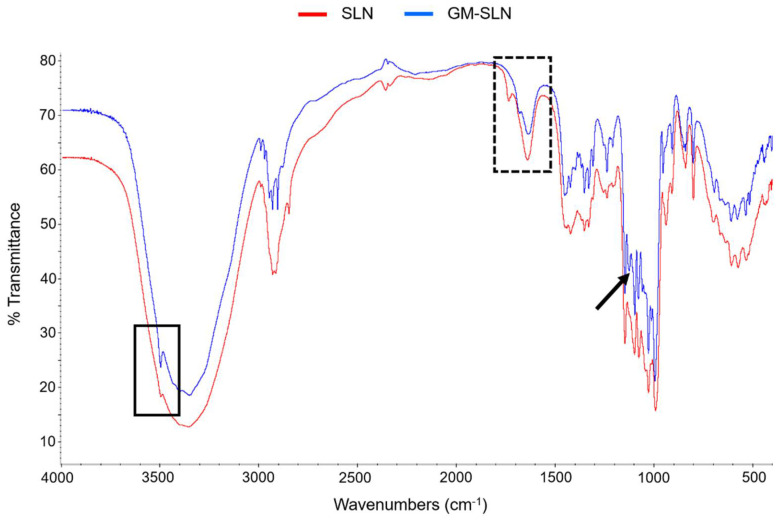
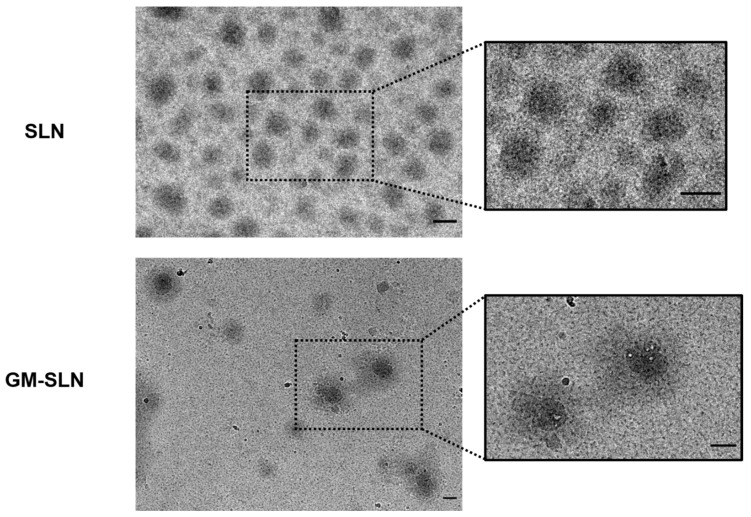
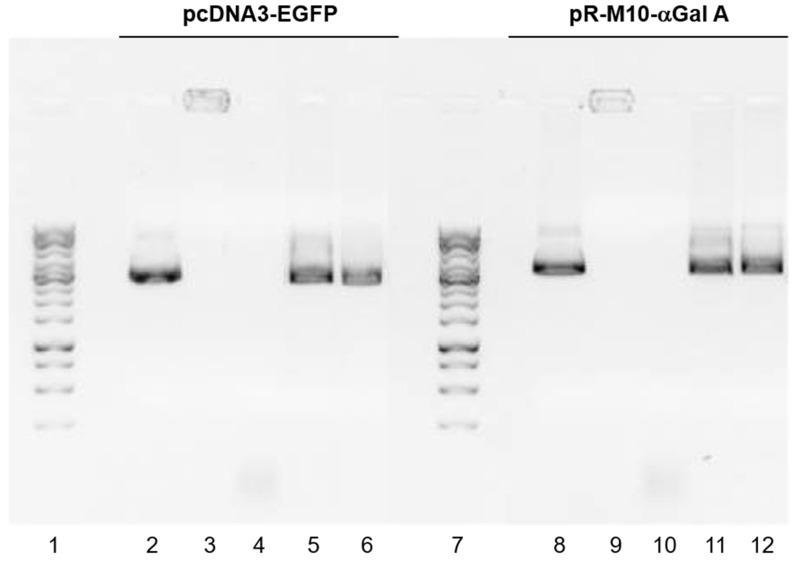
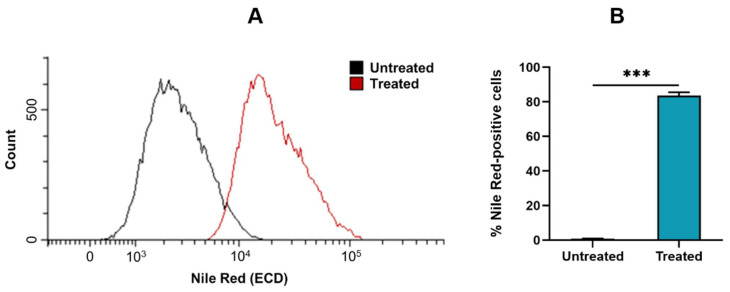
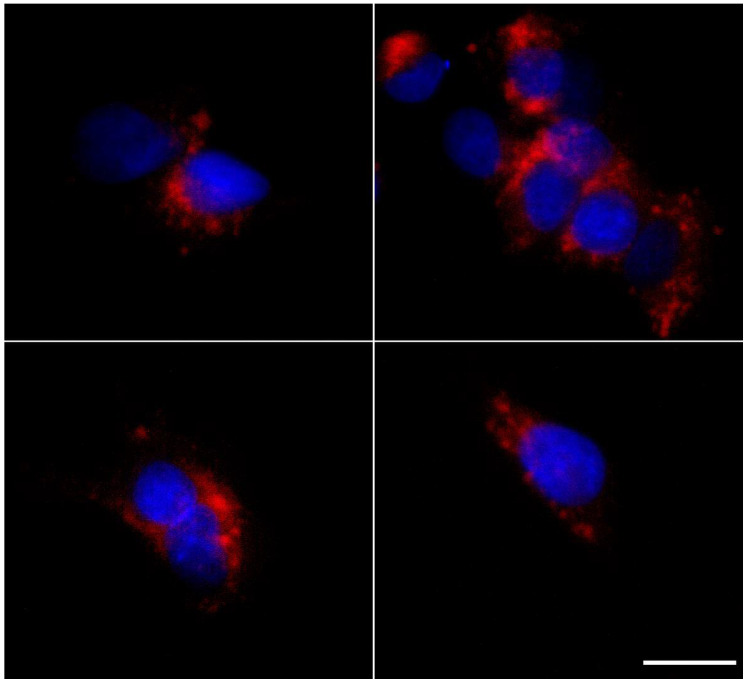
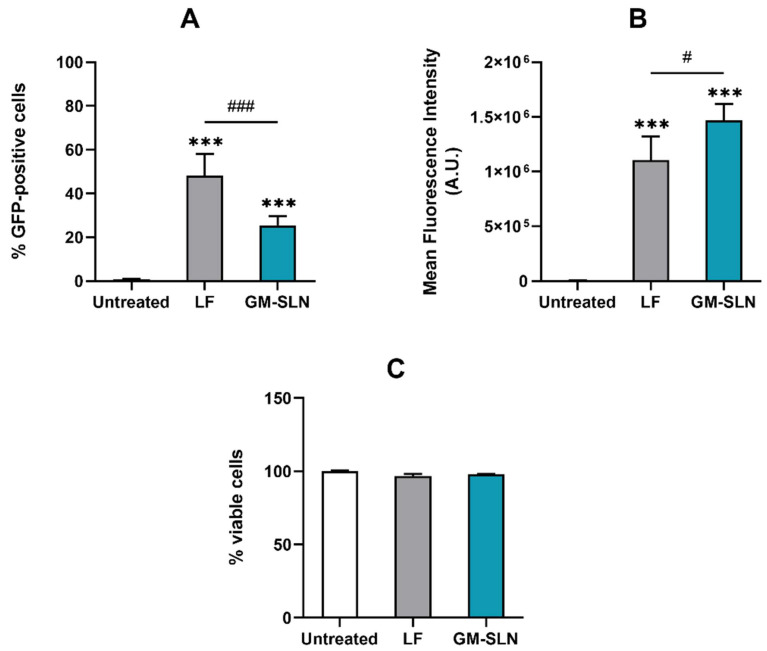
Gene supplementation therapy with plasmid DNA (pDNA) represents one of the most promising strategies for the treatment of monogenic diseases such as Fabry disease (FD). In the present work, we developed a solid lipid nanoparticles (SLN)-based non-viral vector with a size below 100 nm, and decorated with galactomannan (GM) to target the liver as an α-Galactosidase A (α-Gal A) production factory. After the physicochemical characterization of the GM-SLN vector, cellular uptake, transfection efficacy and capacity to increase α-Gal A activity were evaluated in vitro in a liver cell line (Hep G2) and in vivo in an animal model of FD. The vector showed efficient internalization and it was highly efficient in promoting protein synthesis in Hep G2 cells. Additionally, the vector did not show relevant agglutination of erythrocytes and lacked hemolytic activity. After the systemic administration to Fabry mice, it achieved clinically relevant α-Gal A activity levels in plasma, liver, and other organs, importantly in heart and kidneys, two of the most damaged organs in FD. This work shows the potential application of GM-decorated lipidic nanocarries for the treatment of FD by pDNA-based gene augmentation.
用质粒DNA(pDNA)进行基因补充治疗是治疗诸如法布里病(FD)等单基因疾病最有前景的策略之一。在本研究中,我们开发了一种基于固体脂质纳米颗粒(SLN)的非病毒载体,其尺寸小于100 nm,并修饰有半乳甘露聚糖(GM)以靶向肝脏作为α-半乳糖苷酶A(α-Gal A)的生产工厂。在对GM-SLN载体进行物理化学表征后,在体外肝细胞系(Hep G2)和FD动物模型体内评估了细胞摄取、转染效率以及提高α-Gal A活性的能力。该载体显示出高效内化,并且在促进Hep G2细胞中的蛋白质合成方面非常有效。此外,该载体未显示出相关的红细胞凝集,并且缺乏溶血活性。在对法布里小鼠进行全身给药后,它在血浆、肝脏和其他器官,尤其是在心脏和肾脏(FD中两个受损最严重的器官)中达到了临床相关的α-Gal A活性水平。这项工作展示了GM修饰的脂质纳米载体通过基于pDNA的基因增强治疗FD的潜在应用。