Ekere Itohowo, Johnston Brian, Tchuenbou-Magaia Fideline, Townrow David, Wojciechowski Szymon, Marek Adam, Zawadiak Jan, Duale Khadar, Zieba Magdalena, Sikorska Wanda, Adamus Grazyna, Goslar Tomasz, Kowalczuk Marek, Radecka Iza
School of Science, Faculty of Science and Engineering, University of Wolverhampton, Wolverhampton WV1 1LY, UK.
Science in Industry Research Centre (SIRC), SciTech Innovation Hub, Wolverhampton Science Park, Glaisher Drive, Wolverhampton WV10 9RU, UK.
Polymers (Basel). 2022 Jul 12;14(14):2840. doi: 10.3390/polym14142840.
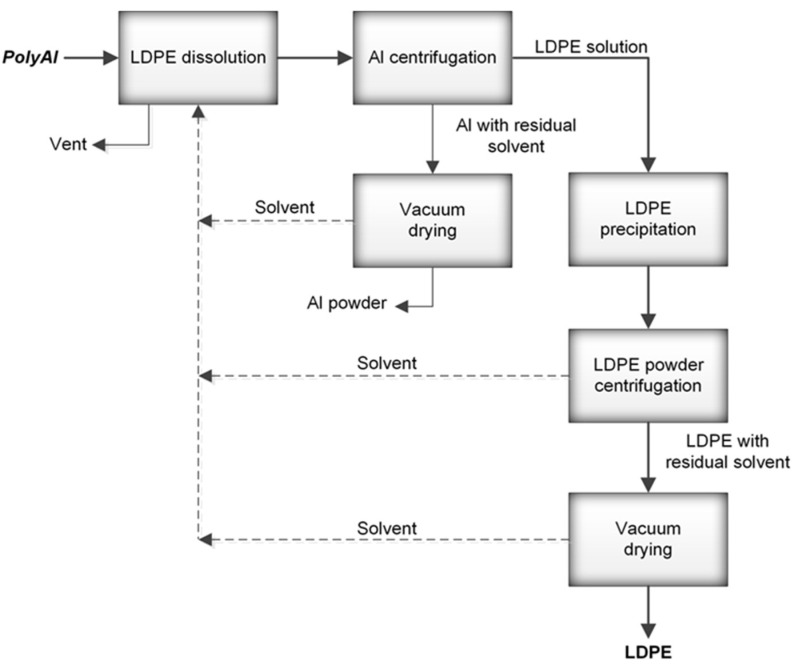
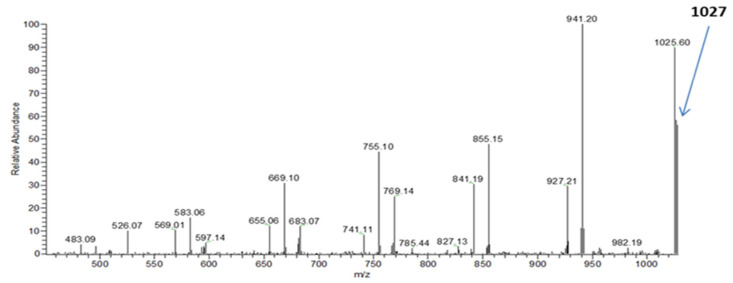
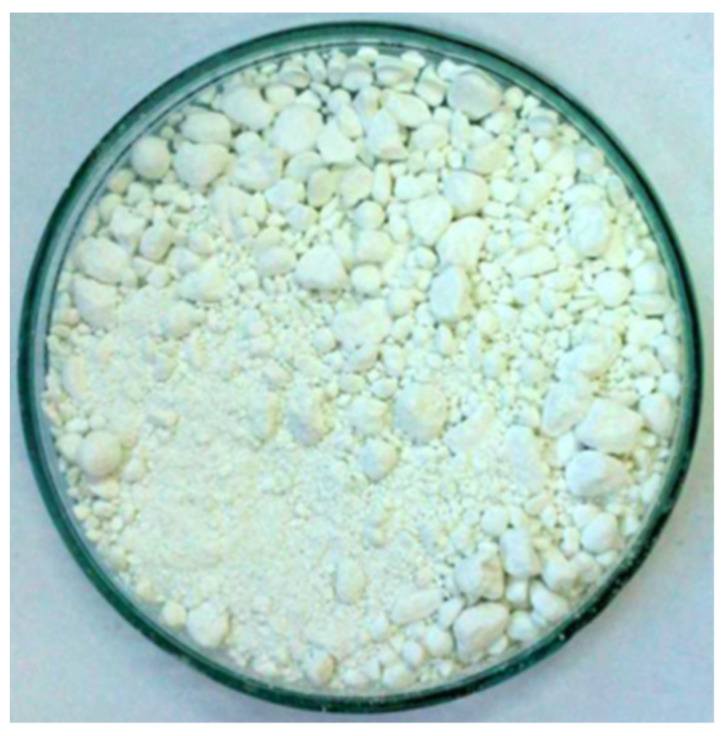
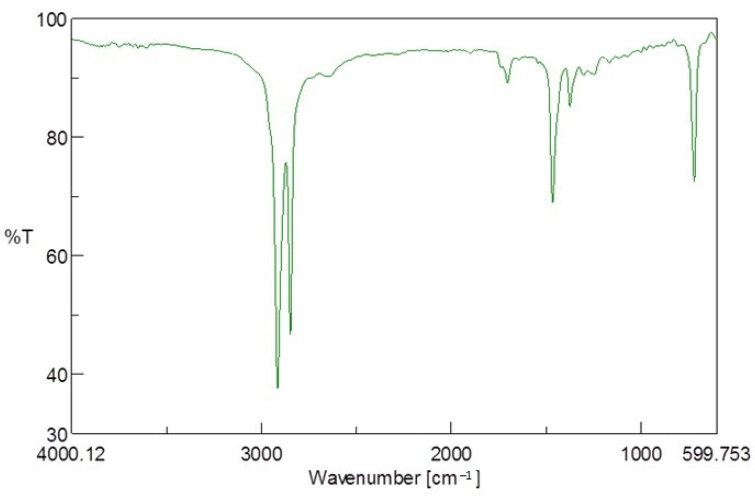
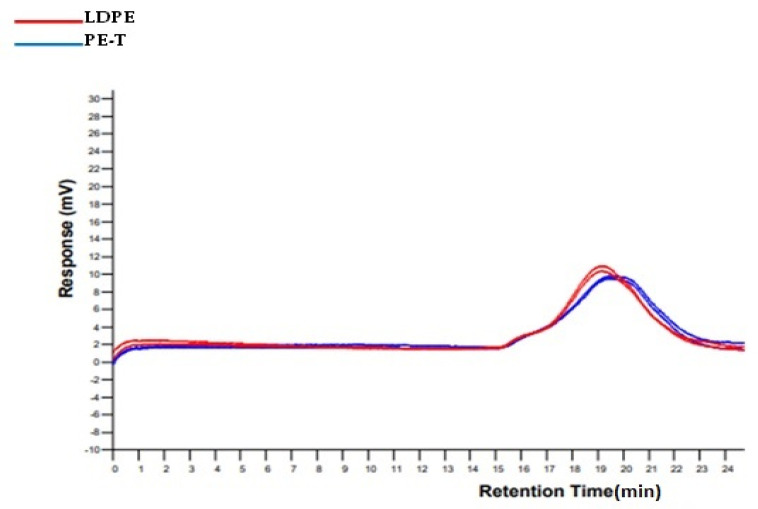
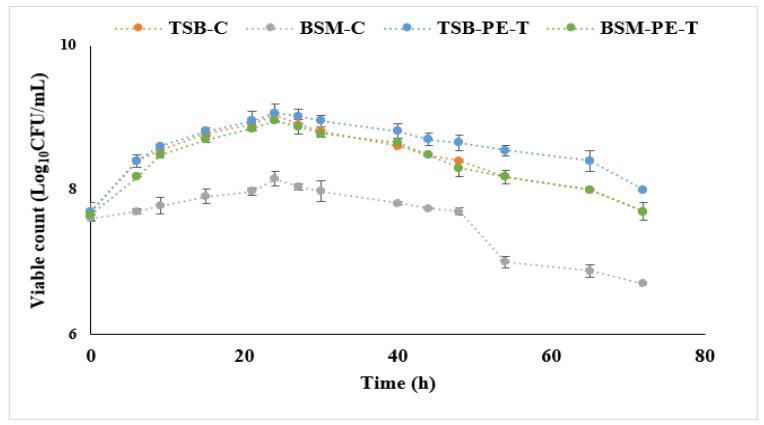
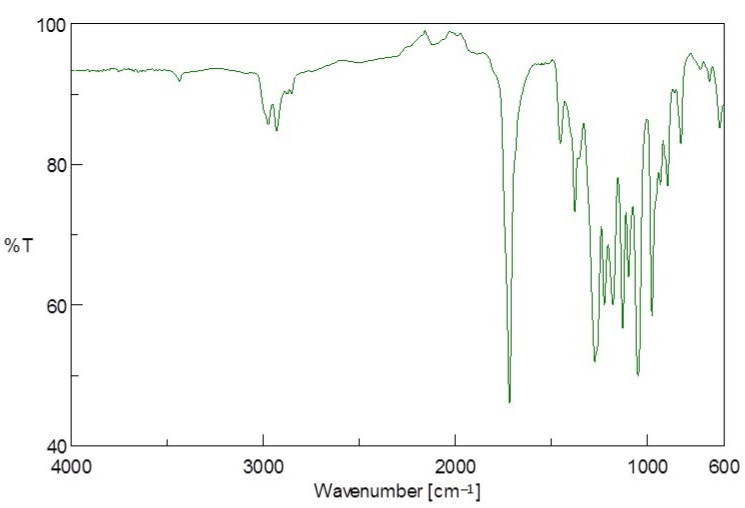
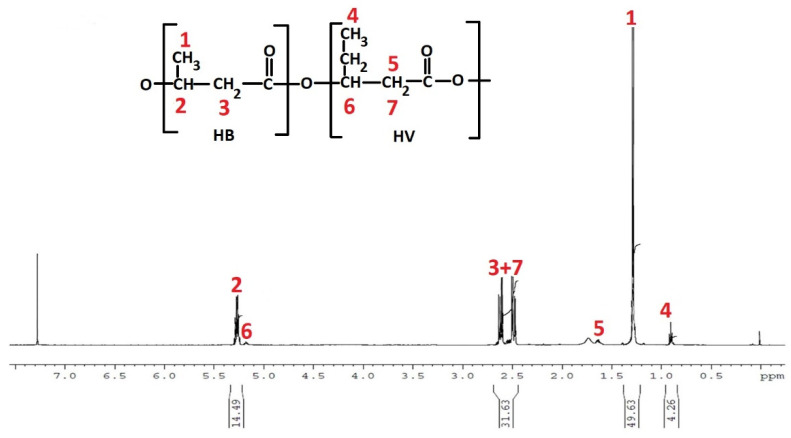
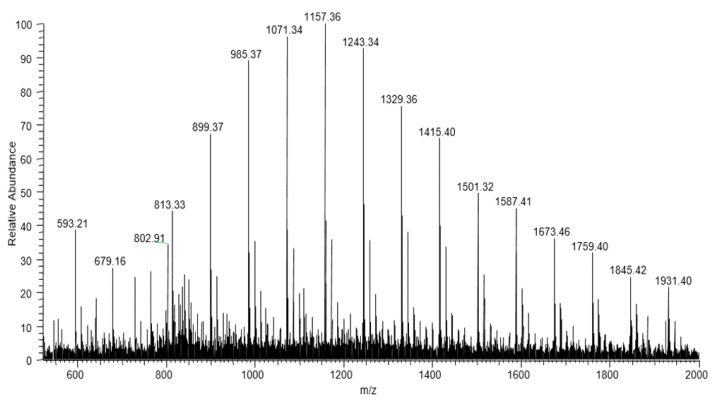
Presented herein are the results of a novel recycling method for waste Tetra Pak packaging materials. The polyethylene (PE-T) component of this packaging material, obtained via a separation process using a "solvents method", was used as a carbon source for the biosynthesis of polyhydroxyalkanoates (PHAs) by the bacterial strain H16. Bacteria were grown for 48-72 h, at 30 °C, in TSB (nitrogen-rich) or BSM (nitrogen-limited) media supplemented with PE-T. Growth was monitored by viable counting. It was demonstrated that utilised PE-T in both growth media, but was only able to accumulate 40% PHA in TSB supplemented with PE-T. Only 1.5% PHA was accumulated in the TSB control, and no PHA was detected in the BSM control. Extracted biopolymers were characterised by nuclear magnetic resonance (NMR), Fourier-transform infrared (FTIR) spectroscopy, electrospray tandem mass spectrometry (ESI-MS/MS), gel permeation chromatography (GPC), and accelerator mass spectrometry (AMS). The characterisation of PHA by ESI-MS/MS revealed that PHA produced by in TSB supplemented with PE-T contained 3-hydroxybutyrate, 3-hydroxyvalerate, and 3-hydroxyhexanoate co-monomeric units. AMS analysis also confirmed the presence of 96.73% modern carbon and 3.27% old carbon in PHA derived from Tetra Pak. Thus, this study demonstrates the feasibility of our proposed recycling method for waste Tetra Pak packaging materials, alongside its potential for producing value-added PHA, and the ability of 14C analysis in validating this bioconversion process.
本文展示了一种针对废弃利乐包装材料的新型回收方法的结果。通过“溶剂法”分离过程获得的这种包装材料的聚乙烯(PE-T)成分,被用作细菌菌株H16生物合成聚羟基脂肪酸酯(PHA)的碳源。细菌在30°C下于补充有PE-T的TSB(富氮)或BSM(氮限制)培养基中培养48 - 72小时。通过活菌计数监测生长情况。结果表明,在两种生长培养基中均利用了PE-T,但在补充有PE-T的TSB中仅能积累40%的PHA。在TSB对照中仅积累了1.5%的PHA,而在BSM对照中未检测到PHA。提取的生物聚合物通过核磁共振(NMR)、傅里叶变换红外(FTIR)光谱、电喷雾串联质谱(ESI-MS/MS)、凝胶渗透色谱(GPC)和加速器质谱(AMS)进行表征。通过ESI-MS/MS对PHA的表征表明,在补充有PE-T的TSB中由该菌株产生的PHA含有3-羟基丁酸、3-羟基戊酸和3-羟基己酸共聚单体单元。AMS分析还证实,源自利乐包装的PHA中存在96.73%的现代碳和3.27%的古老碳。因此,本研究证明了我们提出的废弃利乐包装材料回收方法的可行性,以及其生产增值PHA的潜力,以及14C分析在验证这种生物转化过程中的能力。