Johnston Brian, Jiang Guozhan, Hill David, Adamus Grazyna, Kwiecień Iwona, Zięba Magdalena, Sikorska Wanda, Green Matthew, Kowalczuk Marek, Radecka Iza
Wolverhampton School of Biology, Chemistry and Forensic Science, Faculty of Science and Engineering, University of Wolverhampton, Wolverhampton WV1 1LY, UK.
Centre of Polymer and Carbon Materials, Polish Academy of Sciences, 41-800 Zabrze, Poland.
Bioengineering (Basel). 2017 Aug 28;4(3):73. doi: 10.3390/bioengineering4030073.
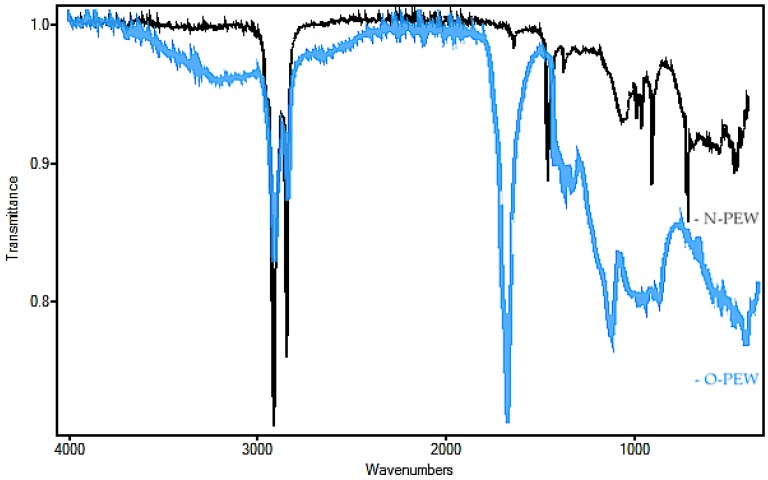
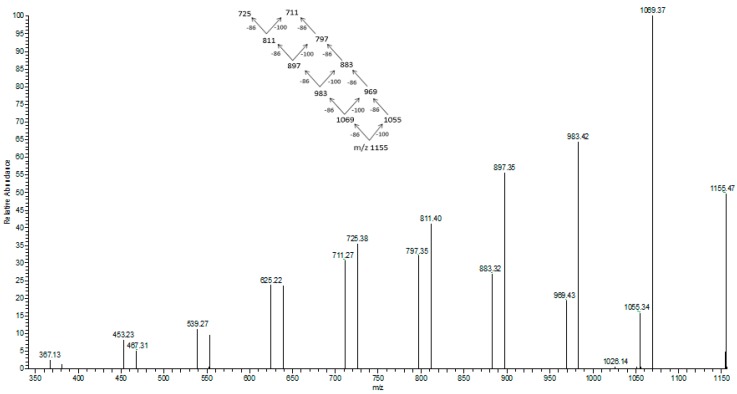
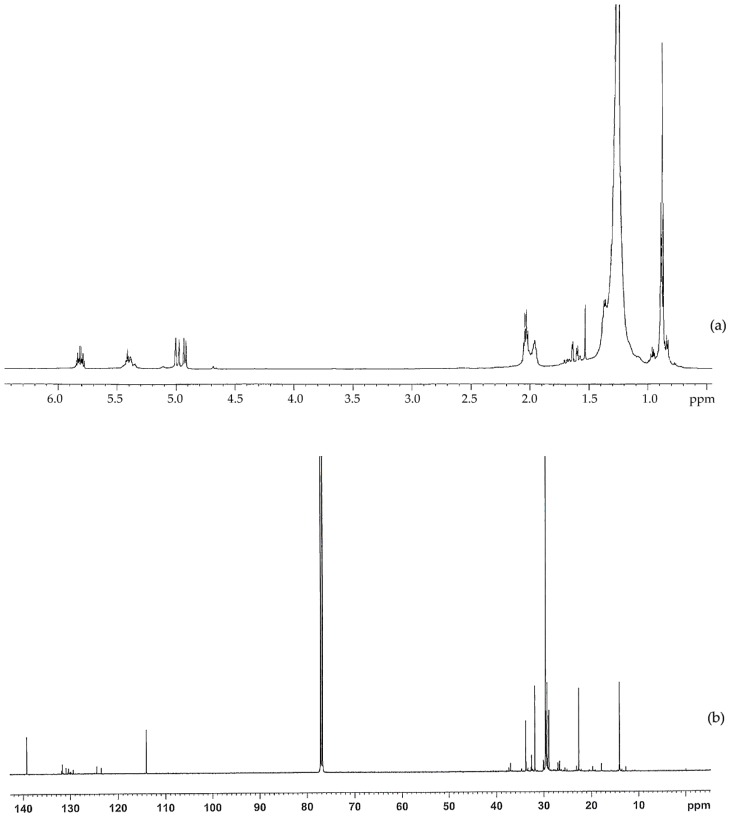
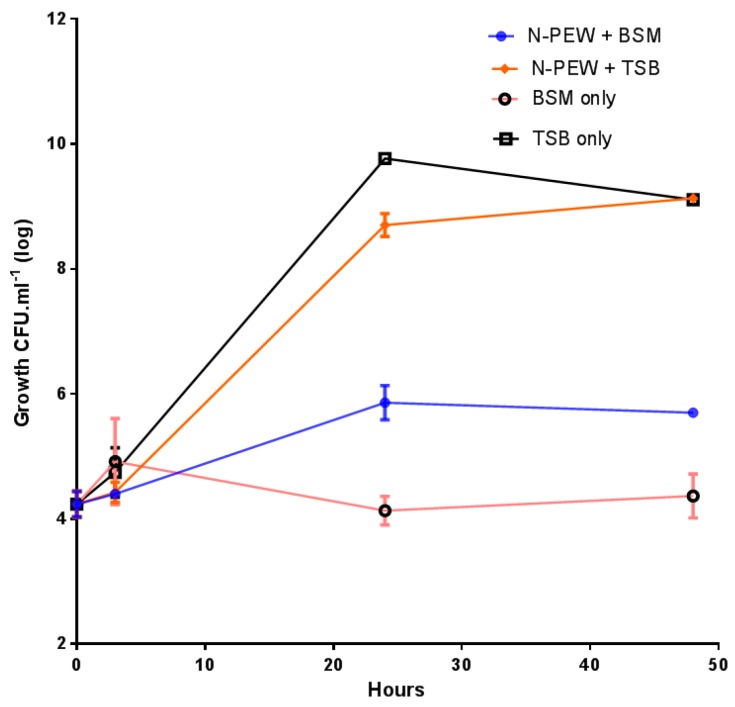
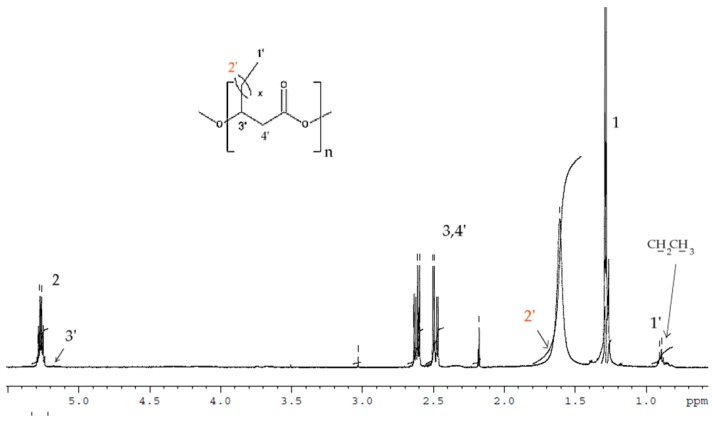
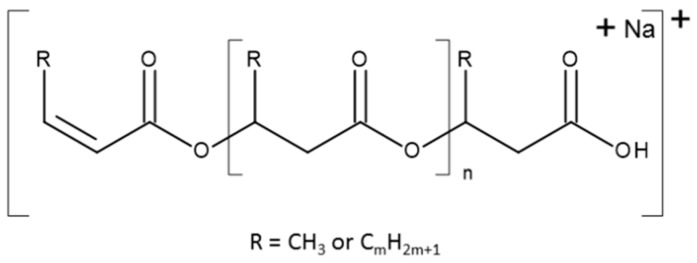
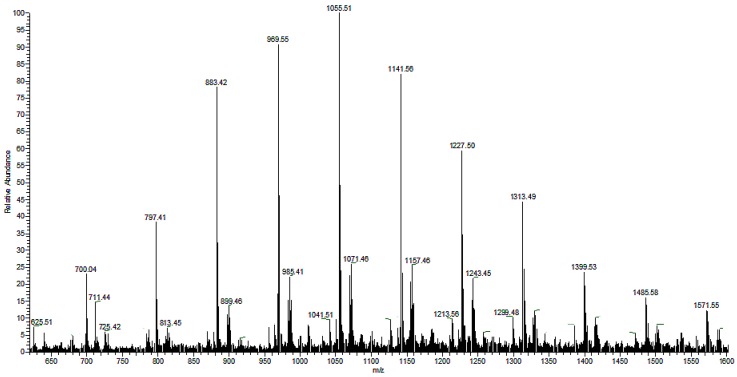
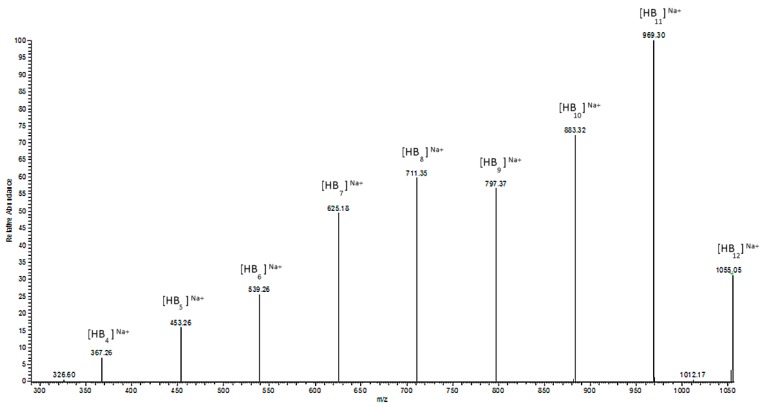
There is an increasing demand for bio-based polymers that are developed from recycled materials. The production of biodegradable polymers can include bio-technological (utilizing microorganisms or enzymes) or chemical synthesis procedures. This report demonstrates the corroboration of the molecular structure of polyhydroxyalkanoates (PHAs) obtained by the conversion of waste polyethylene (PE) via non-oxygenated PE wax (N-PEW) as an additional carbon source for a bacterial species. The N-PEW, obtained from a PE pyrolysis reaction, has been found to be a beneficial carbon source for PHA production with H16. The production of the N-PEW is an alternative to oxidized polyethylene wax (O-PEW) (that has been used as a carbon source previously) as it is less time consuming to manufacture and offers fewer industrial applications. A range of molecular structural analytical techniques were performed on the PHAs obtained; which included nuclear magnetic resonance (NMR) and electrospray ionisation tandem mass spectrometry (ESI-MS/MS). Our study showed that the PHA formed from N-PEW contained 3-hydroxybutyrate (HB) with 11 mol% of 3-hydroxyvalerate (HV) units.
对由回收材料制成的生物基聚合物的需求日益增长。可生物降解聚合物的生产可包括生物技术方法(利用微生物或酶)或化学合成程序。本报告证实了通过将废弃聚乙烯(PE)转化为无氧PE蜡(N-PEW)作为细菌物种的额外碳源而获得的聚羟基脂肪酸酯(PHA)的分子结构。从PE热解反应中获得的N-PEW已被发现是用于生产PHA的有益碳源,与H16一起使用。N-PEW的生产是氧化聚乙烯蜡(O-PEW)(以前用作碳源)的替代方法,因为它制造耗时较少且工业应用较少。对获得的PHA进行了一系列分子结构分析技术;其中包括核磁共振(NMR)和电喷雾电离串联质谱(ESI-MS/MS)。我们的研究表明,由N-PEW形成的PHA含有3-羟基丁酸酯(HB)和11摩尔%的3-羟基戊酸酯(HV)单元。