Department of Biological Sciences, College of Arts, Sciences and Education, Florida International University, 11200 SW 8th St, Miami, FL 33199, USA.
Bioinformatics Research Group (BioRG), Knight Foundation School of Computing and Information Sciences, Florida International University, 11200 SW 8th St, Miami, FL 33199, USA.
Viruses. 2022 Jun 28;14(7):1415. doi: 10.3390/v14071415.
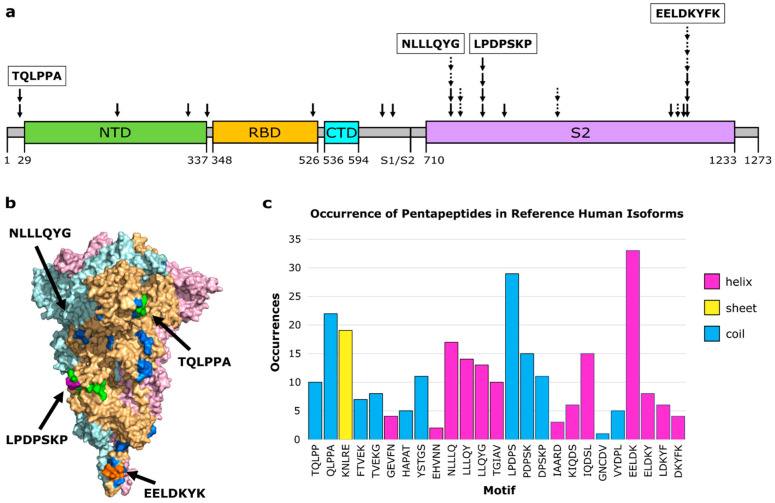
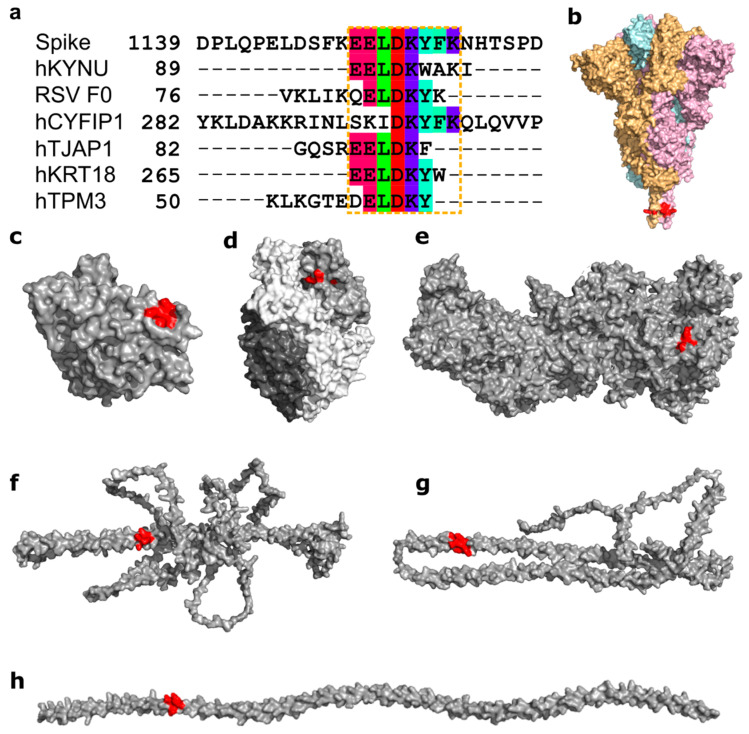
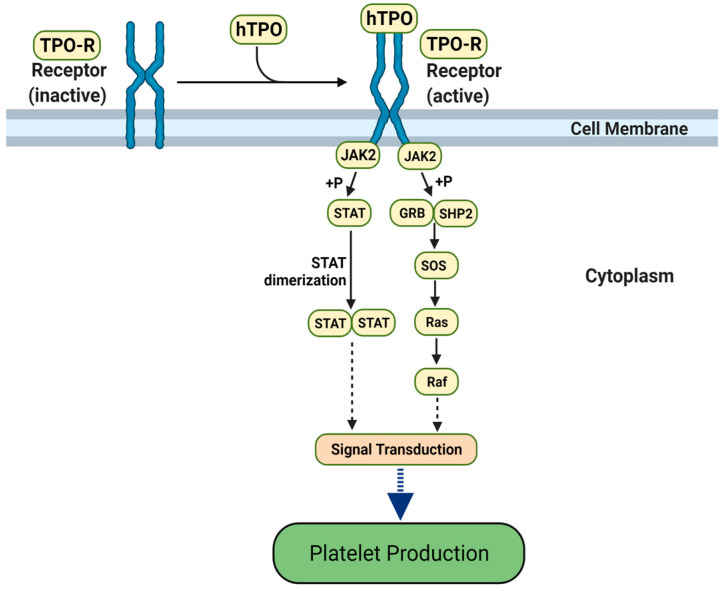
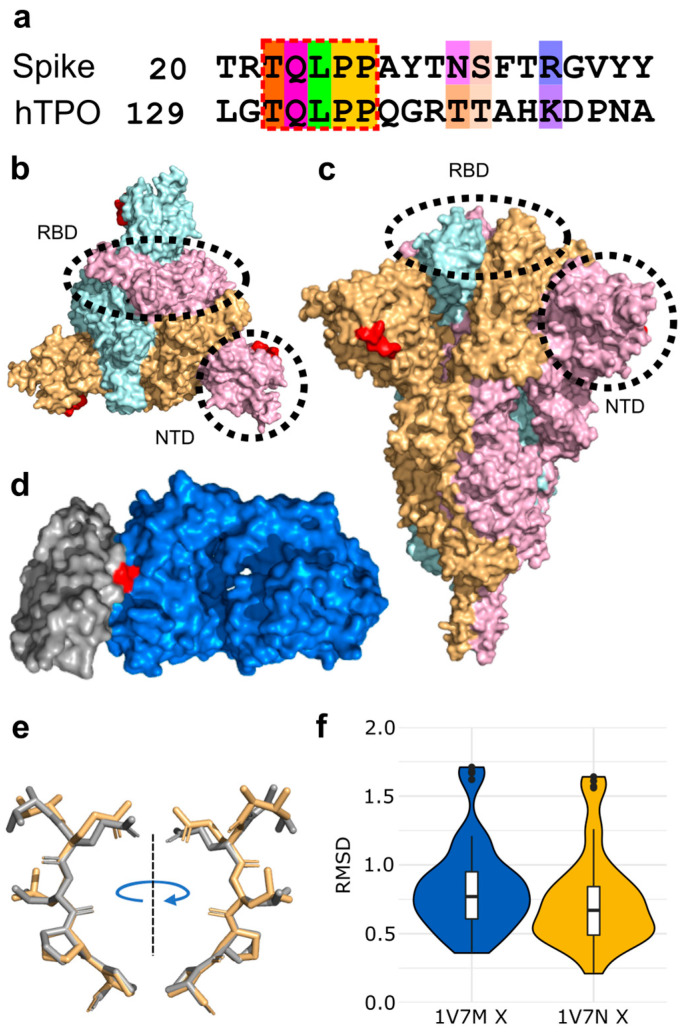
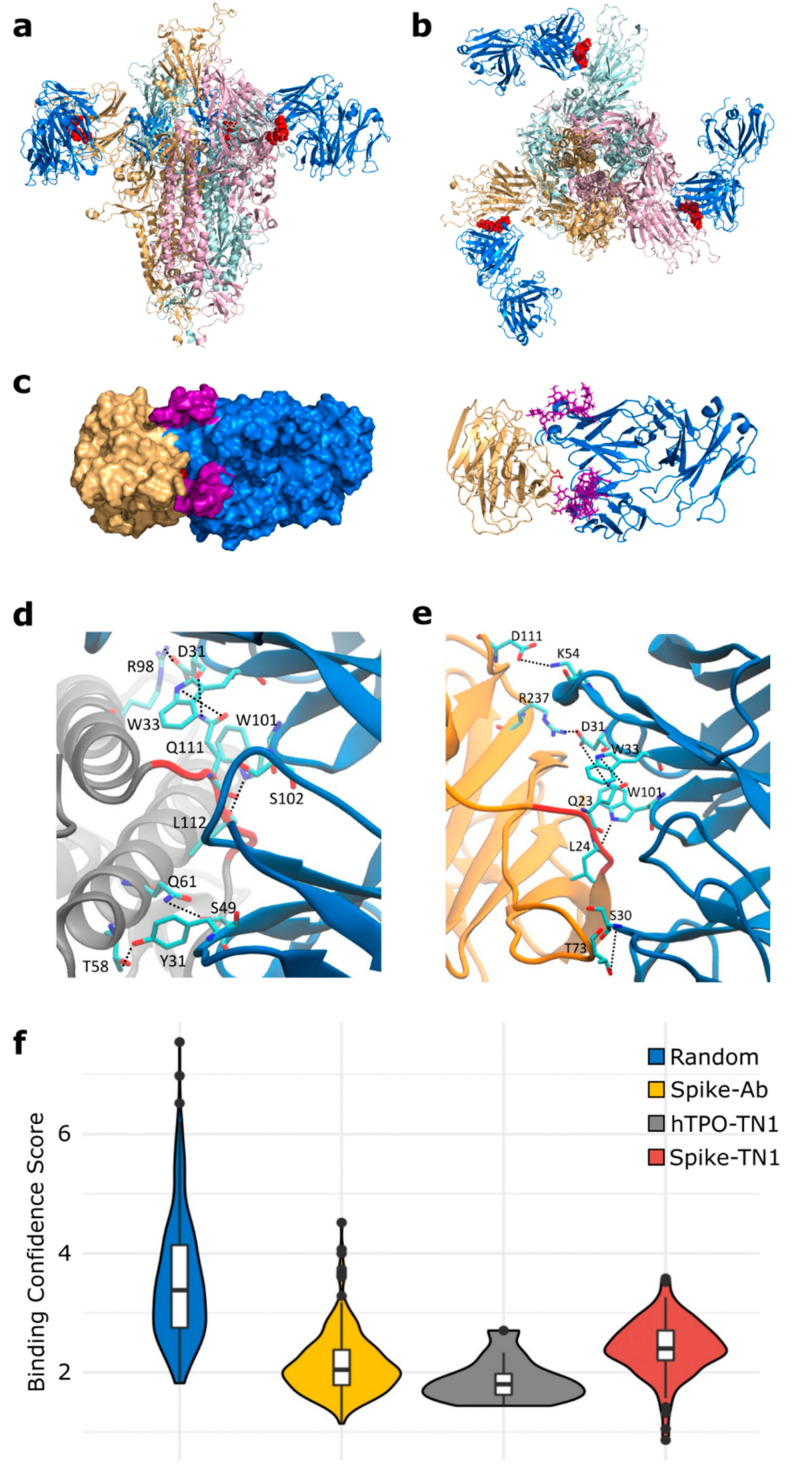
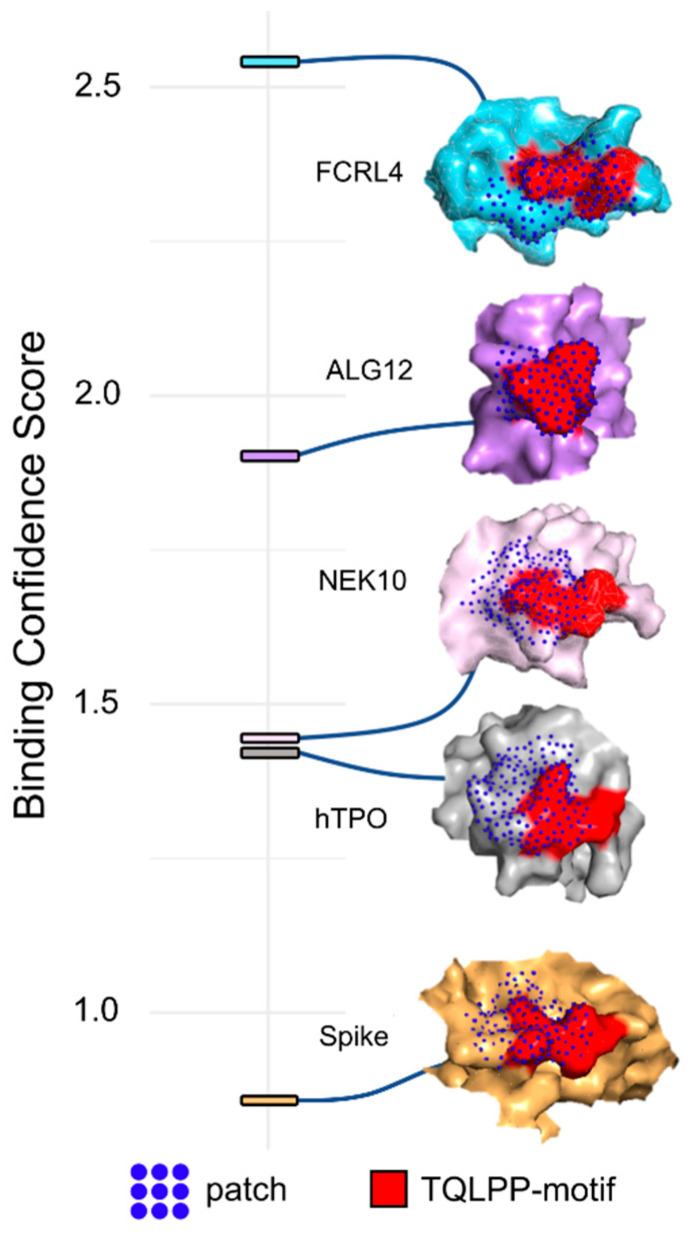
Molecular mimicry between viral antigens and host proteins can produce cross-reacting antibodies leading to autoimmunity. The coronavirus SARS-CoV-2 causes COVID-19, a disease curiously resulting in varied symptoms and outcomes, ranging from asymptomatic to fatal. Autoimmunity due to cross-reacting antibodies resulting from molecular mimicry between viral antigens and host proteins may provide an explanation. Thus, we computationally investigated molecular mimicry between SARS-CoV-2 Spike and known epitopes. We discovered molecular mimicry hotspots in Spike and highlight two examples with tentative high autoimmune potential and implications for understanding COVID-19 complications. We show that a TQLPP motif in Spike and thrombopoietin shares similar antibody binding properties. Antibodies cross-reacting with thrombopoietin may induce thrombocytopenia, a condition observed in COVID-19 patients. Another motif, ELDKY, is shared in multiple human proteins, such as PRKG1 involved in platelet activation and calcium regulation, and tropomyosin, which is linked to cardiac disease. Antibodies cross-reacting with PRKG1 and tropomyosin may cause known COVID-19 complications such as blood-clotting disorders and cardiac disease, respectively. Our findings illuminate COVID-19 pathogenesis and highlight the importance of considering autoimmune potential when developing therapeutic interventions to reduce adverse reactions.
病毒抗原与宿主蛋白之间的分子模拟可产生交叉反应抗体,导致自身免疫。冠状病毒 SARS-CoV-2 引起 COVID-19,这种疾病奇怪地导致各种症状和结果,从无症状到致命。由于病毒抗原与宿主蛋白之间的分子模拟产生的交叉反应抗体引起的自身免疫可能提供了一种解释。因此,我们通过计算方法研究了 SARS-CoV-2 刺突蛋白与已知表位之间的分子模拟。我们在 Spike 中发现了分子模拟热点,并强调了两个具有暂定高自身免疫潜力的例子,这对理解 COVID-19 并发症具有重要意义。我们表明 Spike 中的 TQLPP 基序与血小板生成素具有相似的抗体结合特性。与血小板生成素发生交叉反应的抗体可能会引起血小板减少症,这是 COVID-19 患者中观察到的一种病症。另一个基序 ELDKY 在多种人类蛋白中共享,如参与血小板激活和钙调节的 PRKG1,以及与心脏病有关的原肌球蛋白。与 PRKG1 和原肌球蛋白发生交叉反应的抗体可能分别导致已知的 COVID-19 并发症,如血栓形成障碍和心脏病。我们的研究结果阐明了 COVID-19 的发病机制,并强调了在开发治疗干预措施以减少不良反应时,考虑自身免疫潜力的重要性。