Fondazione Ri.MED, 90133 Palermo, Italy.
Department of Research, IRCCS-ISMETT, Istituto Mediterraneo per i Trapianti e Terapie Ad Alta Specializzazione, 90127 Palermo, Italy.
Viruses. 2022 Jul 14;14(7):1538. doi: 10.3390/v14071538.
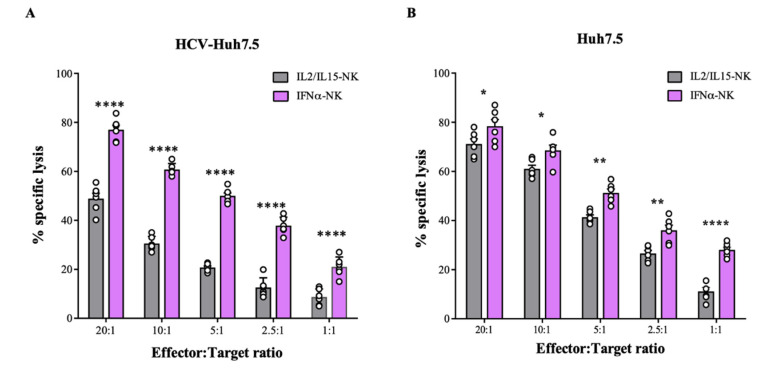
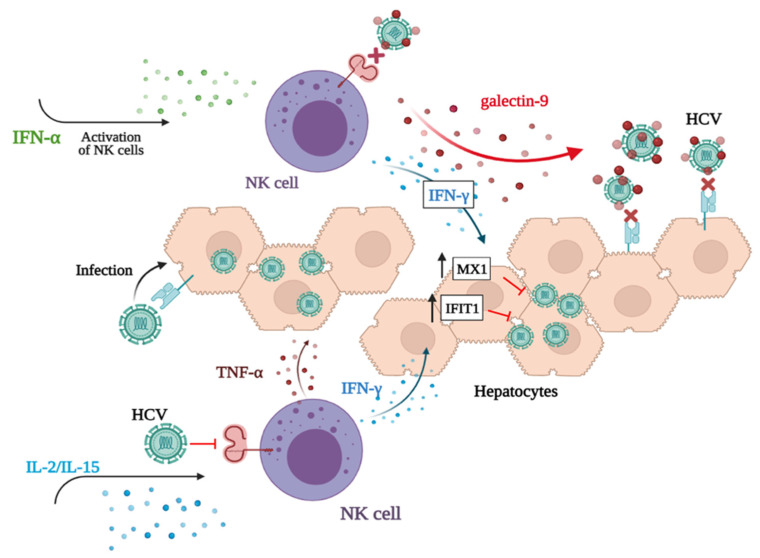
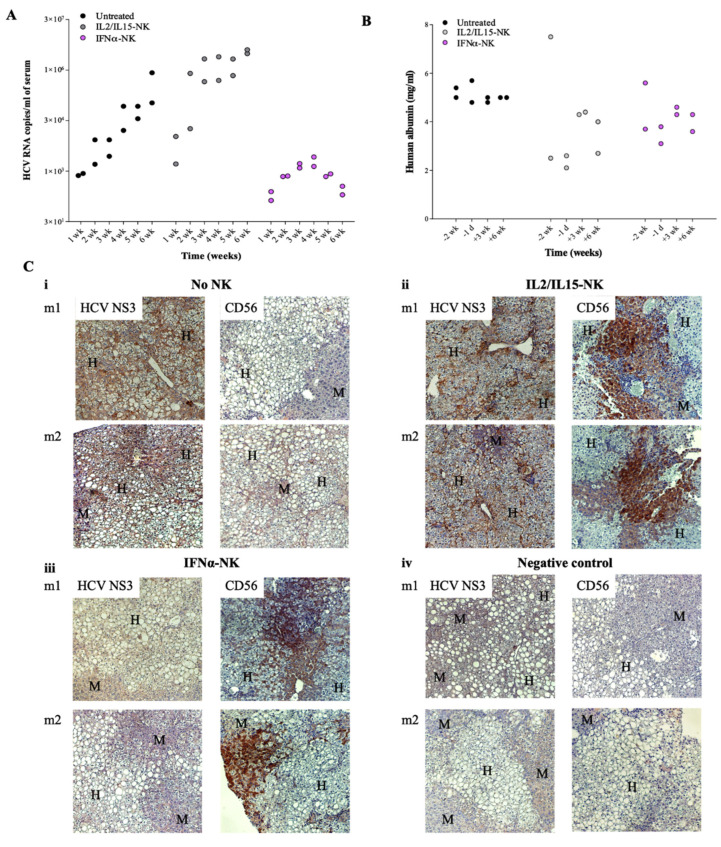
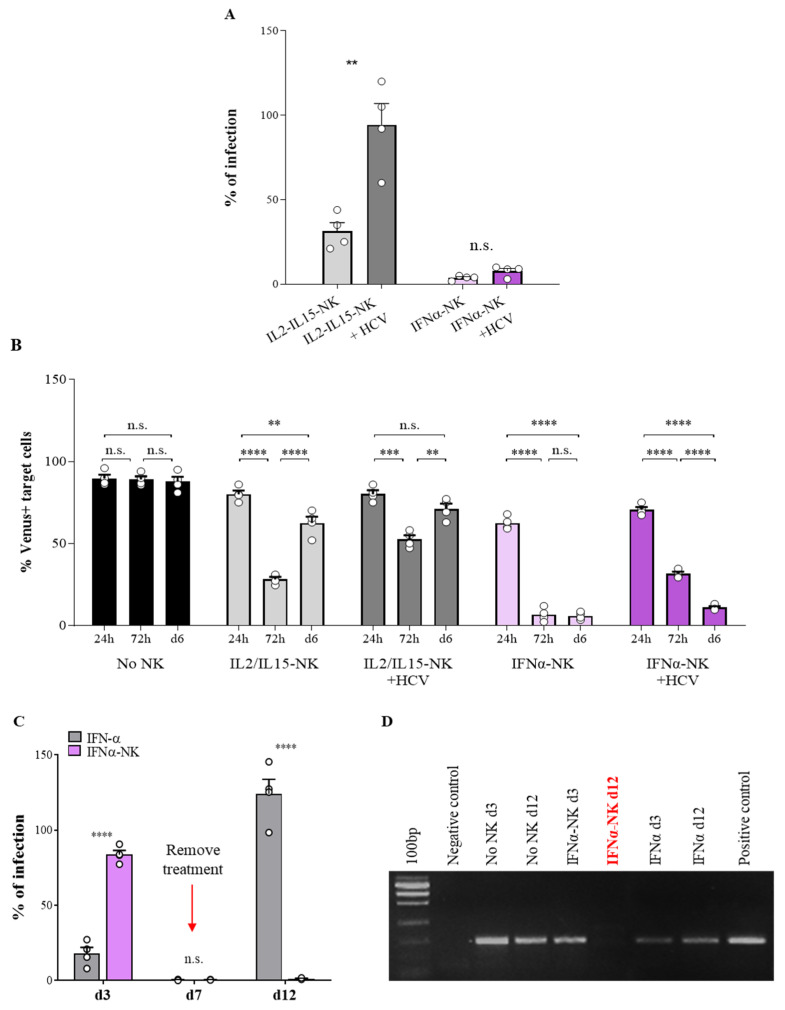
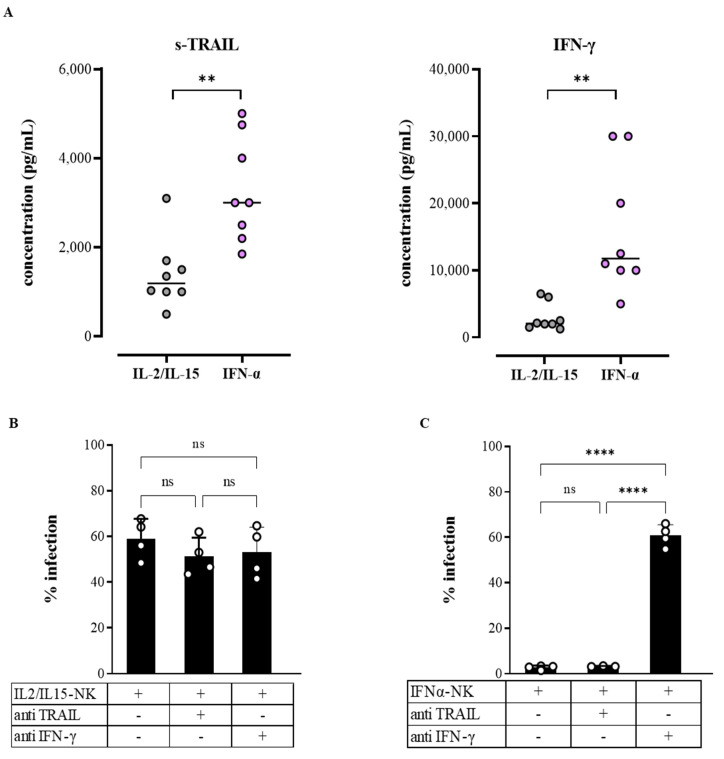
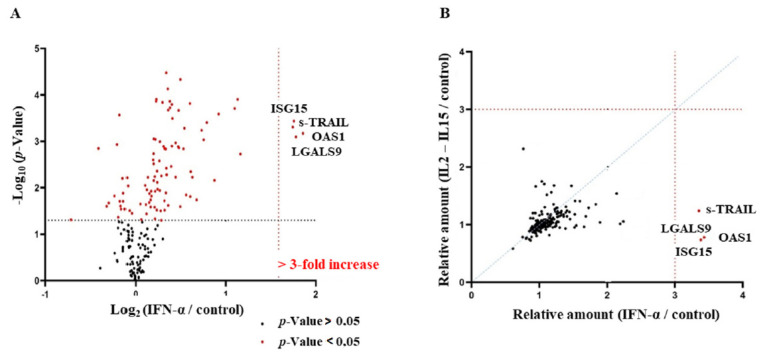
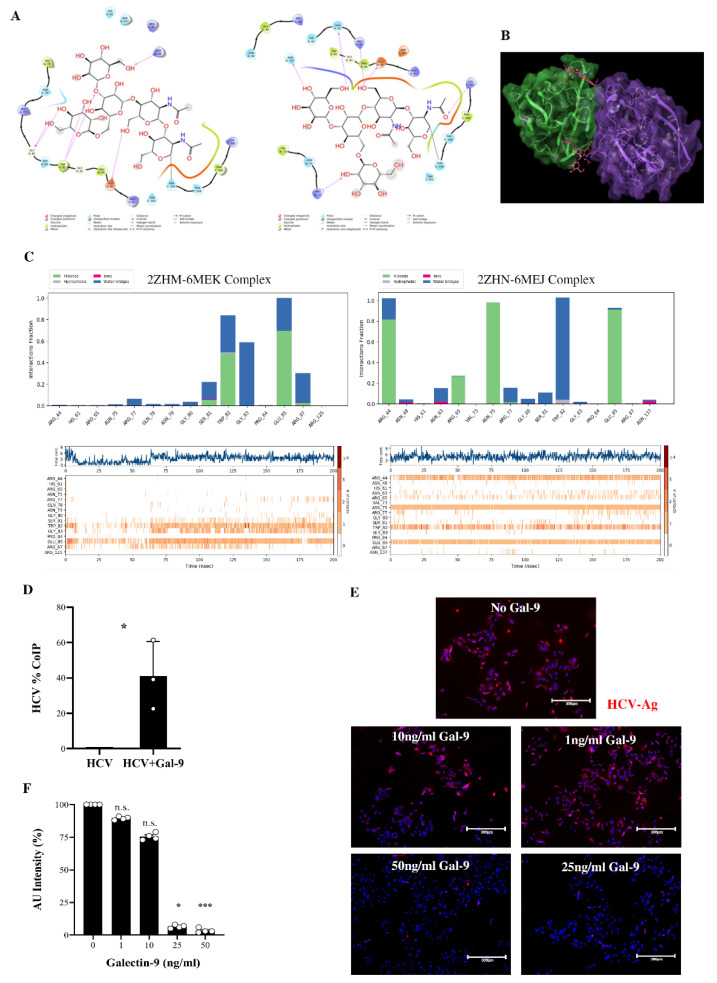
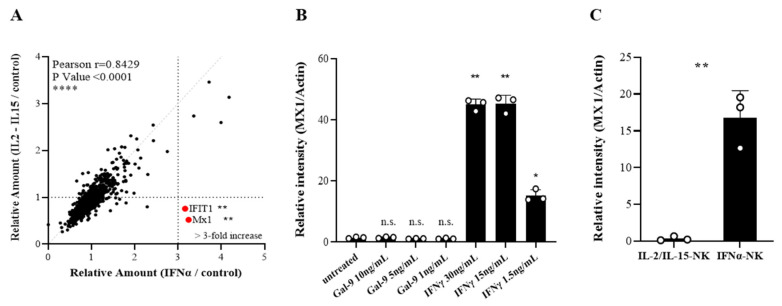
Natural killer (NK) cells mount an immune response against hepatitis C virus (HCV) infection and can be activated by several cytokines, including interleukin-2 (IL-2), IL-15, and interferon-alpha (IFN-α). By exploiting the Huh7.5 hepatoma cell line infected with the HCV JFH1 genome, we provide novel insights into the antiviral effector functions of human primary NK cells after cytokine stimulation. NK cells activated with IFN-α (IFNα-NKs) had enhanced contact-dependent and -independent responses as compared with NK cells activated with IL-2/IL-15 (IL2/IL15-NKs) and could inhibit HCV replication both in vitro and in vivo. Importantly, IFN-α, but not IL-2/IL-15, protected NK cells from the functional inhibition exerted by HCV. By performing flow cytometry, multiplex cytokine profiling, and mass-spectrometry-based proteomics, we discovered that IFNα-NKs secreted high levels of galectin-9 and interferon-gamma (IFN-γ), and by conducting neutralization assays, we confirmed the major role of these molecules in HCV suppression. We speculated that galectin-9 might act extracellularly to inhibit HCV binding to host cells and downstream infection. In silico approaches predicted the binding of HCV envelope protein E2 to galectin-9 carbohydrate-recognition domains, and co-immunoprecipitation assays confirmed physical interaction. IFN-γ, on the other hand, triggered the intracellular expressions of two antiviral gate-keepers in target cells, namely, myxovirus-1 (MX1) and interferon-induced protein with tetratricopeptide repeats 1 (IFIT1). Collectively, our data add more complexity to the antiviral innate response mediated by NK cells and highlight galectin-9 as a key molecule that might be exploited to neutralize productive viral infection.
自然杀伤 (NK) 细胞对丙型肝炎病毒 (HCV) 感染发起免疫反应,可被多种细胞因子激活,包括白细胞介素-2 (IL-2)、白细胞介素-15 (IL-15) 和干扰素-α (IFN-α)。通过利用感染 HCV JFH1 基因组的 Huh7.5 肝癌细胞系,我们对细胞因子刺激后人类原代 NK 细胞的抗病毒效应功能有了新的认识。与用 IL-2/IL-15 激活的 NK 细胞 (IL2/IL15-NKs) 相比,用 IFN-α 激活的 NK 细胞 (IFNα-NKs) 具有增强的接触依赖性和非接触依赖性反应,并且能够在体外和体内抑制 HCV 复制。重要的是,IFN-α而不是 IL-2/IL-15 可以保护 NK 细胞免受 HCV 施加的功能抑制。通过进行流式细胞术、多重细胞因子分析和基于质谱的蛋白质组学分析,我们发现 IFNα-NKs 分泌高水平的半乳糖凝集素-9 和干扰素-γ (IFN-γ),并通过进行中和实验,我们证实了这些分子在 HCV 抑制中的主要作用。我们推测半乳糖凝集素-9 可能在细胞外起作用,抑制 HCV 与宿主细胞的结合和下游感染。计算机模拟方法预测 HCV 包膜蛋白 E2 与半乳糖凝集素-9 糖识别结构域的结合,免疫共沉淀实验证实了它们之间的物理相互作用。另一方面,IFN-γ触发靶细胞内两种抗病毒“守门员”的表达,即流感病毒 1 (MX1) 和干扰素诱导的含有四肽重复的蛋白 1 (IFIT1)。总之,我们的数据为 NK 细胞介导的抗病毒先天反应增加了更多的复杂性,并强调了半乳糖凝集素-9 作为一种关键分子,可能被用于中和有效的病毒感染。