Achou Bertrand, De Donder Philippe, Glenzer Franca, Lee Minjoon, Leroux Marie-Louise
Retirement and Savings Institute, HEC Montréal, Montréal, Canada.
Toulouse School of Economics, CNRS, University of Toulouse Capitole, Toulouse, France.
J Econ Behav Organ. 2022 Sep;201:1-21. doi: 10.1016/j.jebo.2022.06.034. Epub 2022 Jul 22.
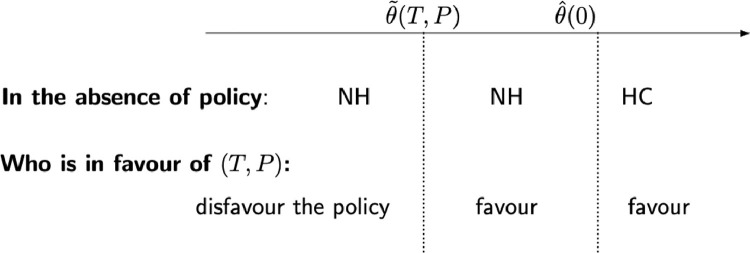
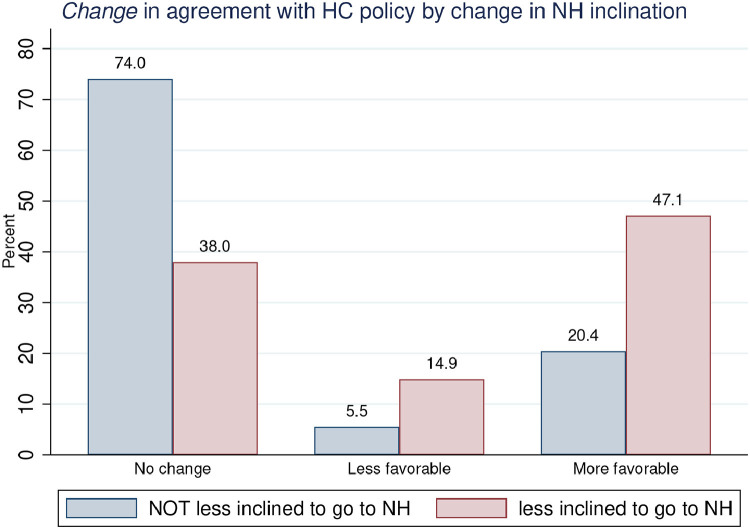
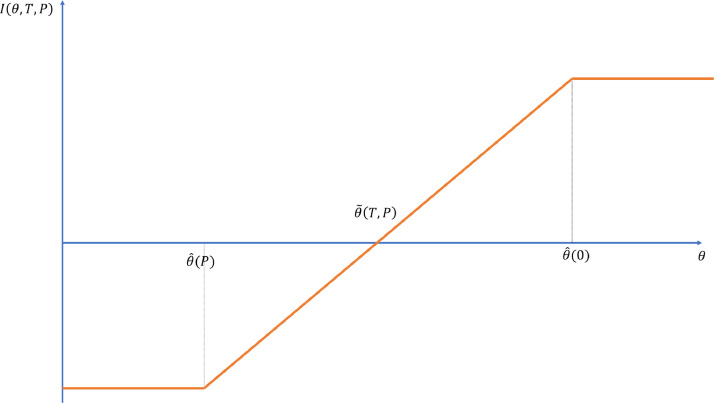
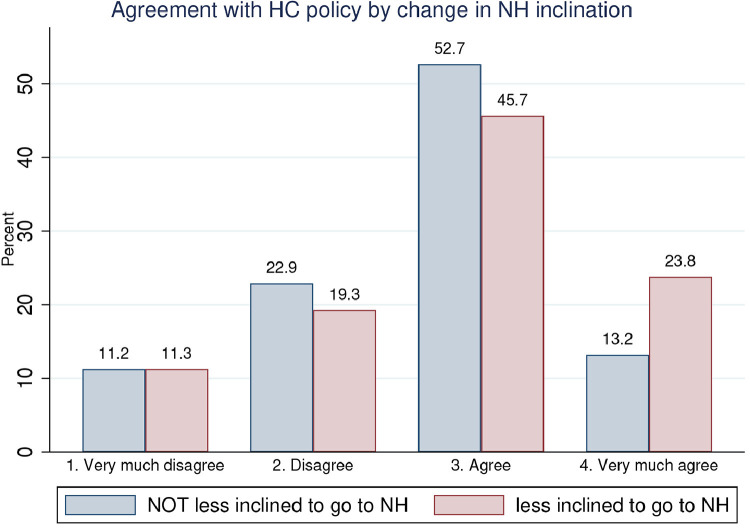
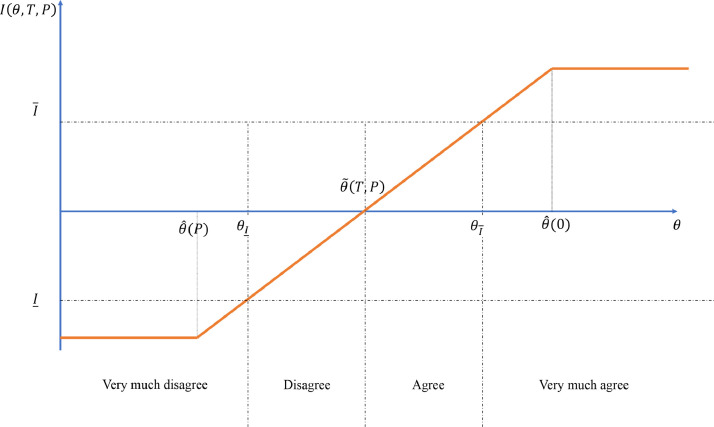
COVID-19 outbreaks at nursing homes during the recent pandemic have received ample media coverage and may have lasting negative impacts on individuals' perception of nursing homes. We argue that this could have sizable and persistent implications for savings and long-term care policies. Our theoretical model predicts that higher nursing home aversion should induce higher savings and stronger support for policies subsidizing home care. Based on a survey of Canadians aged 50 to 69, we document that higher nursing home aversion is widespread: 72% of respondents are less inclined to enter a nursing home because of the pandemic. Consistent with our model, we find that these respondents are more likely to have higher intended savings for old age because of the pandemic. We also find that they are more likely to strongly support home care subsidies.
在最近的疫情大流行期间,养老院爆发的新冠疫情受到了媒体的广泛报道,可能会对个人对养老院的看法产生持久的负面影响。我们认为,这可能会对储蓄和长期护理政策产生重大且持久的影响。我们的理论模型预测,对养老院的厌恶感越高,储蓄就应该越高,对补贴家庭护理的政策支持也会越强。基于对50至69岁加拿大人的一项调查,我们发现对养老院的厌恶感普遍较高:72%的受访者因疫情而不太愿意入住养老院。与我们的模型一致,我们发现这些受访者因疫情更有可能为老年准备更高的储蓄。我们还发现,他们更有可能强烈支持家庭护理补贴。