Scarabino Daniela, Veneziano Liana, Fiore Alessia, Nethisinghe Suran, Mantuano Elide, Garcia-Moreno Hector, Bellucci Gianmarco, Solanky Nita, Morello Maria, Zanni Ginevra, Corbo Rosa Maria, Giunti Paola
Institute of Molecular Biology and Pathology, National Research Council, 00185 Rome, Italy.
Institute of Translational Pharmacology, National Research Council, 00133 Rome, Italy.
Antioxidants (Basel). 2022 Jul 24;11(8):1436. doi: 10.3390/antiox11081436.
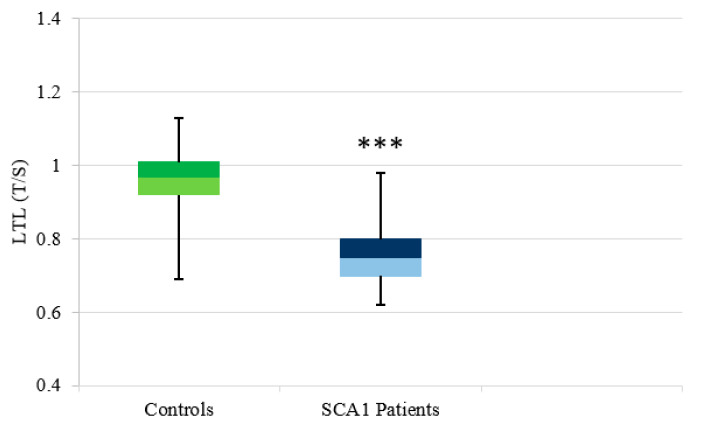
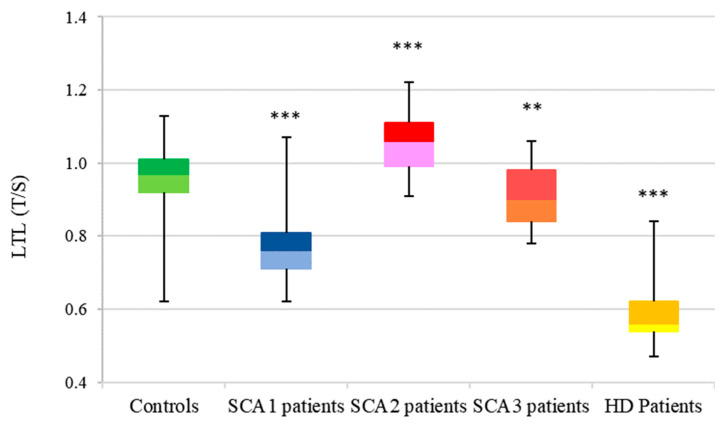
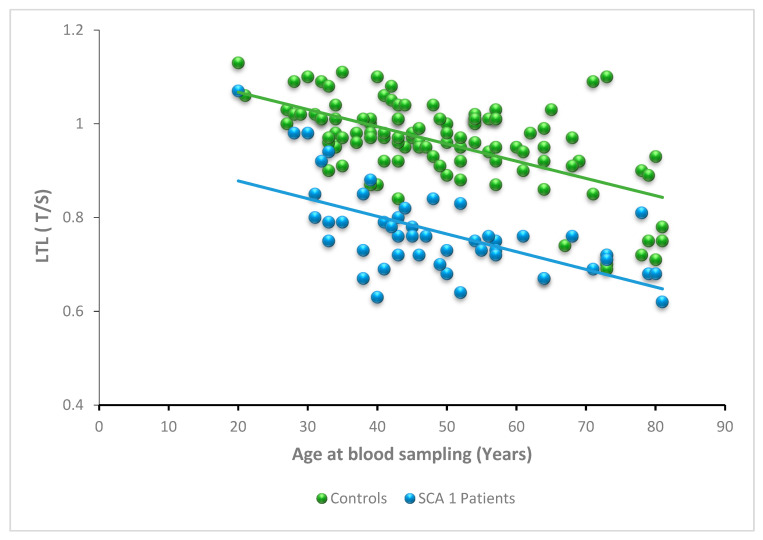
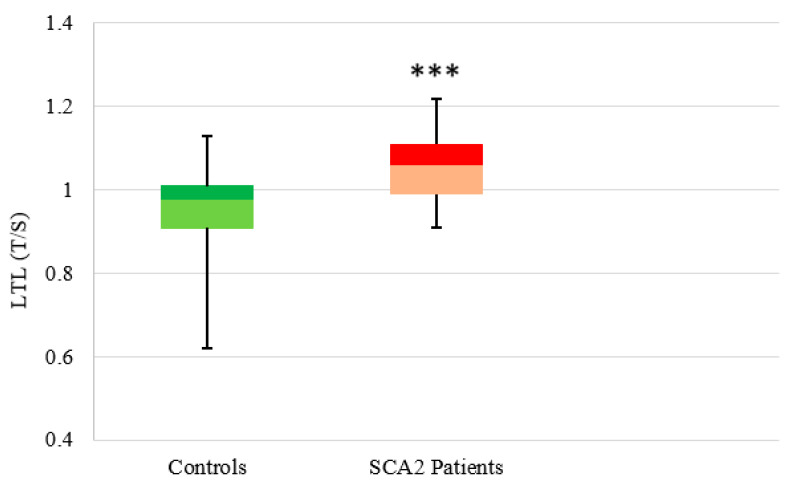
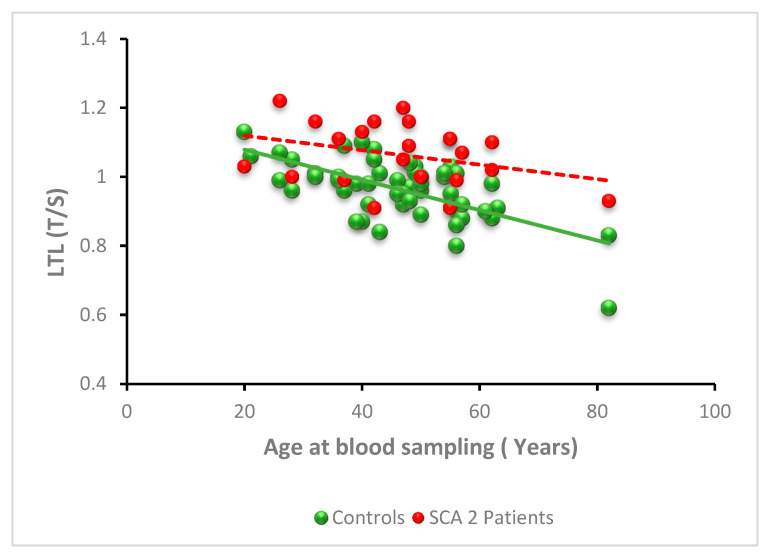
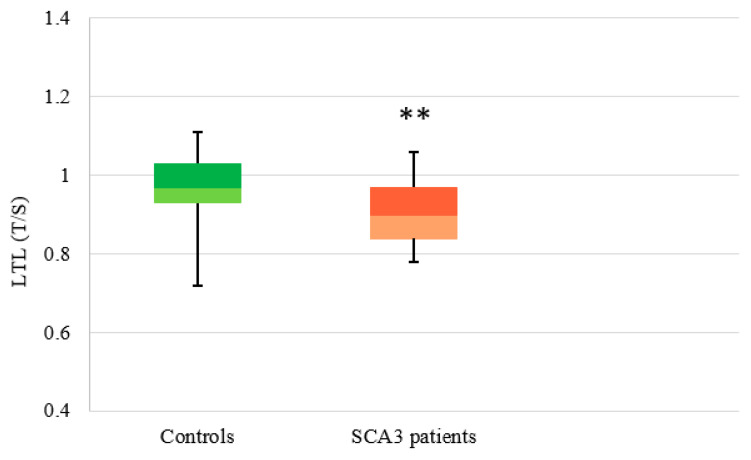
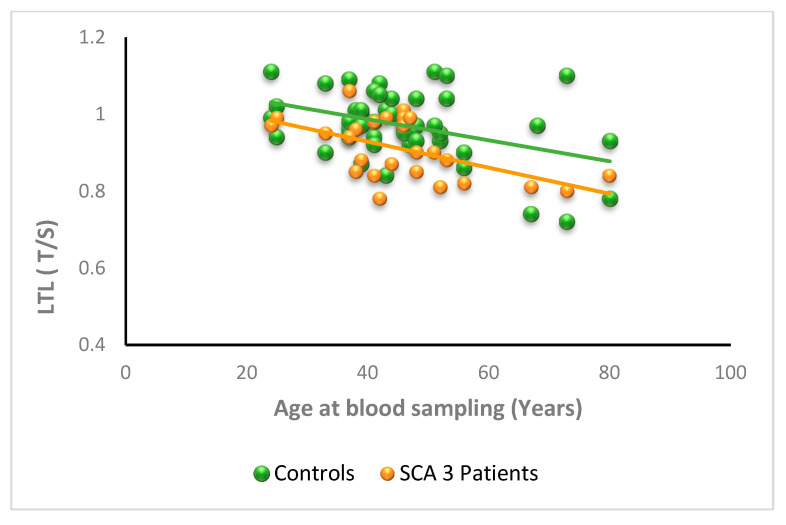
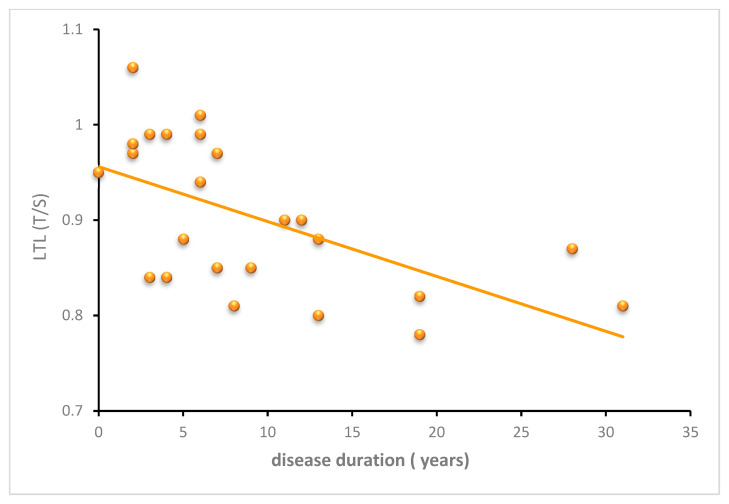
SCA1, SCA2, and SCA3 are the most common forms of SCAs among the polyglutamine disorders, which include Huntington's Disease (HD). We investigated the relationship between leukocyte telomere length (LTL) and the phenotype of SCA1, SCA2, and SCA3, comparing them with HD. The results showed that LTL was significantly reduced in SCA1 and SCA3 patients, while LTL was significantly longer in SCA2 patients. A significant negative relationship between LTL and age was observed in SCA1 but not in SCA2 subjects. LTL of SCA3 patients depend on both patient's age and disease duration. The number of CAG repeats did not affect LTL in the three SCAs. Since LTL is considered an indirect marker of an inflammatory response and oxidative damage, our data suggest that in SCA1 inflammation is present already at an early stage of disease similar to in HD, while in SCA3 inflammation and impaired antioxidative processes are associated with disease progression. Interestingly, in SCA2, contrary to SCA1 and SCA3, the length of leukocyte telomeres does not reduce with age. We have observed that SCAs and HD show a differing behavior in LTL for each subtype, which could constitute relevant biomarkers if confirmed in larger cohorts and longitudinal studies.
SCA1、SCA2和SCA3是聚谷氨酰胺疾病中最常见的脊髓小脑共济失调(SCA)形式,聚谷氨酰胺疾病包括亨廷顿舞蹈症(HD)。我们研究了白细胞端粒长度(LTL)与SCA1、SCA2和SCA3表型之间的关系,并将它们与HD进行比较。结果显示,SCA1和SCA3患者的LTL显著缩短,而SCA2患者的LTL显著更长。在SCA1患者中观察到LTL与年龄之间存在显著负相关,而在SCA2患者中未观察到这种相关性。SCA3患者的LTL取决于患者的年龄和病程。CAG重复序列的数量在这三种脊髓小脑共济失调中不影响LTL。由于LTL被认为是炎症反应和氧化损伤的间接标志物,我们的数据表明,在SCA1中,炎症在疾病早期就已存在,类似于HD,而在SCA3中,炎症和抗氧化过程受损与疾病进展相关。有趣的是,与SCA1和SCA3相反,在SCA2中,白细胞端粒的长度不会随着年龄的增长而缩短。我们观察到,每种亚型的脊髓小脑共济失调和HD在LTL方面表现出不同的行为,如果在更大的队列和纵向研究中得到证实,这可能构成相关的生物标志物。