Macku Jan, Kubova Katerina, Urbanova Martina, Muselik Jan, Franc Ales, Koutna Gabriela, Pavelkova Miroslava, Vetchy David, Masek Josef, Maskova Eliska, Brus Jiri
Department of Pharmaceutical Technology, Faculty of Pharmacy, Masaryk University Brno, 612 00 Brno, Czech Republic.
Department of NMR Spectroscopy, Institute of Macromolecular Chemistry, Czech Academy of Sciences, 162 06 Prague, Czech Republic.
Pharmaceutics. 2022 Jul 25;14(8):1545. doi: 10.3390/pharmaceutics14081545.
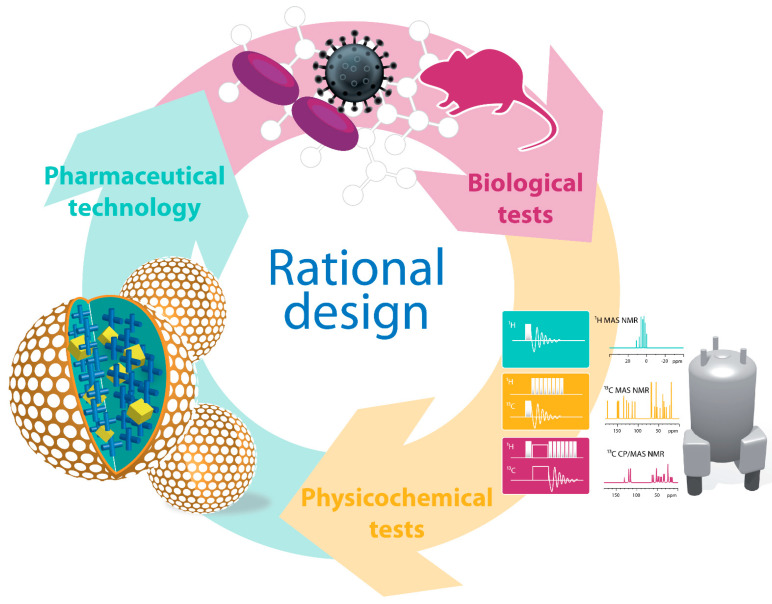
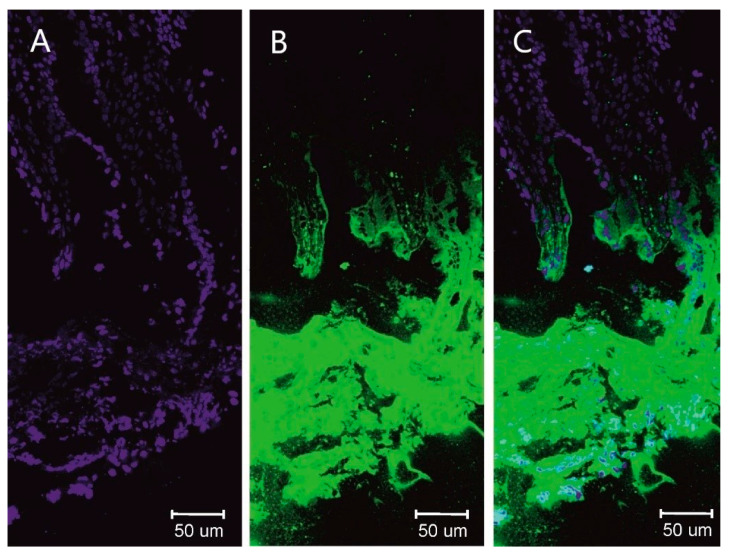
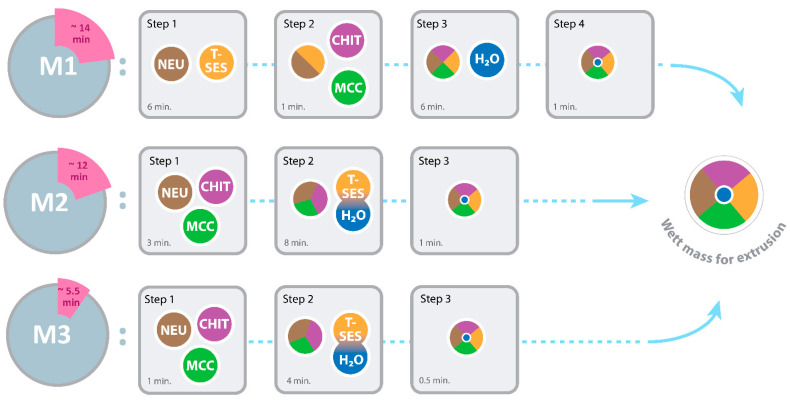
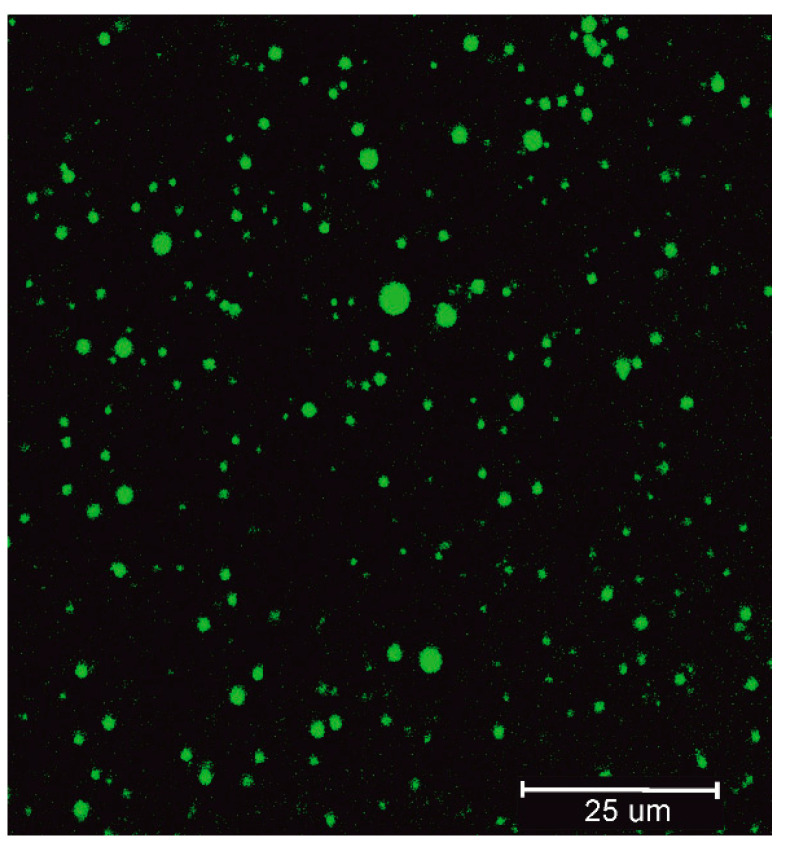
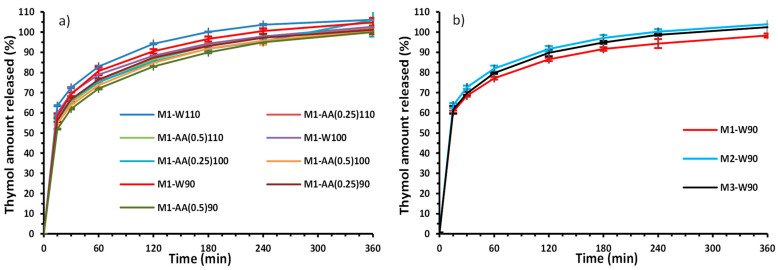
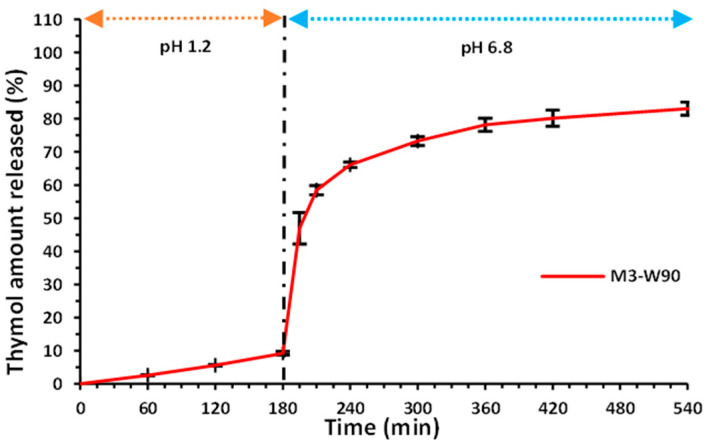
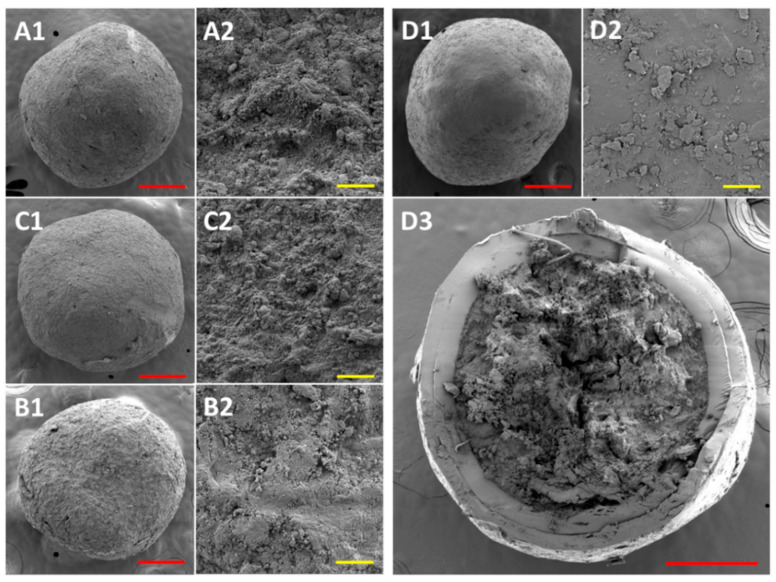
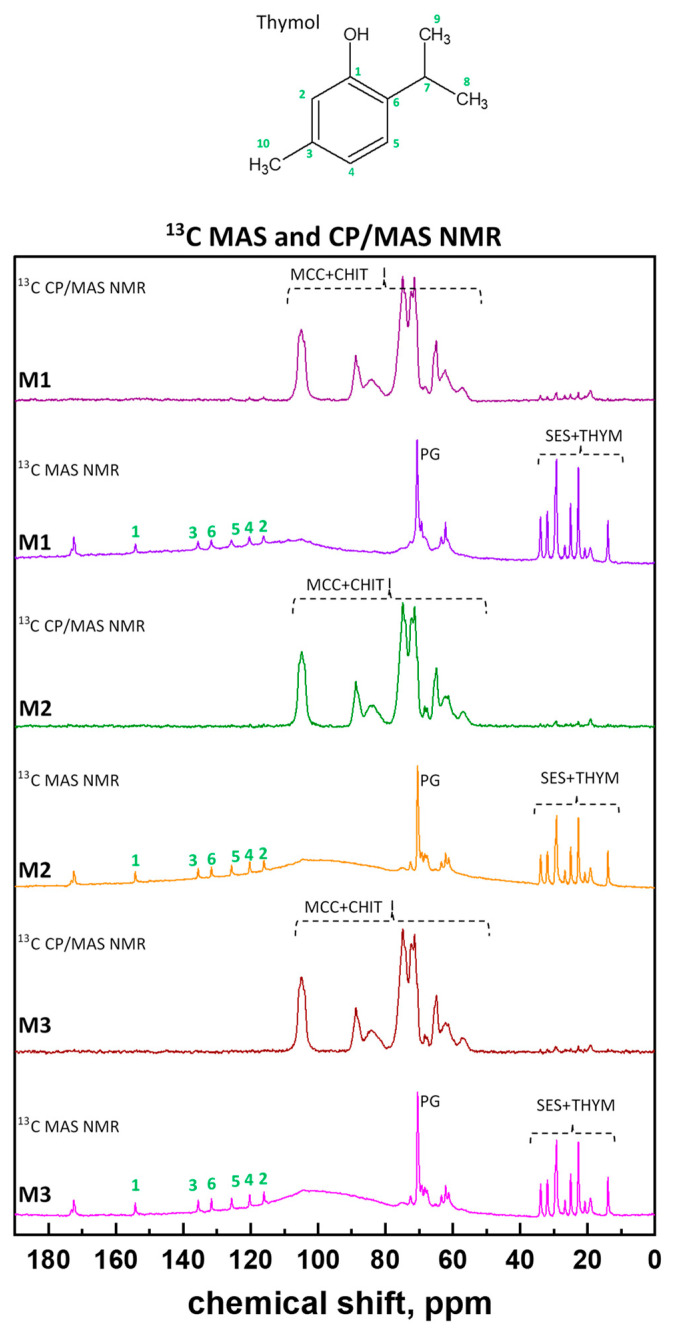
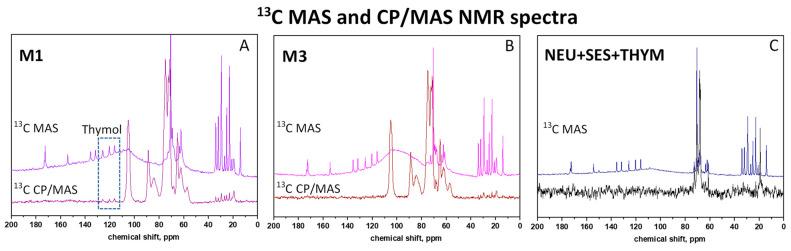
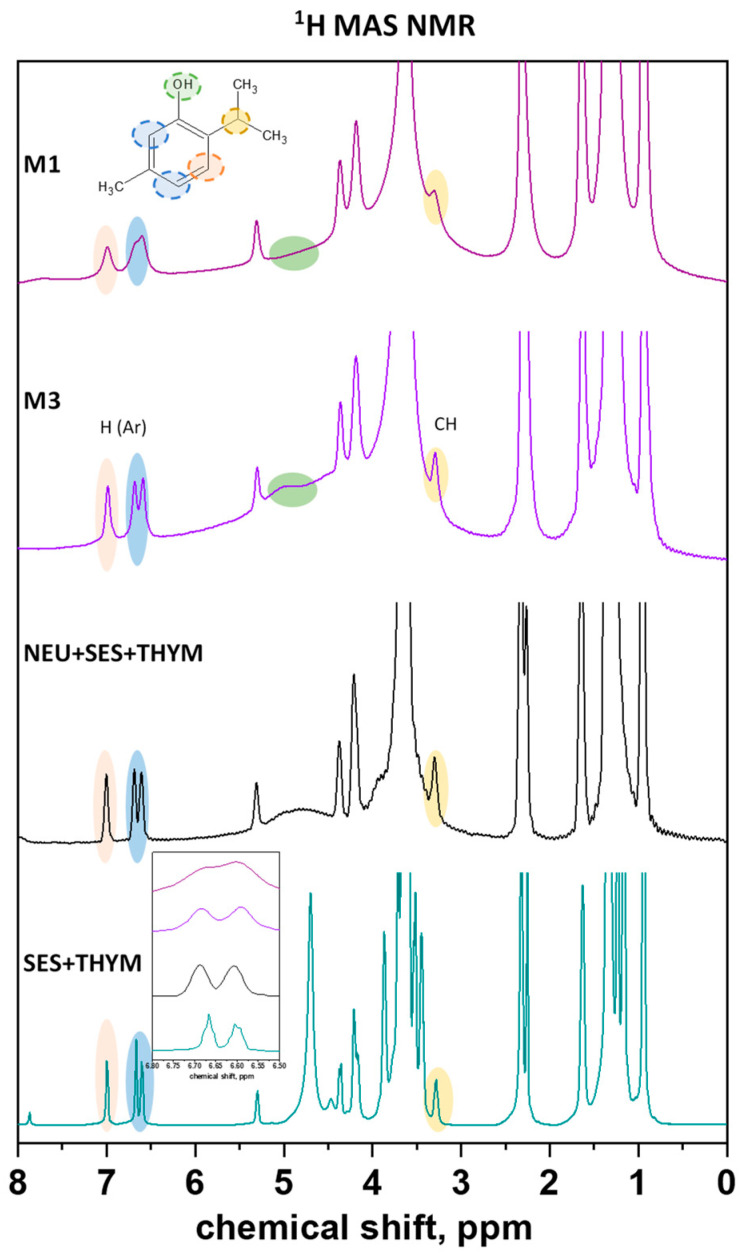
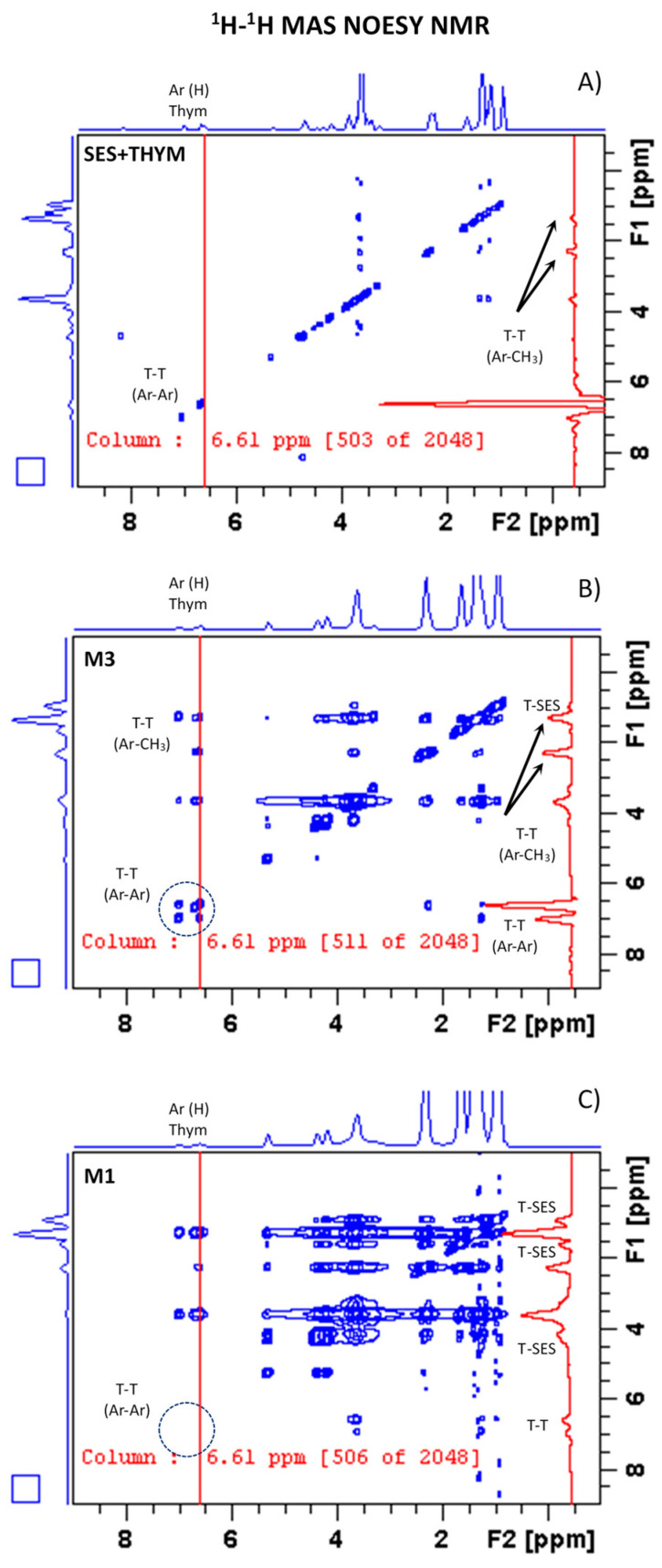
The growing need for processing natural lipophilic and often volatile substances such as thymol, a promising candidate for topical treatment of intestinal mucosa, led us to the utilization of solid-state nuclear magnetic resonance (ss-NMR) spectroscopy for the rational design of enteric pellets with a thymol self-emulsifying system (SES). The SES (triacylglycerol, Labrasol®, and propylene glycol) provided a stable o/w emulsion with particle size between 1 and 7 µm. The ex vivo experiment confirmed the SES mucosal permeation and thymol delivery to enterocytes. Pellets W90 (MCC, Neusilin®US2, chitosan) were prepared using distilled water (90 g) by the M1−M3 extrusion/spheronisation methods varying in steps number and/or cumulative time. The pellets (705−740 µm) showed mostly comparable properties—zero friability, low intraparticular porosity (0−0.71%), and relatively high density (1.43−1.45%). They exhibited similar thymol release for 6 h (burst effect in 15th min ca. 60%), but its content increased (30−39.6 mg/g) with a shorter process time. The M3-W90 fluid-bed coated pellets (Eudragit®L) prevented undesirable thymol release in stomach conditions (<10% for 3 h). A detailed, ss-NMR investigation revealed structural differences across samples prepared by M1−M3 methods concerning system stability and internal interactions. The suggested formulation and methodology are promising for other lipophilic volatiles in treating intestinal diseases.
对处理天然亲脂性且通常具有挥发性的物质(如百里酚,一种有望用于肠道黏膜局部治疗的候选物质)的需求不断增加,促使我们利用固态核磁共振(ss-NMR)光谱对含有百里酚自乳化系统(SES)的肠溶微丸进行合理设计。该SES(三酰甘油、Labrasol®和丙二醇)提供了一种稳定的水包油乳液,粒径在1至7微米之间。体外实验证实了SES对黏膜的渗透以及百里酚向肠细胞的递送。使用蒸馏水(90克)通过M1 - M3挤压/滚圆法制备了微丸W90(微晶纤维素、Neusilin®US2、壳聚糖),步骤数和/或累积时间各不相同。这些微丸(705 - 740微米)大多表现出相当的性质——零脆碎度、低颗粒内孔隙率(0 - 0.71%)以及相对较高的密度(1.43 - 1.45)。它们在6小时内表现出相似的百里酚释放(第15分钟时的突发效应约为60%),但其含量随着制备时间缩短而增加(30 - 39.6毫克/克)。M3 - W90流化床包衣微丸(Eudragit®L)可防止在胃部条件下百里酚的不良释放(3小时内<10%)。一项详细的ss-NMR研究揭示了通过M1 - M3方法制备的样品在系统稳定性和内部相互作用方面的结构差异。所建议的配方和方法对于治疗肠道疾病中的其他亲脂性挥发性物质具有前景。