Laser and Fibre Optics Centre, Department of Physics, University of Cape Coast, Cape Coast, Ghana.
Department of Conservation Biology and Entomology, University of Cape Coast, Cape Coast, Ghana.
PLoS One. 2022 Jul 27;17(7):e0252248. doi: 10.1371/journal.pone.0252248. eCollection 2022.
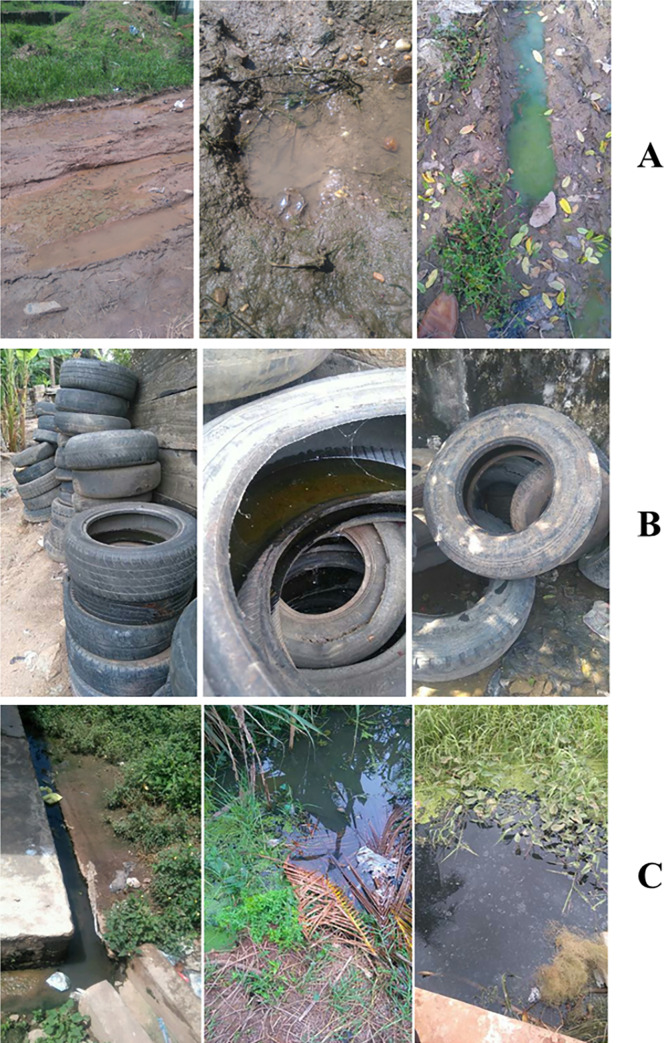
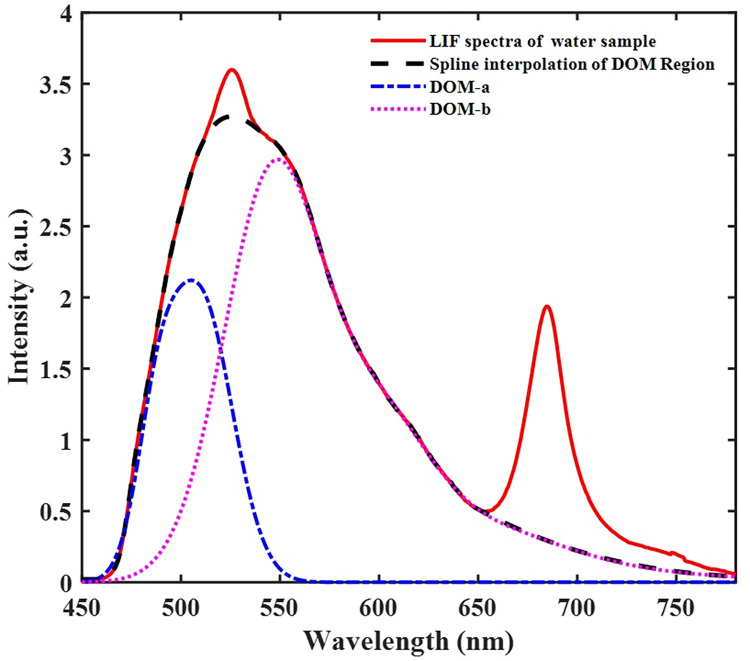
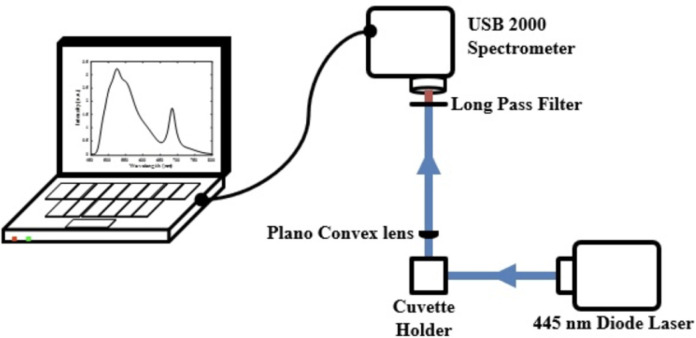
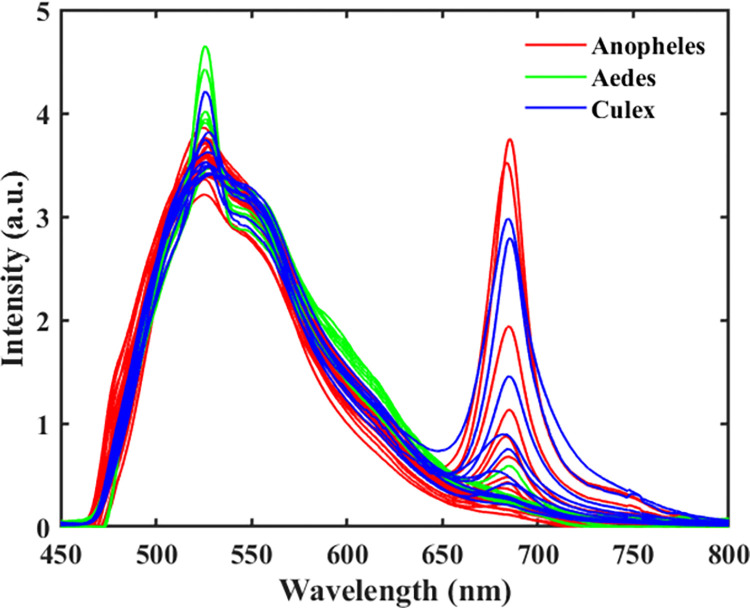
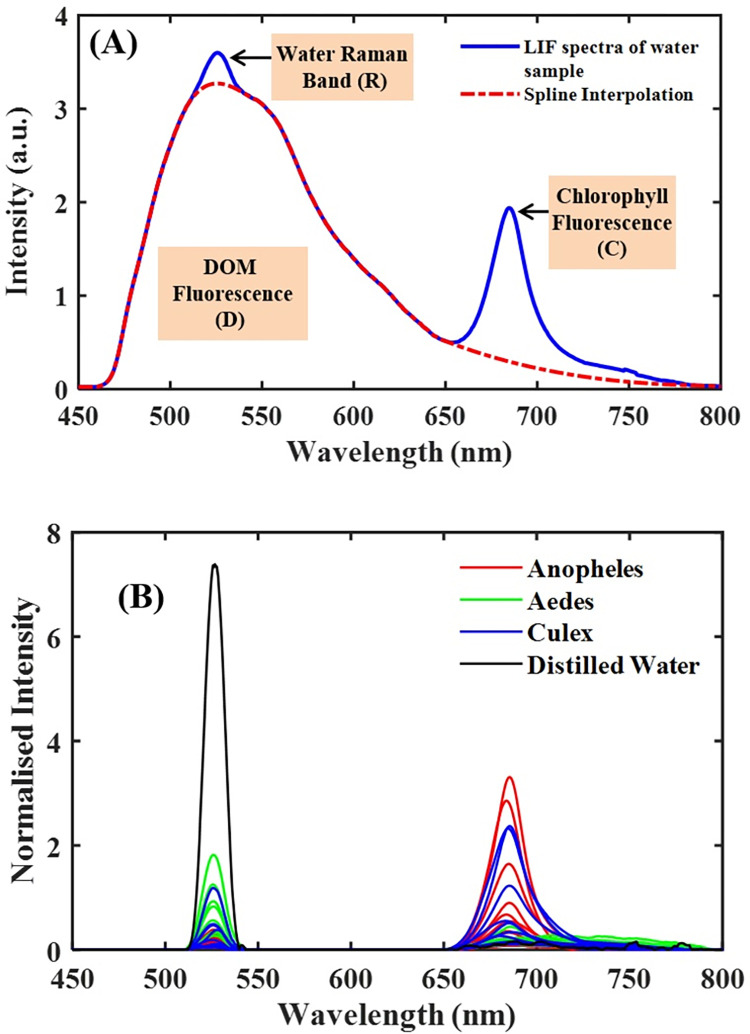
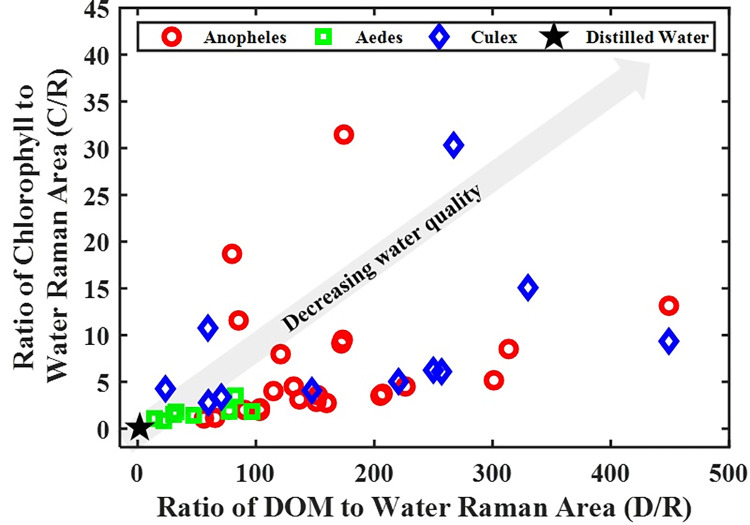
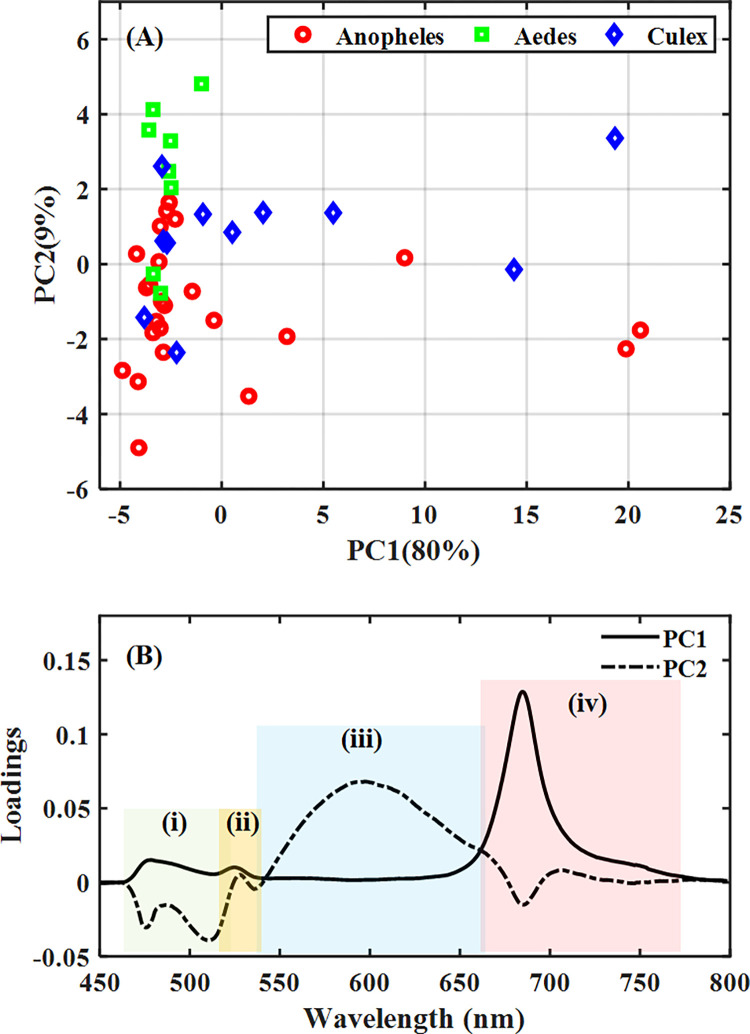
Rapid urbanization and its associated pollution can affect water quality in mosquito breeding habitats and, as a result, the ecology and control of mosquito vectors. To understand the effects of pollution on mosquito vectors, an accurate assessment of water quality in breeding habitats is needed. Presently, water quality assessment of mosquito breeding habitats is usually based on the measurement of individual physicochemical parameters. However, several parameters are sometimes difficult to interpret or may not give a clear picture of the overall water quality of the breeding habitats, especially when the pollutants are in complex mixtures. This study employed the use of Laser-Induced Fluorescence (LIF) spectroscopy to assess water quality in breeding habitats of Anopheles, Aedes, and Culex mosquitoes in urban areas in Cape Coast, Ghana. The LIF spectra, using a 445-nm diode laser, were measured from field-collected water samples in the laboratory. The LIF spectra showed the presence of dissolved organic matter (DOM) and chlorophyll in the breeding habitats. The DOM and chlorophyll fluorescence signals were normalised by the Raman vibrational signals to determine water quality in each habitat. The overall water quality was better in Aedes breeding habitats than in Anopheles and Culex breeding habitats. The poor water quality in Anopheles and Culex breeding habitats was due to the presence of high fulvic acid and chlorophyll content, which often reflect pollutants from anthropogenic sources. Anopheles and Aedes habitats were made up of mainly An. coluzzii and Ae. aegypti respectively while Culex species were identified to genus level. The results add up to the growing concern about the breeding of Anopheles in polluted habitats. The study demonstrated for the first time the ability of LIF spectroscopy to assess water quality in mosquito breeding habitats.
快速的城市化及其相关的污染会影响蚊子滋生地的水质,进而影响蚊子媒介的生态和控制。为了了解污染对蚊子媒介的影响,需要对滋生地的水质进行准确评估。目前,蚊子滋生地的水质评估通常基于个别理化参数的测量。然而,当污染物处于复杂混合物中时,一些参数有时难以解释或可能无法清楚地反映滋生地的整体水质。本研究采用激光诱导荧光(LIF)光谱法评估加纳海岸角城区的疟蚊、伊蚊和库蚊滋生地的水质。在实验室中,使用 445nm 二极管激光器测量从野外采集的水样的 LIF 光谱。LIF 光谱显示了滋生地中溶解有机物(DOM)和叶绿素的存在。通过拉曼振动信号对 DOM 和叶绿素荧光信号进行归一化,以确定每个栖息地的水质。与疟蚊和库蚊滋生地相比,伊蚊滋生地的整体水质更好。疟蚊和库蚊滋生地的水质较差是由于存在高富里酸和叶绿素含量,这通常反映了人为来源的污染物。疟蚊和伊蚊栖息地主要由 An. coluzzii 和 Ae. aegypti 组成,而库蚊种类则鉴定到属水平。这些结果增加了人们对在污染环境中滋生疟蚊的日益关注。该研究首次证明了 LIF 光谱法在评估蚊子滋生地水质方面的能力。