Yoon Young-Geun, Kim Chung-Min, Oh Tae-Keun
Department of Safety Engineering, Incheon National University, Incheon 22012, Korea.
Sensors (Basel). 2022 Jul 22;22(15):5484. doi: 10.3390/s22155484.
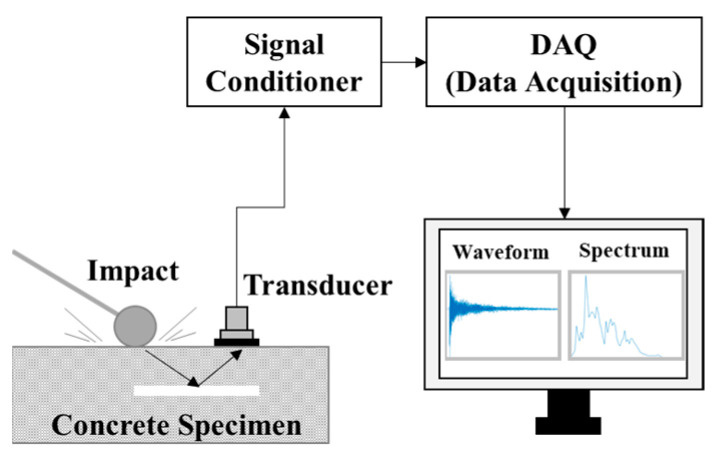
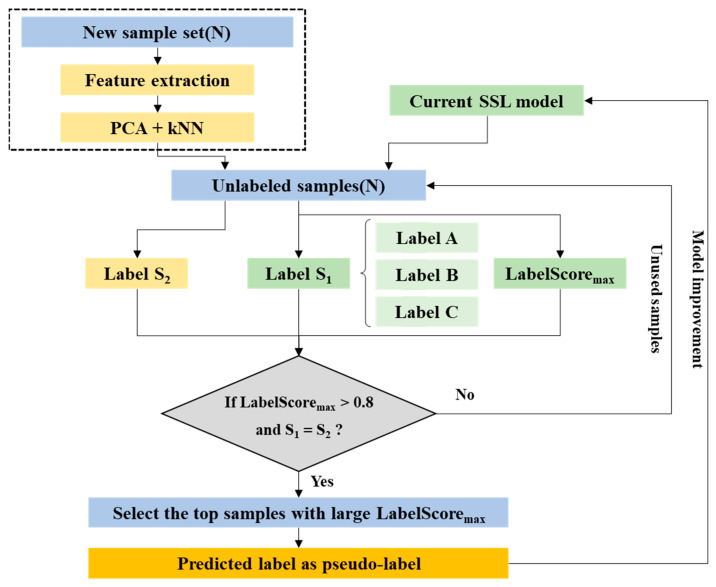
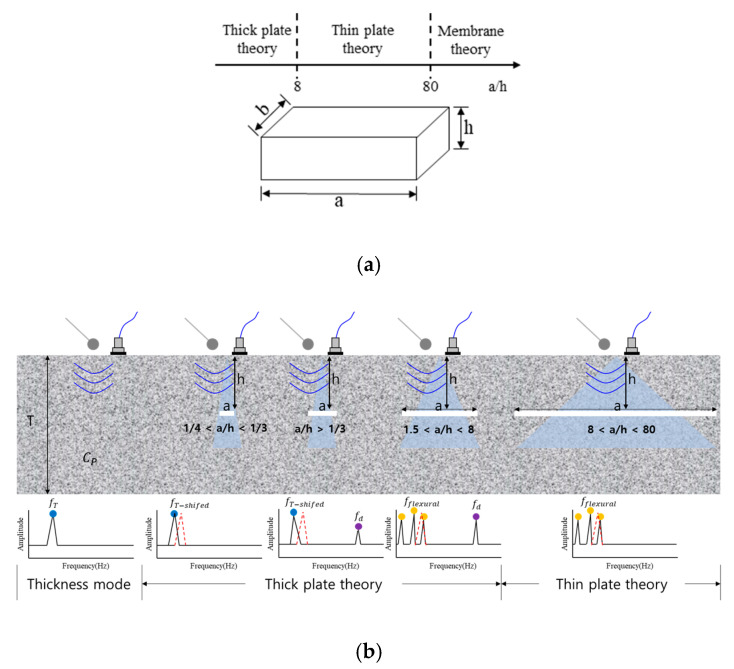
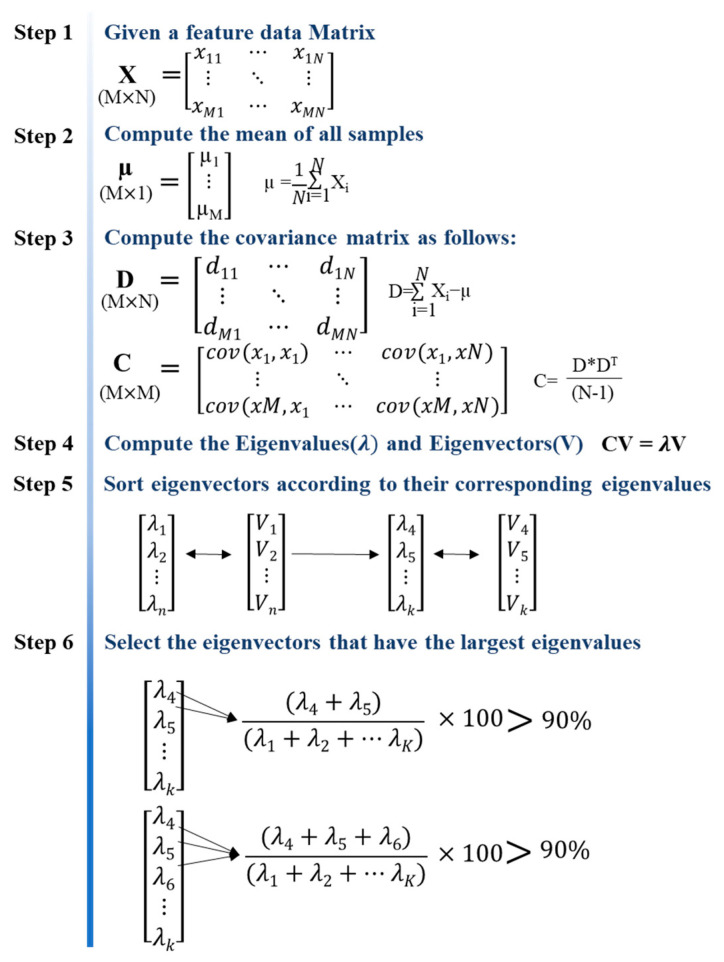
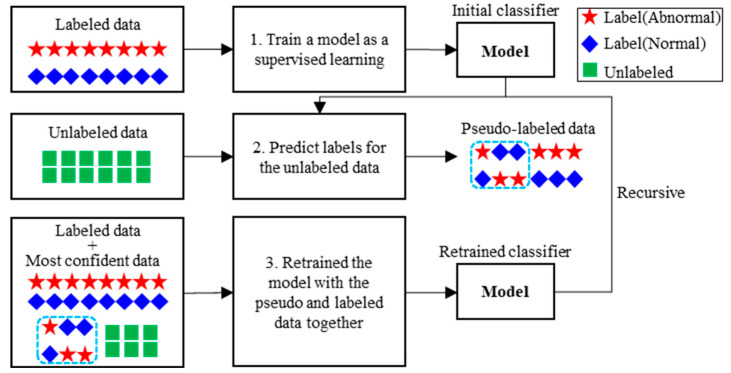
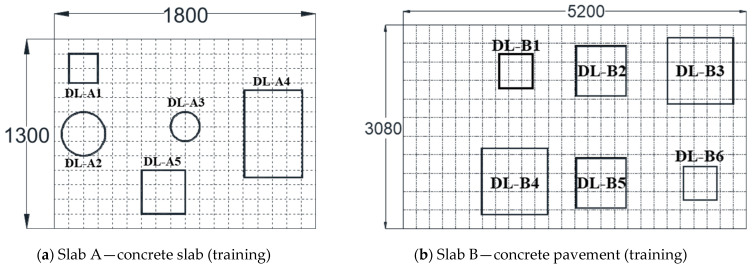
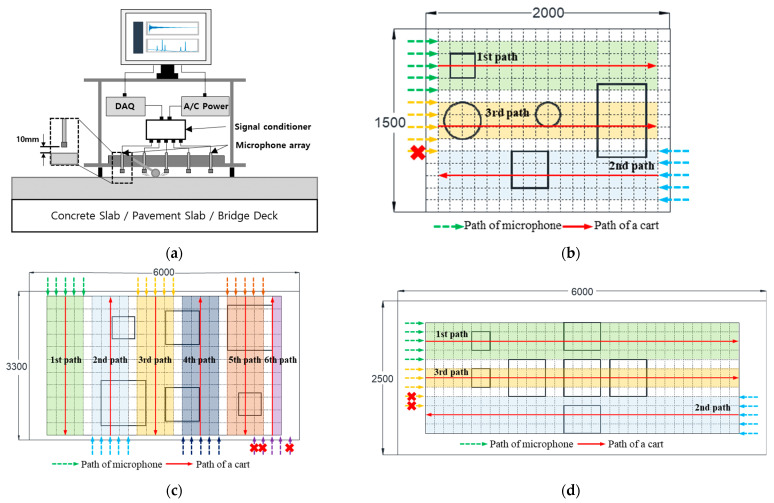
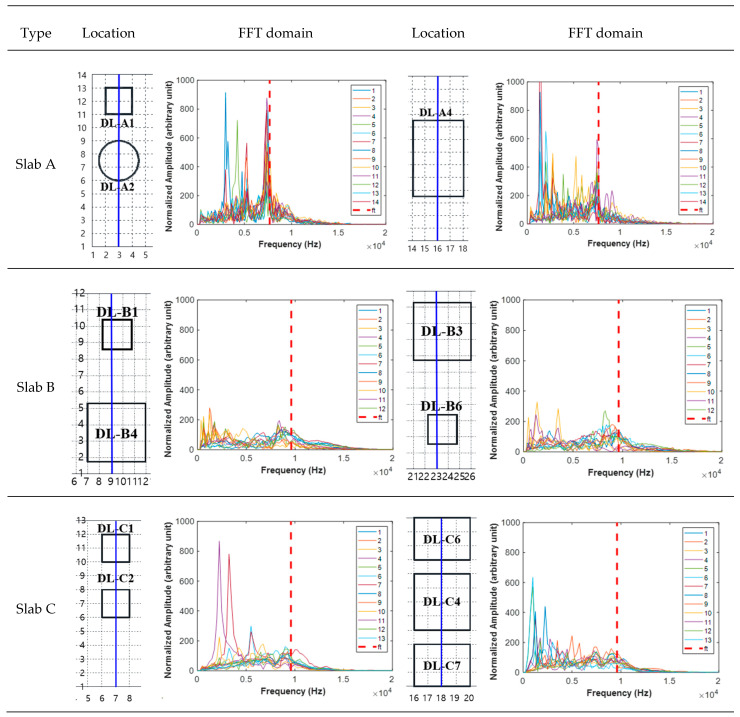
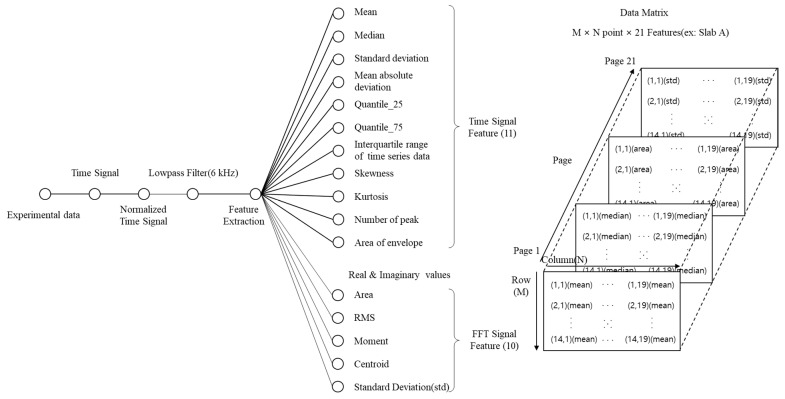
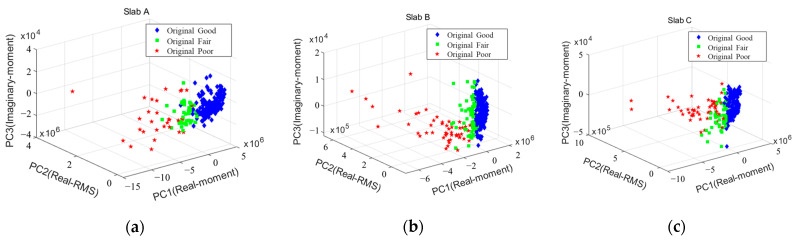
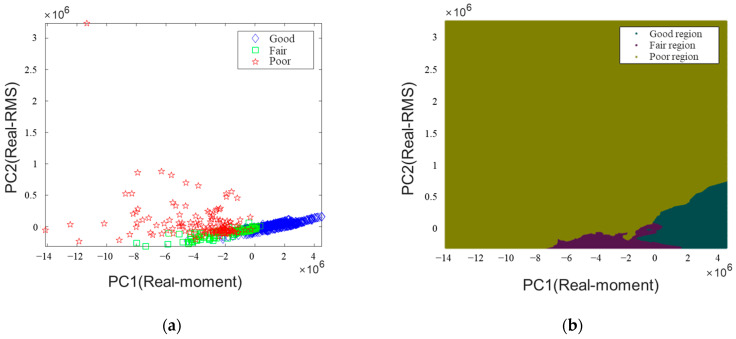
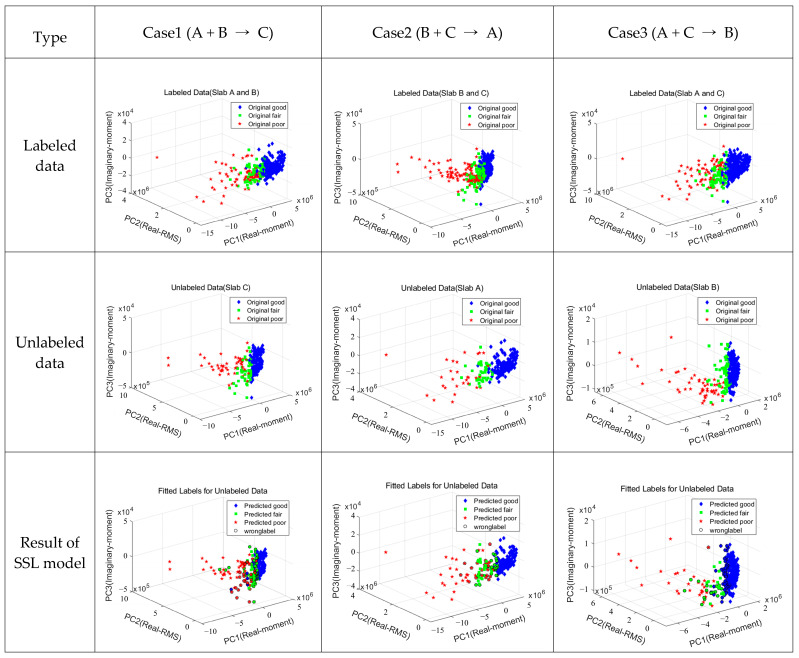
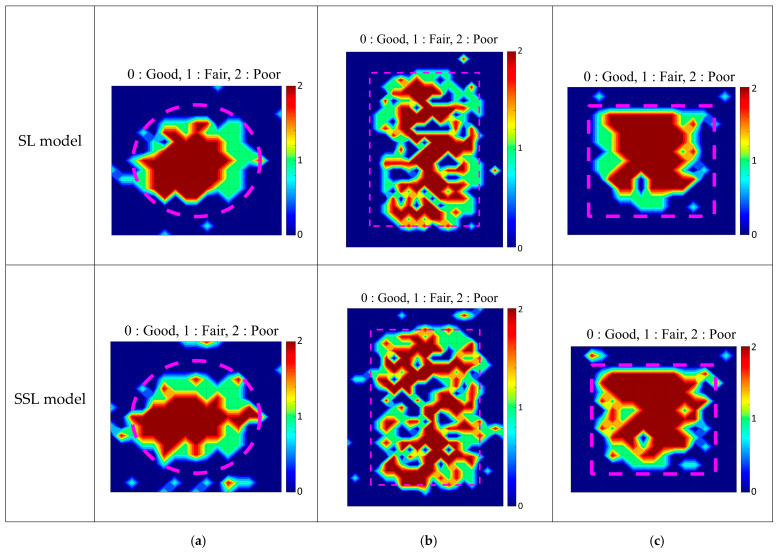
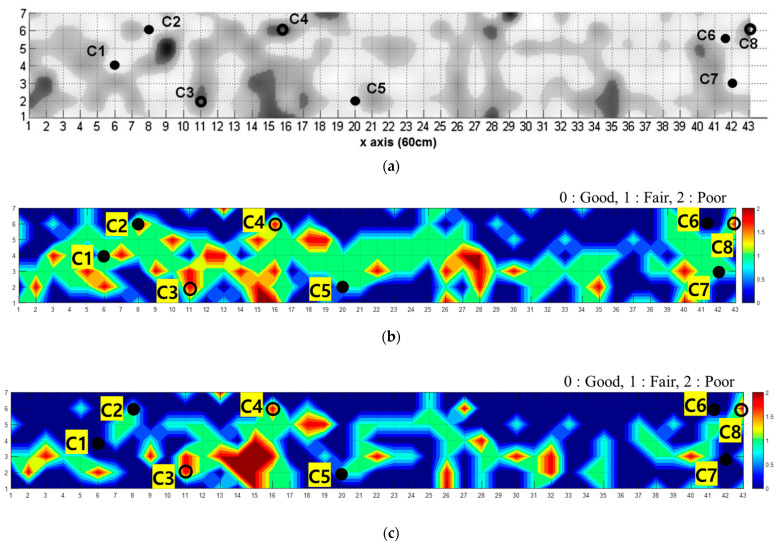
The Impact-Echo (IE) test is an effective method for determining the presence, depth, and area of cracks in concrete as well as the dimensions of the sound concrete without defects. In addition, shallow delamination can be measured by confirming a flexural mode in the low-frequency region. Owing to the advancement of non-contact sensors and automated measurement equipment, the IE test can be measured at multiple points in a short period. To analyze and distinguish a large volume of data, applying supervised learning (SL) associated with various contemporary algorithms is necessary. However, SL has limitations due to the difficulty in accurate labeling for increased volumes of test data, and reflection of new specimen characteristics, and it is necessary to apply semi-supervised learning (SSL) to overcome them. This study analyzes the accuracy and evaluates the applicability of a model trained with SSL rather than SL using the data from the air-coupled IE test based on dynamic preconditions. For the detection of delamination defects, the dynamic behavior-based flexural mode was identified, and 21 features were extracted in the time and frequency domains. Three principal components (PCs) such as the real moment, real RMS, and imaginary moment were derived through principal component analysis (PCA). PCs were identical in slab, pavement, and deck. In the case of SSL considering a dynamic behavior, the accuracy increased by 7-8% compared with SL, and it could categorize good, fair, and poor status to a higher level for actual structures. The applicability of SSL to the IE test was confirmed, and because the crack progress varies under field conditions, other parameters must be considered in the future to reflect this.
冲击回波(IE)测试是一种确定混凝土中裂缝的存在、深度和面积以及无缺陷完好混凝土尺寸的有效方法。此外,通过确认低频区域的弯曲模式可以测量浅层脱层。由于非接触式传感器和自动测量设备的进步,IE测试可以在短时间内进行多点测量。为了分析和区分大量数据,有必要应用与各种当代算法相关的监督学习(SL)。然而,由于难以对大量测试数据进行准确标记以及反映新的试件特性,SL存在局限性,因此有必要应用半监督学习(SSL)来克服这些局限性。本研究基于动态前提条件,使用空气耦合IE测试的数据,分析了用SSL而非SL训练的模型的准确性并评估了其适用性。为了检测脱层缺陷,识别了基于动态行为的弯曲模式,并在时域和频域中提取了21个特征。通过主成分分析(PCA)得出了三个主成分(PC),即实矩、实均方根和虚矩。PC在平板、路面和桥面板中是相同的。在考虑动态行为的SSL情况下,与SL相比,准确率提高了7-8%,并且对于实际结构能够更准确地将良好、一般和较差状态进行分类。证实了SSL在IE测试中的适用性,并且由于现场条件下裂缝发展情况不同,未来必须考虑其他参数以反映这一点。