Hou Xiaoshuang, Chen Sui, Zhang Po, Guo Dongsheng, Wang Baofeng
Department of Neurosurgery, Tongji Hospital, Tongji Medical College, Huazhong University of Science and Technology, Wuhan, China.
Front Oncol. 2022 Jul 11;12:938847. doi: 10.3389/fonc.2022.938847. eCollection 2022.
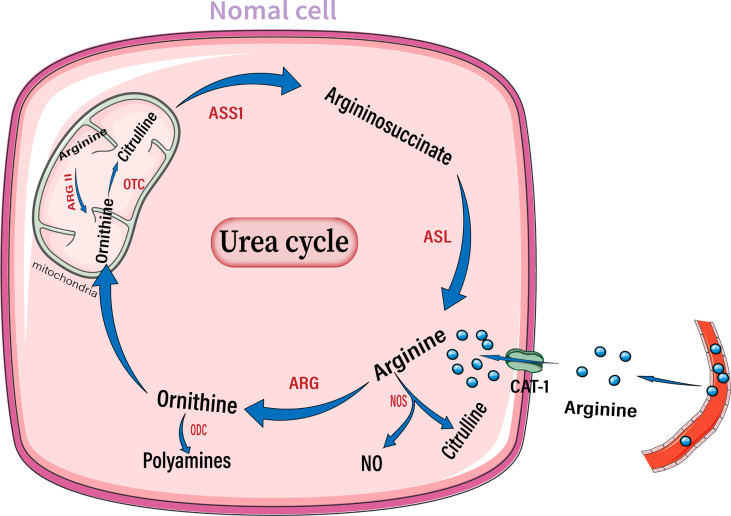
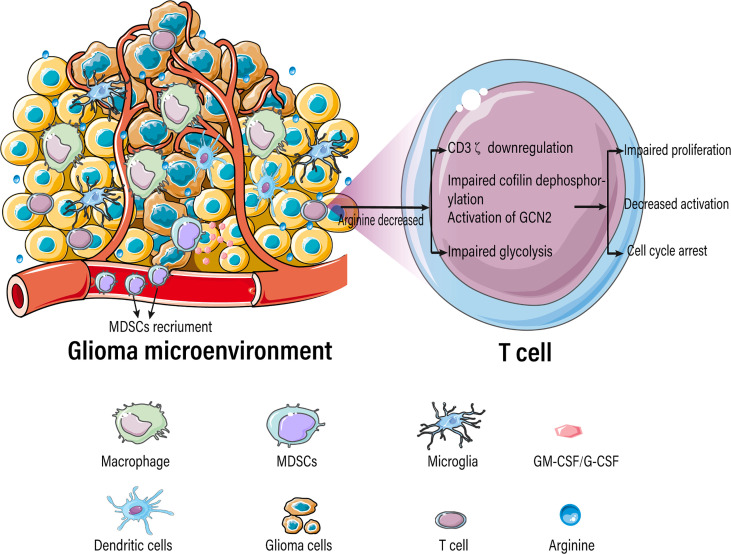
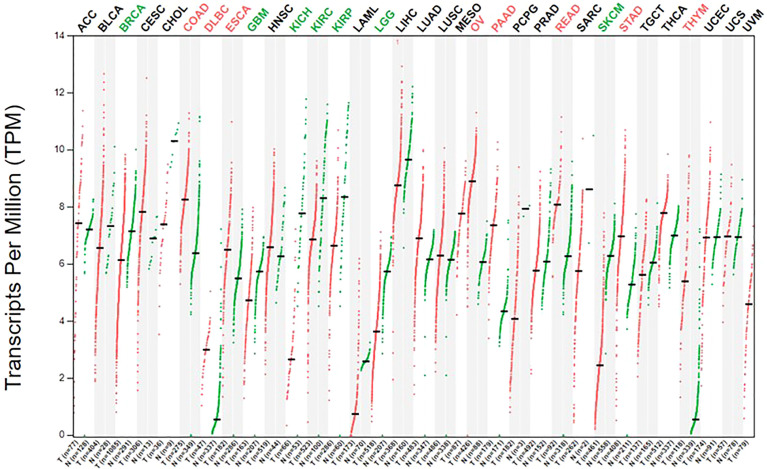
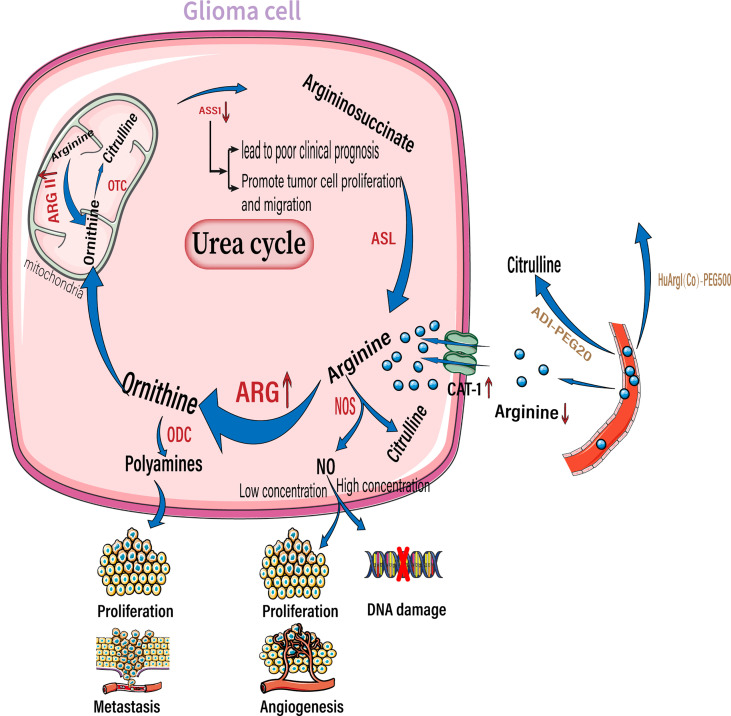
Efforts in the treatment of glioma which is the most common primary malignant tumor of the central nervous system, have not shown satisfactory results despite a comprehensive treatment model that combines various treatment methods, including immunotherapy. Cellular metabolism is a determinant of the viability and function of cancer cells as well as immune cells, and the interplay of immune regulation and metabolic reprogramming in tumors has become an active area of research in recent years. From the perspective of metabolism and immunity in the glioma microenvironment, we elaborated on arginine metabolic reprogramming in glioma cells, which leads to a decrease in arginine levels in the tumor microenvironment. Reduced arginine availability significantly inhibits the proliferation, activation, and function of T cells, thereby promoting the establishment of an immunosuppressive microenvironment. Therefore, replenishment of arginine levels to enhance the anti-tumor activity of T cells is a promising strategy for the treatment of glioma. However, due to the lack of expression of argininosuccinate synthase, gliomas are unable to synthesize arginine; thus, they are highly dependent on the availability of arginine in the extracellular environment. This metabolic weakness of glioma has been utilized by researchers to develop arginine deprivation therapy, which 'starves' tumor cells by consuming large amounts of arginine in circulation. Although it has shown good results, this treatment modality that targets arginine metabolism in glioma is controversial. Exploiting a suitable strategy that can not only enhance the antitumor immune response, but also "starve" tumor cells by regulating arginine metabolism to cure glioma will be promising.
胶质瘤是中枢神经系统最常见的原发性恶性肿瘤,尽管采用了包括免疫疗法在内的多种治疗方法相结合的综合治疗模式,但治疗效果仍不尽人意。细胞代谢是癌细胞和免疫细胞生存能力及功能的决定因素,肿瘤中免疫调节与代谢重编程的相互作用已成为近年来一个活跃的研究领域。从胶质瘤微环境中的代谢和免疫角度出发,我们阐述了胶质瘤细胞中的精氨酸代谢重编程,这导致肿瘤微环境中精氨酸水平降低。精氨酸可用性降低显著抑制T细胞的增殖、活化和功能,从而促进免疫抑制微环境的形成。因此,补充精氨酸水平以增强T细胞的抗肿瘤活性是一种有前景的胶质瘤治疗策略。然而,由于缺乏精氨琥珀酸合酶的表达,胶质瘤无法合成精氨酸;因此,它们高度依赖细胞外环境中精氨酸的可用性。胶质瘤的这种代谢弱点已被研究人员利用来开发精氨酸剥夺疗法,该疗法通过消耗循环中的大量精氨酸来“饿死”肿瘤细胞。尽管已显示出良好的效果,但这种针对胶质瘤精氨酸代谢的治疗方式仍存在争议。开发一种不仅能增强抗肿瘤免疫反应,还能通过调节精氨酸代谢来“饿死”肿瘤细胞以治愈胶质瘤的合适策略将大有可为。