Zhu Yumeng, Xu Ping, Huang Xuan, Shuai Wen, Liu Li, Zhang Shuai, Zhao Rui, Hu Xiuying, Wang Guan
Innovation Center of Nursing Research, West China School of Nursing, Department of Gastrointestinal Surgery, National Clinical Research Center for Geriatrics, Nursing Key Laboratory of Sichuan Province, West China Hospital, Sichuan University, Chengdu, China.
Emergency Department, Institute of Medical Big Data, Zigong Academy of Big Data for Science and Artificial Intelligence, Zigong Fourth People's Hospital, Zigong, China.
Front Pharmacol. 2022 Jul 12;13:920113. doi: 10.3389/fphar.2022.920113. eCollection 2022.
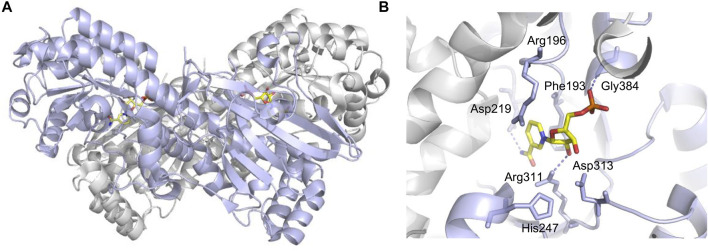
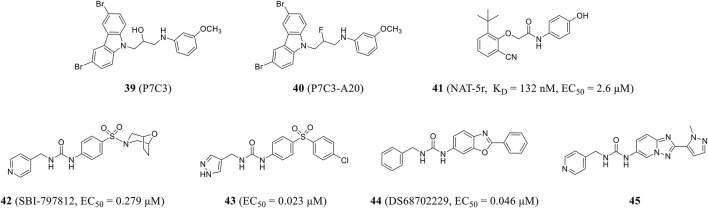
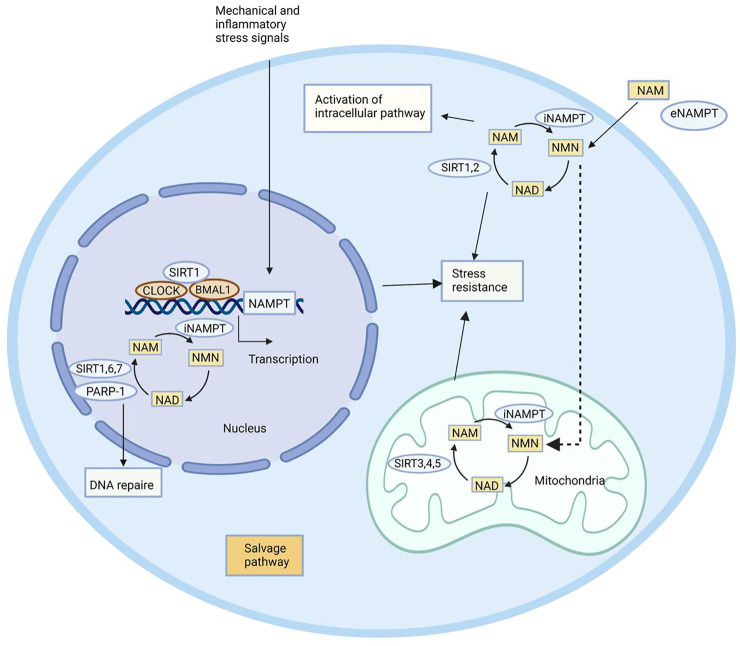
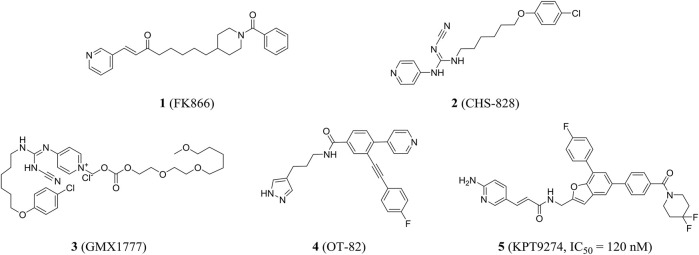
Nicotinamide phosphoribosyltransferase (NAMPT) is the rate-limiting enzyme in the nicotinamide adenine dinucleotide (NAD) salvage pathway in mammals. It is of great significance in the metabolic homeostasis and cell survival via synthesizing nicotinamide mononucleotide (NMN) through enzymatic activities, serving as a key protein involved in the host's defense mechanism. The NAMPT metabolic pathway connects NAD-dependent sirtuin (SIRT) signaling, constituting the NAMPT-NAD-SIRT cascade, which is validated as a strong intrinsic defense system. Neurodegenerative diseases belong to the central nervous system (CNS) disease that seriously endangers human health. The World Health Organization (WHO) proposed that neurodegenerative diseases will become the second leading cause of human death in the next two decades. However, effective drugs for neurodegenerative diseases are scant. NAMPT is specifically highly expressed in the hippocampus, which mediates cell self-renewal and proliferation and oligodendrocyte synthesis by inducing the biosynthesis of NAD in neural stem cells/progenitor cells. Owing to the active biological function of NAMPT in neurogenesis, targeting NAMPT may be a powerful therapeutic strategy for neurodegenerative diseases. This study aims to review the structure and biological functions, the correlation with neurodegenerative diseases, and treatment advance of NAMPT, aiming to provide a novel idea for targeted therapy of neurodegenerative diseases.
烟酰胺磷酸核糖转移酶(NAMPT)是哺乳动物烟酰胺腺嘌呤二核苷酸(NAD)补救途径中的限速酶。它通过酶促活性合成烟酰胺单核苷酸(NMN),在代谢稳态和细胞存活中具有重要意义,是宿主防御机制中的关键蛋白。NAMPT代谢途径连接了NAD依赖的沉默调节蛋白(SIRT)信号传导,构成了NAMPT-NAD-SIRT级联反应,该级联反应被证实是一个强大的内在防御系统。神经退行性疾病属于严重危害人类健康的中枢神经系统(CNS)疾病。世界卫生组织(WHO)提出,神经退行性疾病将在未来二十年成为人类死亡的第二大主要原因。然而,针对神经退行性疾病的有效药物却很少。NAMPT在海马体中特异性高表达,它通过诱导神经干细胞/祖细胞中NAD的生物合成来介导细胞自我更新、增殖以及少突胶质细胞的合成。由于NAMPT在神经发生中具有活跃的生物学功能,靶向NAMPT可能是治疗神经退行性疾病的有力策略。本研究旨在综述NAMPT的结构和生物学功能、与神经退行性疾病的相关性以及治疗进展,旨在为神经退行性疾病的靶向治疗提供新思路。