Mara Arlind B, Gavitt Tyler D, Tulman Edan R, Miller Jeremy M, He Wu, Reinhardt Emily M, Ozyck R Grace, Goodridge Meagan L, Silbart Lawrence K, Szczepanek Steven M, Geary Steven J
Department of Pathobiology and Veterinary Science, 61N Eagleville Rd. Unit-3089, Storrs, CT, 06269, USA.
Center of Excellence for Vaccine Research (CEVR), 61N Eagleville Rd. Unit-3089, Storrs, CT, 06269, USA.
NPJ Vaccines. 2022 Jul 29;7(1):86. doi: 10.1038/s41541-022-00513-w.
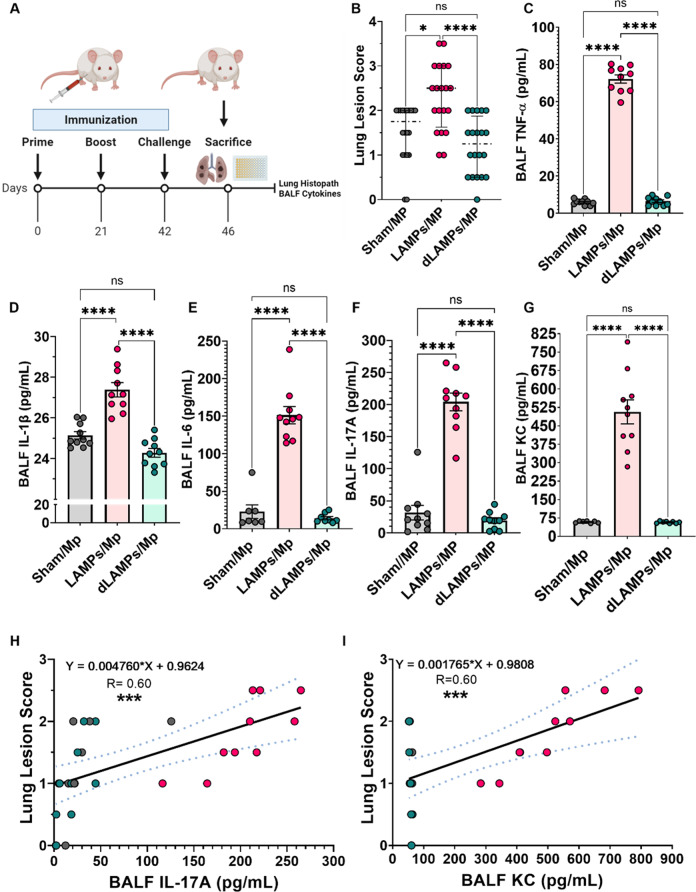
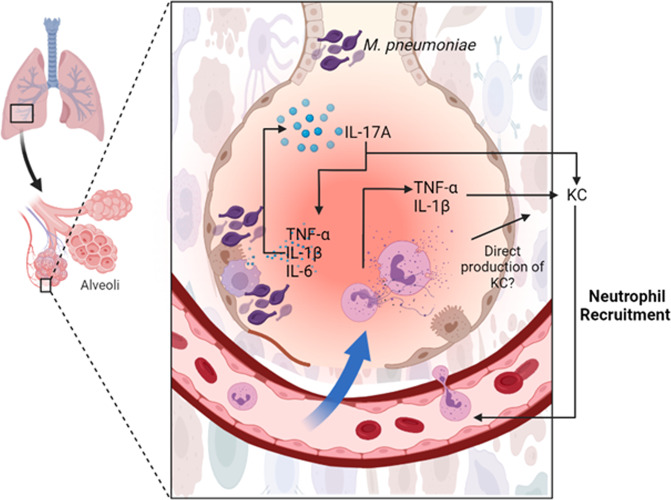
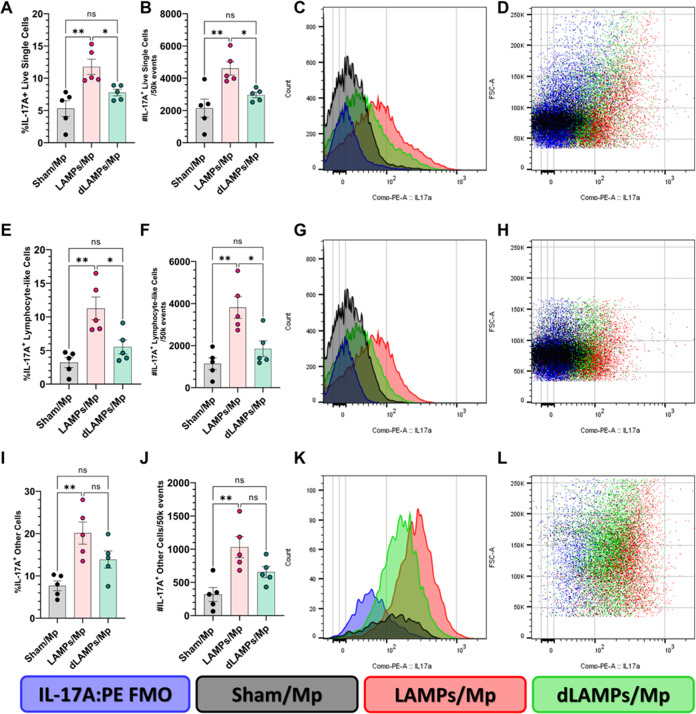
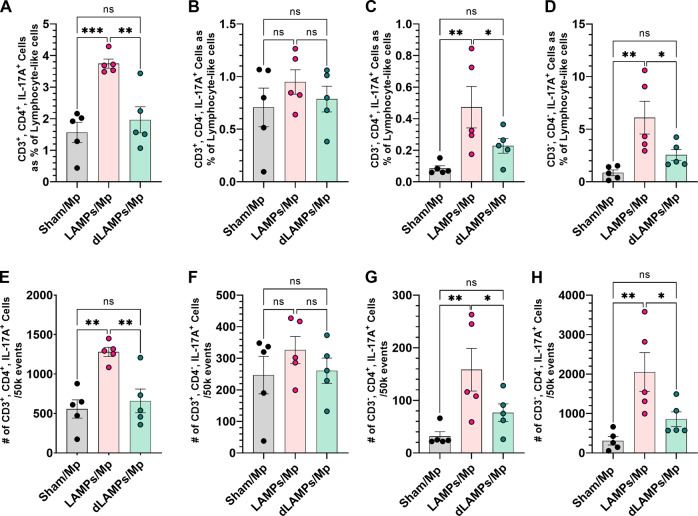
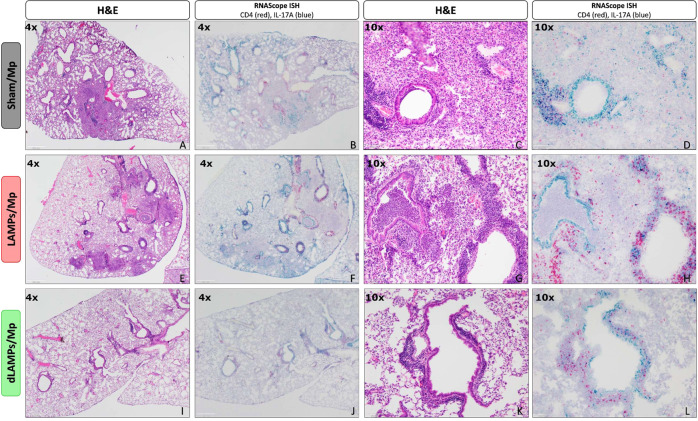
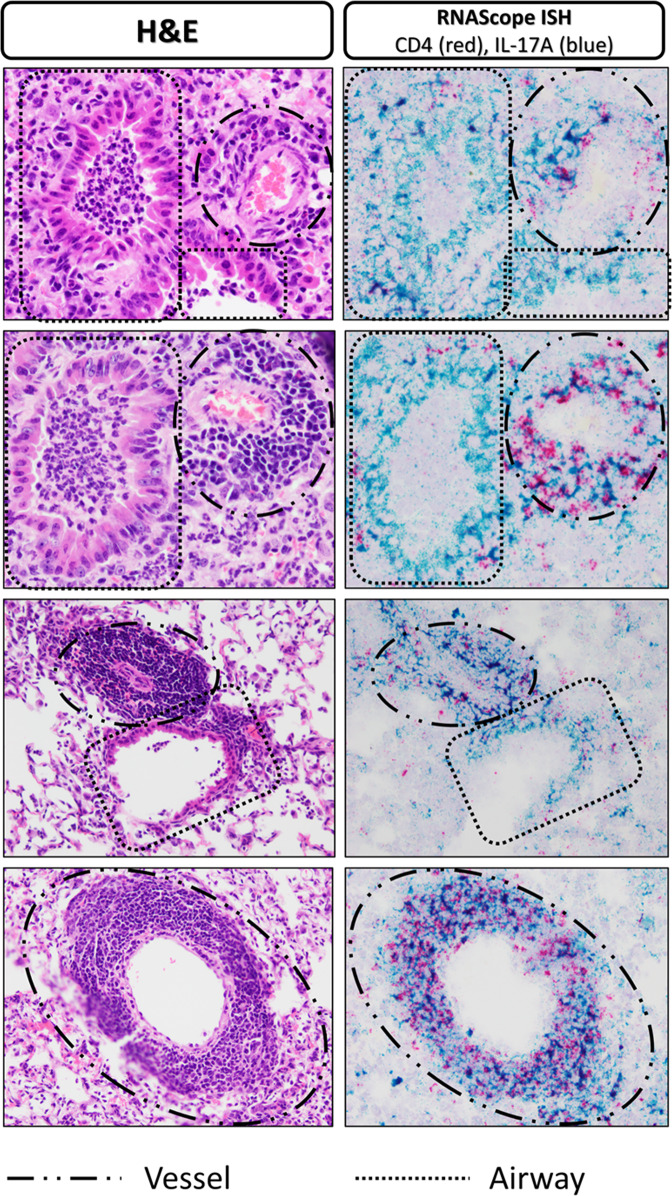
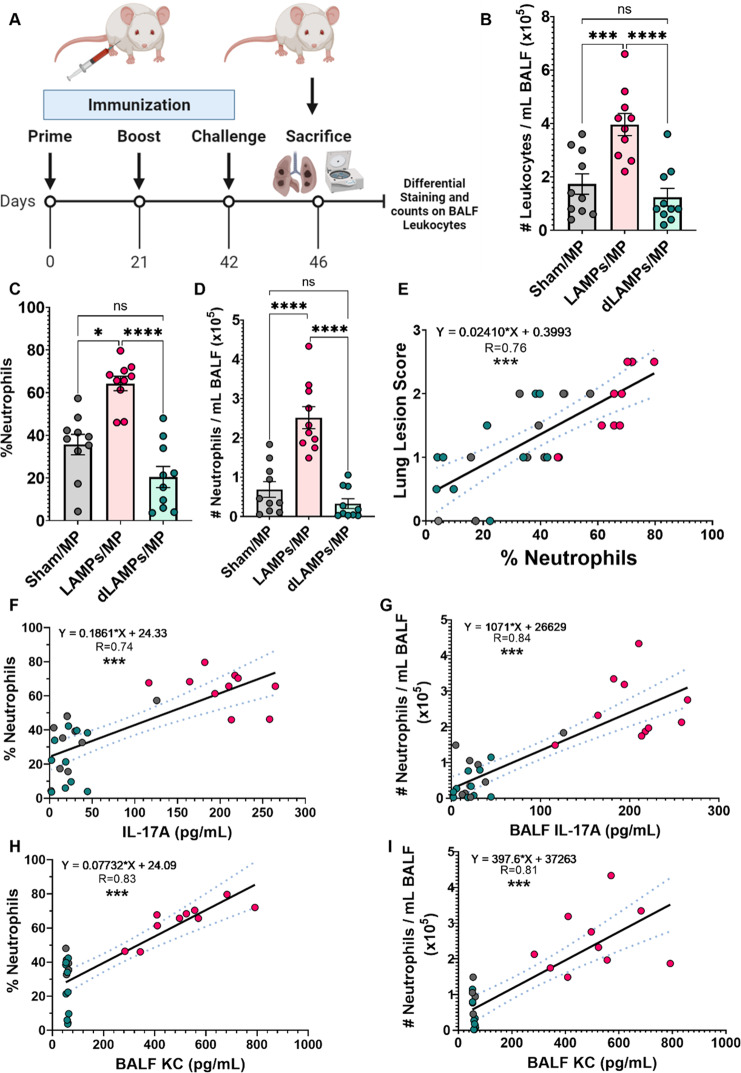
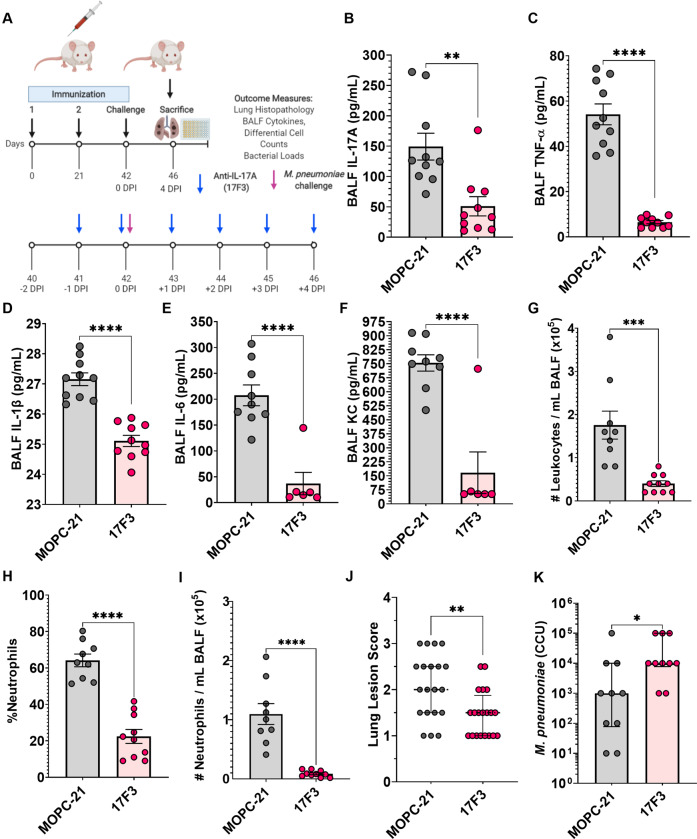
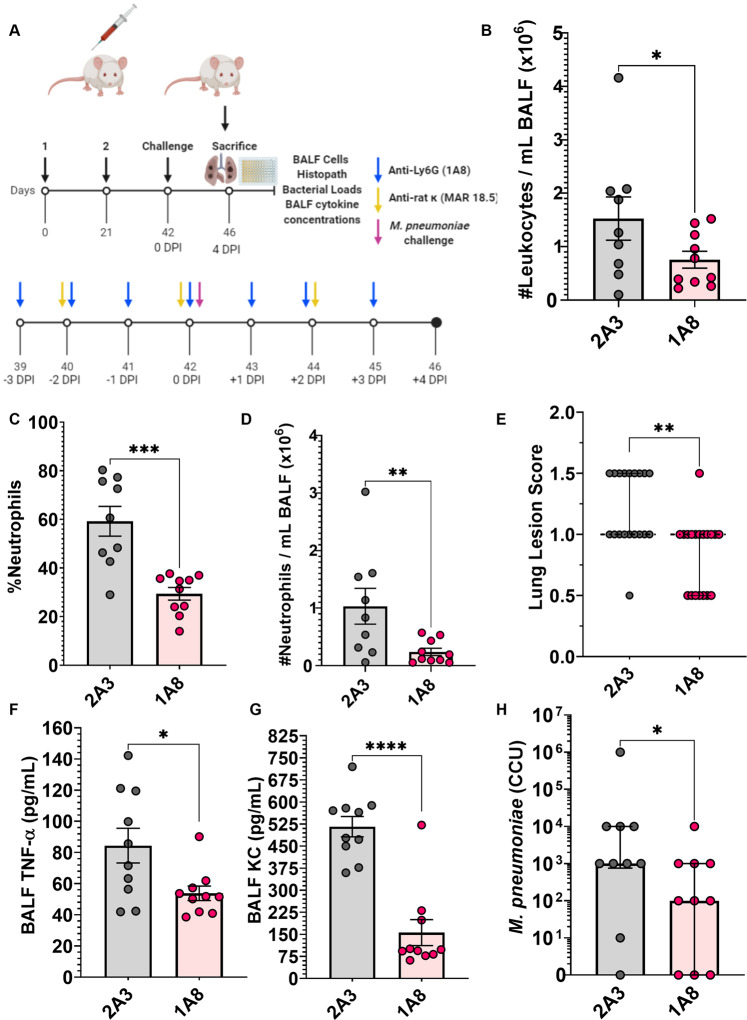
Bacterial lipoproteins are an often-underappreciated class of microbe-associated molecular patterns with potent immunomodulatory activity. We previously reported that vaccination of BALB/c mice with Mycoplasma pneumoniae (Mp) lipid-associated membrane proteins (LAMPs) resulted in lipoprotein-dependent vaccine enhanced disease after challenge with virulent Mp, though the immune responses underpinning this phenomenon remain poorly understood. Herein, we report that lipoprotein-induced VED in a mouse model is associated with elevated inflammatory cytokines TNF-α, IL-1β, IL-6, IL-17A, and KC in lung lavage fluid and with suppurative pneumonia marked by exuberant neutrophilia in the pulmonary parenchyma. Whole-lung-digest flow cytometry and RNAScope analysis identified multiple cellular sources for IL-17A, and the numbers of IL-17A producing cells were increased in LAMPs-vaccinated/Mp-challenged animals compared to controls. Specific IL-17A or neutrophil depletion reduced disease severity in our VED model-indicating that Mp lipoproteins induce VED in an IL-17A-dependent manner and through exuberant neutrophil recruitment. IL-17A neutralization reduced levels of TNF-α, IL-1β, IL-6, and KC, indicating that IL-17A preceded other inflammatory cytokines. Surprisingly, we found that IL-17A neutralization impaired bacterial clearance, while neutrophil depletion improved it-indicating that, while IL-17A appears to confer both maladaptive and protective responses, neutrophils play an entirely maladaptive role in VED. Given that lipoproteins are found in virtually all bacteria, the potential for lipoprotein-mediated maladaptive inflammatory responses should be taken into consideration when developing vaccines against bacterial pathogens.
细菌脂蛋白是一类常常未得到充分重视的微生物相关分子模式,具有强大的免疫调节活性。我们之前报道,用肺炎支原体(Mp)脂质相关膜蛋白(LAMPs)对BALB/c小鼠进行疫苗接种后,在用强毒力Mp攻击后会导致脂蛋白依赖性疫苗增强疾病,尽管支撑这一现象的免疫反应仍知之甚少。在此,我们报道在小鼠模型中脂蛋白诱导的疫苗增强疾病(VED)与肺灌洗液中炎性细胞因子肿瘤坏死因子-α(TNF-α)、白细胞介素-1β(IL-1β)、白细胞介素-6(IL-6)、白细胞介素-17A(IL-17A)和KC升高相关,并且与以肺实质中嗜中性粒细胞增多为特征的化脓性肺炎相关。全肺消化流式细胞术和RNAscope分析确定了IL-17A的多种细胞来源,与对照组相比,在接种LAMPs/攻击Mp的动物中产生IL-17A的细胞数量增加。在我们的VED模型中,特异性IL-17A或中性粒细胞耗竭降低了疾病严重程度,这表明Mp脂蛋白以IL-17A依赖性方式并通过大量嗜中性粒细胞募集诱导VED。IL-17A中和降低了TNF-α、IL-1β、IL-6和KC的水平,表明IL-17A先于其他炎性细胞因子出现。令人惊讶的是,我们发现IL-17A中和损害了细菌清除,而中性粒细胞耗竭则改善了细菌清除,这表明虽然IL-17A似乎赋予了适应不良和保护性反应,但中性粒细胞在VED中发挥了完全适应不良的作用。鉴于几乎所有细菌中都存在脂蛋白,在开发针对细菌病原体的疫苗时应考虑脂蛋白介导的适应不良性炎症反应的可能性。