Department of Pathophysiology, School of Basic Medicine, Key Laboratory of Education Ministry of China/Hubei Province for Neurological Disorders, Tongji Medical College, Huazhong University of Science and Technology, Wuhan, China.
Endocrine Department of Liyuan Hospital, Key Laboratory of Education Ministry of China/Hubei Province for Neurological Disorders, Tongji Medical College, Huazhong University of Science and Technology, Wuhan, China.
Clin Transl Med. 2022 Aug;12(8):e1003. doi: 10.1002/ctm2.1003.
Human Tau (hTau) accumulation and synapse loss are two pathological hallmarks of tauopathies. However, whether and how hTau exerts toxic effects on synapses remain elusive.
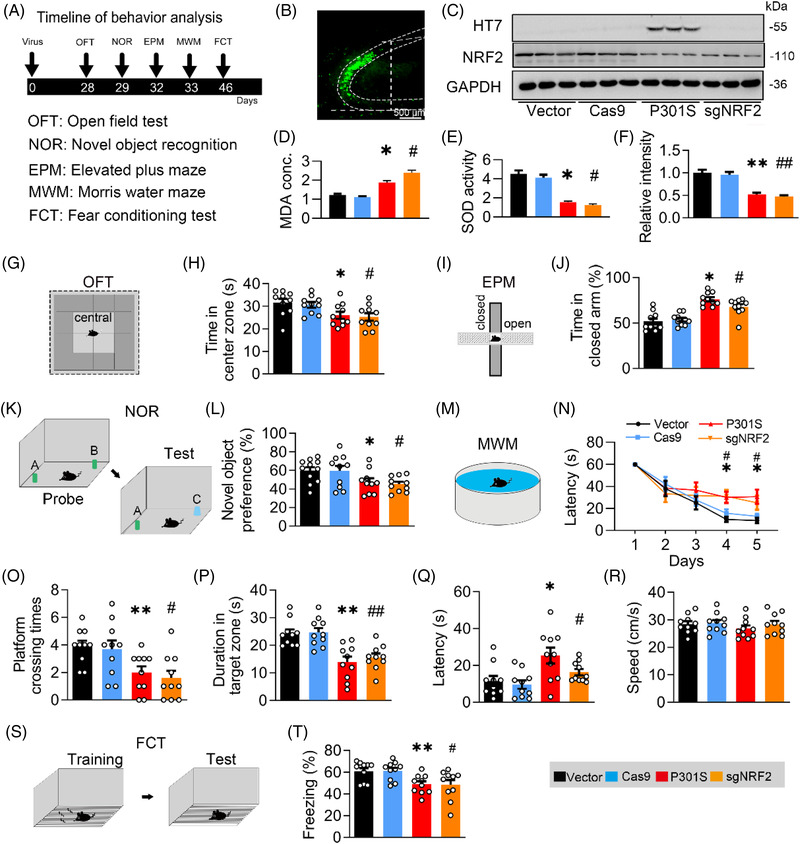
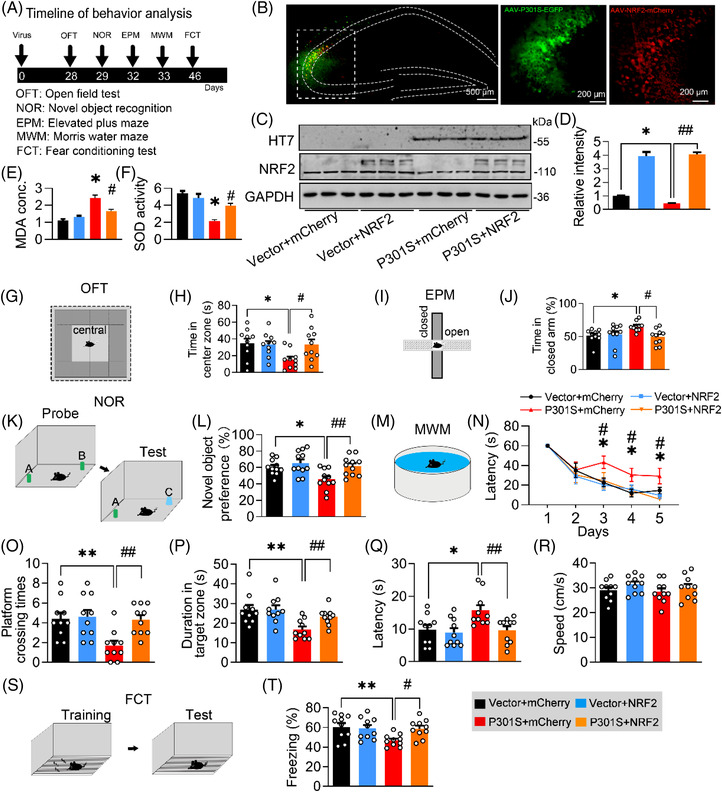
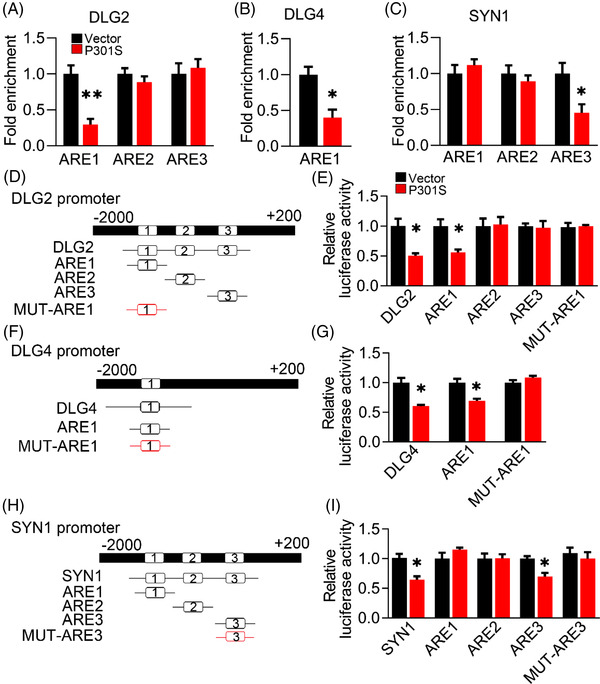
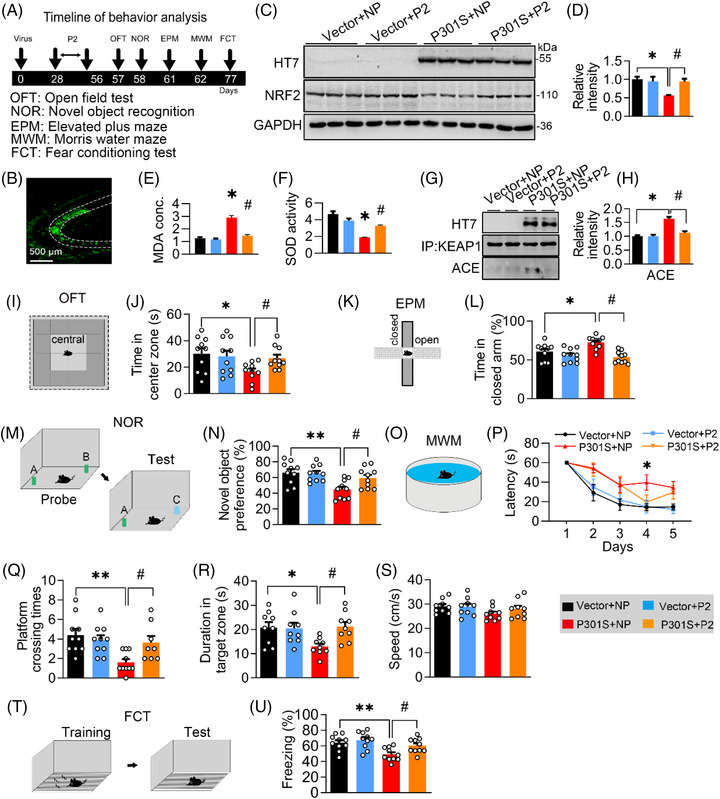
Mutated hTau (P301S) was overexpressed in the N2a cell line, primary hippocampal neurons and hippocampal CA3. Western blotting and quantitative polymerase chain reaction were applied to examine the protein and mRNA levels of synaptic proteins. The protein interaction was tested by co-immunoprecipitation and proximity ligation assays. Memory and emotion status were evaluated by a series of behavioural tests. The transcriptional activity of nuclear factor-erythroid 2-related factor 2 (NRF2) was detected by dual luciferase reporter assay. Electrophoresis mobility shift assay and chromosome immunoprecipitation were conducted to examine the combination of NRF2 to specific anti-oxidative response element (ARE) sequences. Neuronal morphology was analysed after Golgi staining.
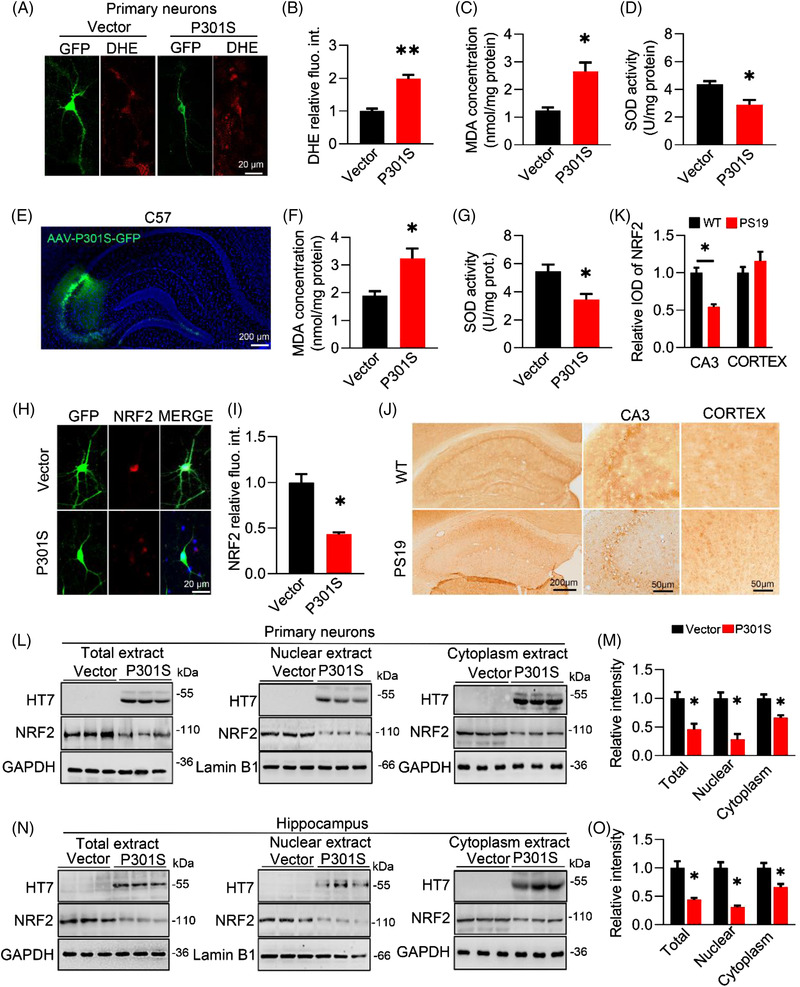
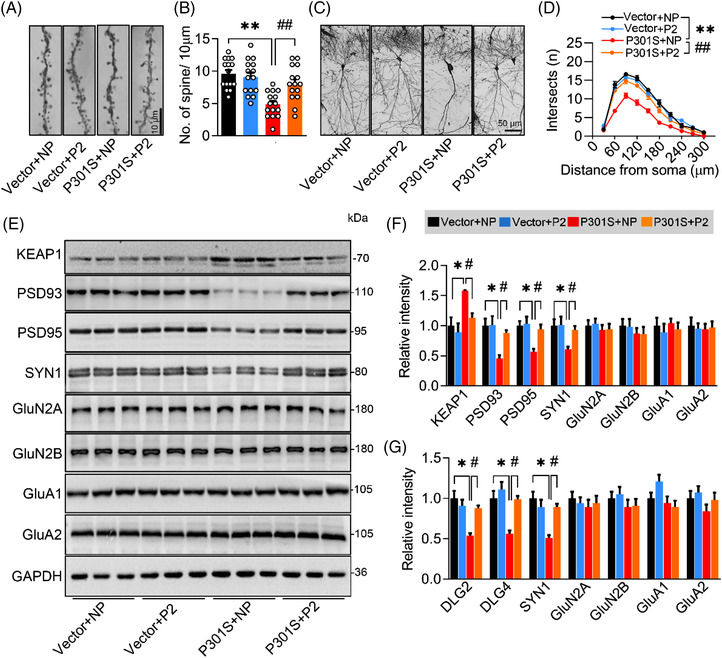
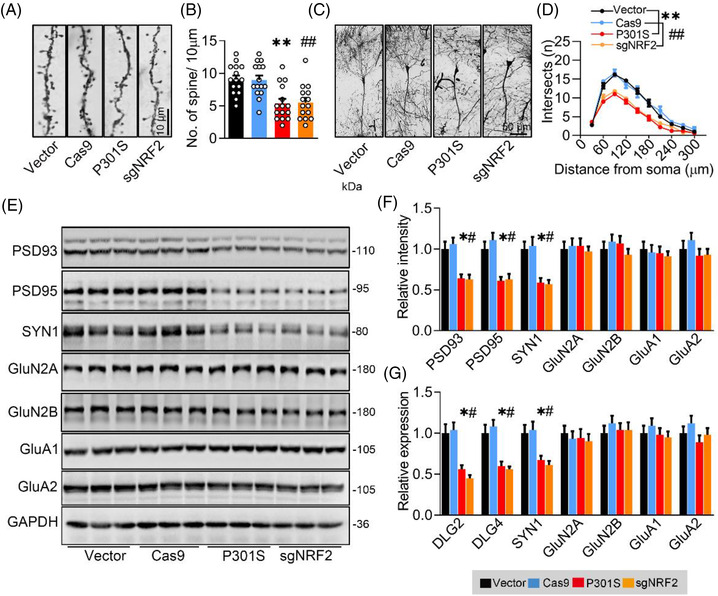
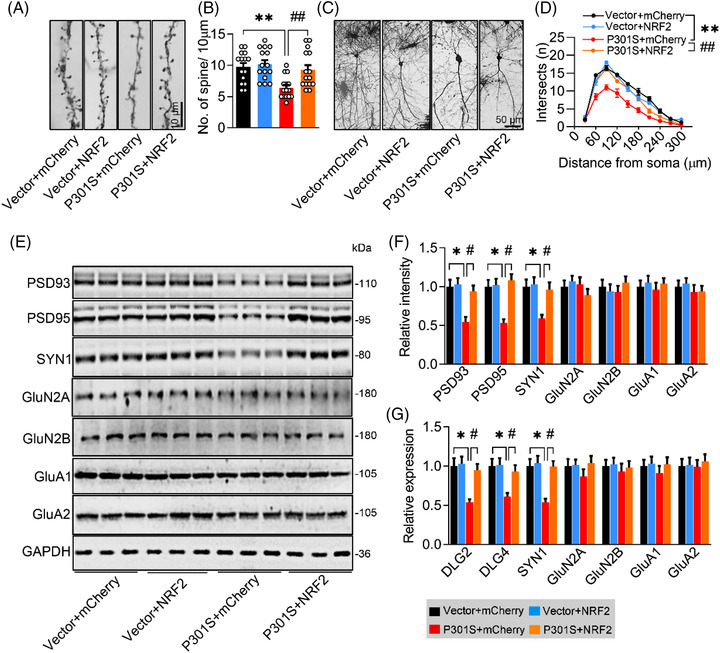
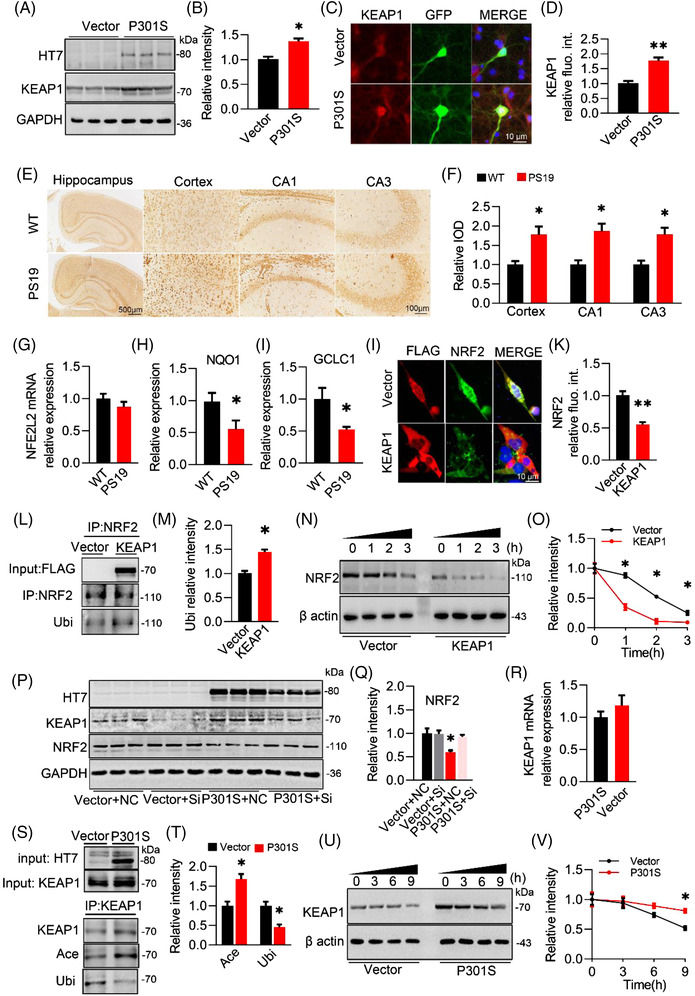
Overexpressing P301S decreased the protein levels of post-synaptic density protein 93 (PSD93), PSD95 and synapsin 1 (SYN1). Simultaneously, NRF2 was decreased, whereas Kelch-like ECH-associated protein 1 (KEAP1) was elevated. Further, we found that NRF2 could bind to the specific AREs of DLG2, DLG4 and SYN1 genes, which encode PSD93, PSD95 and SYN1, respectively, to promote their expression. Overexpressing NRF2 ameliorated P301S-reduced synaptic proteins and synapse. By means of acetylation at K312, P301S increased the protein level of KEAP1 via inhibiting KEAP1 degradation from ubiquitin-proteasome pathway, thereby decreasing NRF2 and reducing synapse. Blocking the P301S-KEAP1 interaction at K312 rescued the P301S-suppressed expression of synaptic proteins and memory deficits with anxiety efficiently.
P301S-hTau could acetylate KEAP1 to trigger synaptic toxicity via inhibiting the NRF2/ARE pathway. These findings provide a novel and potential target for the therapeutic intervention of tauopathies.
人类 Tau(hTau)的积累和突触丢失是tau 病的两个病理标志。然而,hTau 是否以及如何对突触产生毒性作用仍不清楚。
突变型 hTau(P301S)在 N2a 细胞系、原代海马神经元和海马 CA3 中过表达。应用 Western blot 和定量聚合酶链反应检测突触蛋白的蛋白质和 mRNA 水平。通过共免疫沉淀和邻近连接测定检测蛋白质相互作用。通过一系列行为测试评估记忆和情绪状态。通过双荧光素酶报告基因检测测定核因子-红细胞 2 相关因子 2(NRF2)的转录活性。电泳迁移率变动分析和染色体免疫沉淀用于检测 NRF2 与特定抗氧化反应元件(ARE)序列的结合。Golgi 染色后分析神经元形态。
过表达 P301S 降低了突触后密度蛋白 93(PSD93)、PSD95 和突触素 1(SYN1)的蛋白水平。同时,NRF2 减少,而 Kelch-like ECH-associated protein 1(KEAP1)增加。进一步发现,NRF2 可以结合 PSD93、PSD95 和 SYN1 基因的特定 AREs,分别编码 PSD93、PSD95 和 SYN1,以促进其表达。过表达 NRF2 改善了 P301S 降低的突触蛋白和突触。通过在 K312 处乙酰化,P301S 通过抑制 KEAP1 从泛素-蛋白酶体途径降解来增加 KEAP1 的蛋白水平,从而降低 NRF2 并减少突触。阻断 P301S-KEAP1 在 K312 处的相互作用可有效挽救 P301S 抑制的突触蛋白表达和记忆缺陷伴焦虑。
P301S-hTau 可乙酰化 KEAP1,通过抑制 NRF2/ARE 通路引发突触毒性。这些发现为 tau 病的治疗干预提供了一个新的潜在靶点。